How Eye Floaters Can Disrupt Your Sports Performance
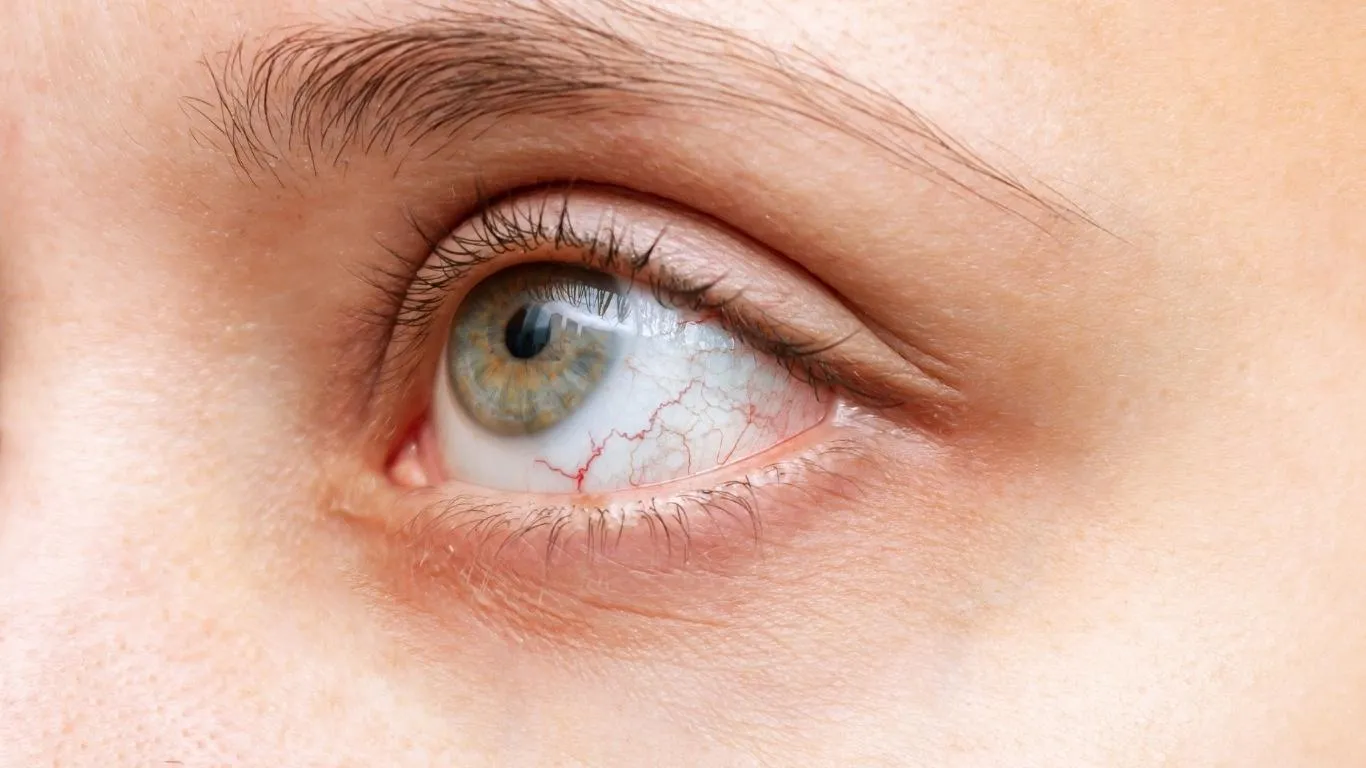
You ever tried focusing on a fast-moving tennis ball or lining up a basketball shot, only to have those annoying squiggly things drift across your vision? Yeah, those little guys—eye floaters—can sneak into your game like an uninvited guest. For the longest time, I brushed them off as just part of getting older or maybe staring at screens too long. But when they started messing with my depth perception during racquetball, I knew I had to dig deeper.
Understanding How Floaters Impact Athletic Vision
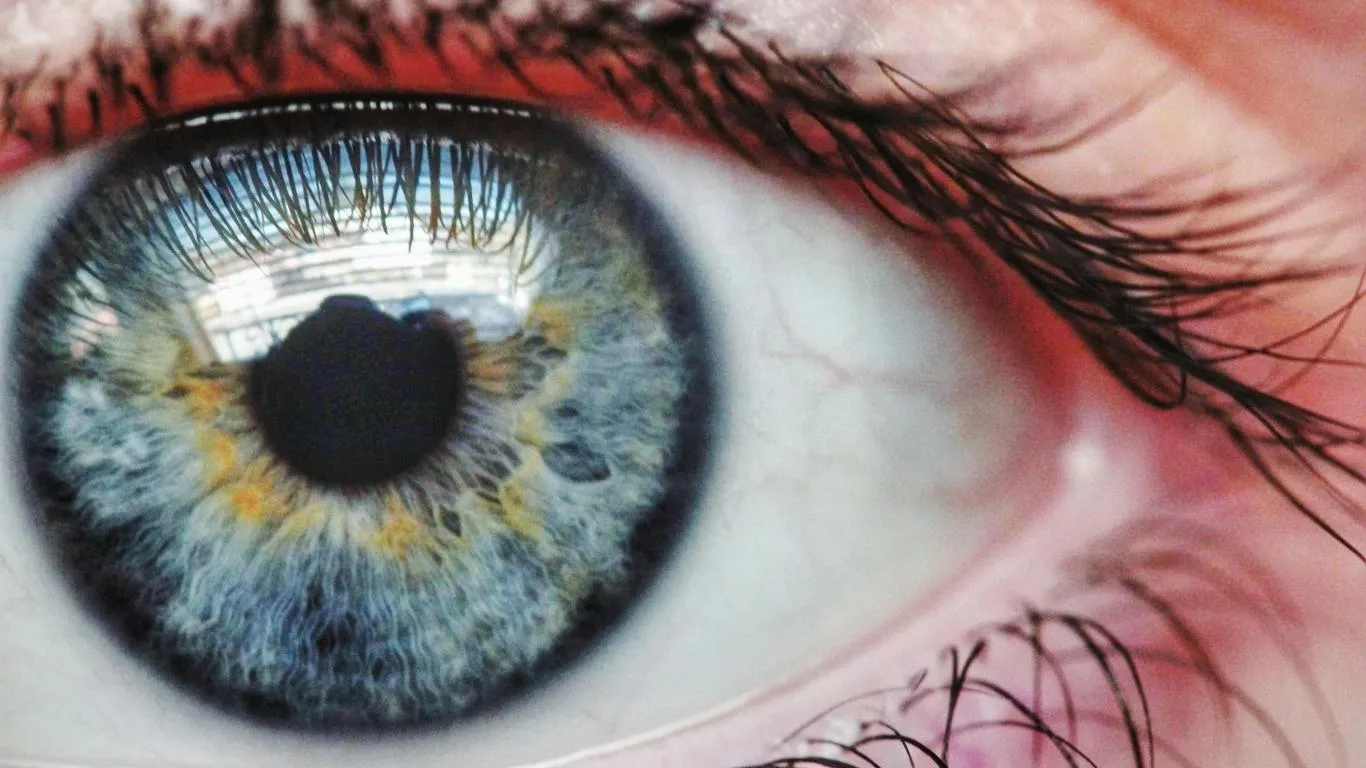
Floaters aren’t just harmless specs drifting across your line of sight. For athletes—or even weekend warriors—they can actually interfere with reaction times, spatial judgment, and overall performance. When your eyes are trying to track something fast, those floaters can create momentary visual confusion.
What Exactly Are Eye Floaters?
They’re tiny clumps of collagen or cellular debris suspended in the vitreous humor—the gel-like substance in your eyeball. Most of the time, your brain filters them out. But under the right lighting or while you’re playing outdoors, especially on sunny courts or fields, they can become glaringly noticeable.
My Experience During Sports
Personally, I started noticing floaters more during high-contrast environments. A white baseball against a blue sky? Good luck keeping focus when a thread-like floater zips across your view right before the pitch hits your glove. And don’t get me started on trying to return a fast serve in pickleball.
Why Athletes Are More Aware of Floaters
Think about it—athletes are tuned into subtle visual cues: ball spin, player movement, changing terrain. Anything that compromises your field of vision, even briefly, can throw off your game. Eye floaters, especially when new or increasing in number, become hard to ignore.
Performance Issues You Might Experience
- Momentary visual distraction during play
- Reduced focus when tracking fast objects
- Inconsistent depth perception in outdoor settings
- Eye strain from overcompensating to “see through” floaters
And while they might not cause physical pain, the mental fatigue from trying to push through can be just as draining. Athletes have shared stories of floaters appearing right after intense workouts, often catching them off-guard mid-game.
Conditions That Make Floaters Worse During Activity
Bright Lighting & Sun Glare
Playing under direct sun or in highly lit environments tends to illuminate floaters more. It’s like shining a flashlight through dusty water—you see every speck. That’s why floaters become particularly distracting for soccer players, track runners, or anyone training outdoors.
Eye Dryness and Fatigue
After long hours of focus or dehydration during a match, your eyes get tired. Combine that with dry eyes and suddenly, floaters become more intrusive. This is especially common in sports with fewer breaks like cycling or distance running.
Trauma and Impact
Any sport involving contact—think boxing or martial arts—can lead to trauma-related floaters. Even a mild impact to the head or eye can shift the vitreous gel and trigger floaters.
Post-Workout Visibility Spike
Oddly enough, floaters tend to spike after a tough session. It’s like your eyes need recovery time too. I’ve noticed that after high-intensity interval training (HIIT), they seem to hang around longer than usual.
Can Floaters Lead to Serious Issues Athletically?
In most cases, floaters are harmless, just annoying. But if you’re suddenly noticing a rapid increase in floaters, flashes of light, or a shadow in your peripheral vision, don’t ignore it. These could be signs of something more serious like a retinal tear or detachment. In fact, floaters are sometimes the first clue to a bigger problem, especially after a hard fall or hit.
Many professional athletes undergo eye exams after repeated floaters just to be safe. And it’s not overreacting—vision is everything in competitive sports. A delay of even half a second can mean missing a goal or getting knocked out.
Natural Ways I Try to Reduce the Interference
- Hydration: I up my water intake on training days—it makes a noticeable difference in floaters post-exercise.
- Sunglasses: Polarized lenses are a game-changer for reducing glare, especially during golf or beach volleyball.
- Supplements: I’ve had decent results with vision-focused supplements, especially those targeting collagen and vitreous health.
- Lighting adjustments: During indoor training, soft diffused lighting makes floaters less obvious and less distracting.
If you’re into natural approaches, this article from Healthusias might help: Natural Ways to Manage Eye Floaters. It covers both myths and realistic strategies athletes like us can try without going under the laser.
For a complete dive into causes and treatments, check the main eye floaters guide and their thorough piece on eye floater treatments for all the up-to-date solutions.
More insights from authoritative sites like aao.org and ncbi.nlm.nih.gov confirm the importance of not ignoring persistent floaters in athletes.
When Should Athletes Take Floaters More Seriously?
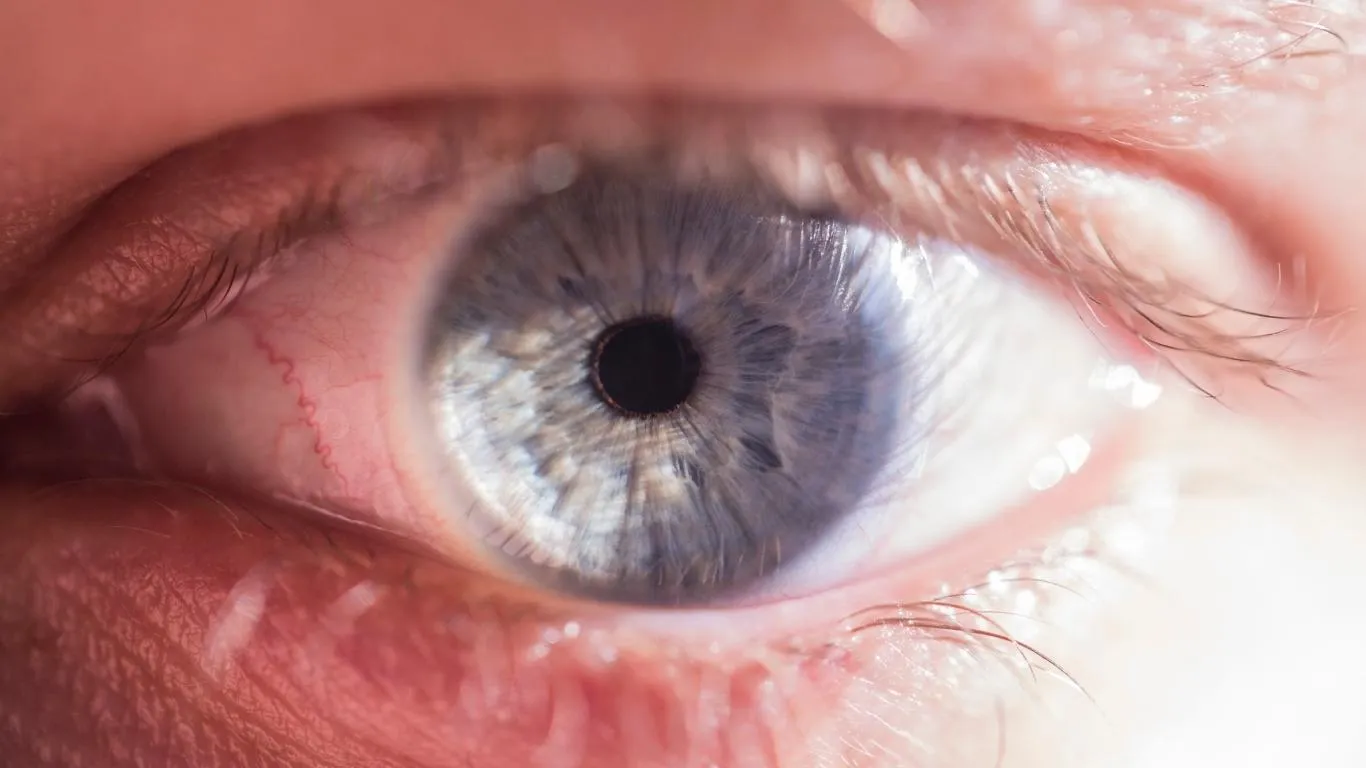
Floaters are often brushed off, especially in the fitness world where the mantra is “tough it out.” But there’s a point where ignoring them can backfire. If you notice:
- Sudden explosion of floaters during or after a workout
- Flashes of light in one or both eyes
- Shadowy curtain creeping across your vision
- Floaters that follow head trauma or eye injury
These symptoms could be signs of a retinal tear or detachment—both of which are serious and need immediate care. One of my cycling buddies once dismissed a sudden floater burst after a fall, only to find out later he had a partially detached retina. Thankfully, he caught it in time. That was a wake-up call for all of us.
Sports Where Floaters Hit Hardest
Floaters don’t hit everyone equally. In some sports, their presence can be a minor nuisance. But in others, they’re a full-blown performance disrupter. Here’s a breakdown of where they cause the most issues:
Ball Sports (Tennis, Baseball, Basketball)
Anything involving fast ball tracking and precise timing? Floaters love to mess with that. In my own experience, tennis is where they trip me up most. A floater at the wrong moment can make you swing too early—or worse, miss completely.
High-Speed Motion (Cycling, Motorsports)
When your environment is whizzing by and your eyes need to stay locked in, floaters create a kind of “ghosting” that makes things visually noisy. In cycling, floaters can also distract from road hazards—making them a safety issue.
Precision-Based Sports (Golf, Archery)
These demand steady focus, visual stillness, and clarity. Even a single floater can shake confidence when lining up a shot. A golf buddy of mine swears floaters cost him two strokes in a recent tournament.
Medical Treatments: When Natural Isn’t Enough
If you’ve tried hydration, nutrition tweaks, sunglasses, and supplements—and those floaters are still ruining your game—it might be time to talk to an eye specialist. These are some of the more advanced options they may suggest:
Vitrectomy
It’s a surgical procedure where the vitreous gel is removed and replaced. While effective, it’s invasive and usually reserved for extreme cases or when floaters interfere with daily function or safety.
Laser Treatment (YAG Vitreolysis)
A less invasive option. This uses a laser to break up floaters into less noticeable bits. Not everyone is a candidate, and results vary. But some athletes have found it life-changing.
Prescription Drops or Off-Label Meds
While still being researched, there are reports of eye drops that may reduce floater density or improve clarity. Your eye doctor can guide you on the latest and safest options available.
Preventing Floaters From Getting Worse
You might not be able to eliminate floaters completely, but you can keep them from stealing the spotlight during your next match or ride. Here are a few prevention strategies that have worked well for me and other athletes I know:
- Eye protection: Wear sport-specific goggles or glasses to prevent impact injuries and reduce glare.
- Screen management: Excessive screen time can increase perception of floaters—use blue-light filters, especially if you review footage post-game.
- Reduce eye strain: Take breaks during training and focus on distant objects to give your eyes a breather.
- Anti-inflammatory nutrition: Omega-3s, lutein, and vitamin C have shown promise in managing floaters naturally.
Also, be mindful of floaters worsening after exercise, especially high-impact or high-pressure sports like weightlifting, diving, or martial arts.
How Athletes Are Adapting to Floaters
I’ve spoken with amateur and pro athletes who’ve adjusted their training around their floaters. Some use targeted focus drills to build concentration despite visual disturbances. Others work with sports vision therapists to train their brain to “look past” floaters during gameplay.
Here are a few tips athletes swear by:
- Warm up eyes just like muscles—slow eye movements, blinking, and focus shifts help.
- Use contact lenses designed to improve contrast in bright conditions.
- Keep a hydration routine during games—not just before or after.
- Track floater changes in a log—you’ll notice patterns related to stress, lighting, or fatigue.
Sports performance vision is a growing field. Clinics are even tailoring programs for athletes with persistent floaters. While not mainstream yet, it’s worth asking your optometrist about.
Know When It’s More Than Just Floaters
In most cases, floaters are just a nuisance. But if they come with headaches, dizziness, or sudden visual changes, don’t hesitate. Many athletes have misread the signs as fatigue or pressure, only to realize later they were symptoms of something bigger—like retinal detachment, infection, or even neurological concerns. Check out this breakdown on what floaters with pain could mean.
It’s also worth looking into posterior vitreous detachment, especially if you’re over 40 or regularly exposed to intense physical strain.
Get Ahead of the Distraction
Floaters don’t have to dictate your game. For me, once I accepted them and learned a few hacks to minimize their interference, I stopped letting them mess with my performance. With a bit of strategy and some help from pros, you can stay focused—literally—and keep doing what you love.
Want a comprehensive look into causes, treatments, and warning signs? Check out this essential article from Healthusias on eye floaters: causes, symptoms, and treatment options and their guide on when eye floaters might signal something dangerous. They’re must-reads if your floaters are starting to interfere with your vision—or your game.
Also, keep an eye on expert-backed advice from mayoclinic.org or optometrists.org for emerging treatments and research updates on sports vision.

Camellia Wulansari is a dedicated Medical Assistant at a local clinic and a passionate health writer at Healthusias.com. With years of hands-on experience in patient care and a deep interest in preventive medicine, she bridges the gap between clinical knowledge and accessible health information. Camellia specializes in writing about digestive health, chronic conditions like GERD and hypertension, respiratory issues, and autoimmune diseases, aiming to empower readers with practical, easy-to-understand insights. When she’s not assisting patients or writing, you’ll find her enjoying quiet mornings with coffee and a medical journal in hand—or jamming to her favorite metal band, Lamb of God.