Why Floaters Get Worse After Eye Dilation Drops
So, here’s something that genuinely threw me off—right after getting my eyes dilated for a routine checkup, I noticed a storm of floaters. You know, those pesky shadowy specks that dart around your vision? I figured it would fade after the drops wore off. Spoiler: they didn’t. If you’re like me and noticed floaters worse after eye dilation drops, let’s just say, you’re definitely not alone. Turns out, there’s more going on than just some harmless eye gunk swimming around your field of view.
Why Eye Dilation Might Make Floaters Seem Worse
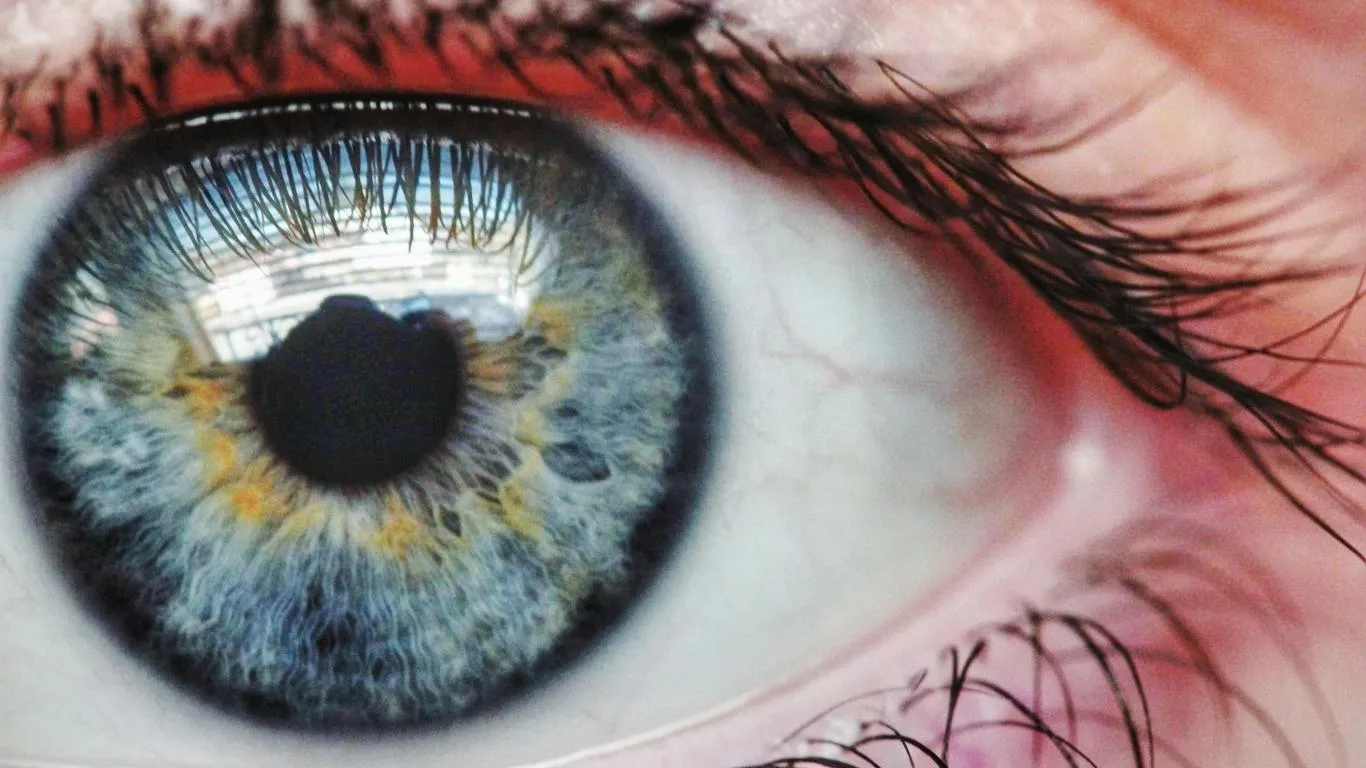
Eye dilation is a standard procedure—it allows the eye doctor to get a clearer look inside your eye, especially the retina and optic nerve. But many people (myself included) notice that floaters suddenly appear more intense or even multiply after the drops.
So, what’s the deal?
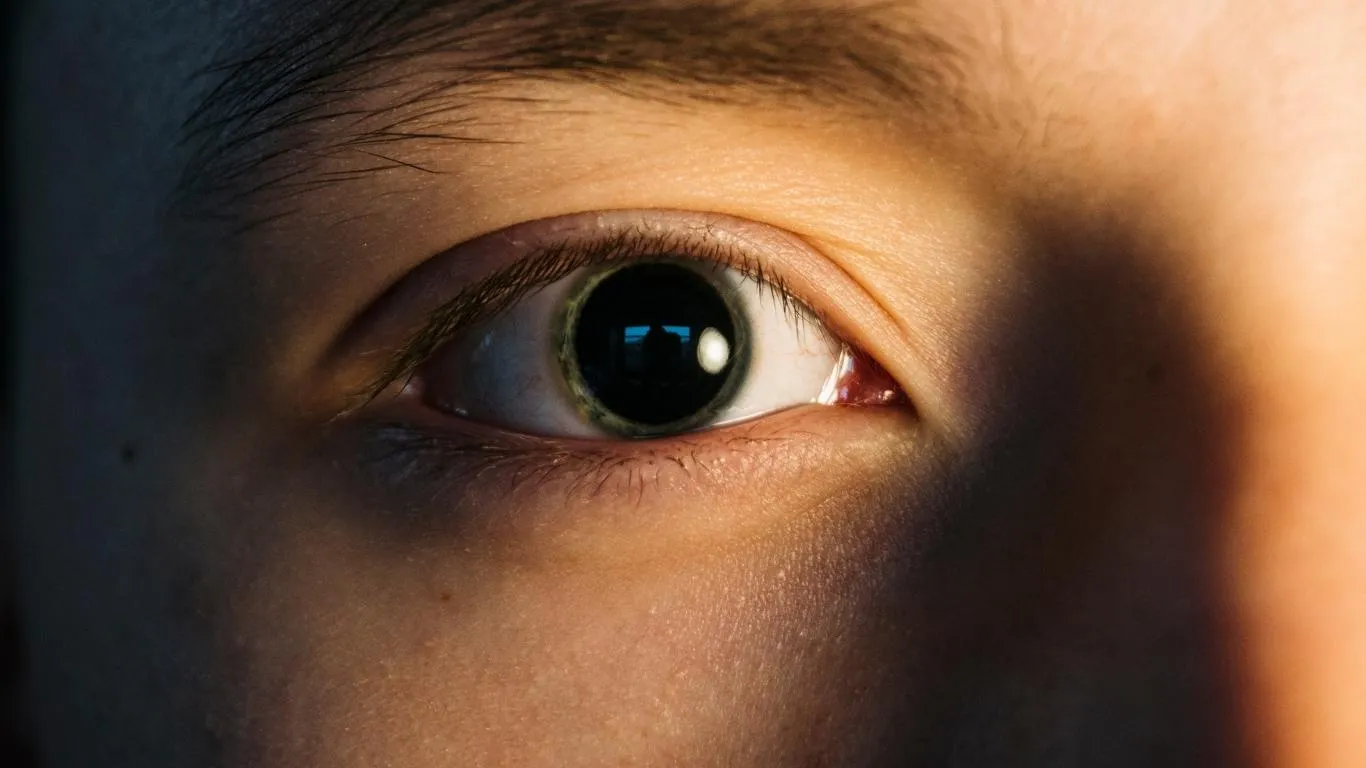
Once the pupil is fully dilated, more light floods in and reveals details that might not normally be as visible. This includes the vitreous floaters—those squiggly or cobweb-like shapes floating in the gel-like substance inside your eyeball. When the pupil expands, it basically turns your eye into a light-show stage for those floaters you’d rather ignore.
Temporary Visibility vs. Long-Term Changes
- Temporary: In many cases, floaters just become more visible for a few hours post-dilation. They’re not new; you’re just seeing them more clearly.
- Long-Term: If you’ve noticed new floaters after dilation that don’t go away—or worse, they get even more distracting—you might want to consider there’s more beneath the surface.
When Floaters After Dilation Should Concern You
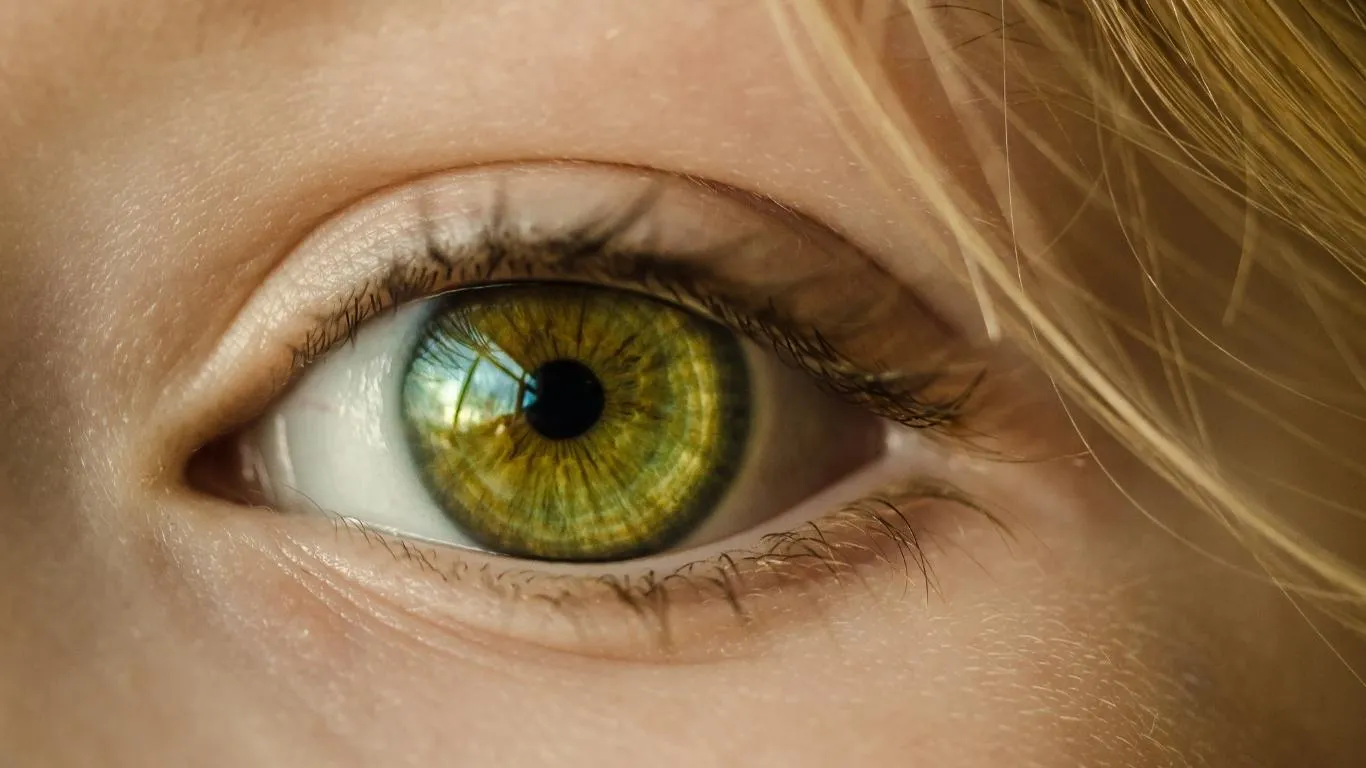
Now, let me be clear—I’m not sounding the alarm for every tiny floater that shows up post-drops. But certain signs are worth paying attention to.
- Sudden increase in floaters
- Flashes of light
- A dark shadow in your peripheral vision (curtain effect)
- Blurred vision that doesn’t clear up after the drops wear off
These could point to something like a posterior vitreous detachment (PVD) or even a retinal tear. Not trying to freak anyone out, but if you’re seeing floaters with that curtain-like shadow, it’s time to call your eye doc—like, now.
What’s Actually Happening Inside the Eye?
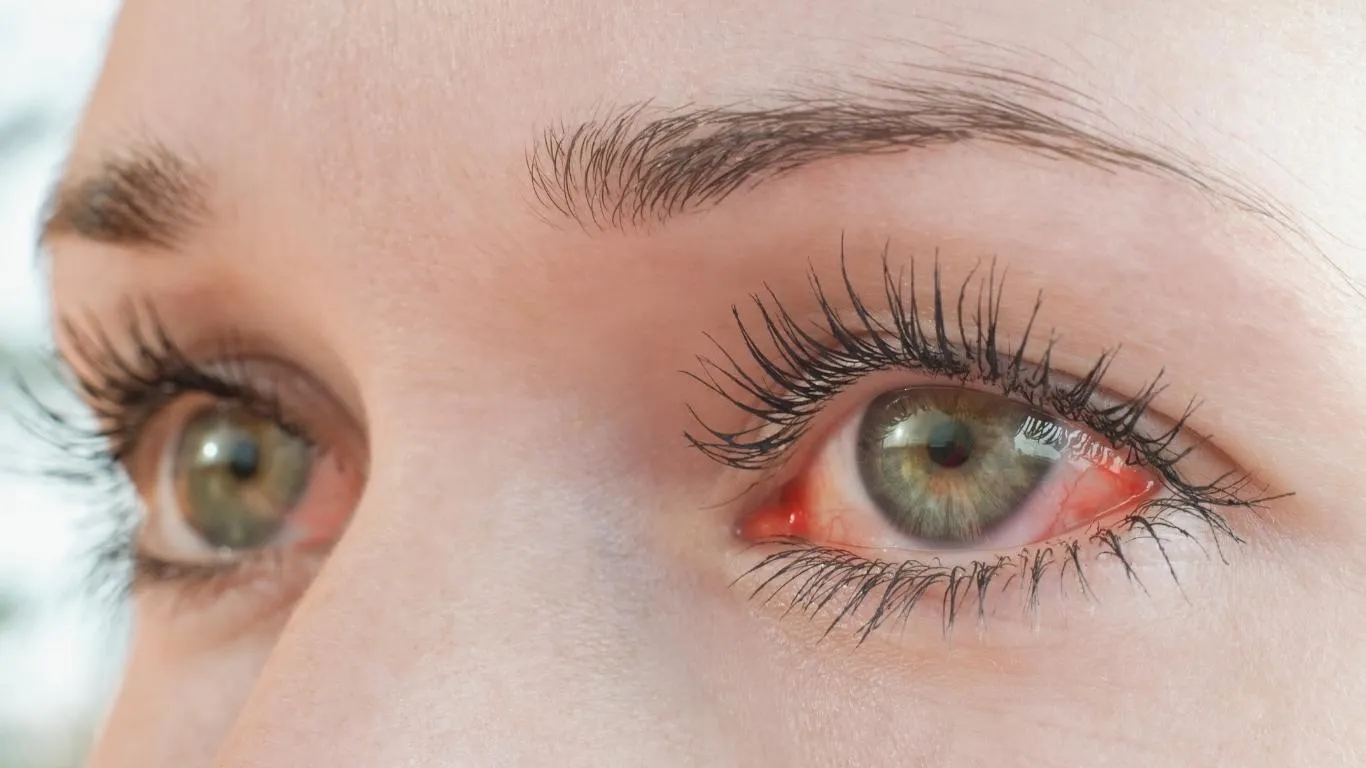
The main culprit behind floaters is the vitreous humor—a clear gel that fills the back of your eye. As we age (and sometimes even earlier, thanks to high myopia or trauma), this gel begins to shrink and pull away from the retina. That’s when the floaters really start to party.
Now throw in eye dilation drops. They don’t cause floaters, technically, but they do make pre-existing floaters more noticeable because your pupils can’t adjust to light, and the increased brightness highlights those tiny imperfections.
In rare cases, the dilation can accelerate the appearance of floaters by increasing light exposure or putting temporary stress on the eye. While dilation drops are safe overall, it’s good to understand what’s happening behind the scenes—because informed patients make better decisions.
Other Factors That Might Be at Play
Dehydration
Honestly, one thing I overlooked until chatting with my optometrist was hydration. Dehydration can make floaters worse. Yep, even your eye’s vitreous needs proper hydration to maintain its clarity. More on that here: Does Dehydration Make Floaters Worse?
Eye Conditions or Procedures
Other medical events like cataract surgery, head trauma, or even LASIK can stir up floaters. In fact, there’s a great breakdown on how this happens here. Some people (me included) have even experienced floaters worsening from light exposure post-procedure, especially after dilation.
Medication and Drops
While most dilation drops are considered harmless, some individuals report visual disturbances from other eye meds—like steroid-based drops. It’s rare, but not unheard of. Here’s a solid piece exploring that: Can Steroid Eye Drops Cause Eye Floaters?
Can You Prevent This From Happening?
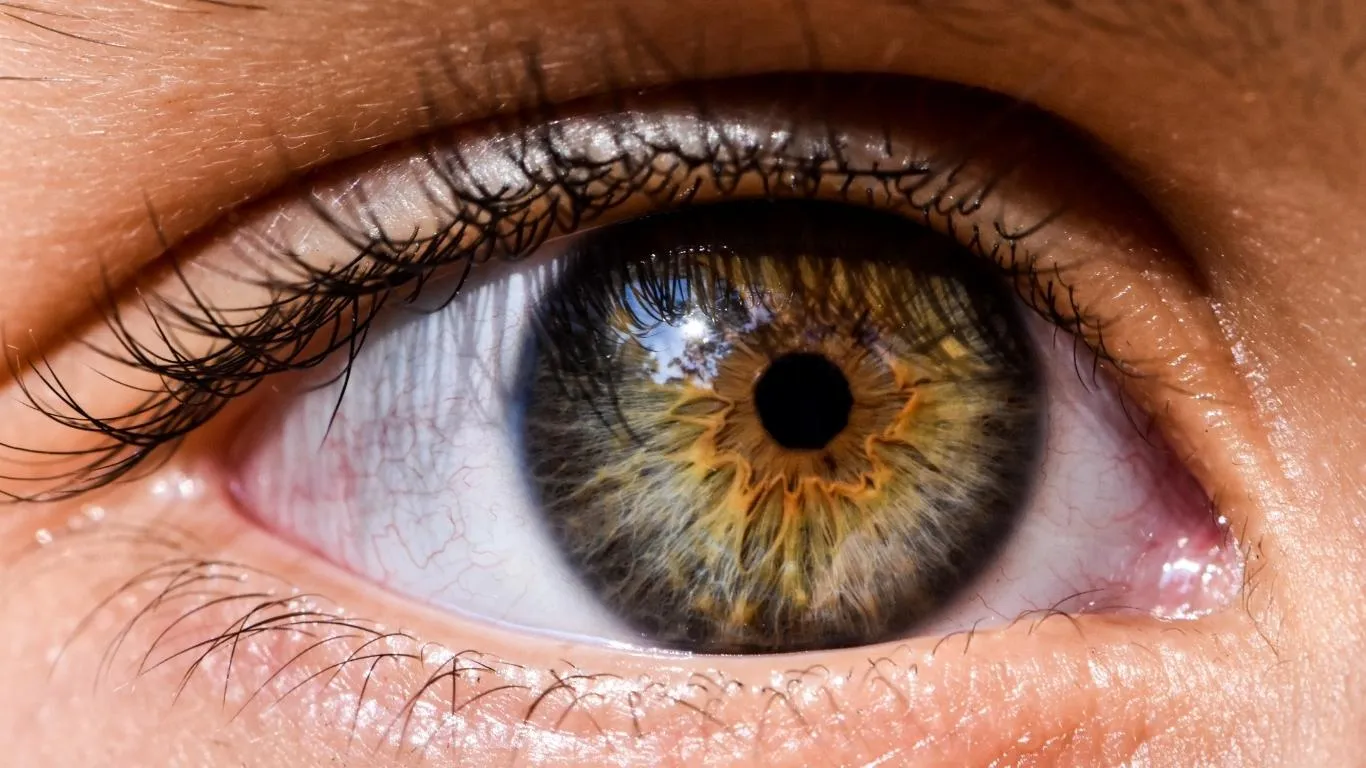
Short answer? Not entirely. If you’re genetically predisposed or have high myopia like me, floaters may find you no matter what. That said, there are a few things that helped me manage:
- Wearing sunglasses post-dilation to reduce glare and visual strain
- Staying hydrated (seriously, drink more water)
- Avoiding high screen time for 6-12 hours after dilation
- Limiting physical activity until vision normalizes
If you’re frequently dealing with eye dilation for exams or treatment, it’s worth reading more about managing floaters after visual stress.
Digging Deeper Into Floaters and Eye Health
If you’ve made it this far, you’re probably taking your eye health seriously—and you should. Floaters may seem trivial at first, but they can sometimes point to more systemic issues. I highly recommend checking out this in-depth guide: Eye Floater Treatments: From Observation to Surgery. It goes beyond just spotting them and dives into what treatments actually help. Also, the primary reference piece on floaters—this one—is a must-read if you’re navigating your options.
For more research-based context, sources like American Academy of Ophthalmology and NCBI have comprehensive overviews of vitreous degeneration and its visual impact.
When Floaters Become a Daily Disruption
Look, I tried to ignore them too. I figured the floaters would fade into the background eventually. But if you’re like me, and those specks or threads start hijacking your entire field of vision—especially after every dilation—it stops being a mild nuisance and turns into a quality-of-life issue.
Some folks report feeling anxious, distracted, even dizzy from constant floaters. There’s actually a link between floaters and mental fatigue, especially in people who are already sensitive to visual stimuli. It’s not just “in your head” either—it’s in your eyes, and the brain trying to compensate for it.
When to Revisit Your Eye Doctor
Here’s my rule of thumb: if your floaters feel different after every dilation (more intense, longer-lasting, or paired with flashes), don’t wait for your next annual checkup. Get a second look, literally.
Especially if you’re over 40, because that’s when the vitreous changes speed up. In fact, this article breaks down what floaters are expected at that stage, and which ones aren’t.
What Actually Helps? Treatments That Don’t Waste Your Time
I’ve tried the usual suggestions—staring at the sky, blinking rapidly, drinking more water. Helpful? Meh. But there are a few things that did make a real difference, either in how my floaters behaved or how I felt about them:
- Eye-friendly lighting: Switching to soft, ambient lighting at home helped reduce the harsh contrast that made floaters more noticeable. Here’s a good guide on that.
- Supplements: I was skeptical, but I noticed improvement after trying specific blends aimed at vitreous support. No miracle, but definitely less distracting floaters during screen time. You might want to check out the best-reviewed options here.
- Eye exercises: Surprisingly, some slow, guided eye movements helped “move” the floaters out of my direct line of sight. There’s a breakdown of techniques that worked for me right here.
When Surgery Makes Sense
If your floaters are large, central, and persistent, surgery might come up as an option. That said, most ophthalmologists will only recommend it when the floaters significantly impair vision or daily function.
Vitrectomy is the most effective, though invasive, while laser vitreolysis is a less risky but not always effective method. I haven’t gone this route personally, but many do—especially those whose floaters worsen dramatically after dilation or trauma. If you’re seriously considering it, read this first.
Natural Ways to Ease Post-Dilation Floaters

So, if you’re hoping for a natural fix—I hear you. I went down that rabbit hole too. Some remedies felt gimmicky, but a few actually stuck:
- Hydration + Electrolytes: Just drinking water isn’t always enough. Balancing with electrolytes (think magnesium-rich drinks) helps keep your vitreous fluid from thickening.
- Herbs like Bilberry & Ginkgo: There’s decent research behind these improving circulation to the eye. I noticed less eye strain and slightly less floaters when I made these part of my morning tea routine. There’s more on that here.
- Yoga + Breathwork: I was surprised how well gentle practices like forward folds and alternate nostril breathing eased eye pressure. It won’t erase floaters, but it made me feel better. I used a few from this guide: yoga for floaters.
Supporting Long-Term Eye Health
At the end of the day, managing floaters—especially after dilation—isn’t just about quick fixes. It’s about creating long-term habits that support eye health. Here’s what’s made the biggest difference for me over the past year:
- Blue-light filter lenses: A game-changer if you’re on screens all day. I noticed fewer post-dilation visual issues too. Try these tips: blue light glasses guide.
- Routine checkups: Floaters aren’t always dangerous, but if they change shape, multiply, or shift in color, your retina could be giving you subtle warning signs. Don’t skip the follow-ups.
- Diet upgrades: Lutein, zeaxanthin, omega-3s—these are staples in my pantry now. If you’re serious about what goes into your body reflecting in your eyes, this list of foods is golden: foods for eye health.
What helped me most wasn’t a miracle cure. It was learning what worked for my body, paying closer attention to my symptoms, and not brushing off something just because it “wasn’t serious enough.” Floaters after dilation might be normal—but they’re also your cue to look deeper into your visual health.
Need a full scope breakdown of what floaters are and what treatments make sense for your case? This comprehensive guide covers the full spectrum: what are eye floaters.

Camellia Wulansari is a dedicated Medical Assistant at a local clinic and a passionate health writer at Healthusias.com. With years of hands-on experience in patient care and a deep interest in preventive medicine, she bridges the gap between clinical knowledge and accessible health information. Camellia specializes in writing about digestive health, chronic conditions like GERD and hypertension, respiratory issues, and autoimmune diseases, aiming to empower readers with practical, easy-to-understand insights. When she’s not assisting patients or writing, you’ll find her enjoying quiet mornings with coffee and a medical journal in hand—or jamming to her favorite metal band, Lamb of God.