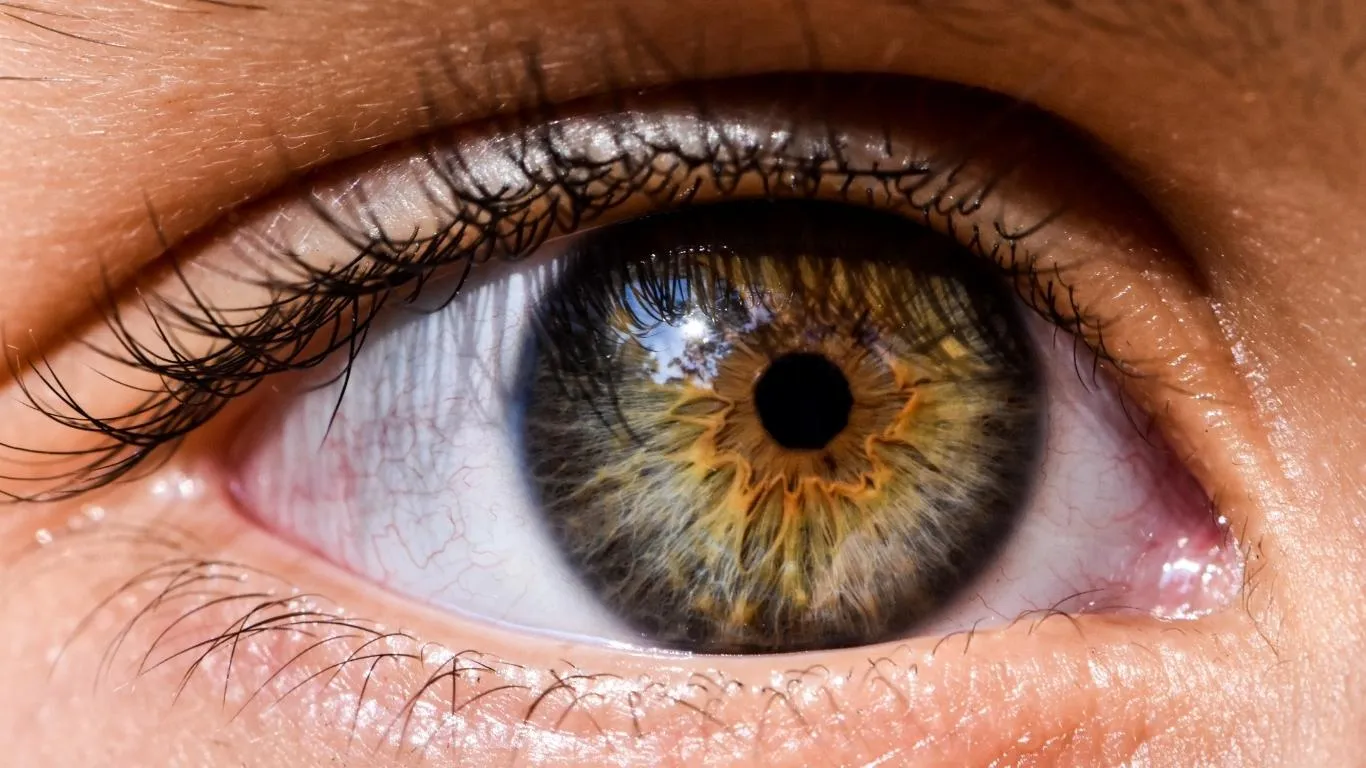
Why Floaters Seen After Taking Supplements Might Signal Trouble
It started with what looked like tiny cobwebs floating across my vision. I had just switched to a new supplement stack a couple of weeks before—mostly for eye health, ironically. At first, I chalked it up to tiredness or maybe spending too much time on screens. But when the floaters stuck around and even multiplied, I started digging. Could the supplements I was taking actually be making my eye floaters worse?
Can Supplements Really Trigger Eye Floaters?

For most people, supplements are a go-to for boosting wellness—from vitamin C for immunity to lutein for vision. But what many don’t realize is that even natural, over-the-counter vitamins and minerals can come with side effects. And one of those unexpected side effects? You guessed it—eye floaters.
Eye floaters are tiny specks or thread-like shapes that drift across your visual field. They’re typically caused by changes in the vitreous—the gel-like substance inside the eye. While they’re usually harmless, new or sudden floaters can signal underlying issues, including side effects from what we consume.
Understanding the Connection
The reality is, not all supplements are innocent. Some may affect fluid balance, blood pressure, or blood vessels in ways that could lead to more noticeable floaters. When your vitreous starts shrinking or pulling on the retina, floaters become more prominent. Supplements that influence hydration, vascular function, or even inflammation may accelerate those changes.
Common Supplements People Blame for Floaters
- Vitamin A and Beta-Carotene: While essential for vision, excess intake can lead to toxicity, potentially affecting eye pressure or triggering floaters.
- Fish Oil / Omega-3: Some people report floaters increasing after starting high-dose omega-3. It may be due to changes in eye fluid viscosity or anti-clotting effects.
- Collagen Peptides: Ironically taken to support vitreous health, but if low quality or poorly absorbed, may not do much—and floaters may persist or even worsen.
- Multivitamins with Iron or Copper: Trace minerals can sometimes oxidize or create imbalances that affect ocular health.
In fact, there’s a growing number of anecdotal reports in communities online and among optometrists where patients notice floaters becoming worse after introducing certain supplements. Though clinical evidence is limited, the experiences can’t be ignored.
My Personal Experience: What I Took and What Happened

I was on a cocktail of eye-specific supplements: lutein, zeaxanthin, astaxanthin, omega-3, and a high-dose multivitamin. All of them came highly recommended in vision health circles. But about 10 days in, I began seeing squiggly lines and transparent blobs whenever I looked at bright backgrounds. I even noticed more intense floaters after workouts or when dehydrated—a pattern I later learned is pretty common in those sensitive to fluid imbalances.
I stopped everything for a week, then reintroduced one by one. The omega-3 seemed to be the biggest culprit in my case. When I lowered the dose and switched to a triglyceride form, the floaters became less noticeable over time. That doesn’t mean omega-3s are “bad”—just that everyone’s body reacts differently.
What Science Says (and Doesn’t Say)

Research into supplements and floaters specifically is still sparse. However, there’s solid evidence around how the vitreous can change due to oxidative stress, inflammation, and aging. Some nutrients like vitamin C, lutein, and zinc may actually help support long-term eye clarity, but they’re not a quick fix.
On the flip side, anything that causes dehydration, increases blood pressure, or alters intraocular pressure can potentially make floaters worse. That includes stimulants, excessive vitamin A, and even some medications. Antidepressants, for example, have also been linked in rare cases.
Be Cautious with Doses
More isn’t always better. Just because a bottle says “vision support” doesn’t mean it’s safe at high doses. In fact, overloading certain fat-soluble vitamins can backfire. Always talk to an eye doctor or integrative physician before stacking multiple eye-targeted supplements.
If you’re unsure about what to take and why, the main pillar article on causes, symptoms, and treatment options for floaters can guide you through the basics.
Tips to Minimize Floaters Naturally (If Supplements Backfire)
- Hydrate consistently throughout the day. Dehydration can make floaters more noticeable.
- Reduce sugar and processed food intake to limit systemic inflammation.
- Get regular movement—gentle cardio and eye exercises can help circulation.
- Track floaters with a journal or app to notice patterns or triggers.
- Limit supplement doses to below the tolerable upper intake levels (UL).
Some individuals have also found success by working with eye specialists who offer evidence-based clinical treatments for floaters, especially if the condition is affecting daily life.
And if you’re just beginning to learn the differences between harmless floaters and something more serious, this guide on when floaters become dangerous might be worth a read.
For a more in-depth look at natural ways to handle floaters (and which ones are actually backed by science), don’t miss the main resource here: Natural Ways to Manage Eye Floaters.
Want to know how I tweaked my supplement routine, which ones I stuck with, and what my ophthalmologist actually recommended? Let’s dive into that in the next section where I break down recovery strategies and smarter supplementation tactics that work with—not against—your vision.
Smarter Supplementing for Sensitive Eyes
If you’re someone like me—health-conscious, supplement-savvy, but with annoyingly sensitive eyes—you probably don’t want to give up your vitamin stack completely. The key lies in being intentional. Not everything labeled “for vision” is actually suitable for your eyes, especially if you’re already prone to floaters or vitreous changes.
I started by stripping everything down. Gone were the mega-dose multivitamins and “vision blends” with 30 ingredients. I replaced them with targeted nutrients in moderate, research-backed doses. Instead of guessing, I ran my plan by an integrative optometrist who had seen cases like mine before.
What Stayed in My Stack
- Lutein + Zeaxanthin: These two carotenoids are well-known for their retinal support. I use a clean, low-dose formula that mimics dietary intake.
- Vitamin C: Supports collagen health in the eye. I keep it around 500mg a day, split in two doses.
- Magnesium: Helps reduce visual stress and tension. A deficiency can sometimes worsen floaters, so I take it in glycinate form.
Anything with questionable or vague “proprietary blends” got ditched. I also backed off on high-dose omega-3s, opting for dietary sources like wild salmon and chia seeds instead. Interestingly, I found this shift helped stabilize the intensity of the floaters after about a month.
What Eye Experts Say About Supplements and Floaters

There’s still a lack of formal consensus on supplements causing floaters—but anecdotal cases are gaining attention. According to some specialists, floaters that appear after starting new supplements could be due to:
- Changes in intraocular fluid pressure
- Altered vascular or collagen function
- Temporary inflammation or fluid shifts
While many floaters are simply age-related, underlying triggers can be anything from dehydration to micronutrient imbalances. It’s no coincidence that in rare situations, floaters persist even after surgical intervention, especially when systemic inflammation isn’t addressed.
One experienced retinal specialist told me that even well-meaning supplements like antioxidants “can destabilize sensitive ocular environments if not dosed carefully or if taken with overlapping nutrients.”
Tracking and Managing Floaters After Supplement Changes

One habit that truly helped me was journaling floaters—noting what I ate, which supplements I took, and any visual changes. Over time, patterns emerged. For instance, I noticed more floaters after certain multivitamins, especially those that contained copper or synthetic vitamin A. On the flip side, hydration, rest, and specific yoga practices actually reduced their prominence.
If you’re noticing new floaters, you can try simple home tracking. Or, go one step further by using tools that help differentiate floaters from flashes or signs of retinal stress—like this guide on floaters versus flashes.
Red Flags That Warrant Medical Attention
- Sudden shower of floaters, especially accompanied by light flashes
- Black or gray curtains across your vision
- Floaters that worsen quickly within hours or days
These could signal more serious issues like retinal detachment, especially if you’ve recently introduced new medications or had eye surgery. Always better to get checked than wait it out. Here’s a useful breakdown on floaters before retinal tears.
Vision-Friendly Alternatives to Risky Supplementing
If you’re cautious about what goes in your body—as you should be—there are lifestyle alternatives that can help support vitreous health without risking unwanted floaters:
- Eat your antioxidants: Leafy greens, berries, and orange veggies are rich in lutein, zeaxanthin, and beta-carotene—no pills needed.
- Improve eye fluid circulation: Gentle stretching, eye yoga, and regular walking help relieve pressure.
- Sleep smarter: Lack of REM sleep is linked with higher visual disturbances. See these floaters-related sleep tips.
- Screen protection: Computer glasses with blue light filtering may reduce contrast that makes floaters more noticeable —but pick the right lens tint.
If you’re already managing age-related changes or mild vitreous detachment, you may also benefit from exploring professional treatments and monitoring options.
When to Adjust, Pause, or Stop Supplements

Floaters aren’t always caused by what you ingest, but if you notice a strong correlation after starting something new, don’t ignore it. Here’s what worked for me when figuring out what to keep and what to cut:
- Track new symptoms for 7–10 days after starting any supplement
- Eliminate all non-essential pills for 1–2 weeks
- Reintroduce one by one, waiting at least 3–4 days between each
- Work with a specialist—ideally someone who understands both ophthalmology and functional medicine
Floaters might not disappear entirely—but with time, many people find they become less noticeable, especially once triggers are removed. Personally, mine are still around, but nowhere near as intrusive as they once were.
For a detailed look at causes, treatment options, and how to distinguish floaters from other visual symptoms, I highly recommend starting with the comprehensive pillar article on eye floaters.

Camellia Wulansari is a dedicated Medical Assistant at a local clinic and a passionate health writer at Healthusias.com. With years of hands-on experience in patient care and a deep interest in preventive medicine, she bridges the gap between clinical knowledge and accessible health information. Camellia specializes in writing about digestive health, chronic conditions like GERD and hypertension, respiratory issues, and autoimmune diseases, aiming to empower readers with practical, easy-to-understand insights. When she’s not assisting patients or writing, you’ll find her enjoying quiet mornings with coffee and a medical journal in hand—or jamming to her favorite metal band, Lamb of God.