Why Floaters After Taking Antidepressants Might Be a Serious Concern
If you’ve ever stared at the ceiling fan too long and noticed little squiggly shapes drifting across your vision, you’re not alone. I used to think those were just some weird eye tricks—until I noticed they’d show up after I switched antidepressants. That’s when I realized there might be more to it. Turns out, those little “floaters” aren’t always harmless, and in some cases, they might be linked to your medication. Especially antidepressants. If you’re here because you googled “floaters after taking antidepressants,” you’re in the right place.
What Are Eye Floaters, Really?
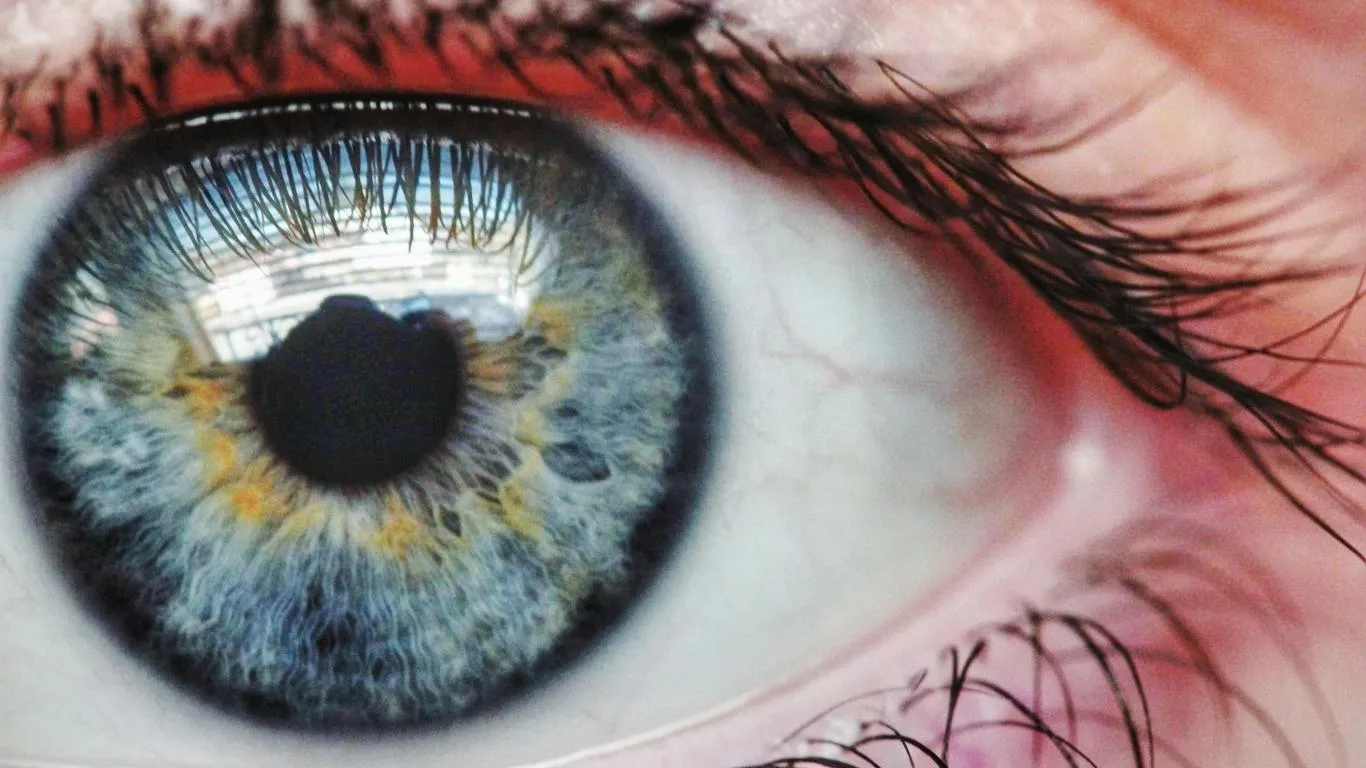
Eye floaters are tiny spots, threads, or cobweb-like shapes that drift across your field of vision. Most of the time, they’re caused by changes in the vitreous humor—that gel-like substance inside your eye. As we age, the vitreous starts to shrink and form clumps or strands, casting shadows on your retina.
But here’s the kicker—sometimes these floaters aren’t just about age. They can be triggered or made worse by other factors, including the meds we take. And yes, antidepressants are on that list.
Is There a Real Connection Between Antidepressants and Floaters?
I remember the first time I saw floaters after switching from sertraline to an SNRI. At first, I brushed it off as stress or dehydration. But the timing was too coincidental. And I’m not the only one—some studies and patient reports suggest a possible link between SSRIs, SNRIs, and sudden-onset eye floaters.
Possible Explanations for the Link
- Blood flow changes: Antidepressants can affect circulation, and changes in ocular blood flow may influence floaters.
- Retinal sensitivity: Some medications may alter neurotransmitter levels that affect visual processing.
- Dry eyes: A side effect of many antidepressants, which can exaggerate visual disturbances.
- Increased light sensitivity: Common in SSRI use, making floaters more noticeable, especially against bright backgrounds.
There’s even research pointing out how SSRIs may affect serotonin receptors in the eye. While we still don’t have rock-solid clinical trials confirming this, anecdotal reports are stacking up. And honestly, when you experience it yourself, that’s all the evidence you need to start asking questions.
What Others Are Experiencing
On forums, Reddit threads, and even patient groups, I’ve seen dozens of stories like mine. People switching antidepressants and suddenly noticing floaters they’ve never had before. It’s not conclusive science, sure—but it’s a pattern worth paying attention to.
Read what researchers are saying about the link between antidepressants and floaters
Could It Be Something Else?
Before pointing the finger at your medication, consider other culprits. Eye floaters can also stem from:
- Natural aging of the vitreous
- Retinal tears or detachment
- Eye infections or inflammation like uveitis
- Dehydration or electrolyte imbalance
- High myopia (nearsightedness)
That said, if the floaters showed up right after starting a new med—or increasing the dose—it’s worth bringing up with your doctor. And not just your GP. Make time for an ophthalmologist, too.
How I Managed Floaters After Starting Antidepressants
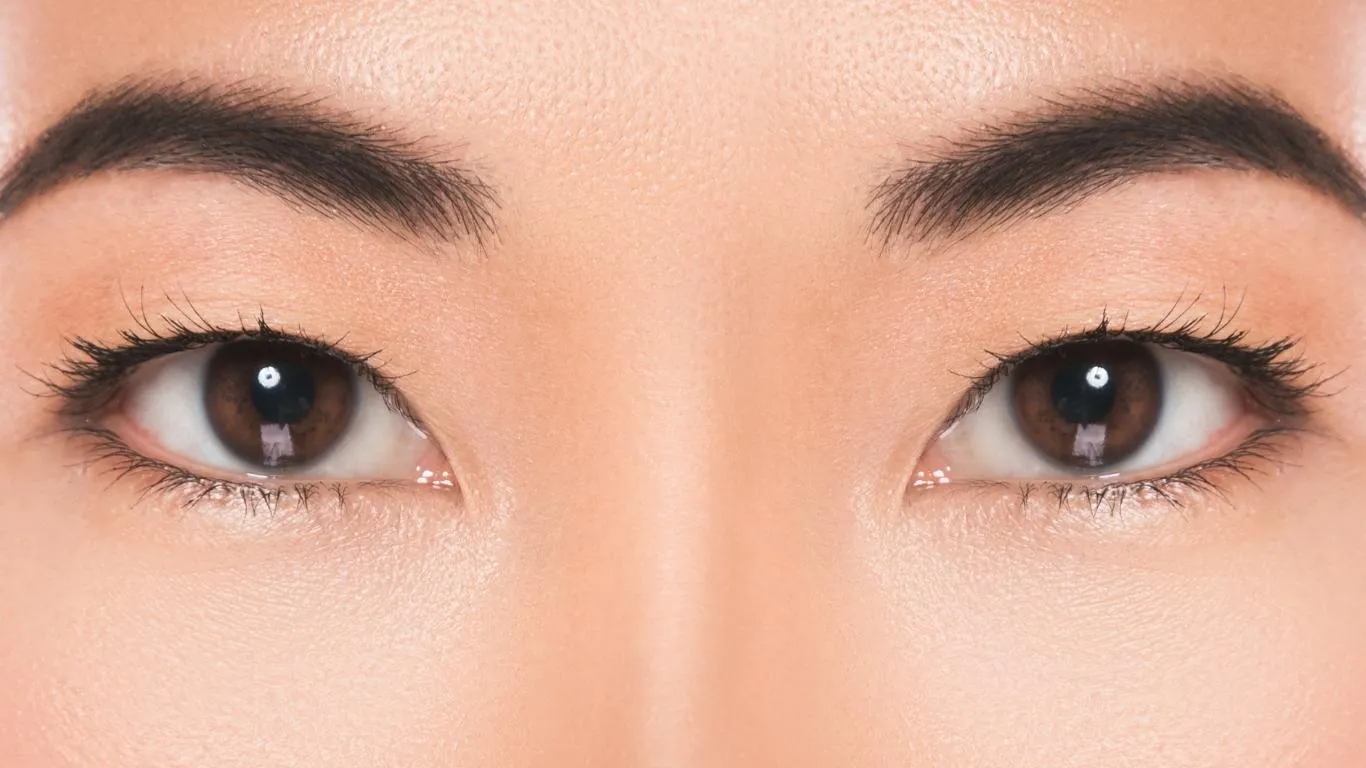
When mine became persistent, I started tracking them—literally. I kept a simple note on my phone, logging when I saw floaters and under what lighting. I also adjusted my screen settings to reduce glare, took regular screen breaks, and started blinking more deliberately. Sounds silly, but it helps.
I also got a second opinion. My eye doctor ruled out retinal issues, and my psychiatrist reviewed my medication history. We eventually adjusted my dosage slightly, and while the floaters didn’t vanish completely, they became way less noticeable.
Natural Remedies That Might Help
- Hydration: Seriously, don’t underestimate water. Dehydration worsens floaters.
- Diet: Omega-3s and antioxidants might help your eye health. Check this list of lutein-rich foods.
- Lighting: Bright, indirect lighting made mine less distracting during work hours.
Why dehydration may worsen floaters
When to Be Concerned
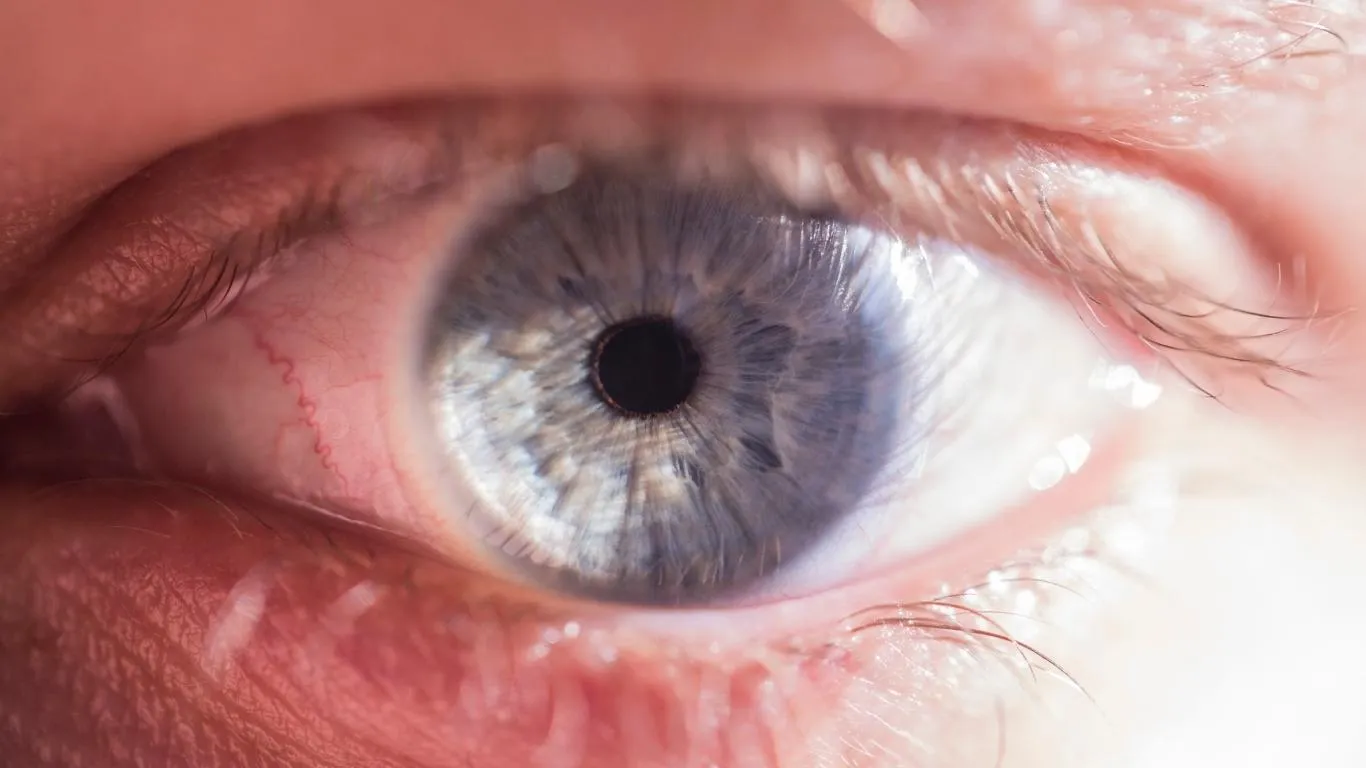
Floaters that suddenly increase, come with flashing lights, or affect your peripheral vision? That’s not something to mess around with. You could be looking at a retinal tear, detachment, or something more serious. I learned that the hard way after brushing off symptoms I thought were just side effects.
If this sounds familiar, check out this guide to floaters before retinal tears. It lays out what to look for and when to act fast.
For a broader understanding of how floaters fit into overall eye health, explore the eye floater treatment guide and the complete main pillar article on floaters.
And if you’re wondering about the bigger picture—including when these floaters are just annoying or actually dangerous—this article breaks it down clearly.
So, What Should You Do If Floaters Appear After Starting Antidepressants?
If you’ve noticed floaters after starting or switching antidepressants, the first step is pretty straightforward: don’t panic. I know it can feel unsettling—I’ve been there. But stressing out over them usually makes them even more noticeable. What worked for me was taking action early, not waiting months hoping they’d fade.
Start by documenting your symptoms. Note when the floaters started, how often they appear, and under what conditions (like bright sunlight or screen use). Bring that to your next appointment—whether with your eye doctor or prescribing psychiatrist.
Get a Full Eye Exam—Seriously
This one’s not optional. Floaters might seem minor, but they can sometimes point to retinal damage, especially if paired with flashes of light or shadowy areas in your peripheral vision. Schedule a dilated eye exam, not just a basic vision check. My ophthalmologist spotted early signs of posterior vitreous detachment, something I wouldn’t have known if I’d skipped the appointment.
Learn about posterior vitreous detachment and floaters
Talk With Your Prescribing Doctor
Don’t just stop your meds cold turkey. I get it—if you suspect your medication is behind the floaters, your first instinct might be to quit it. But antidepressants affect more than just mood; sudden withdrawal can lead to some intense side effects. Talk with your doctor about your options. There may be an alternative with a lower risk of visual side effects—or you may decide to stay on your current med and manage the floaters instead.
Can Floaters from Antidepressants Fade Over Time?
Short answer? Sometimes, yes. My floaters became less prominent after a few months. That doesn’t mean they disappeared—but my brain learned to tune them out. This is a real phenomenon called neuroadaptation. Basically, your mind stops “noticing” the floaters as much, especially if they stay the same shape and size over time.
When They Don’t Go Away
If the floaters persist—or worse, increase—you’ll want to rule out complications. Check for other possible causes like:
- Chronic eye inflammation (see how inflammation triggers floaters)
- Vitreous hemorrhage
- Autoimmune conditions
- Screen-time-related eye fatigue
I remember learning about the effects of excessive screen time on floaters and being shocked at how much of a difference proper lighting and breaks could make.
Supplements and Lifestyle Tweaks That Can Help
While there’s no magical pill that makes floaters vanish, I’ve tried a few changes that genuinely helped me manage them better:
- Omega-3 Fatty Acids: Known to support overall eye health.
- Vitamin C and E: These antioxidants may help prevent oxidative damage inside the eye.
- Magnesium: Some folks say it reduces light sensitivity and visual noise. Here’s why magnesium matters
- Staying hydrated: Floaters seem more visible when you’re dehydrated.
Just be careful about self-medicating. Check with your doctor before adding new supplements, especially if you’re already on prescription medications.
Try Eye-Friendly Habits
- Use computer glasses if you’re in front of a screen most of the day
- Follow the 20-20-20 rule to reduce strain (every 20 minutes, look 20 feet away for 20 seconds)
- Avoid rubbing your eyes—it might worsen vitreous issues
- Wear sunglasses outdoors to cut glare and contrast that make floaters pop out
How eye strain makes floaters worse—and how to ease it
Could Your Eyes Be Warning You About Something Bigger?
Sometimes, floaters are more than just annoying spots. They can be early signs of other conditions, especially if you’re taking meds that affect your central nervous system. For example, in rare cases, autoimmune issues or inflammation triggered by medications can affect your retina or optic nerve. That’s why it’s critical not to ignore them—even if your psychiatrist or GP brushes them off.
Some people also notice floaters after other health complications like diabetic retinopathy or blood pressure issues. If you’re on meds that affect systemic health, it all connects.
Screening for Underlying Conditions
If your floaters persist or get worse, consider asking your doctor about a full metabolic panel, autoimmune markers, and even imaging. It may feel like overkill, but catching something early is always better than waiting.
When You Should Seek Immediate Help
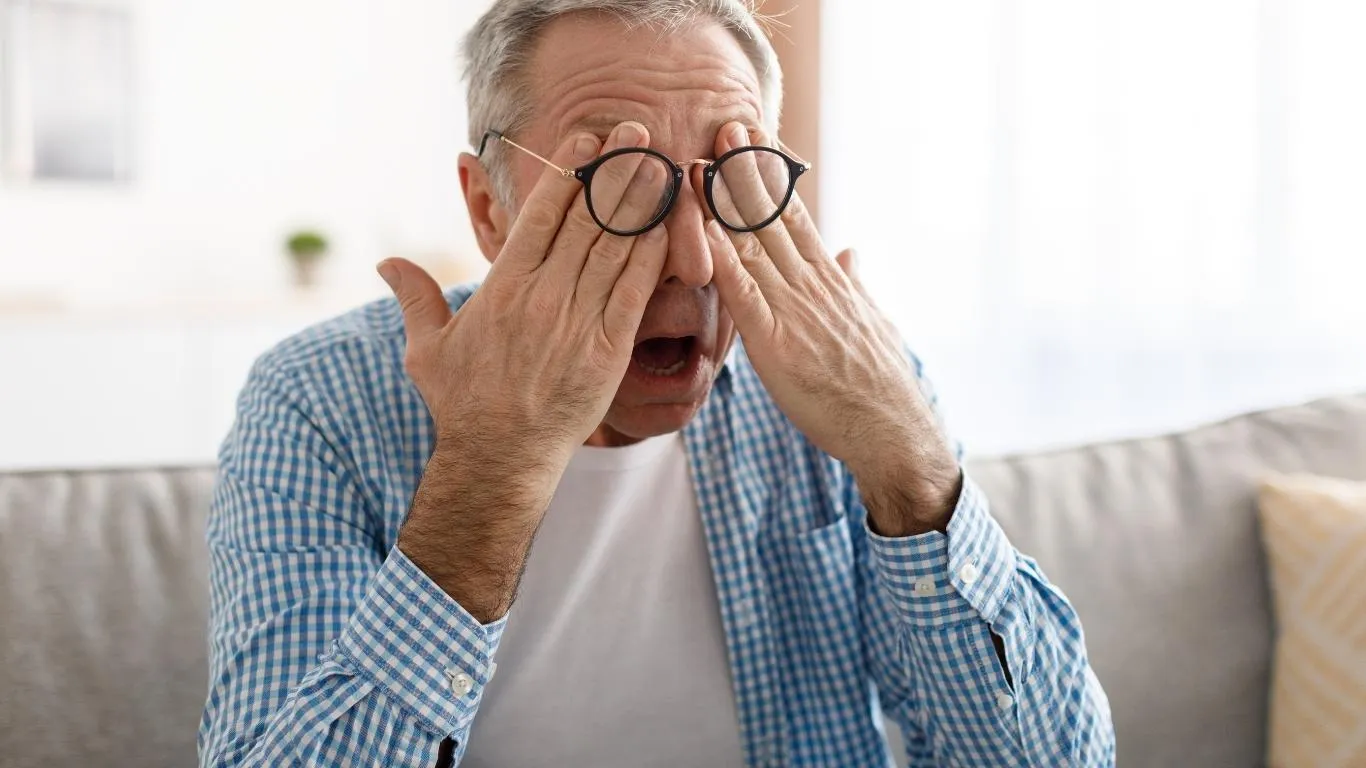
Let’s get real: some floaters are just floaters. But others? Not so innocent. If you notice any of the following, don’t wait:
- Sudden burst of floaters out of nowhere
- Flashing lights, even with eyes closed
- Dark curtain across part of your vision
- Floaters + eye pain or pressure
These symptoms could signal a retinal tear or detachment, and those are time-sensitive issues. I can’t stress this enough: get them checked fast. A good starting point is this guide on floaters after eye trauma.
To explore your options for long-term treatment, including when surgery is considered, check out the detailed breakdown in this treatment guide.
And for a complete understanding of floaters—their causes, treatments, and risks—don’t miss the full pillar article here.

Camellia Wulansari is a dedicated Medical Assistant at a local clinic and a passionate health writer at Healthusias.com. With years of hands-on experience in patient care and a deep interest in preventive medicine, she bridges the gap between clinical knowledge and accessible health information. Camellia specializes in writing about digestive health, chronic conditions like GERD and hypertension, respiratory issues, and autoimmune diseases, aiming to empower readers with practical, easy-to-understand insights. When she’s not assisting patients or writing, you’ll find her enjoying quiet mornings with coffee and a medical journal in hand—or jamming to her favorite metal band, Lamb of God.