Why Floaters While Driving Under Tree Shade Might Be Dangerous
You ever be out driving on a bright day—music up, windows cracked—and suddenly, you’re swerving your eyes more than your car? I’ve had those moments where I’m under a stretch of tree shade, and boom, there they are. Little squiggly things floating across my line of vision. Annoying? Totally. Distracting? Even worse when the lighting flips between sun and shadow like a strobe light. I used to think it was just me being tired or maybe my glasses were dirty. Turns out, there’s more going on with these eye floaters, especially when you’re behind the wheel.
Why Do Floaters Show Up More Under Tree Shade?
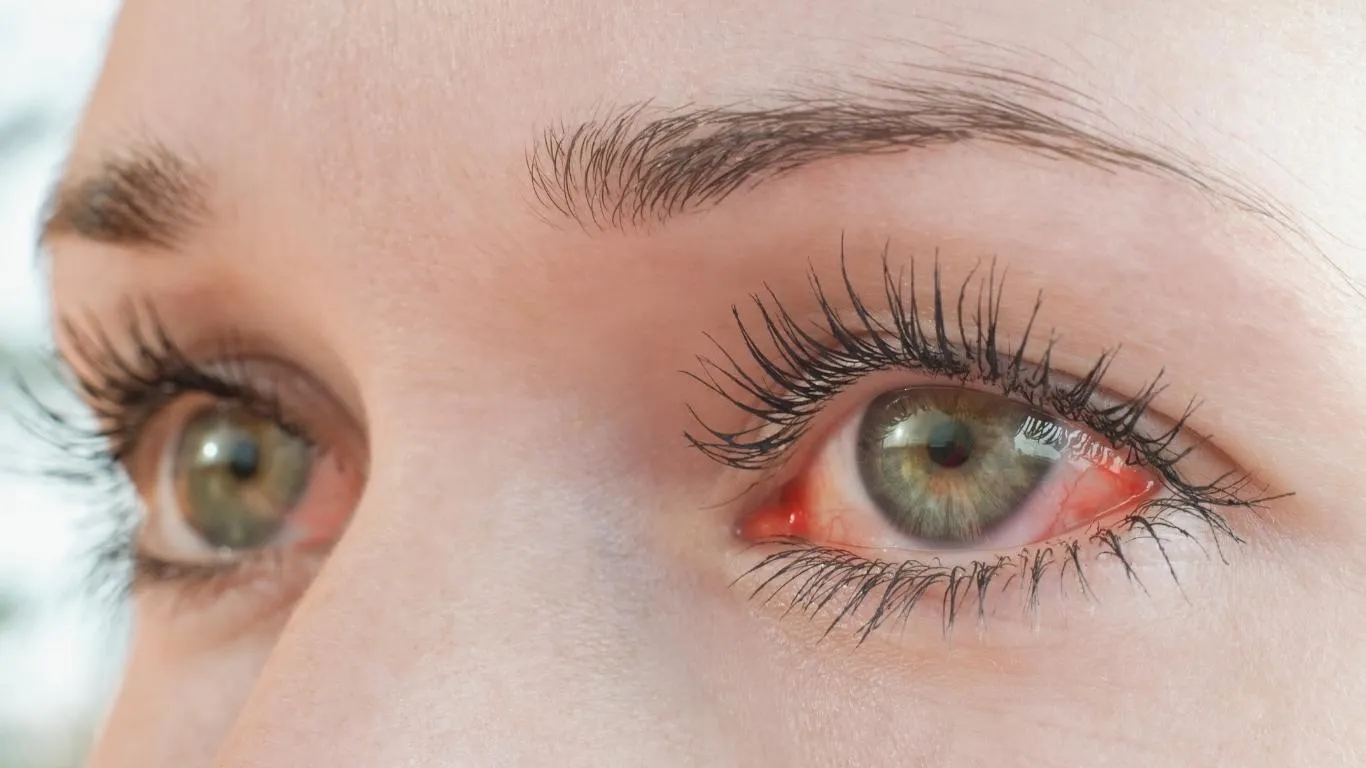
The shifting contrast between sunlight and shade messes with how floaters appear. When light levels change fast—like passing under trees—the shadows make those translucent floaters stand out more sharply against your vision. It’s not your imagination. Your eyes are adjusting constantly, and the vitreous (the gel inside your eye) isn’t smooth. Any tiny debris or clumps in there? They catch the light weirdly, and bam—suddenly you’re seeing dancing blobs or threads.
Lighting Contrast Is the Real Culprit
Our eyes love consistency. They perform best under even lighting. But when you drive through dappled light, your pupils dilate and contract rapidly. That fluctuation causes floaters to “jump out” more. What’s wild is that they may not even move more than usual—they just become more noticeable.
And for me, once I noticed them, I couldn’t unsee them. I’d blink, squint, even try not to focus, hoping they’d just drift away. Spoiler: they didn’t.
Are Floaters Dangerous While Driving?
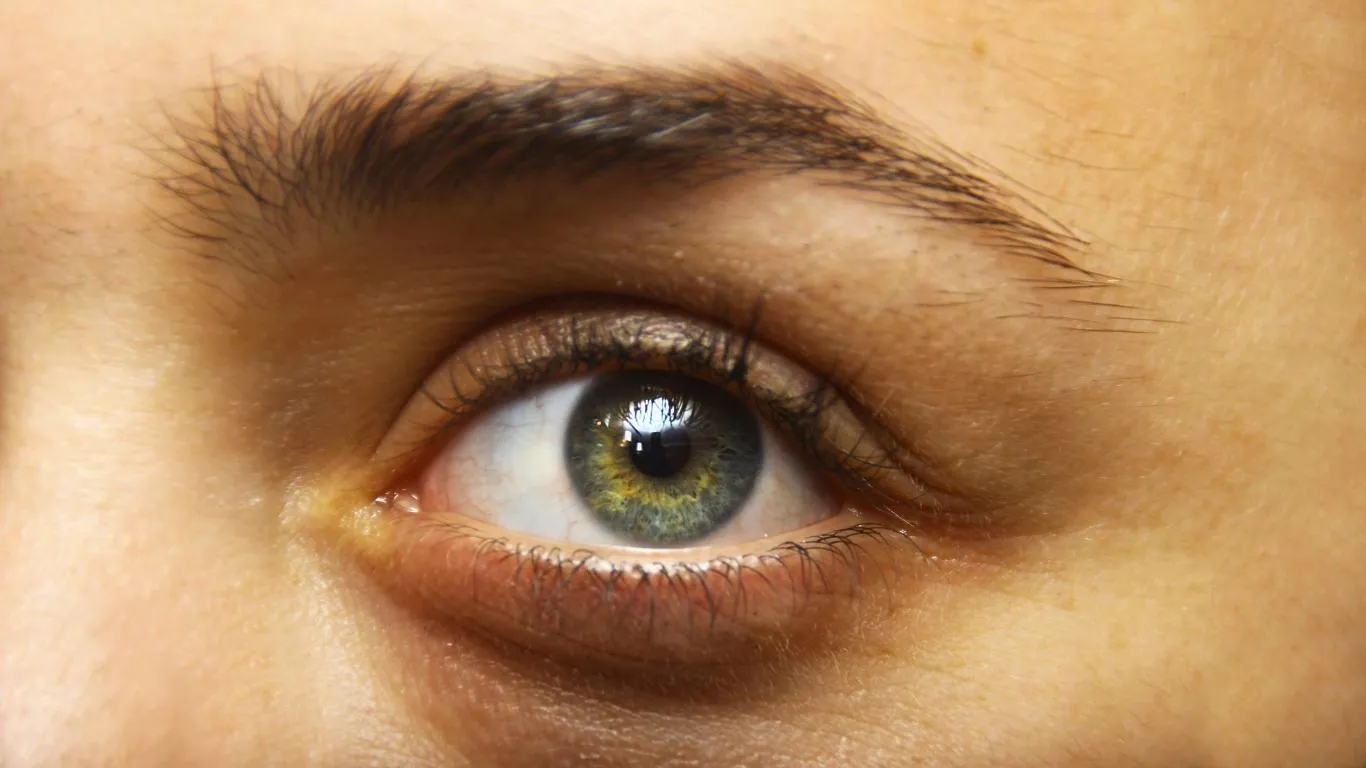
For the most part, no—they’re not inherently dangerous. Floaters are usually harmless and part of normal aging. But that doesn’t mean they can’t become a hazard. If you’re fixating on them, your attention is not fully on the road. That’s especially risky in stop-and-go traffic or curvy roads shaded by thick foliage.
I had a close call on a rural drive when I mistook a larger floater for movement on the road. I tapped the brakes instinctively. Lucky there was no one behind me.
When They Could Be a Sign of Trouble
Sometimes floaters appear suddenly or come with flashes of light. If that happens while driving or anytime really—pull over and get it checked out. According to American Academy of Ophthalmology, a sudden shower of floaters may signal a retinal tear or detachment. That’s urgent. Don’t wait.
One red flag to note: if your floaters are paired with peripheral vision loss or a gray “curtain” effect, stop driving immediately and call your eye doctor.
Why Floaters Look Worse Behind the Wheel
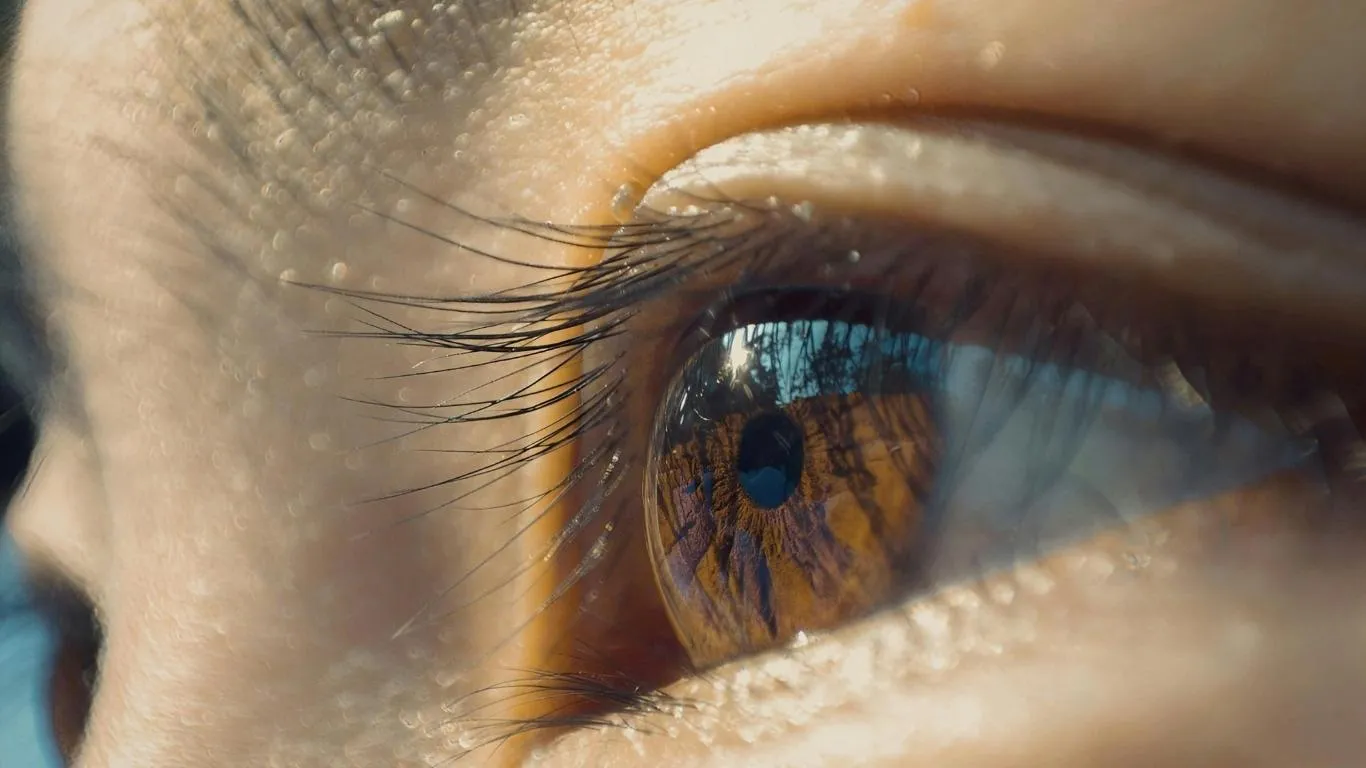
This isn’t just your imagination. It’s actually a mix of science and perception. In bright conditions, floaters are easier to ignore. But in shade or inconsistent lighting, they pop up like unwelcome guests.
- Windshield magnification: The curved surface of your car’s windshield can play visual tricks, especially with glare and reflections.
- Focused gaze: While driving, your eyes are locked forward, which means floaters have a stable background to “float” across—making them more obvious.
- Fatigue factor: If your eyes are tired or dry, the gel inside them becomes less stable, enhancing floater visibility.
Floaters are more noticeable under the same conditions where your eyes are most strained. No coincidence.
What Helped Me Stop Obsessing Over Floaters on the Road
I’m not gonna lie—I went through a phase where I thought I was going blind. The anxiety was real. But I picked up a few hacks along the way that helped me:
- Polarized sunglasses: Total game changer. They cut down on the harsh light contrast and made the floaters less intense.
- Keeping my eyes moving: Instead of staring straight ahead, I’d glance left and right at times to disrupt my focus and break the floater obsession loop.
- Hydration + eye drops: Dry eyes can make floaters feel worse. Staying hydrated made more of a difference than I expected.
And when I really got curious, I found out floaters can even get worse with dehydration. There’s a whole article that breaks it down here: Does Dehydration Make Eye Floaters Worse?
Could These Floaters Be Tied to Something Else?
Sometimes floaters are just floaters. But I’ve learned through experience (and a few eye appointments) that floaters under specific conditions could be linked to something more.
If your floaters tend to appear in the shade but not in bright light—or they change shape dramatically—it might be worth exploring possible causes like:
It’s not about jumping to conclusions, but connecting patterns. If you find your floaters flare up every time you pass under tree-lined roads—or even when switching light environments—this guide on when floaters may be a warning sign helped me a lot.
Want a complete look at what actually causes these things? I’d suggest checking this one out: Common Causes of Eye Floaters. And if you want the full picture—causes, symptoms, and treatments—the best place to start is the main eye floaters guide here.
When Floaters Start Impacting Driving Confidence
I’ll be honest—there was a point where I avoided certain roads altogether. Especially the ones with big oak canopies overhead. The floaters didn’t just annoy me—they made me second-guess what I was seeing. Pothole or shadow? Debris or floater? It messes with your driving confidence when your eyes start playing tricks on you.
This is where the mental aspect comes in. Floaters don’t just affect vision—they affect how you feel about your vision. It’s subtle but real. According to clinical studies, persistent floaters can increase stress and reduce quality of life, especially in sensitive individuals or those prone to health anxiety.
The Vision-Anxiety Feedback Loop
Here’s how it goes: you spot a floater → you focus on it → it becomes more noticeable → anxiety spikes → now you can’t unsee it. That feedback loop is exhausting. I’ve had days where I finished a short drive mentally fried—not because of traffic, but because I spent the whole ride trying to ignore my own eyes.
There’s actually a name for this mental drain. It’s discussed in this deep-dive: How Persistent Floaters Can Quietly Damage Your Mental Health.
Managing Floaters When You Can’t Avoid Driving
Unless you’ve got a chauffeur on standby, driving is unavoidable for most of us. So, it becomes about managing floaters—not eliminating them.
- Use your sun visor strategically: I angle mine slightly lower when I’m heading into tree-covered areas. It cuts glare and softens the contrast.
- Avoid looking into dappled patterns: Instead of watching the flickering light pass across the windshield, I shift my gaze slightly off-center to reduce distraction.
- Rest your eyes more often: After long drives, I give my eyes a break with a warm compress or just closing them for 5–10 minutes. It reduces floaters for the next trip.
These little adjustments made more difference than I expected. It’s not about curing the floaters. It’s about reducing how much of your brain space they take up.
Could Floaters Be Tied to Something Deeper?
If your floaters are more than just occasional annoyances—especially if they only show up under tree shade or odd lighting conditions—it might be worth digging deeper. I’m not saying panic. But awareness? Definitely.
- Intense coughing or sneezing can sometimes trigger new floaters due to pressure spikes.
- Elevated blood pressure can subtly impact eye health and bring floaters into play.
- Whiplash or minor neck injuries may even contribute to floater activity due to vitreous shifts.
One of the more surprising things I stumbled on? How stress itself can make floaters worse. There’s a gut-eye connection, and stress triggers visual sensitivity. Makes sense, right? When you’re stressed, you notice everything more intensely.
When You Should Actually See a Specialist

Here’s the deal: most floaters are benign. But if you experience any of the following, don’t play the waiting game:
- A sudden increase in floaters—like a storm of them
- Flashes of light (like camera flashes in the corner of your vision)
- Dark shadows or a gray curtain effect in your peripheral vision
- Loss of clarity or distorted central vision
These symptoms could indicate a retinal tear or detachment. That’s serious. If it happens while driving, pull over and call your eye doctor immediately.
The condition called Posterior Vitreous Detachment is one of the most common culprits. It’s often benign but should still be monitored.
What Specialists Might Recommend (and What Worked for Me)
If your floaters are interfering with your quality of life—or your driving—the options range from conservative to surgical. I personally leaned toward natural management, but here’s what came up during my consultations:
- Observation: Most ophthalmologists will suggest a watch-and-wait approach. Floaters often settle or become less noticeable.
- Vitrectomy: A surgical option where the vitreous is removed. It’s invasive and comes with risks. I passed.
- Laser vitreolysis: Newer and less invasive. A laser breaks up large floaters. It’s not widely available but might be worth asking about.
I also explored alternatives like dietary support. Articles like this one on collagen supplements were helpful. The idea is to nourish the vitreous gel from the inside out. Some people swear by it. Personally, I noticed fewer floaters when I consistently took omega-3 and lutein-rich foods. Could be coincidence—but I’m not complaining.
So… Are Floaters Under Tree Shade Just a Nuisance?
Honestly? Most of the time, yes. But when that nuisance starts stealing your focus from the road, it becomes a bigger issue. I learned to adapt—not ignore them, but outsmart them. And most importantly, I stopped assuming something was seriously wrong every time one floated into view.
If you’re in the same boat, give yourself some grace. Be proactive. Get checked out if things shift quickly, but don’t panic over every dot or strand that floats past your line of sight. You’re not alone. And you’re not crazy.
Want a deeper understanding of where floaters come from and what’s legit dangerous? Here’s a great full guide I recommend: Eye Floater Treatments: From Observation to Surgery.
And if you missed it earlier, the main eye floater guide is still the best place to get grounded in everything you need to know.

Camellia Wulansari is a dedicated Medical Assistant at a local clinic and a passionate health writer at Healthusias.com. With years of hands-on experience in patient care and a deep interest in preventive medicine, she bridges the gap between clinical knowledge and accessible health information. Camellia specializes in writing about digestive health, chronic conditions like GERD and hypertension, respiratory issues, and autoimmune diseases, aiming to empower readers with practical, easy-to-understand insights. When she’s not assisting patients or writing, you’ll find her enjoying quiet mornings with coffee and a medical journal in hand—or jamming to her favorite metal band, Lamb of God.