Why Floaters That Worsen After Crying May Signal Eye Strain
I’ll be honest — I never thought I’d be someone who notices the tiniest changes in my vision. But the moment I broke down crying during a stressful week and found myself seeing strange, floating shapes in my vision the next morning, I realized something was up. These weren’t the usual tired-eye symptoms. They were floaters — and oddly enough, they got worse right after crying. If you’ve ever experienced this strange combo, you’re not alone. Let’s dive into what might really be going on when floaters seem to worsen after tears start flowing.
What Are Floaters, and Why Do They Appear?
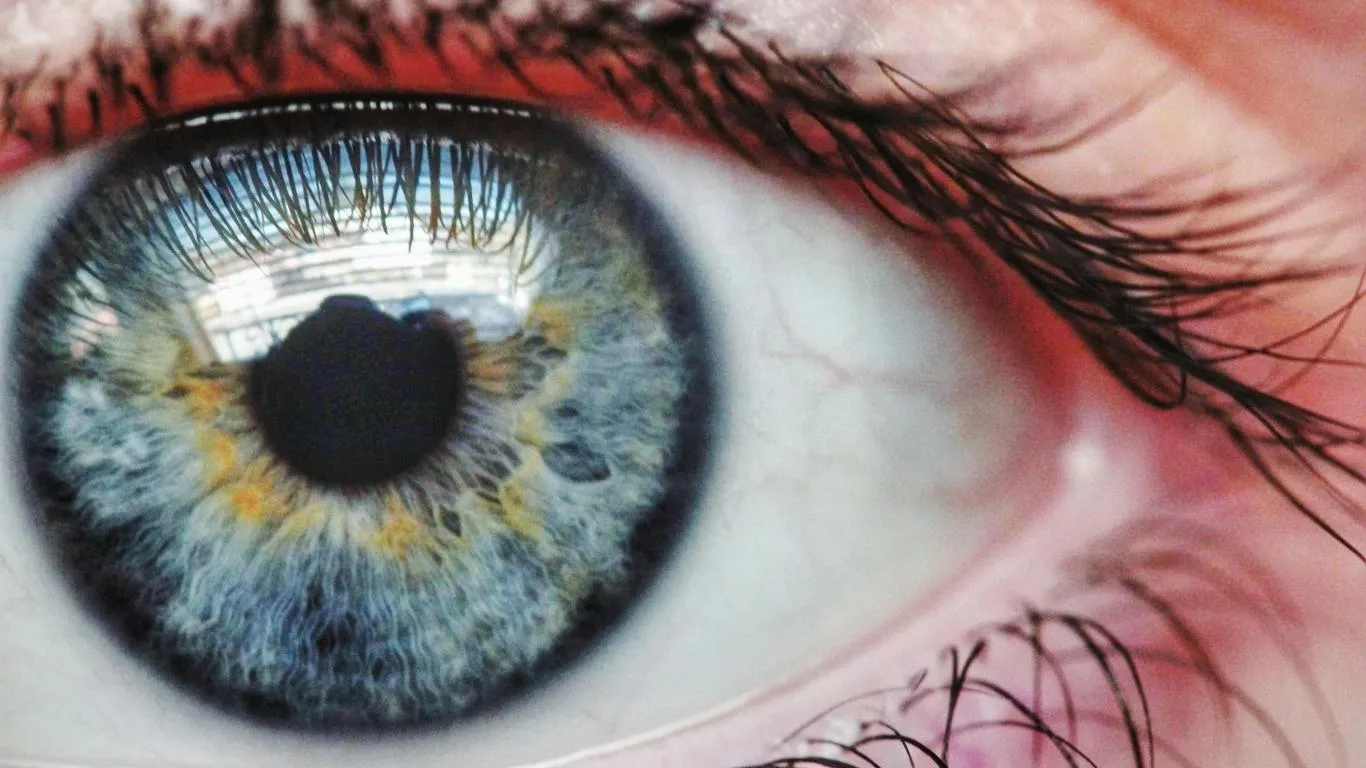
Floaters are those odd specks, strands, or cobweb-like structures drifting across your vision. They’re especially noticeable when you’re staring at a blank wall or the sky. Floaters are actually tiny clumps or fibers within the vitreous humor — the gel-like substance inside your eyeball. As we age or encounter certain triggers, that gel starts to liquefy and pull away from the retina, leading to those annoying shadowy shapes.
But here’s the kicker: emotional stress, crying, and even physical changes in the body can make them more noticeable — or worse, more frequent.
Why Floaters Seem Worse After Crying
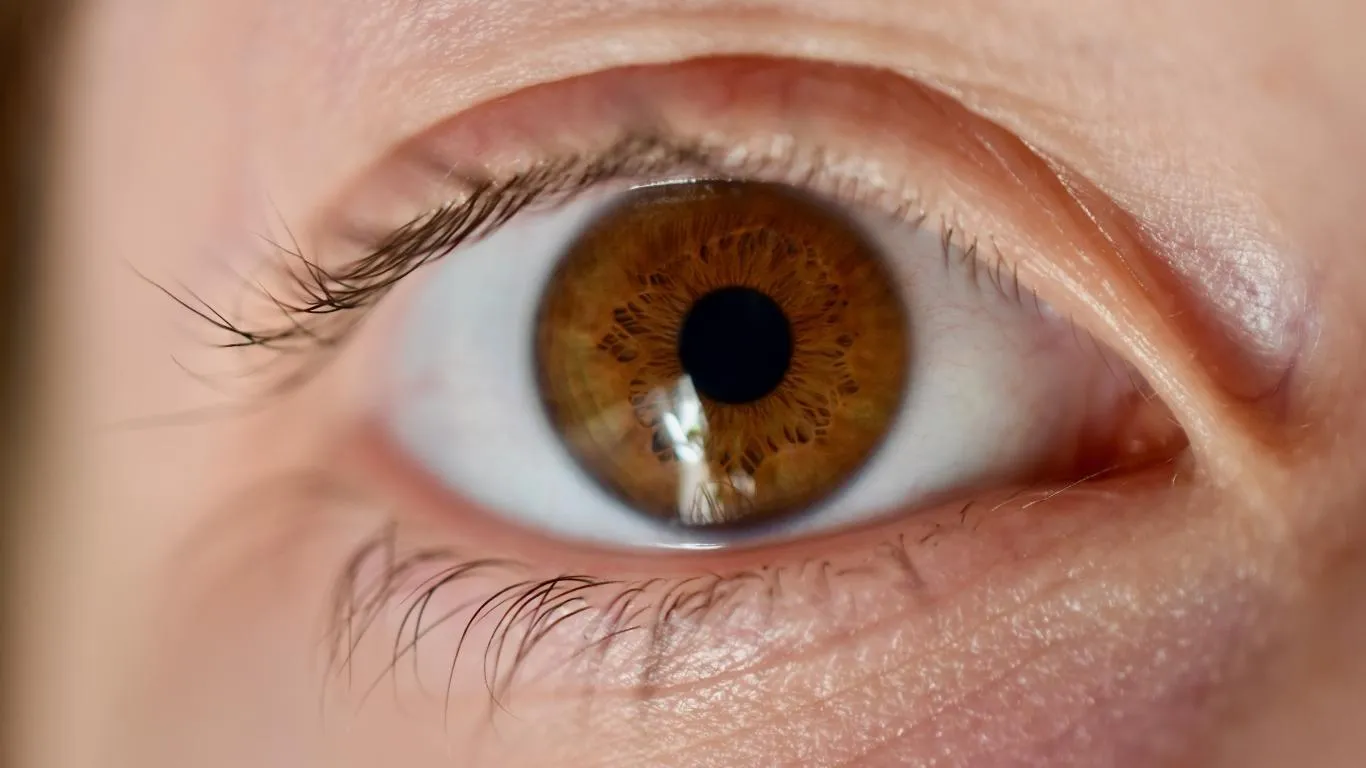
If you’ve ever noticed floaters becoming more prominent after crying, there’s a mix of science and anecdotal experience behind it. Here’s what might be happening:
1. Tear Composition and Eye Surface Distortion
Tears aren’t just salty water. They contain oils, mucus, and antibodies. When you’re sobbing, your tear production skyrockets, and this can momentarily affect the way light enters your eye — especially if you’ve been rubbing them. This makes floaters seem bolder or more defined.
2. Vitreous Movement
Crying often involves squeezing your eyes shut and rubbing them — a habit I’m definitely guilty of. That physical pressure can disturb the vitreous humor inside your eye. When that gel shifts or moves more rapidly, it can bring dormant floaters into your line of sight or even create new ones. And yeah, it’s as annoying as it sounds.
3. Inflammation and Eye Strain
After a good cry, your eyes are likely puffy, irritated, and red. That inflammation can create a temporary increase in visual sensitivity. You’re more likely to notice floaters simply because your eyes are on high alert. For some, crying also leads to temporary spikes in intraocular pressure — another floater magnifier.
4. Stress-Related Vitreous Changes
Crying is an emotional release, and the stress that causes it can have long-term effects on eye health. There’s growing evidence that chronic stress may contribute to accelerated vitreous degeneration. In fact, a detailed piece on floaters after emotional trauma explains how psychological factors can tie into these visual disruptions.
Who’s Most at Risk of Crying-Triggered Floaters?
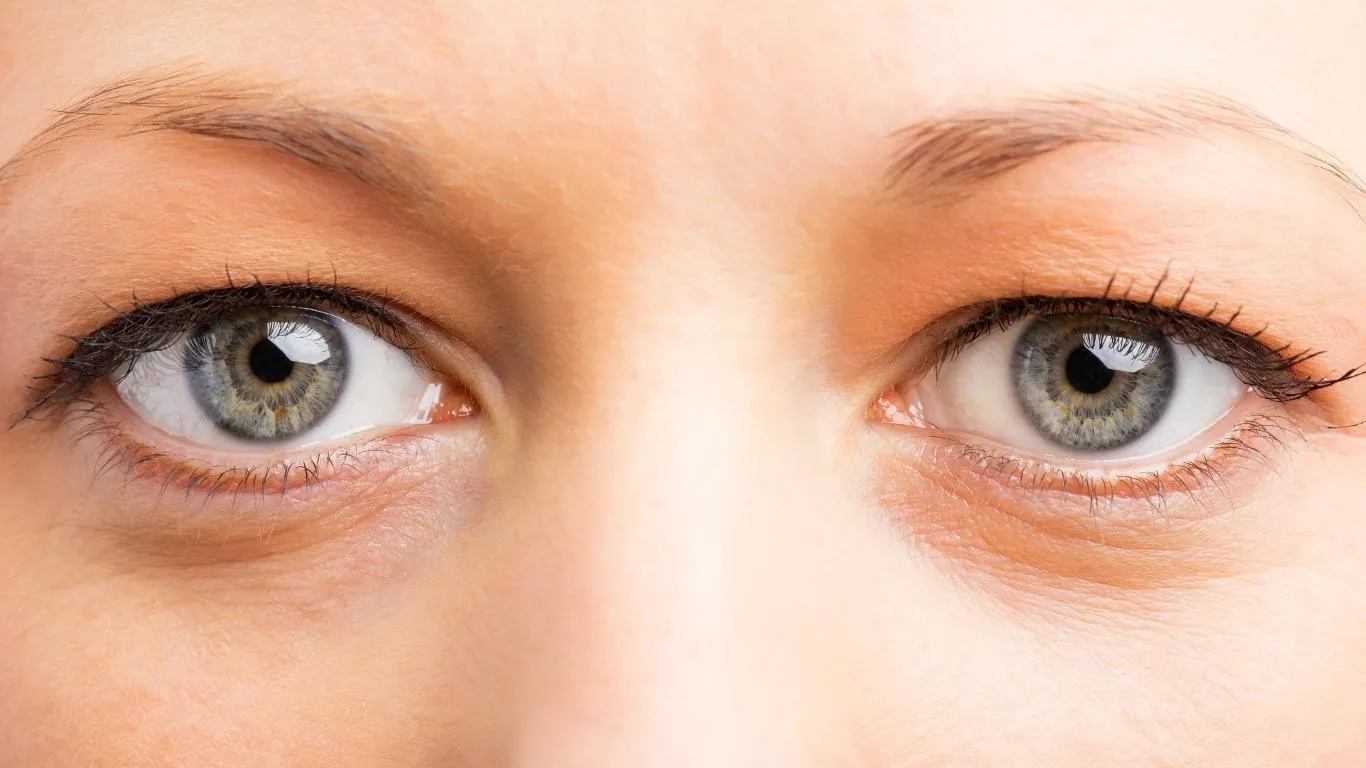
- People with high myopia (nearsightedness) — like myself, unfortunately. The longer the eyeball, the more strain the vitreous undergoes.
- Those with existing vitreous detachment or early signs of it.
- Post-surgery patients, especially those who’ve had cataract or LASIK surgery. Learn more from this in-depth LASIK-related floater article.
- Anyone dealing with chronic stress, anxiety, or sleep deprivation.
It’s also worth noting that pregnancy and hormonal fluctuations can affect floater frequency — more about that on this pregnancy-focused floater article.
Should You Be Worried?
Seeing floaters after crying isn’t necessarily dangerous. But if you notice a sudden increase, flashes of light, or partial vision loss, it’s time to stop Googling and call your eye doctor. These could be symptoms of a more serious condition like a retinal tear or detachment.
I found peace of mind after reading through this detailed breakdown on warning signs — it really helped me understand when floaters are just annoying and when they’re an emergency.
Ways to Ease Floaters When Crying Makes Them Worse
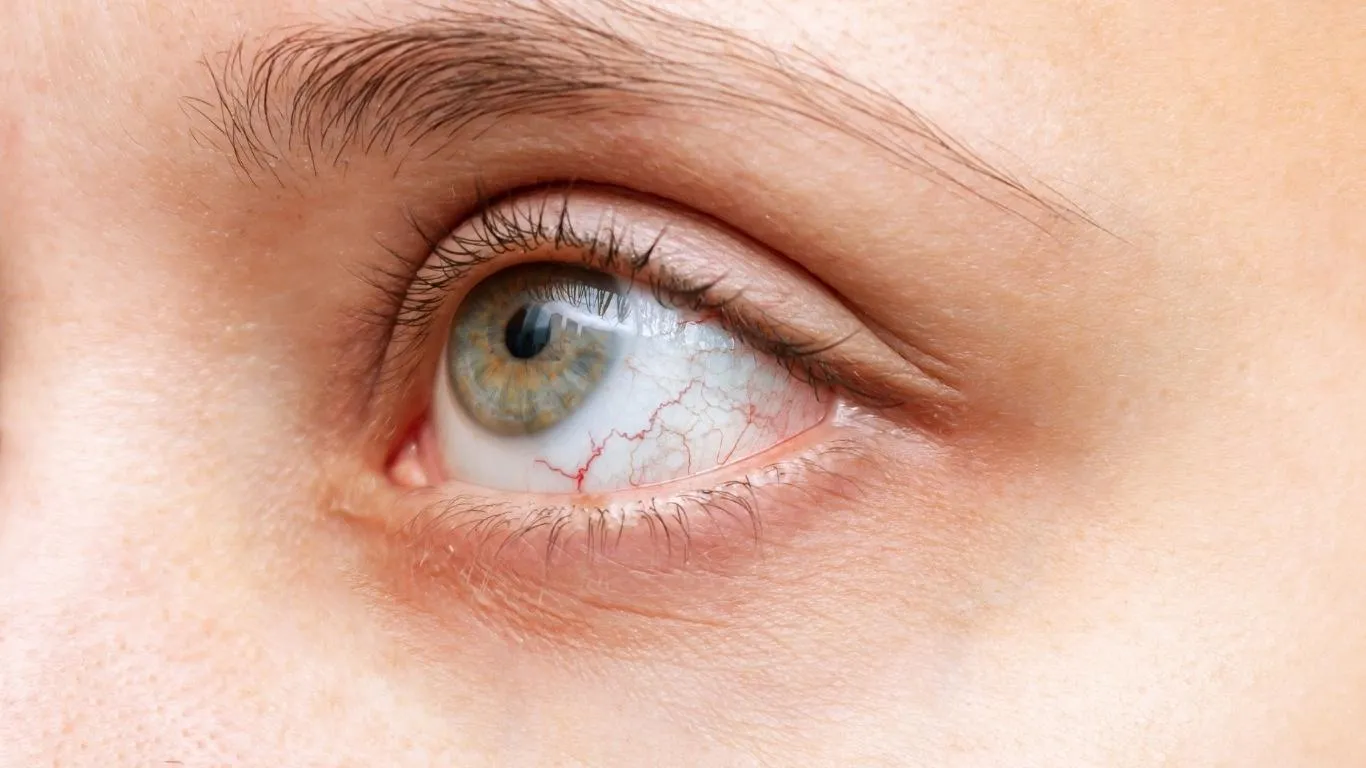
- Stop rubbing your eyes — seriously, I had to train myself out of it. It only makes things worse.
- Cold compress to reduce inflammation post-crying.
- Look side to side slowly; this can help floaters move out of central vision temporarily.
- Improve your sleep. A solid 7–8 hours can reduce floater intensity, as highlighted in this article about sleep and floaters.
- Lower your stress baseline. Floaters tend to thrive when your nervous system is maxed out.
There’s also a growing list of natural management techniques that people swear by, from nutrition tweaks to specific eye movements. Some are hit or miss, but worth exploring.
For the full context on how floaters work, why they show up, and all the different ways they manifest, the main pillar article here is a fantastic starting point. If you’re looking for more clinical insight and comparisons with similar eye issues, this differentiation guide helps separate harmless floaters from other culprits.
And remember, just because something is common doesn’t mean it has to be brushed off. Floaters may not be dangerous, but they can definitely mess with your quality of life — especially when they sneak up after a good emotional release.
Can Crying Cause Permanent Changes in Your Eye Floaters?
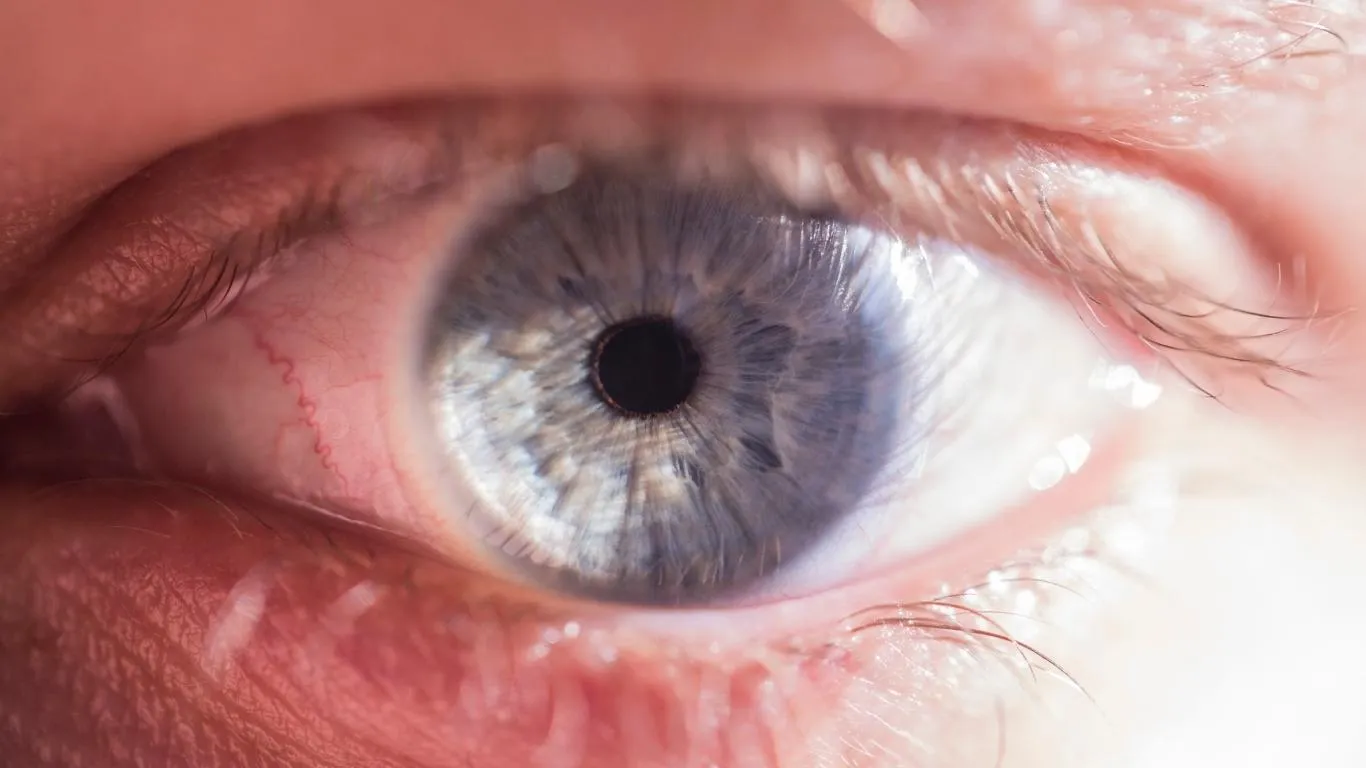
This was the question I couldn’t shake — did crying make my floaters worse for good? Honestly, it haunted me for weeks. And while the answer isn’t black and white, there’s some interesting nuance here.
Short-term visibility of floaters after crying is mostly harmless and temporary. But if you’re already predisposed due to high myopia, age-related vitreous changes, or ocular trauma, those sudden pressure changes or repeated episodes of stress-related crying could accelerate underlying vitreous degeneration.
A key piece of the puzzle is understanding age-related vitreous changes and how fragile the gel inside your eye can be once those changes begin. If you’re seeing more frequent or persistent floaters, crying could be amplifying a process that’s already underway — not starting it from scratch.
Other Underlying Triggers to Watch Out For
Sometimes, crying is just the final straw for floaters that were already lingering under the radar. Here are other culprits worth checking out:
- Dehydration — After a long cry, you’re often dehydrated, especially if you’re not replenishing fluids. And yes, dehydration can absolutely worsen floaters.
- Lack of sleep — Not getting enough rest amps up eye strain and inflammation.
- Hormonal changes — Shifts during menstruation or menopause can exacerbate floaters, which might explain why they hit harder during emotional lows.
- Eye allergies — Crying can mimic allergy symptoms, and vice versa. The histamines can cause inflammation and worsen floaters. Here’s a deep dive on allergy-related floaters.
What I’ve Personally Found That Helps
This isn’t some miracle cure section, but after months of testing small changes, here’s what’s worked for me — and may help you too if crying seems to set off a floater flare-up:
- Hydration rituals: I now keep a water bottle with electrolytes nearby whenever I feel emotionally overwhelmed. Simple, but surprisingly effective.
- Omega-3 supplements: I’ve noticed less eye strain since starting a quality omega-3 regimen, which is echoed in this research-backed floaters article.
- Using cold spoons or compresses: This helps with the puffiness and pressure buildup post-cry.
- Getting outside in natural light: For some reason, floaters feel less noticeable when I’m not under harsh indoor lighting. There’s even a whole breakdown on how lighting affects floaters.
- Learning to blink fully: It sounds silly, but proper blinking hydrates the eye surface and helps reduce perceived floater severity.
When to Get Help (And Not Just Google)
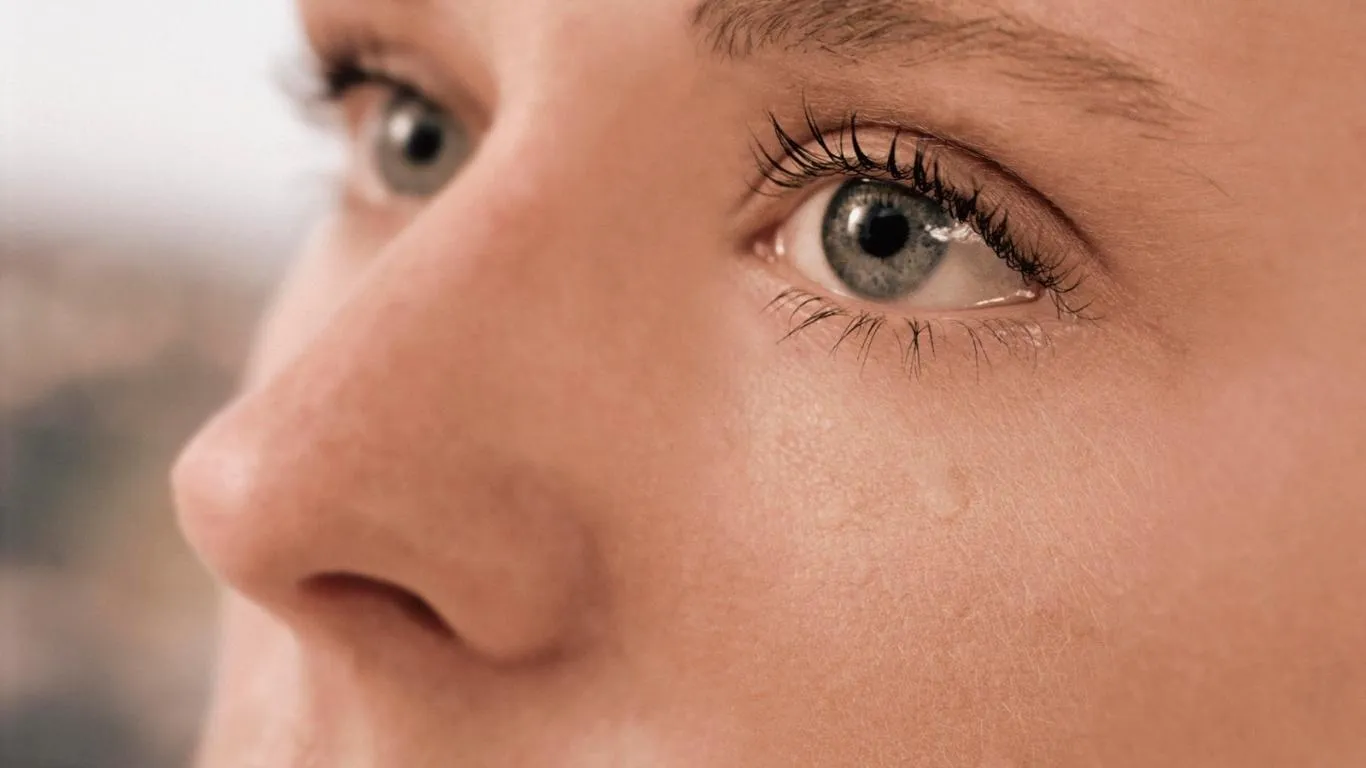
I ignored my worsening floaters for months, brushing them off as “normal.” But the truth is, there’s a line — and when floaters get thicker, more frequent, or paired with peripheral vision disturbances, it’s time for a professional opinion.
Check for symptoms like:
- Sudden storm of floaters, especially after crying or rubbing eyes.
- Flashes of light or a curtain-like shadow across vision.
- Floaters in one eye only (can be a red flag).
This article on retinal tears was a wake-up call for me. Better safe than sorry, right?
Can Lifestyle or Treatment Truly Reduce Floaters?
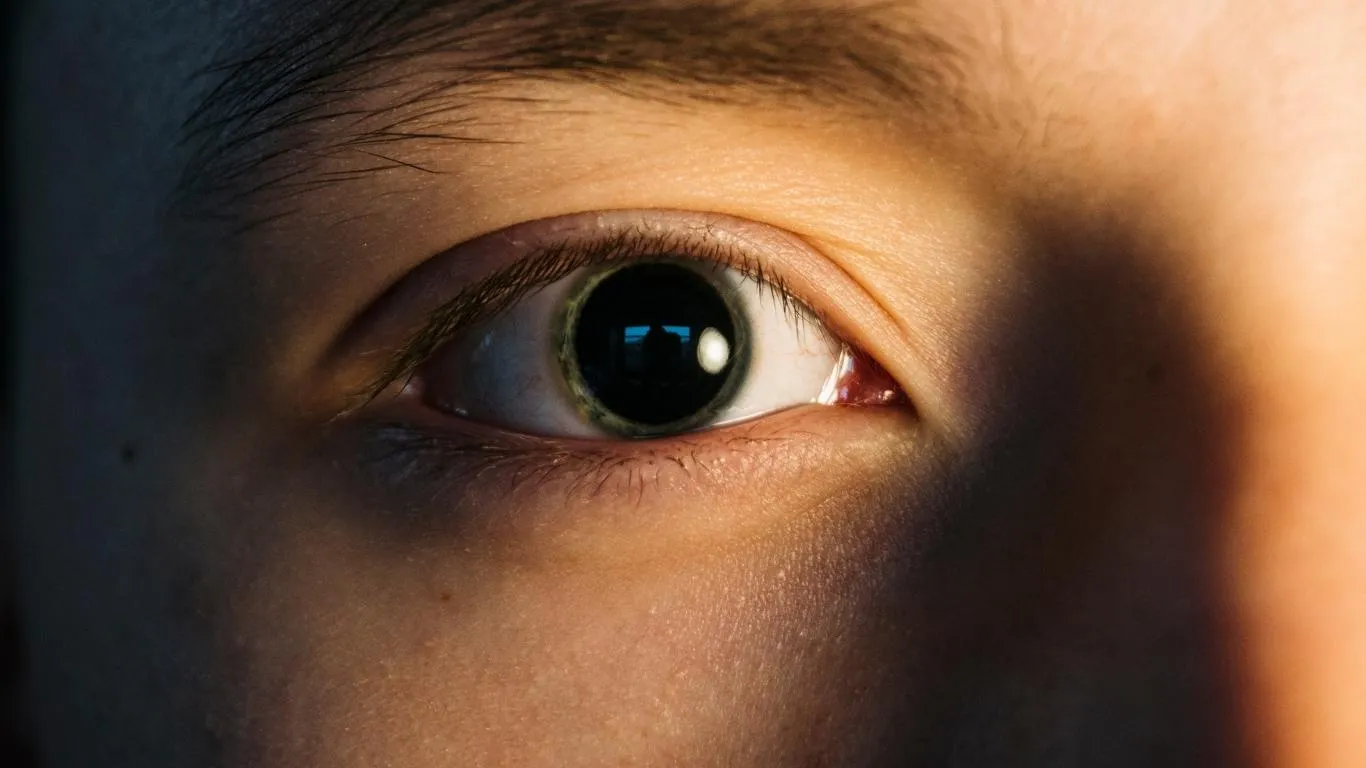
Here’s the tough news — floaters don’t always go away. But they can fade or become less noticeable over time. My own experience supports that. A few months after actively managing stress and changing my habits, the same floaters that once bugged me daily are now barely there.
If you’re struggling, a few resources I recommend looking into include:
- This treatment-focused guide that breaks down everything from observation to laser therapy.
- Clinical research at ncbi.nlm.nih.gov — especially around floaters and anxiety.
- Vitreous health supplement info from aao.org.
Of course, always check with an ophthalmologist before trying anything drastic. What worked for me might not work for you — but it’s definitely worth exploring all safe options.
For a more comprehensive dive into how floaters differ from other eye issues and how to distinguish between them (something I definitely struggled with in the beginning), check out the Eye Floaters vs Other Eye Problems resource. And if you’re looking for the full spectrum of causes, symptoms, and expert recommendations, the main overview article offers a deep, science-backed explanation.

Camellia Wulansari is a dedicated Medical Assistant at a local clinic and a passionate health writer at Healthusias.com. With years of hands-on experience in patient care and a deep interest in preventive medicine, she bridges the gap between clinical knowledge and accessible health information. Camellia specializes in writing about digestive health, chronic conditions like GERD and hypertension, respiratory issues, and autoimmune diseases, aiming to empower readers with practical, easy-to-understand insights. When she’s not assisting patients or writing, you’ll find her enjoying quiet mornings with coffee and a medical journal in hand—or jamming to her favorite metal band, Lamb of God.