Dehydration Headaches Can Trigger Floaters and Disrupt Vision
Okay, so let me tell you something that totally caught me off guard last summer. I was hiking this trail I’ve done like a dozen times before, and halfway through, boom—this nasty headache creeps in. But it wasn’t just the headache. Suddenly, I noticed these weird specks drifting across my vision—like little cobwebs floating around every time I moved my eyes. I had no idea what was happening. Turns out, I was dehydrated, and those floaters were my eyes’ way of throwing up a red flag. Crazy, right?
How Dehydration Can Spark Headaches *and* Eye Floaters
Dehydration isn’t just about dry lips or feeling thirsty. It messes with your whole system—including your brain and your eyes. When you’re running low on fluids, the body shifts into a kind of survival mode. That tension can trigger headaches, and—here’s the kicker—it can mess with your eye’s vitreous humor, too.
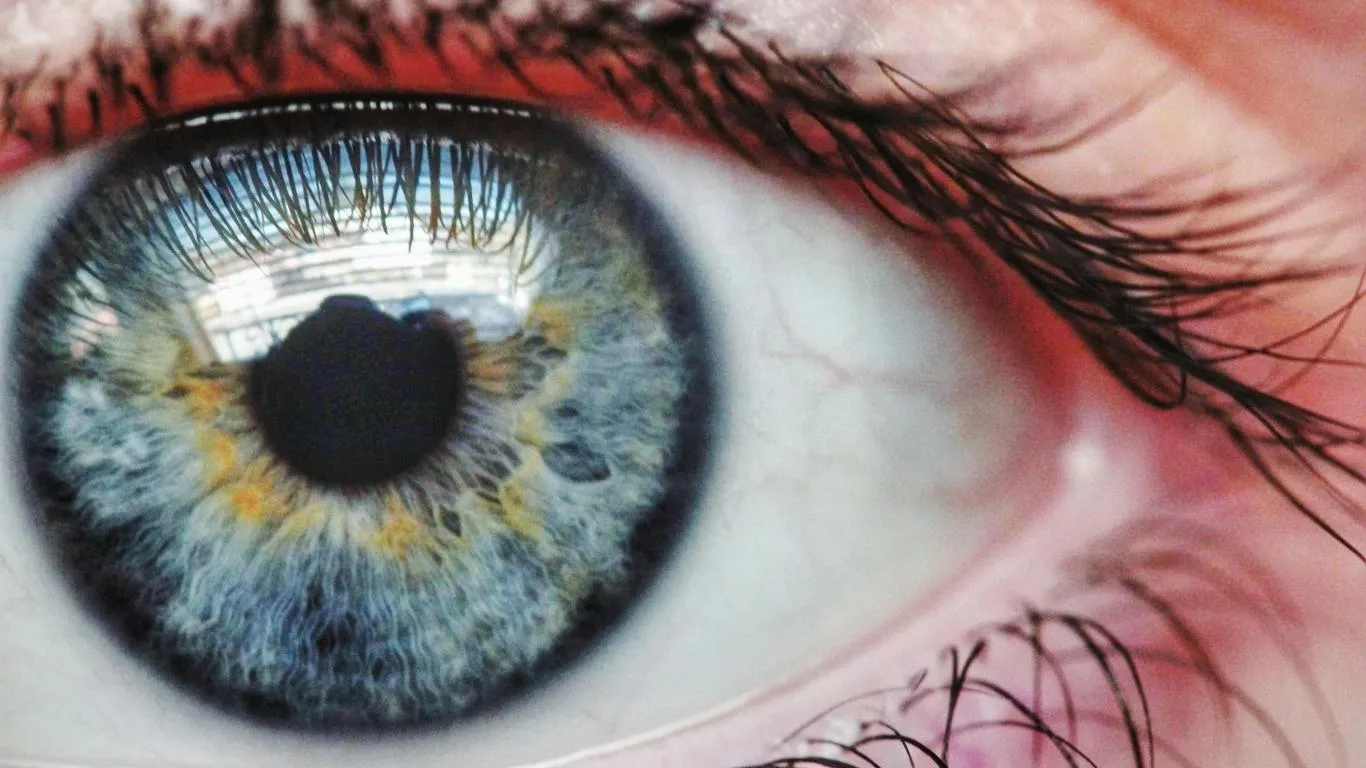
The vitreous is this jelly-like substance that fills up the middle of your eye. When you’re dehydrated, it can shrink or clump, creating those little floaters that seem to drift around aimlessly. Add a headache to the mix, and you’re stuck in a super frustrating loop that’s surprisingly common yet often overlooked.
Spotting the Link: Symptoms You Shouldn’t Ignore
When floaters show up along with a headache, hydration should be the first thing you check. I used to assume it was just stress or screen time, but nope—sometimes it’s as basic as not drinking enough water. Here are some red flags to watch for:
- Floaters that appear suddenly, especially after physical exertion or being out in the heat
- Throbbing or tight-feeling headache that worsens with movement
- Light sensitivity that accompanies both symptoms
- Dark spots or web-like shapes floating in your line of sight
- A general sense of mental fatigue or “foggy brain”
These symptoms can easily be brushed off as stress, but if they hit you together, it’s worth pausing and rehydrating before assuming the worst. And yeah, I learned that the hard way—twice.
Why Floaters Get Worse When You’re Dehydrated
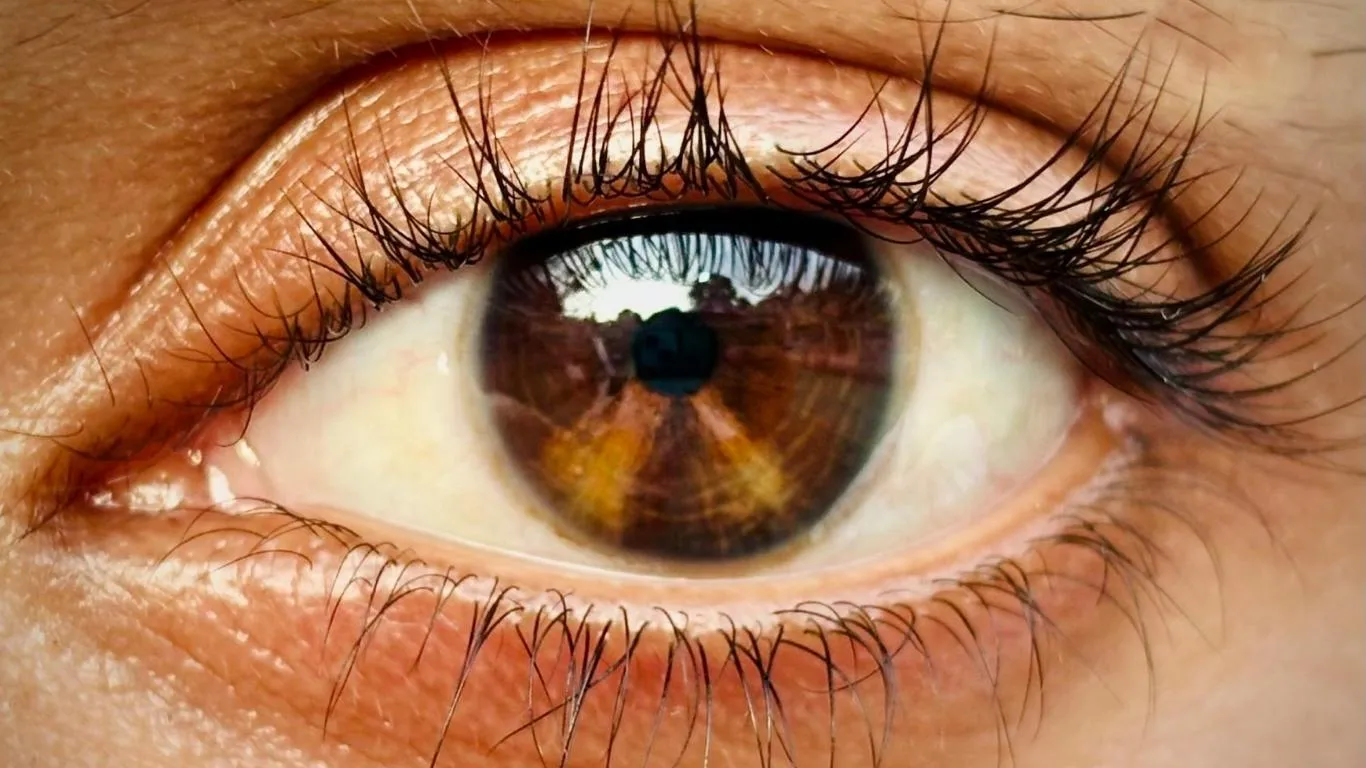
Your eye’s vitreous is made up of 98% water. That alone should tell you why dehydration messes with it. When that jelly starts to lose its structure, tiny collagen fibers inside can stick together. That’s what causes floaters to become more noticeable.
If you’ve ever wondered why they seem worse after a night of poor sleep or after sweating a lot without replenishing fluids—there you go. I once did hot yoga and didn’t hydrate properly. Floaters all day. Never again.
Plus, when you’re dehydrated, blood flow can also be reduced to certain parts of the eye and brain, which contributes to visual disruptions. That sluggish circulation adds to the foggy-headed feeling, amplifying the headache-floater combo.
Other Contributing Factors
- Caffeine – Diuretics like coffee and energy drinks can sneakily dehydrate you
- Hot environments – Your body loses water faster than you realize
- Skipping meals – Lack of electrolytes can throw your fluid balance off
If you find floaters appearing right after or during a headache, don’t ignore it. In some cases, that pattern could signal something more serious. Dehydration-induced floaters have been increasingly reported, especially in hotter climates or among people who exercise frequently.
When It’s Time to See an Eye Doctor
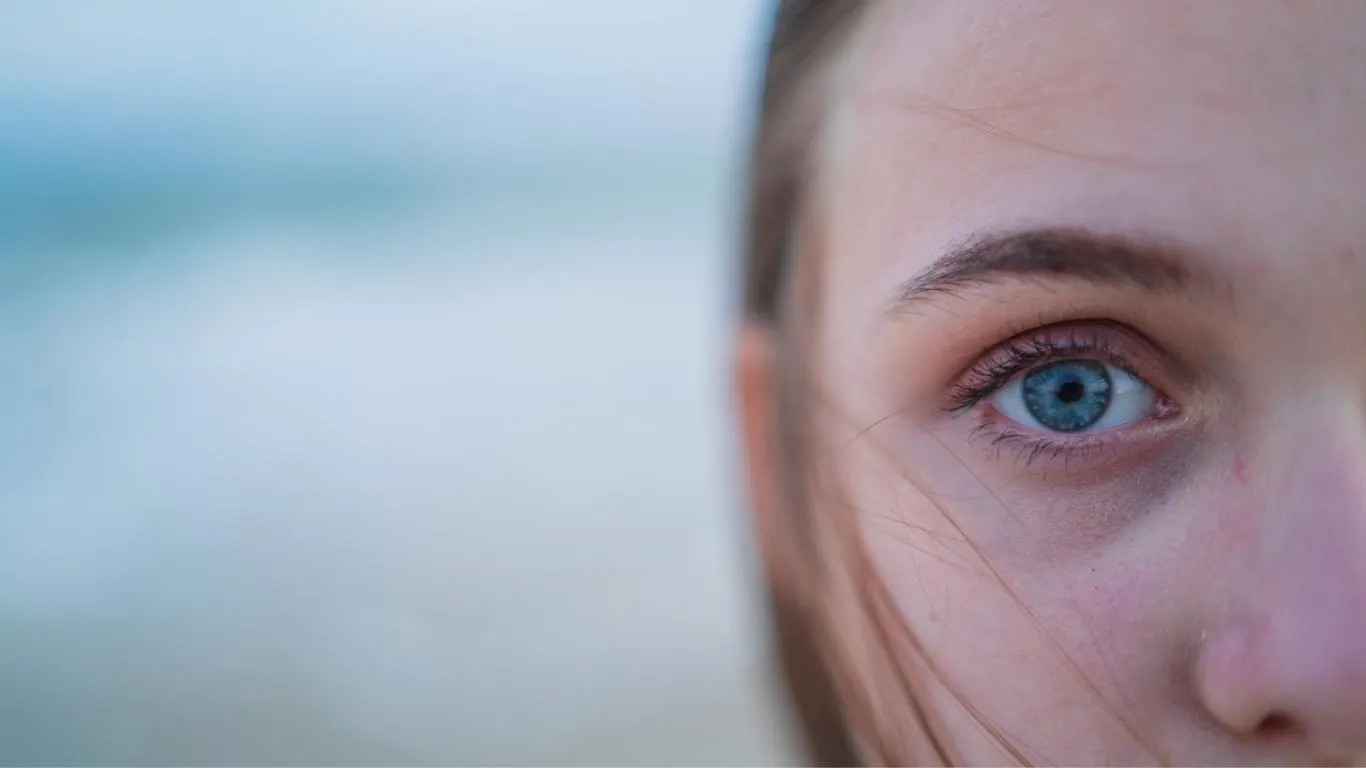
Okay, so here’s the deal—not every floater is harmless. If the floaters persist or come with a sudden sharp headache, vision loss, or flashing lights, you need to get checked out immediately. Don’t play guessing games with your eyesight.
Here’s a quick checklist that should prompt a trip to the optometrist:
- Floaters appearing in large numbers out of nowhere
- Combined with peripheral vision loss
- Followed by trauma, like a fall or blow to the head
- Not improving after rest and proper hydration
Floaters that keep reappearing or shifting shape might also indicate vitreous detachment. That’s a bit more serious and should be monitored. This article on posterior vitreous detachment breaks it down well if you want to dive deeper.
Backed by Experience and the Science
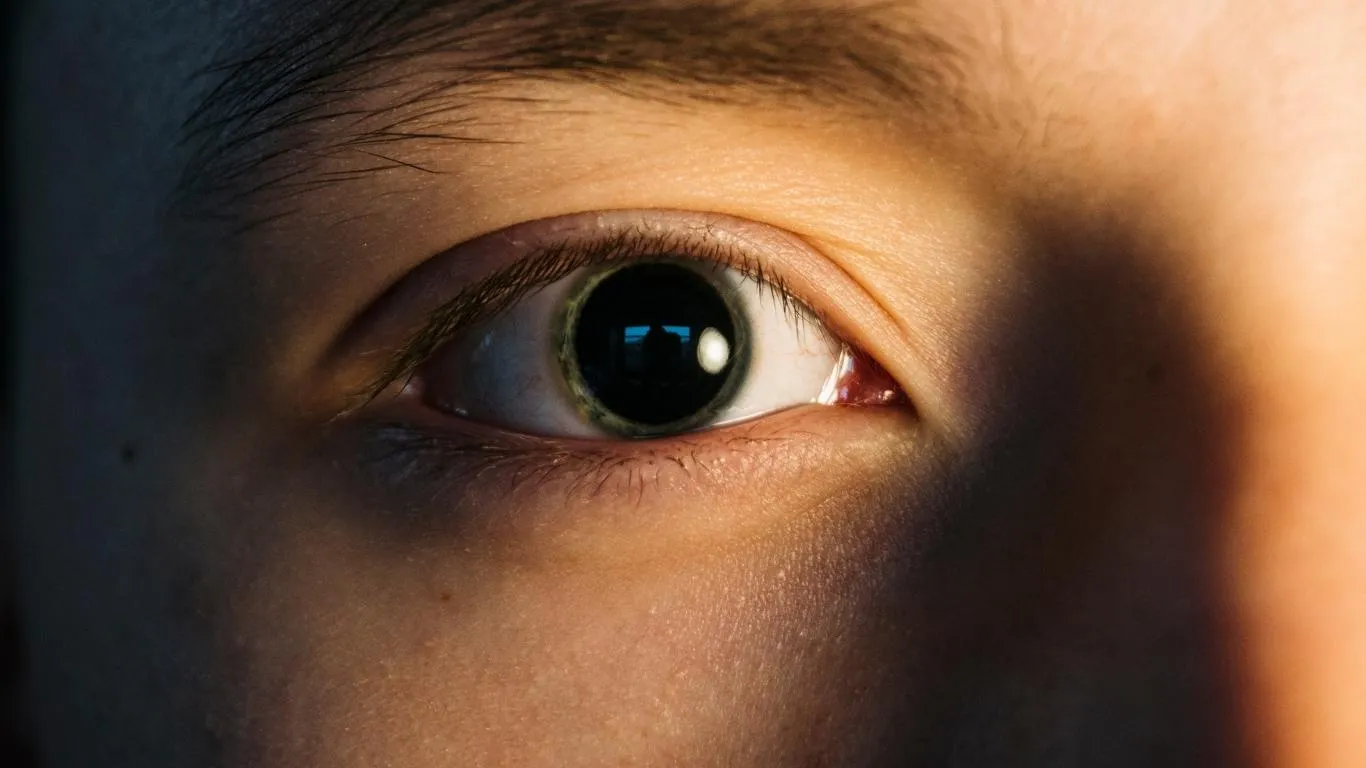
I used to think I was imagining things—like maybe I was just tired or staring at screens too long. But research actually supports the connection between dehydration and floaters. The American Academy of Ophthalmology even notes that changes in vitreous consistency are a known cause of floater symptoms.
It’s not just about water, either. Sodium, potassium, and other electrolytes play a key role in maintaining the vitreous structure. I started drinking electrolyte-enriched water during long workdays, and honestly, it made a difference. Less pressure behind the eyes, fewer floaters, and the headaches? Way more manageable.
If you want to get a full breakdown of what causes these floaters, this main resource is an excellent place to start. And for the deeper causes, triggers, and prevention tips, don’t miss the insights in the main eye floater causes guide.
Simple Fixes That Actually Work (Yes, I’ve Tried Them)
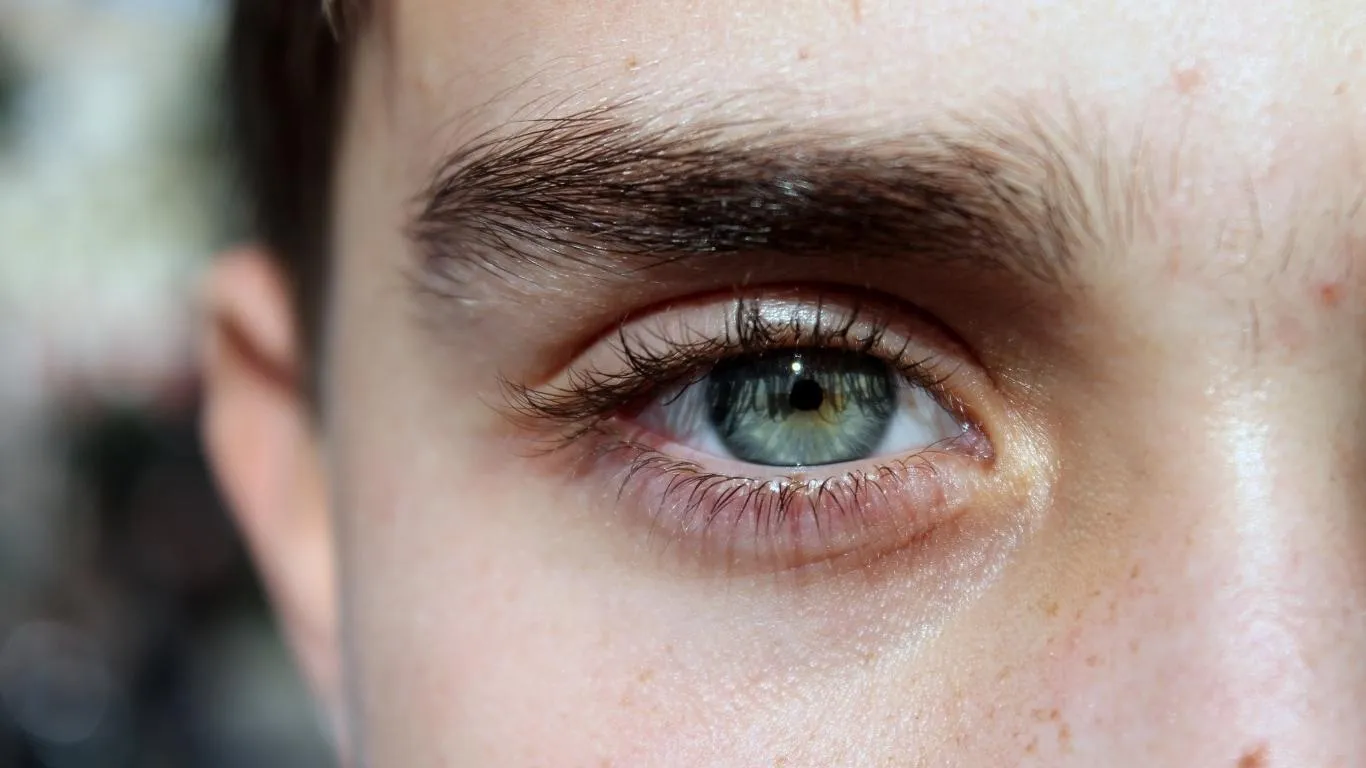
Now let’s get real. Nobody wants to live life dodging specks and dots floating across their vision. And definitely not when your head’s pounding like a bass drum. The good news? You’ve got options—and no, they don’t all involve surgery or scary treatments. I’ve tested a bunch of these approaches myself, and here’s what’s actually made a difference.
1. Water First, Everything Else Second
This sounds too basic, right? But trust me, most people are walking around half-dehydrated all the time. Start tracking your water intake. I keep a 1-liter bottle on my desk and refill it at least twice a day. If you’re someone who waits to drink until you’re thirsty—you’re already late to the game.
Don’t forget: it’s not just about plain water. If you’re sweating a lot (hello summer or cardio workouts), add electrolytes to the mix. I personally use a no-sugar option that includes magnesium and potassium—it’s helped reduce the frequency of my dehydration headaches and kept those pesky floaters at bay.
2. Cut Back on the Caffeine Surge
Look, I love coffee. But too much of it dries you out faster than you’d think. I noticed a spike in floaters and tension headaches on days I had 3+ cups. Switching to green tea mid-afternoon gave me the alertness I needed without the dehydrating hit.
Also, if you’re sipping energy drinks daily, check the label. Many of them act like sneaky diuretics. This deep dive into caffeine and floaters helped me rethink my habits, fast.
3. Eat for Eye Fluid Balance
What you eat literally supports the structure of your eyes—especially the vitreous. I started adding foods that support eye hydration and collagen production:
- Water-rich fruits like cucumber and watermelon
- Fatty fish (salmon is my go-to) for omega-3s
- Eggs and leafy greens for lutein and zeaxanthin
- Bone broth or collagen peptides (huge game-changer for me)
I noticed fewer floaters and faster headache recovery within a few weeks. Don’t underestimate the impact of a nutrient-dense plate.
Floaters That Linger After Dehydration: What They Might Mean
Okay, here’s the part where I have to be a little serious. If floaters are sticking around long after you’ve rehydrated—or they keep popping back up with every headache—don’t brush it off. You could be dealing with a larger issue.
Some conditions like diabetic eye changes, chronic stress-related floaters, or even inflammation like uveitis can mimic dehydration-triggered symptoms. If floaters start changing shape, flickering, or showing up in weird lighting, it’s time to schedule that eye exam—seriously.
It’s also worth checking if you have underlying age-related vitreous degeneration happening. It doesn’t mean anything scary—but the earlier you catch it, the better you can manage it.
Practical Daily Habits That Keep Floaters and Headaches in Check
If you’re someone who sits at a desk, stares at screens, or lives somewhere hot—your risk of dehydration-fueled eye issues is higher than you might think. But good habits go a long way. Here’s what’s worked for me:
- Hydrate right after waking up. 500ml of water before coffee helps reset everything.
- Use screen breaks every 30 minutes. Eyes need a breather, too.
- Lower screen brightness at night—less strain, fewer floaters.
- Track hydration with an app or bottle with time markings (nerdy but effective).
And if you’re wondering whether floaters only hit people with “bad” vision, nope. I’ve met folks with 20/20 vision who deal with them regularly—often tied to their hydration and stress levels.
What Eye Doctors Say About This Combo
During my last optometrist visit, I actually brought up this exact connection. His words? “People are quick to dismiss floaters as harmless, but when they’re paired with headaches, especially due to dehydration, it’s a wake-up call for lifestyle adjustment.”
He also mentioned that while floaters alone aren’t always dangerous, they can be the first symptom your body gives before something escalates. Staying hydrated, watching your nutrient intake, and checking in when symptoms persist—that’s how you stay ahead of eye-related issues.
The National Eye Institute also points out that vitreous health is closely tied to aging and lifestyle, including hydration. And that little reminder made me even more intentional about my habits—especially after my second dehydration episode during a long road trip.
What to Read Next if This Hit Close to Home
If you’ve ever looked up at a bright sky and seen those little floaty strands dancing in your vision, you’re not imagining it—and you’re definitely not alone. Staying hydrated is a simple fix, but floaters caused by deeper imbalances can be more stubborn.
For more on natural ways to manage floaters, this resource is worth bookmarking: Natural ways to manage eye floaters. And for a broad view on the topic—symptoms, causes, treatments—start here: What are eye floaters?
Listen to your eyes. They’re smarter than we give them credit for.

Camellia Wulansari is a dedicated Medical Assistant at a local clinic and a passionate health writer at Healthusias.com. With years of hands-on experience in patient care and a deep interest in preventive medicine, she bridges the gap between clinical knowledge and accessible health information. Camellia specializes in writing about digestive health, chronic conditions like GERD and hypertension, respiratory issues, and autoimmune diseases, aiming to empower readers with practical, easy-to-understand insights. When she’s not assisting patients or writing, you’ll find her enjoying quiet mornings with coffee and a medical journal in hand—or jamming to her favorite metal band, Lamb of God.