
Daily Micro-Movements That Transform Spine Mobility
You ever catch yourself stuck in the same position for hours — back stiff, shoulders tight, and your spine feeling like it’s aged 20 years overnight? Yeah, I’ve been there too. I used to believe spine health came down to occasional stretching or maybe that weekly yoga class. Turns out, the real game-changer? It’s the tiny, almost invisible movements we do every day — the kind that fly under the radar but keep your spine limber and happy. These daily micro-movements might not make headlines, but trust me, your back will thank you.
Why Micro-Movements Matter More Than You Think

Spinal mobility isn’t just about doing big stretches or hitting the gym. It’s about the *little things* — subtle shifts, light rotations, pelvic tilts, and gentle spinal rolls. These are what keep your joints lubricated, muscles awake, and posture aligned.
In fact, clinical evidence suggests that frequent low-intensity movement throughout the day contributes more to spinal health than occasional intense activity. That blew my mind, honestly. Because it means you don’t have to overhaul your life — just tweak it.
Think of Your Spine Like a Car Engine
Leave it idle too long, and parts seize up. Give it too much gas after long stillness, and you strain it. But keep it gently humming with micro-movements? That’s the sweet spot.
- Shift your weight while standing
- Do seated pelvic tilts at your desk
- Look over each shoulder slowly every hour
- Roll your shoulders in gentle circles
Each one might take 10 seconds. But stacked up over the day? You’re building mobility without even realizing it.
The Sedentary Trap: How Stillness Wrecks Your Spine

We’re a generation of sitters. Whether it’s working from a laptop, binging Netflix, or doom-scrolling in bed, our spines are under constant pressure. I learned the hard way — after years of working at a desk, I started waking up with an achy lower back that made me feel 80.
Turns out, prolonged sitting ruins your spine. It flattens the natural curve of your lumbar spine, tightens your hip flexors, and weakens core stabilizers. The result? Stiffness, misalignment, and chronic pain.
One orthopedic specialist even told me the new back pain epidemic isn’t caused by “too much movement” — it’s too little of the right kind of movement.
Signs You’re Not Moving Enough (Even If You Exercise)
- Morning stiffness that lasts longer than 15 minutes
- Lower back tension after sitting more than 30 minutes
- Tight hamstrings and hips despite stretching
- Clicking or popping sounds when you twist
It’s not just about workouts — it’s about *what you do between workouts*.
Easy Micro-Movements to Add Daily (No Sweat Required)
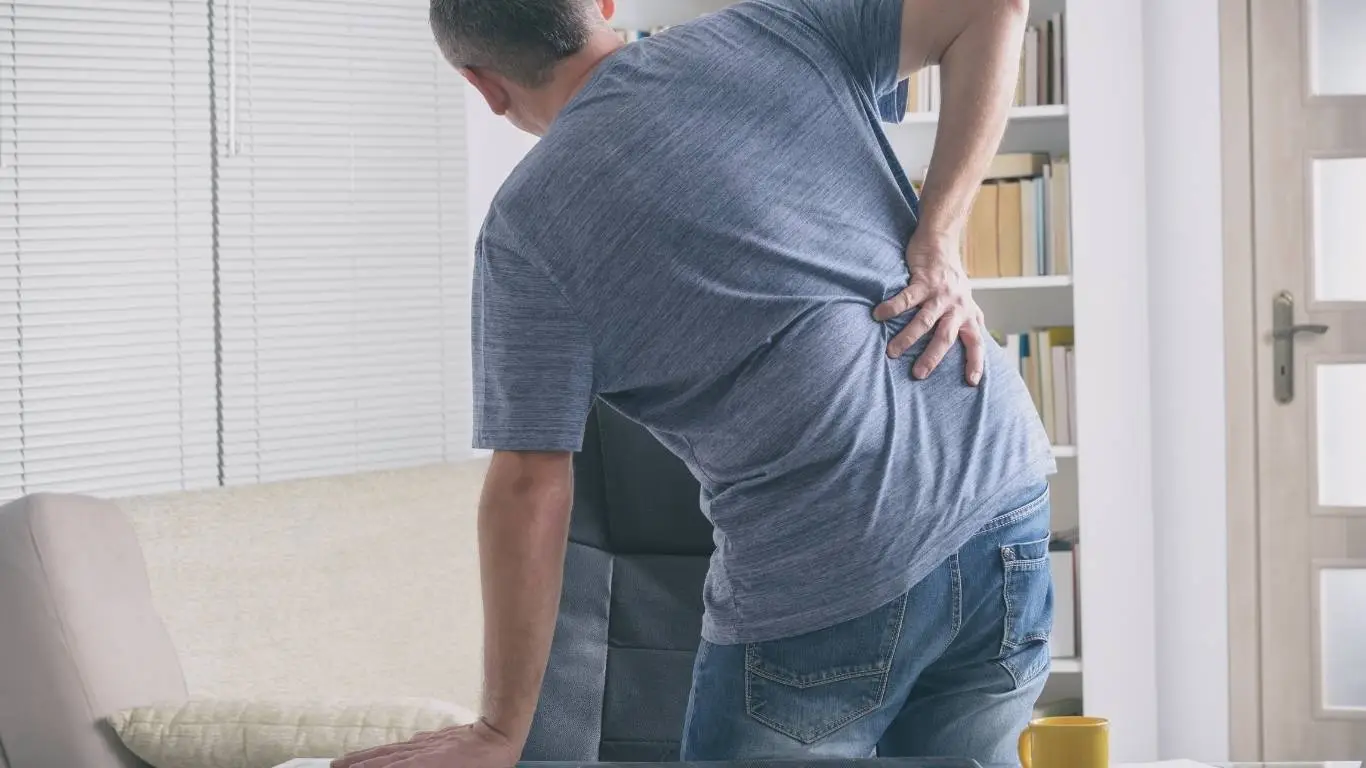
Here’s where it gets fun. You don’t need a yoga mat or even to leave your chair. These are real movements I use every day that keep me pain-free — and trust me, I’m not naturally flexible or disciplined. This is practical stuff for real people with real lives.
- Seated Spinal Twists: Sit tall, exhale, and twist gently to each side. Repeat every hour.
- Pelvic Tilts: While sitting or standing, gently tilt your pelvis forward and backward.
- Neck Glides: Tuck your chin slightly and slide your head back. Great for desk workers.
- Wall Angels: Stand against a wall and move arms up and down in a snow-angel motion.
- Standing Hips Circles: Hands on hips, draw gentle circles. Loosens lower back and hips.
Consistency is everything here. The magic is in the repetition — not intensity.
Want to level up? Try stacking these into daily habits. For instance, I do my neck glides every time I wait for my coffee to brew. Habit hooks work wonders.
Why Micro-Movements Help More Than Stretching Alone

Stretching is passive — you lengthen a muscle and hold. But micro-movements are *active*, dynamic, and keep muscles engaged. Over time, they improve spinal fluidity, stabilize the vertebrae, and reduce inflammation.
I used to spend 15 minutes stretching in the morning and still feel tight. Since switching to micro-movements peppered throughout the day, my stiffness dropped dramatically. And I’m not the only one — studies show CDC-backed workplace movement programs reduced chronic back pain in desk workers by over 40%.
They’re especially helpful for people with SI joint dysfunction or chronic vs. acute back pain. And unlike intense workouts, they’re safe for almost everyone — even if you’re recovering from an injury.
Want a Healthier Spine? Start Small, Stay Consistent

If you’re someone who’s struggled with recurring stiffness or discomfort and don’t know where to start — start here. Not with intense routines, not with complicated poses, but with *micro-movements* that you can weave into your daily routine.
I always recommend people start by reading about how ergonomics and rehabilitation connect to everyday spine care. It helps you rethink how you move — or don’t — during your daily routine.
And if you’re still in that early phase of trying to figure out what your back actually needs, I strongly suggest exploring the full back pain guide — it gives a solid foundation that helps make sense of everything from posture to deeper causes.
The Science Behind Micro-Movements and Long-Term Spine Health

When I first heard a chiropractor say, “Motion is lotion for your spine,” I chuckled. But they were right. Micro-movements keep your intervertebral discs hydrated, stimulate synovial fluid in your joints, and even encourage nutrient flow to your spinal tissues.
In fact, studies in spinal biomechanics confirm that our spines are built for continuous, subtle movement. Not big, explosive ones — just consistent, low-impact micro-motions that maintain joint integrity and prevent degeneration.
One thing I found eye-opening: even people dealing with herniated discs or repetitive strain from exercise benefit from these light movements — often more than from aggressive stretches or rest.
Micro-Movement Benefits That Compound Over Time
- Improved spinal fluid exchange (your discs thrive on it)
- Better posture without forcing it — alignment becomes second nature
- Decreased stiffness and pain with less need for pain meds
- Greater body awareness and control throughout the day
I used to wake up stiff and sore. Now? My body feels like it resets itself overnight — and it all started when I added 2-minute micro-breaks during my workday.
How to Stay Consistent Without Getting Bored

The hardest part of any habit? Sticking with it. Micro-movements don’t take much time, but they do require you to *remember* to do them. I’ve tried a dozen tricks over the years, and here’s what actually works:
- Set recurring reminders: Use your phone or smartwatch to nudge you every hour or so.
- Anchor the movement to an existing habit: Like doing a seated twist every time you check emails.
- Use a simple app: Something like Stretchly or Stand Up! that pings you with posture cues.
- Gamify it: I track my daily movement “streaks” like a wellness game. Nerdy, but it works.
I also encourage people to mix in low-intensity options from yoga for back pain or try something like Pilates micro-movements to keep things fresh.
Spinal Micro-Movements That Work While Lying Down
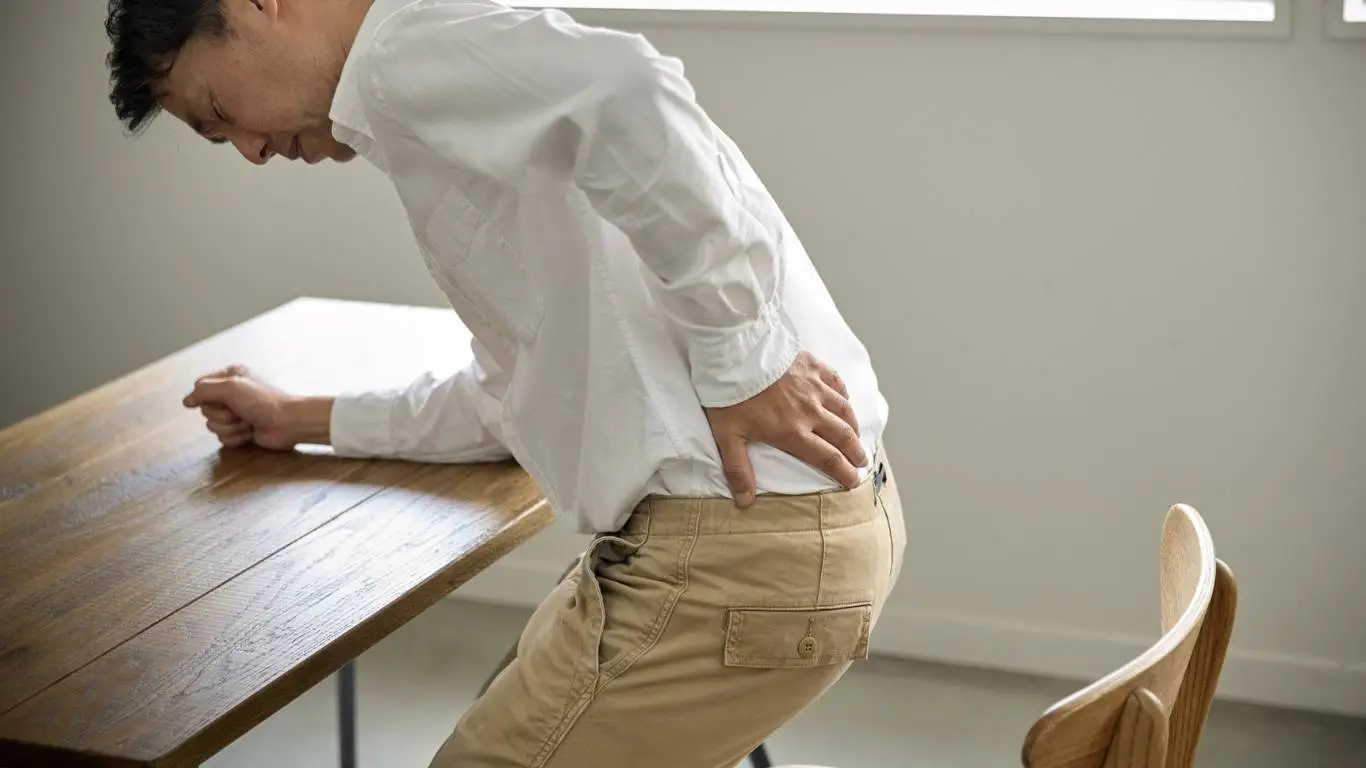
If you’re someone who wakes up stiff — or struggles with back pain that worsens at night — there are a few gentle micro-movements you can do before even leaving your bed:
- Knee-to-chest tucks: Hug one knee in, then the other. Hold for 5 seconds each side.
- Windshield wipers: Knees bent, feet flat, sway your legs side to side gently.
- Pelvic rocking: Tilt your pelvis forward and backward to engage your lower core.
These take less than 3 minutes. Do them daily and your spine gets a mobility “primer” before facing the real world. It’s a game-changer for people with spinal instability or disc degeneration.
Make Your Workday Spine-Friendly

Most of us spend 8+ hours at a desk — and it’s killing our backs. The key is to make your environment work *with* your body, not against it. I didn’t have the budget for fancy ergonomic gear at first, but some tweaks still made a big difference:
- Use a rolled towel for lumbar support if you don’t have a cushion
- Elevate your laptop to eye level to reduce forward neck posture
- Switch between sitting and standing every 30–45 minutes
- Place a small footrest under your desk to encourage posture shifts
And I swear by standing desks now. They made me move more naturally — and my back pain faded fast. More tips like this are covered in our spine-friendly lifestyle guide.
The Psychological Benefits of Gentle Movement

Micro-movements don’t just heal the body — they calm the mind. I’ve found that doing a slow series of spinal rotations or breath-synced movements lowers my stress within minutes. It grounds me.
There’s good science behind it, too. Movements tied to breath — even small ones — help regulate the nervous system. That’s huge if you’re managing both chronic pain and mood disorders.
Many of these movements blend beautifully with mindfulness techniques or meditation for pain relief. A few minutes of movement + breath? It’s more powerful than you’d expect.
When to Take It Further (And When Not To)

If your back pain lingers or worsens, it’s worth seeking professional guidance. That might be a physical therapist, chiropractor, or a rehab-focused doctor. For me, pairing micro-movements with guided PT gave me faster results.
On the flip side, avoid going too hard too fast. I made the mistake of “overdoing” even simple movements early on — and my SI joint flared up. The key? Consistency and moderation. And listen to your body.
Also check out foundational articles like types of back pain and spinal anatomy to better understand what you’re dealing with.
Start With 3 Movements Today

If you’re overwhelmed, don’t be. Pick just three of these micro-movements and do them today:
- Seated spinal twist during lunch break
- Pelvic tilt before bedtime
- Neck glide every time you check your phone
That’s it. Three tiny steps. Repeat them tomorrow. Before you know it, your spine will feel looser, stronger, and more alive than it has in years.
Spinal mobility isn’t a once-a-week task — it’s a lifestyle built on small, powerful actions. And it starts with a single micro-movement.

Camellia Wulansari is a dedicated Medical Assistant at a local clinic and a passionate health writer at Healthusias.com. With years of hands-on experience in patient care and a deep interest in preventive medicine, she bridges the gap between clinical knowledge and accessible health information. Camellia specializes in writing about digestive health, chronic conditions like GERD and hypertension, respiratory issues, and autoimmune diseases, aiming to empower readers with practical, easy-to-understand insights. When she’s not assisting patients or writing, you’ll find her enjoying quiet mornings with coffee and a medical journal in hand—or jamming to her favorite metal band, Lamb of God.