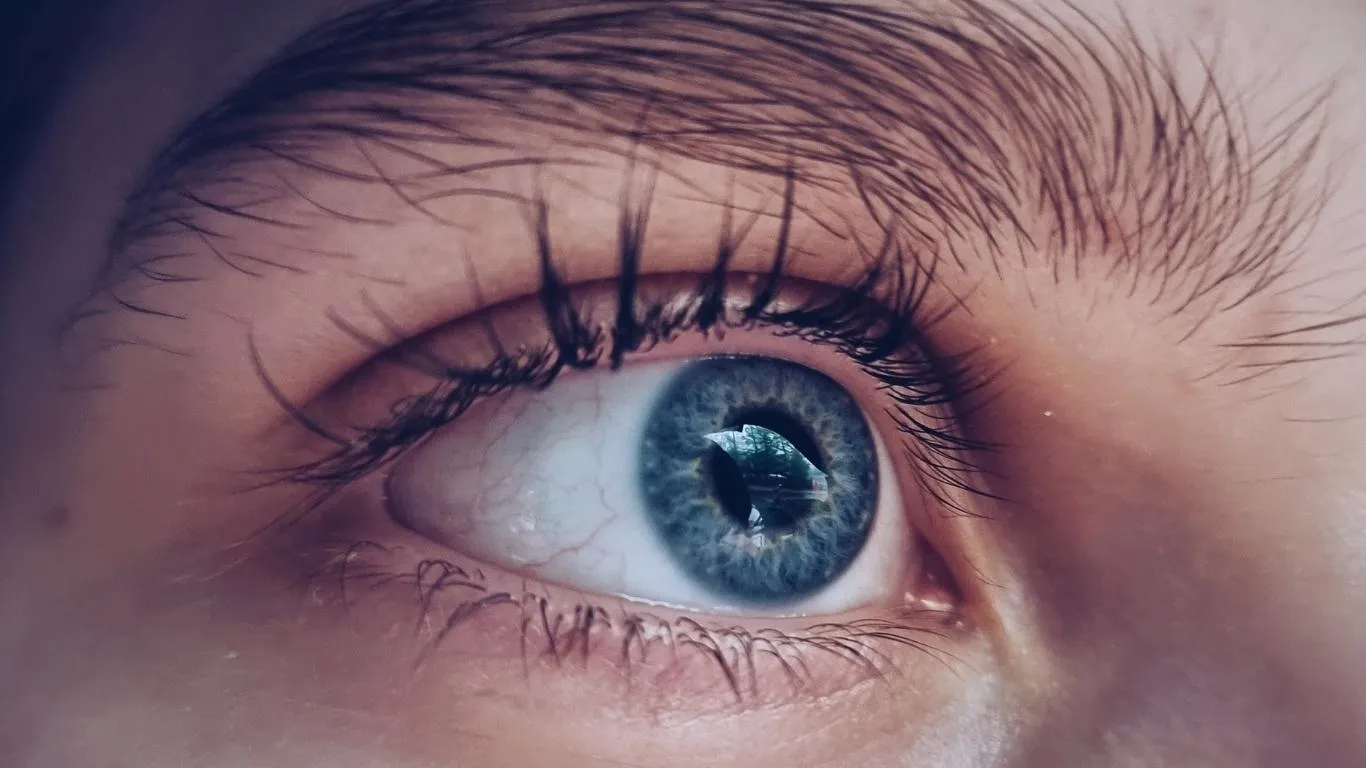
Why Floaters Worsen With Chronic Fatigue and How to Manage Them
One thing I didn’t expect when I started dealing with chronic fatigue was how strangely it would affect my vision. I used to think floaters were just a minor annoyance – little shadows or squiggly lines that would drift across my sight when I stared at the sky too long. But over the years, as my fatigue became a constant part of life, something changed. These floaters became more persistent, more distracting, and oddly enough, they worsened during the times my fatigue flared up the most. Turns out, I wasn’t imagining it—and if you’ve been experiencing something similar, you’re definitely not alone.
Can Floaters Really Get Worse with Chronic Fatigue?
It might sound like a strange connection, but the relationship between floaters and chronic fatigue is more complex than it seems. While floaters are typically associated with aging or vitreous changes, there’s growing recognition that systemic stress and fatigue can amplify their presence. For me, floaters became more vivid and frequent during periods of poor sleep and overwhelming exhaustion.
While there’s not a ton of clinical research that links the two directly (yet), a lot of eye specialists and neurologists are noticing this trend, especially in people with conditions like CFS (chronic fatigue syndrome), fibromyalgia, or even long COVID. These are cases where your nervous system is already in overdrive — and your eyes, which are direct extensions of that system, aren’t immune.
The Role of Cortisol, Sleep Deprivation, and Eye Strain
One major culprit could be cortisol dysregulation. Chronic fatigue often messes with the body’s stress hormone levels, and high or inconsistent cortisol can impact eye pressure, blood circulation, and inflammation—all of which might contribute to floaters appearing more frequently or becoming more noticeable.
Lack of quality sleep is another major factor. When you’re not sleeping well, your eyes don’t get the rest they need to function properly. And yes, sleep is absolutely crucial for the health of the vitreous—the gel-like substance in your eye where floaters form. Combine that with digital strain and poor hydration (which often comes hand-in-hand with fatigue), and you’ve got a perfect storm for worsening floaters.
How Floaters Manifest Differently in Fatigued Eyes
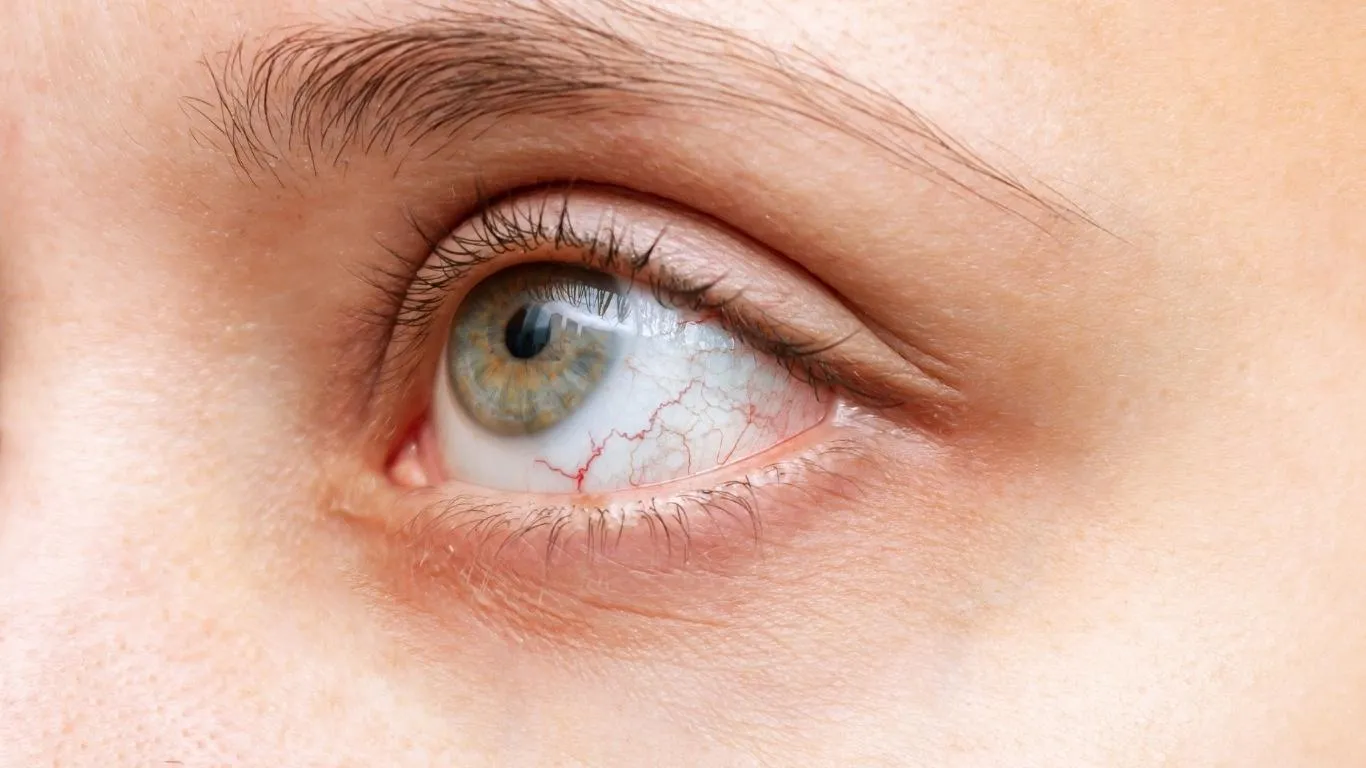
I noticed that my floaters seemed “lighter” or more translucent when I felt well-rested and mentally sharp. But during low-energy stretches—especially the kind where even blinking feels like work—they’d become darker and more defined. It’s like my brain’s filtering system was too tired to ignore them.
Some people also report that floaters become more erratic during fatigue episodes, drifting unpredictably, or lingering longer in the center of vision. This could be due to altered ocular fluid dynamics when you’re dehydrated or haven’t moved much, both common in fatigue-heavy days.
You’re Not Imagining It: Real Experiences Match the Pattern
Browsing through health forums or Reddit threads, you’ll see hundreds of people echoing the same concern: “My floaters get worse when I’m tired.” One particularly detailed post from someone with ME/CFS described how their floaters became overwhelming after only 20 minutes on a screen—something that felt very familiar to me.
Turns out, this might be more than anecdotal. Eye doctors are starting to see patterns, and recent updates in understanding fatigue-related neurological dysfunction are helping support what many of us have been trying to articulate for years.
Could There Be Underlying Conditions Involved?
If your floaters have suddenly gotten worse alongside increased fatigue, it might be a sign of something deeper. Chronic fatigue can be linked to a range of conditions that also affect vision. Some include:
- Autoimmune disorders, where inflammation in the body also targets ocular tissues
- Diabetes-related retinal issues that often co-occur with systemic fatigue
- Connective tissue disorders like Ehlers-Danlos Syndrome
Even nutrient absorption issues—common in people with chronic health challenges—can affect the eye’s internal structure. Blood sugar fluctuations, magnesium or B12 deficiencies, and dehydration have all been implicated in increased floater activity.
The Visual-Nervous System Feedback Loop
Think of your eyes as sensors, and your brain as the processor. When the processor (aka your fatigued brain) isn’t working at full capacity, those sensors start reporting more “noise.” This is especially true in dim environments, against white screens, or after prolonged screen time—situations where people with chronic fatigue are already hypersensitive.
One related case study suggested that individuals with prolonged fatigue showed more delayed visual recovery times and reduced tolerance to visual clutter—possibly explaining why floaters feel so disruptive when energy is low.
Tips That Helped Me Reduce Floater Disruption on Low-Energy Days
Over the past few years, I’ve experimented with a lot of different strategies. Some helped more than others, but a few changes made a noticeable impact, especially during fatigue spikes:
- Hydration. Seems obvious, but I had no idea how even mild dehydration could worsen my floaters. I now keep a glass of water nearby all day.
- Eye movement breaks. Every hour, I take 30 seconds to slowly move my eyes side to side, up and down—this really helped “dislodge” lingering floaters.
- Blue light filters. My screen setup includes both a blue light filter and lower brightness, and I use reading mode on my phone. This reduced strain significantly.
- Supplemental support. After talking to my doctor, I started a magnesium + lutein supplement combo. It didn’t eliminate floaters, but they became less intrusive.
- Proper lighting. Working in a softly lit room instead of sharp white LEDs helps reduce contrast between floaters and background.
And when in doubt, I rest. Seriously—just laying down in a dark room for 10 minutes can sometimes give my eyes enough of a reset to take the edge off.
Want a more technical dive into how floaters behave differently compared to other eye issues? I found this breakdown helpful when I kept mistaking them for flashes or something more severe.
If you’re looking for a comprehensive overview on managing floaters in general (not just during fatigue), the main guide on what causes eye floaters and how to treat them is a solid place to start. It explains things from observation to more clinical interventions.
And for those wondering when floaters go from annoying to alarming, the article on dangerous signs associated with floaters is an important one to bookmark.
When Floaters Shift from Occasional to Constant with Chronic Fatigue
There was a time when I only noticed my floaters once in a while—usually in bright rooms or after long reading sessions. But as my chronic fatigue worsened, these things started showing up constantly. It felt like they were burned into my vision, always hovering at the edges. I thought I was going crazy at one point. But I wasn’t. This experience is more common than most people think, especially in those dealing with long-term exhaustion, sleep issues, and sensory sensitivity.
When floaters go from being occasional visual quirks to constant companions, it’s often a signal that something deeper is happening in your body or mind—or both. I dug deeper and realized that this wasn’t just about aging eyes or bad lighting. It was about how stress, inflammation, and poor recovery start to rewire your nervous system, including how your brain processes visual input.
Neuroinflammation and Visual Overload
Some researchers believe that the reason floaters feel more “in your face” during chronic fatigue is because of neuroinflammation. When your brain is inflamed or constantly under low-grade stress, its ability to filter out unnecessary stimuli diminishes. Floaters aren’t new objects in your eyes—they’re always there. But a healthy, well-rested brain can usually tune them out. A tired, foggy brain? Not so much.
This concept also explains why those of us dealing with post-viral fatigue (like long COVID), autoimmune flare-ups, or adrenal dysfunction tend to see these annoying floaters more frequently. I found this article on floaters linked to systemic infections super helpful when I was trying to make sense of this.
When You Should Start Asking More Questions
Now, not every increase in floaters means something terrible is happening. But there are times when it’s worth pressing pause and talking to a doctor. Especially if you’re noticing:
- Sudden bursts of new floaters out of nowhere
- Floaters accompanied by flashes or light streaks
- Loss of peripheral vision
- Dark shadows moving across your sight like a curtain
All of these could be red flags for more serious issues like retinal tears or posterior vitreous detachment. And yes, these risks increase in people with chronic fatigue, especially if dehydration or high blood pressure are also in play. I wish I had taken this more seriously sooner instead of brushing it off as “just tired eyes.”
Understanding the Psychological Toll
One thing nobody warned me about: the mental fatigue from trying to ignore floaters all day long. I’d find myself squinting, blinking, shifting my gaze—just trying to shake them loose. And when they didn’t go away, it started messing with my concentration and even my mood. It’s hard to describe unless you’ve lived it. That feeling of being constantly distracted by your own vision is exhausting.
There’s growing recognition that chronic floaters can worsen anxiety and even feed into health-related OCD for some people. One piece I found validating was this article on floaters and their effect on mental health—a reminder that you’re not weak or overreacting if these things get under your skin.
Strategies That Actually Helped Reduce the Impact

I’ve tested every suggestion under the sun at this point, and while nothing “cures” floaters completely (yet), here’s what’s made the biggest difference for me:
- Contrast control. I avoid bright white backgrounds like the plague now. Reading in night mode, using off-white paper, and even changing the wallpaper on my phone made a surprising difference.
- Eye fluid movement. Sometimes I just gently roll my eyes in a figure-8 pattern. Doesn’t fix it, but it shifts the floaters to less annoying spots. I found this technique through a breakdown of natural floater-relief exercises.
- Magnesium & adaptogens. With my doctor’s green light, I started a magnesium glycinate supplement and ashwagandha. It helped with stress resilience, and over time, that seemed to reduce how “loud” my floaters felt.
- Anti-inflammatory meals. Omega-3s, turmeric, cutting back sugar—basic stuff, but effective. I leaned on resources like this diet-focused guide when building my meal plan.
- Rest days for your eyes. This one’s huge. No screens. No books. No bright lights. Just 1–2 hours of visual silence. Hard at first, but my floaters were noticeably less intrusive afterward.
Tools That Make Daily Life Easier
I don’t think I would have coped without a few practical tools in my corner. If you’re juggling chronic fatigue and visual distractions, these were game-changers:
- Blue-light glasses for screens—essential if you work at a computer or scroll a lot at night
- Diffused lighting in workspaces—way easier on the eyes than direct LED
- Reading filters—I use a cream-colored screen overlay that mimics aged paper
- Zoom shortcuts—Instead of squinting to see past floaters, I zoom into webpages or ebooks with a tap
One surprising tip that helped me? Adjusting head position while reading or typing. Just a slight tilt or reclining posture shifted how the floaters floated—and it made screens less frustrating. You can read more about that kind of body-eye connection in this breakdown on head position and floaters.
More Insights If You’re Dealing with Fatigue-Linked Floaters
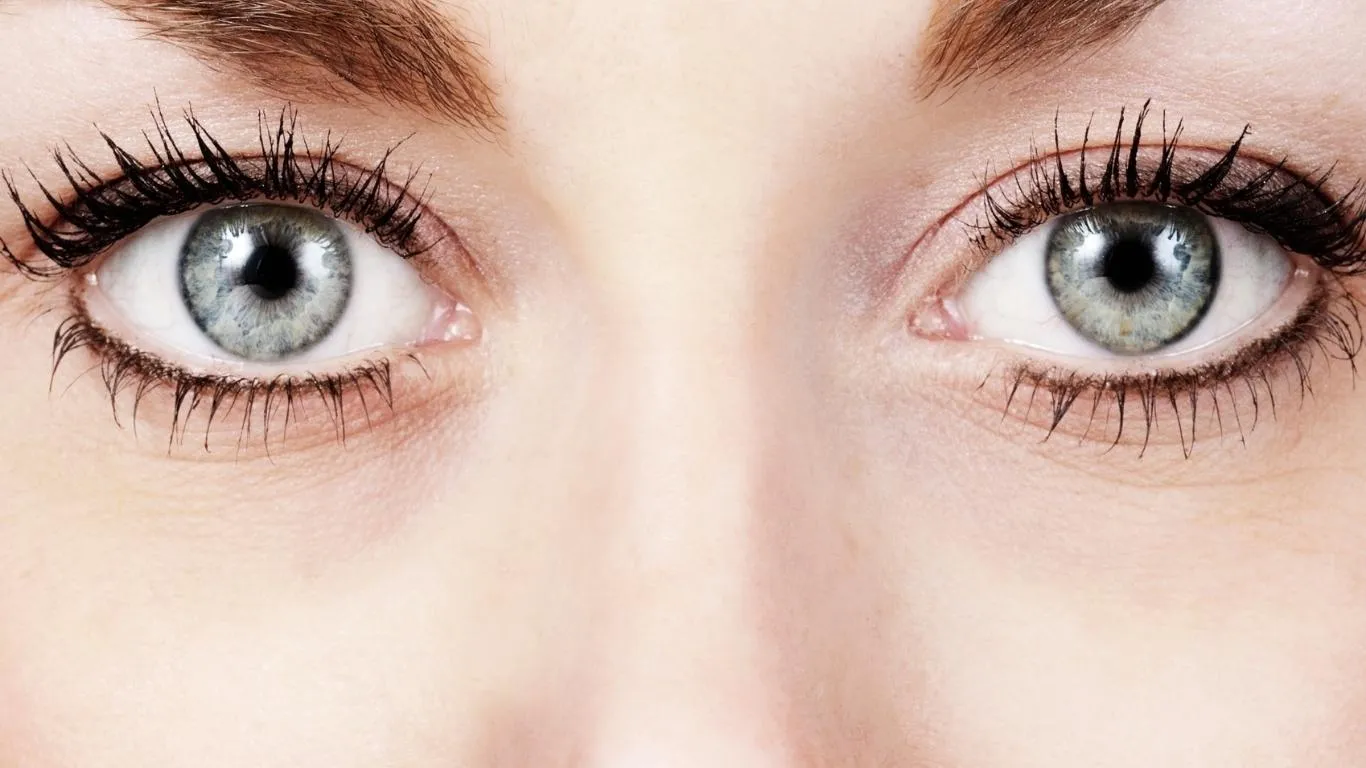
If your floaters have taken a turn since fatigue became a part of your life, you’re not imagining things. I recommend reading the full guide on natural ways to manage floaters, which gets into lifestyle and nutritional support more deeply. It’s one of the more grounded articles out there—not promising miracle cures, but offering real, sustainable adjustments.
Also, the main article on what causes floaters and how to treat them is worth saving. Even if your floaters are “just” part of fatigue, understanding their origin can reduce the fear factor—and that alone is empowering.

Camellia Wulansari is a dedicated Medical Assistant at a local clinic and a passionate health writer at Healthusias.com. With years of hands-on experience in patient care and a deep interest in preventive medicine, she bridges the gap between clinical knowledge and accessible health information. Camellia specializes in writing about digestive health, chronic conditions like GERD and hypertension, respiratory issues, and autoimmune diseases, aiming to empower readers with practical, easy-to-understand insights. When she’s not assisting patients or writing, you’ll find her enjoying quiet mornings with coffee and a medical journal in hand—or jamming to her favorite metal band, Lamb of God.