Best Head Massage Techniques For Migraines That Truly Help
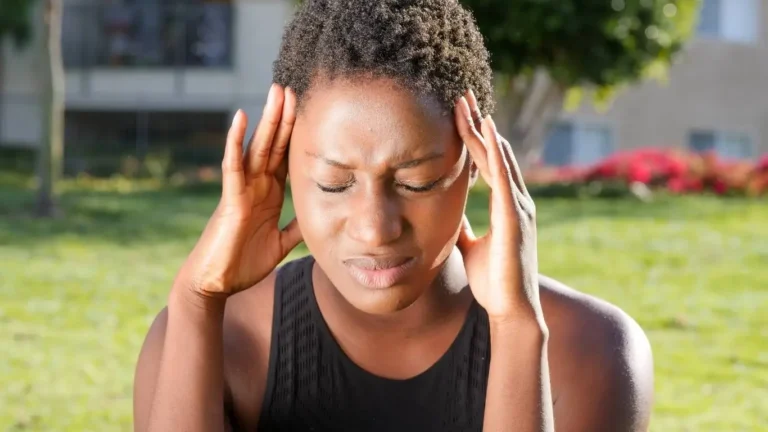
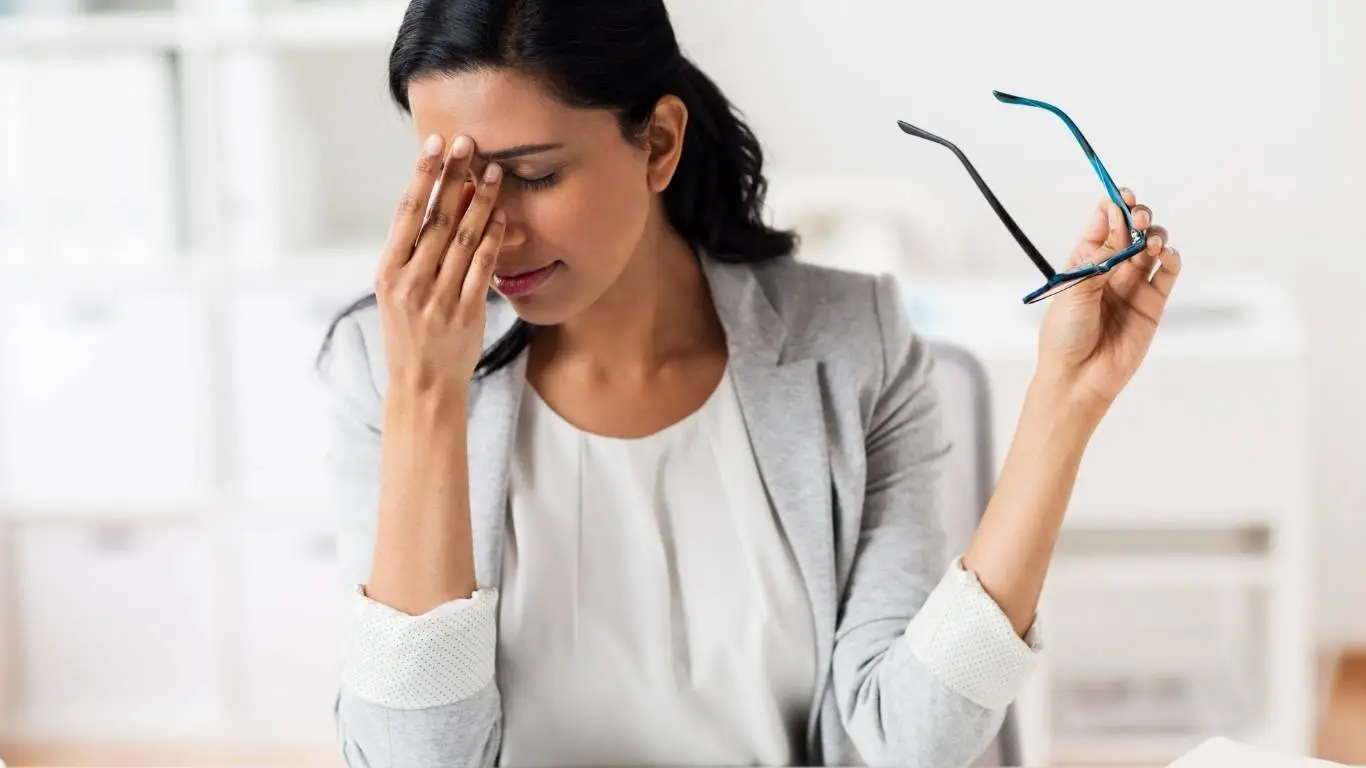
Let’s be real—when a migraine hits, everything else fades into the background. I’ve had days where the slightest noise or flicker of light felt like an assault. If you’re like me, you’ve probably tried dozens of remedies: cold compresses, dark rooms, even meditation apps that promise a magical fix. But nothing—and I mean nothing—has been as surprisingly effective as a proper head massage. It’s not just relaxing; it’s targeted relief that works when done right. Today, let’s dive into the best head massage techniques for migraines—from ancient practices to techniques used in clinical settings.
Understanding How Head Massages Work for Migraine Relief

Migraines aren’t just bad headaches—they’re complex neurological events that involve nerves, blood vessels, and chemicals in your brain. So when you stimulate specific pressure points through massage, you’re not just easing surface tension; you’re helping recalibrate your nervous system.
I used to dismiss massages as luxury spa stuff. That changed when my neurologist explained that scalp massage stimulates serotonin and decreases cortisol. Translation: it actually helps manage the hormonal rollercoaster behind a migraine.
Benefits You Can Expect
- Reduced frequency and severity of migraine attacks
- Improved sleep quality (because migraines love to mess with sleep)
- Decreased muscle tension around neck and scalp
- Improved blood flow to the brain
Top Head Massage Techniques That Actually Work

Over the years, I’ve tested so many techniques that I could write a book. But here are the ones that have consistently delivered relief—not just for me but for others in my migraine support group.
1. Temple Circles (Classic Go-To)
This is the simplest one. Place your index and middle fingers on your temples and gently move in slow, circular motions. Breathe deeply while doing it.
- Apply light to medium pressure
- Move fingers in small clockwise circles
- Continue for 2-3 minutes per side
Temple massage is especially helpful during the prodrome phase when you feel a migraine coming on but it hasn’t fully hit yet.
2. Occipital Release Technique
Often used by chiropractors and physical therapists, this one targets the base of your skull—an often-overlooked culprit in tension migraines.
- Locate the bony ridge where your skull meets your neck
- Use your thumbs to press upward into that area
- Hold for 15-20 seconds, then release slowly
This one’s been a lifesaver for me after long screen-heavy workdays when neck tension is high.
3. Forehead Sweep
Great for sinus pressure or light sensitivity. Using all fingers, sweep gently across your forehead from the center outward.
It feels so simple, but the horizontal motion helps release tension above the eyes and brow—a surprisingly common pain point.
4. Ear-to-Jaw Pull
This technique targets the trigeminal nerve—a key player in migraine attacks. Place your thumbs behind your ears and fingers along your jawline.
- Pull gently toward the jaw
- Move fingers downward as you massage
- Repeat 5-6 times on each side
I’ve even done this one in the car (parked, of course) and it helped ease an oncoming migraine during my commute.
5. Circular Scalp Massage
Imagine you’re shampooing your hair, but slower and more mindful. Use all ten fingers to make small, circular motions across your scalp.
This helps activate blood circulation and calm nerve endings in your scalp.
Tools That Can Enhance Your Massage Game

You don’t need fancy gadgets, but there are a few tools I swear by when my hands are too tired to do all the work:
- Silicone scalp massagers – Affordable and effective for daily use
- Handheld vibrating massagers – Especially helpful when your pain is more deep-seated
- Heated neck wraps – Add gentle heat to relax the surrounding muscles
If you’re wondering whether massage therapy is just a placebo, multiple studies from sources like ncbi.nlm.nih.gov and mayoclinic.org have shown statistically significant reductions in migraine frequency and severity through manual therapy and massage.
Don’t Forget the Neck (Seriously)
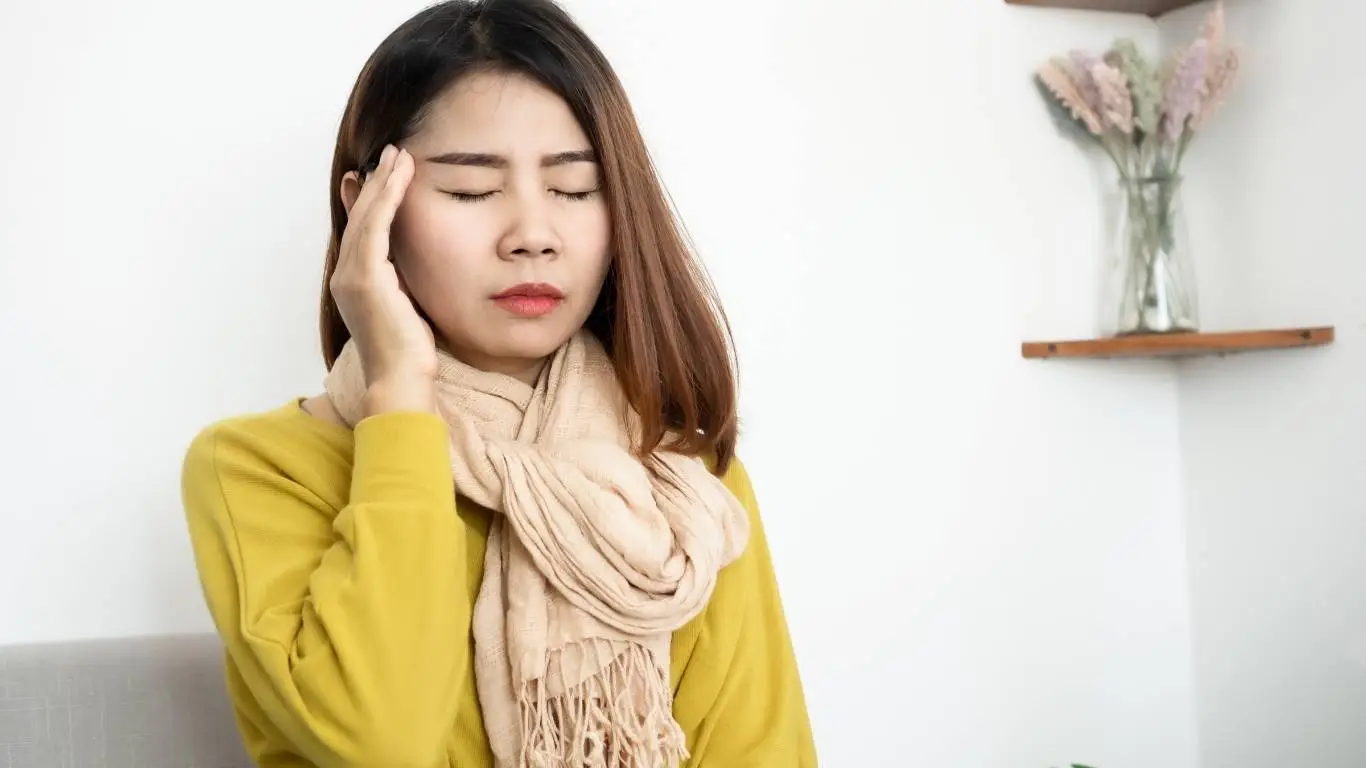
It’s not all about the head. Neck tension and cervical spine issues are often linked to chronic migraines. A well-executed neck massage can stop a migraine before it really gets going. One of the best investments I made last year was in chiropractic massage therapy focused on the neck and shoulders.
Also, if you’re dealing with recurring neck pain along with your migraines, check out this deep-dive: Migraine and Neck Pain Connection.
When to Use These Techniques

- During a migraine: Use gentle pressure and avoid sensitive areas
- After a migraine: Help ease tension hangover
- Daily preventative care: 5–10 minutes each evening can work wonders
Consistency matters. Incorporating a simple scalp or neck massage into your nightly routine might just be the game-changer you didn’t know you needed. Plus, it’s way cheaper than many migraine treatments.
Explore more ways to get ahead of migraines naturally in our comprehensive migraine prevention guide, or dive into our main migraine resource hub at healthusias.com/migraines-and-headaches.
Advanced Massage Techniques That Target Specific Migraine Triggers
Once you’ve mastered the basics, there’s a whole world of massage practices designed to target specific migraine triggers. These aren’t your average rubdowns—you’re working with pressure points and nerve pathways that directly influence pain levels. I remember the first time someone taught me the suboccipital release—it was like flipping off a migraine switch.
Suboccipital Trigger Point Release
This one’s powerful. The suboccipital muscles sit right where your neck meets the skull, and tension here can mimic migraine symptoms. Here’s how to do it solo:
- Lie on your back with a tennis ball (or massage tool) under the base of your skull
- Let your head rest and sink into the pressure
- Hold 30 seconds, gently roll side-to-side, repeat
If you deal with poor sleep or neck stiffness, this technique is worth its weight in gold.
TMJ and Jawline Massage
Migraines often hide in the jaw—especially for teeth grinders or those with tension-type headaches. Jaw massage helps release stress stored in the face muscles:
- Open and close your mouth slowly, finding tight areas
- Use knuckles to apply circular pressure from ear to chin
- Repeat on both sides while breathing deeply
I didn’t realize how tight my jaw was until I started doing this daily. If you suffer from mixed migraines and tension headaches, definitely give this a try.
Facial Lymphatic Drainage
Sounds fancy, but this light massage helps reduce pressure and fluid retention in your face and head—especially helpful for sinus migraines or hormonal fluctuations.
Use feather-light strokes from the nose outward toward the ears, then down the jawline to the neck. I swear this technique helps me the morning after a migraine—when my face feels puffy and sore.
Pairing Massage with Other Natural Relief Methods

Massage doesn’t have to be a standalone solution. In fact, combining techniques multiplies the relief. Here are some tried-and-true pairings I use all the time:
- Massage + Aromatherapy: Lavender and peppermint oil can enhance scalp relaxation
- Massage + Hot/Cold Therapy: Use a cold pack on the forehead while massaging the neck
- Massage + Acupressure: Especially the LI-4 pressure point between the thumb and index finger
Explore more about natural migraine combos like this in our Natural Migraine Remedies hub.
How Often Should You Massage for Migraines?

There’s no magic number, but here’s what worked for me:
- Daily scalp massage – 5 minutes before bed
- Neck and shoulder massage – 3x per week
- Pressure point release – At first sign of a migraine
Consistency is key. Think of it like brushing your teeth—you don’t wait for cavities to appear, right? Same goes for migraines. Incorporating massage into your weekly rhythm can help catch migraine warning signs before they erupt.
Massaging During a Migraine vs. Between Attacks

This is important. When you’re in the middle of a full-blown attack, aggressive massage can make things worse. But a gentle, focused massage around the neck, temples, and jaw can still offer relief—especially when combined with medication.
But if you’re working on preventing migraines, a more intense massage routine between attacks can be incredibly effective.
Pro Tip: Track Your Results
Keep a simple migraine + massage log. Note what time the massage was, what area you focused on, and how you felt afterward. You’d be amazed what patterns show up after a few weeks. Start with a simple migraine diary template if you’re not sure how.
What to Avoid While Massaging

Yes, there’s a wrong way to do this stuff. Here’s what to avoid:
- Excessive pressure: Especially around the temples or neck—this can worsen symptoms
- Skipping hydration: Massage can release toxins—drink water after!
- Ignoring posture: If you’re hunched over during your massage, it defeats the purpose
I’ve learned the hard way. Once I pressed too hard on my scalp and actually triggered a migraine I was trying to prevent. Gentle is usually better.
Professional Help vs. DIY: Which One Is Best?

DIY massage is great for quick daily relief, but don’t underestimate a skilled professional. A licensed massage therapist familiar with migraine-specific care can go deeper, uncover trigger points you didn’t know existed, and build a strategy that fits your migraine type.
Also, if your migraines are chronic, combining massage with other treatments like CGRP inhibitors or lifestyle adjustments can be even more effective.
Where to Learn More and Go Deeper

For those who want to go further, start with our trusted migraine resource center at healthusias.com/migraines-and-headaches.
And if you’re ready to master preventative strategies and understand your triggers, this guide to migraine prevention is a solid next step.

Bianca Nala is a compassionate Nurse Practitioner with a strong background in primary and respiratory care. As a health writer for Healthusias.com, she combines her clinical expertise with a talent for clear, relatable storytelling to help readers better understand their health. Bianca focuses on topics like asthma, COPD, chronic cough, and overall lung health, aiming to simplify complex medical topics without losing accuracy. Whether she’s treating patients or writing articles, Bianca is driven by a single goal: making quality healthcare knowledge accessible to everyone.