Naturally Balance Vaginal pH After BV and Prevent Recurrence
After battling Bacterial Vaginosis (BV) more times than I care to admit, I learned that fixing the infection is just the beginning — the real challenge? Keeping things in balance *down there* once it’s gone. If you’re wondering how to naturally balance vaginal pH after BV, you’re not alone. I’ve been through the cycle of antibiotics → relief → BV again. Not fun. But when I shifted focus to **restoring pH and supporting the vaginal microbiome naturally**, everything changed. Here’s what actually worked for me and what science backs up.
Understanding Vaginal pH After BV

Normally, a healthy vagina has a pH between 3.8 and 4.5 — slightly acidic. That acidity keeps harmful bacteria in check while allowing the *good guys*, like Lactobacillus, to thrive. But after BV, that balance is wrecked. The overgrowth of anaerobic bacteria during BV raises vaginal pH, and unless it’s corrected, it creates a cycle where BV just keeps coming back.
Why Restoring pH Matters
- Helps prevent recurrent BV
- Supports healthy discharge and odor
- Protects against other infections (yeast, UTIs, etc.)
- Promotes natural immunity and comfort
Many people ask: Can’t antibiotics just fix everything? Not really. Antibiotics wipe out bad and good bacteria alike — they don’t help your vaginal flora recover. That part is up to you.
Probiotics: Not Just Yogurt

When I first heard about taking probiotics for BV, I thought of yogurt. Sure, yogurt has some good bacteria, but it’s nowhere near enough. I had to go for the big guns: supplements specifically designed for vaginal health, especially those containing Lactobacillus crispatus and Lactobacillus rhamnosus.
Taking oral probiotics worked well for me, but adding vaginal probiotics made a noticeable difference — faster relief, less irritation, and a more consistent feeling of balance. Based on a study from NIH, using vaginal probiotics can significantly reduce recurrence rates of BV and promote a healthy pH.
Tips When Using Probiotics
- Take them daily for at least 3 months post-BV
- Look for refrigerated products (better survival rate)
- Check CFU count — at least 10 billion is ideal
The Diet Link: What You Eat Shapes Your V

I didn’t believe it until I saw the difference myself. When I cut back on sugar and added more fermented foods, things just felt better. Sugar feeds the bad bacteria that disrupt your vaginal microbiome — and yes, that includes hidden sugars in “healthy” granola bars and flavored yogurts.
Curious about foods that feed the *good* bacteria? Check out this list: Foods That Feed Good Bacteria. There’s also a great breakdown on how sugar impacts BV if you want a deeper dive.
Natural Remedies I Swear By

Okay, full honesty: I was skeptical about natural remedies — but some of them genuinely helped. I didn’t go wild or insert garlic (please don’t), but here’s what actually worked for me:
Apple Cider Vinegar Baths
A gentle soak with a quarter cup of apple cider vinegar in a warm bath helped reduce itching and seemed to bring some pH relief. No douching. Ever.
Coconut Oil
Used externally, not internally, this helped soothe irritation post-BV. It has light antimicrobial properties and kept things moisturized in a good way.
Read more on apple cider vinegar and coconut oil for BV here if you’re curious.
Hygiene Habits That Actually Help

We’re taught to scrub and soap everything, but that’s the worst thing you can do after BV. Gentle is the name of the game. Here’s what finally made a difference for me:
- Only wash externally with water or unscented cleanser
- Wear cotton underwear (seriously, ditch synthetics)
- Change out of sweaty clothes quickly
- Wipe front to back — always
This guide to hygiene habits really helped me rethink things — what I thought was “clean” was doing more harm than good.
Sexual Health and BV Recovery

This might be awkward to bring up, but sex can throw everything off — especially right after BV treatment. Semen is alkaline, which messes with vaginal pH. That doesn’t mean abstain forever, just be mindful.
Using condoms consistently was a game-changer for me during recovery. Also, peeing and gently cleansing afterward helped avoid irritation. This article on BV and sexual activity explains the science behind it better than I can.
For a deeper understanding of symptoms that signal lingering imbalance, visit our BV symptoms page. Also, learn more from the main Bacterial Vaginosis guide.
Daily Routines That Keep Your pH in Check
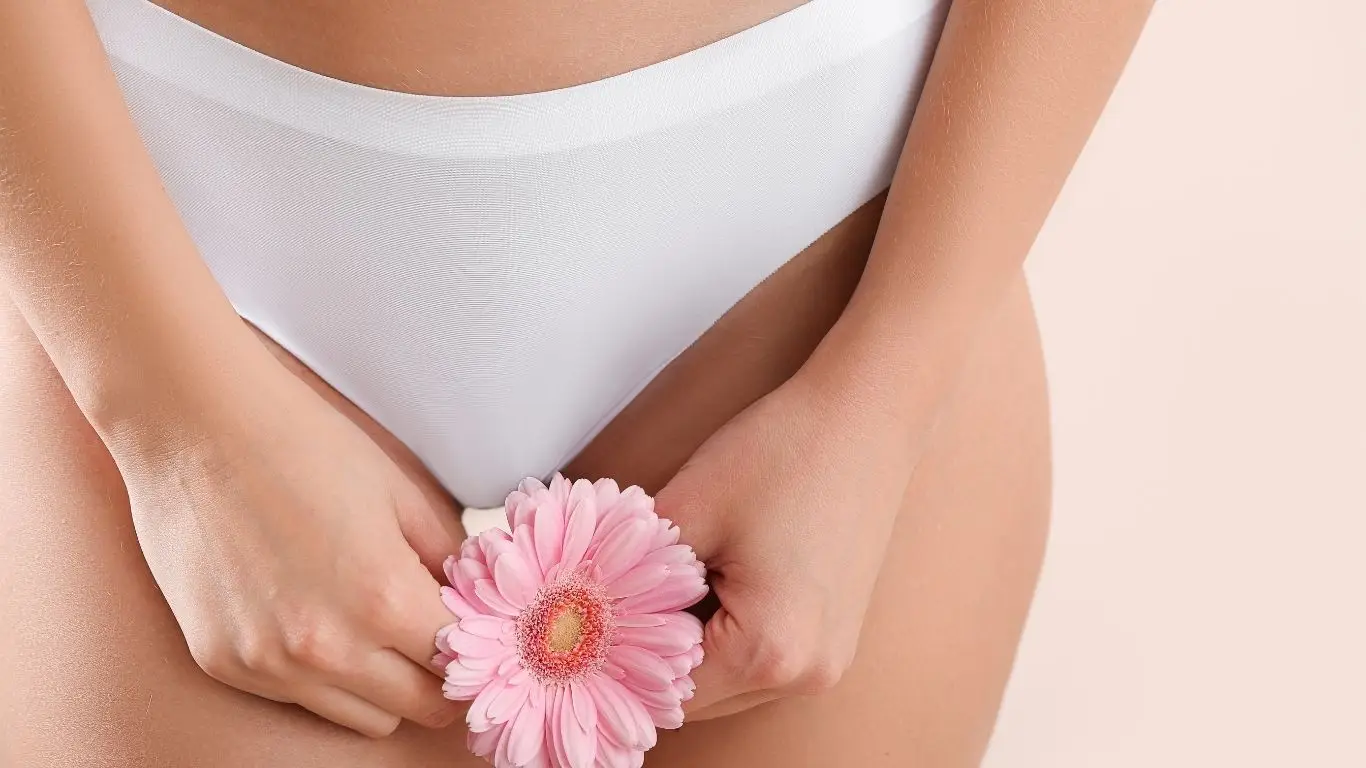
Once I stopped overcomplicating things and just stuck with a consistent daily routine, things finally stabilized. Here’s what my basic routine looks like now:
- Morning: Oral probiotic + hydration with lemon water
- After shower: Change into breathable cotton underwear
- Midday: Quick bathroom hygiene check (especially after workouts)
- Evening: No sugar after 8PM, probiotic-rich dinner (hello kimchi!)
These aren’t magic — they’re just habits that support the vaginal ecosystem. But for me, they’ve made the difference between recurring BV and feeling like my body is working with me, not against me.
What to Avoid (Learned the Hard Way)

Let’s just say I’ve made some mistakes along the way. Some of these I didn’t even realize were messing up my pH until I connected the dots:
- Fragrance-packed “feminine washes” – No. Just no.
- Tight, non-breathable pants – A yeast infection waiting to happen.
- Synthetic underwear – Turns your underwear into a sauna.
- Douching (even the “natural” ones) – Total microbiome destroyer.
It wasn’t just about what I added — it was what I *stopped doing* that mattered. This douching myths article changed how I viewed “freshness.” Spoiler: if you’re using a product to smell clean, it’s probably damaging your flora.
Hormonal Balance & Its Role

One thing that rarely gets talked about? Hormones. I noticed that right before my period, my pH would feel… off. Turns out, hormonal fluctuations — especially estrogen dips — can totally mess with vaginal acidity.
During those times, I doubled down on probiotic-rich foods and made sure to avoid sugar. This guide on BV after menstruation explained a lot for me, especially how menstruation temporarily raises vaginal pH.
Balancing hormones can also be influenced by diet and stress, both of which affect your gut and vaginal microbiome. It’s all connected.
Stress: The Invisible Saboteur
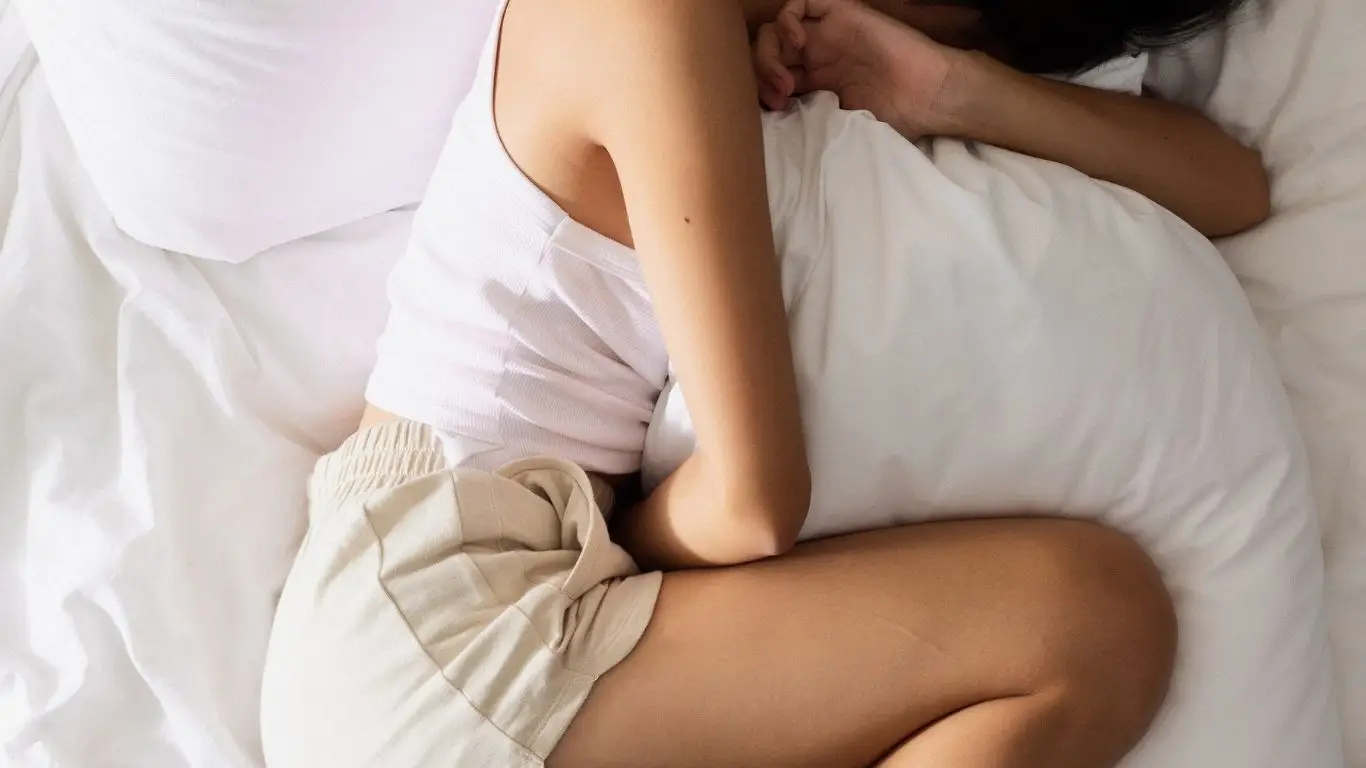
When I was under constant stress at work, my BV kept coming back. I didn’t get it at first — I was doing everything “right” physically. But stress hits differently. It weakens your immune response and throws your hormones out of whack, which in turn affects your vaginal flora.
According to CDC research, chronic stress impacts gut health — and since your gut and vaginal microbiomes are linked, that’s a big deal. I now make mindfulness part of my routine. Nothing elaborate — even 10 minutes of deep breathing helps.
More on this connection in this article on stress and BV.
Post-Antibiotic Recovery: What Helped Me

The week after finishing antibiotics was always the most vulnerable time for me. Here’s what helped me bounce back quicker and stay balanced:
- Repopulating with high-dose vaginal probiotics immediately after treatment
- Hydration — like, a LOT of water
- Cutting sugar for 10 days straight (tough but totally worth it)
- Using panty liners only when absolutely necessary — they trap moisture
Also, the first time I had a recurrence, I thought I was doing something wrong — but turns out, it’s really common. The key is long-term strategy, not a one-time fix.
Safe Sex & Communication with Partners

Talking to a partner about BV might feel weird, but trust me — if they’re worth it, they’ll get it. What helped me was being upfront about why I preferred condoms and asking for support during recovery. Most were understanding, and it gave me peace of mind.
Also, you might want to check out this helpful post on whether your partner needs treatment — it’s not always necessary, but important to consider if you’re dealing with recurring BV.
Supporting Your Microbiome Long-Term

Here’s the truth: vaginal pH doesn’t stay perfect all the time — it fluctuates. But the more you support your body consistently, the easier it gets to bounce back from those little shifts.
Here’s what’s now part of my monthly rhythm:
- Probiotic breaks and cycling different strains
- Tracking discharge changes around ovulation and period
- Minimal underwear at home (yep — letting it breathe!)
- Making fermented foods a weekly staple
If you’re ready to dig even deeper into how to prevent relapses and build long-term balance, don’t miss this article on recurring BV prevention. And of course, our main BV guide covers everything you need to know.

Dr. Gwenna Aazee is a board-certified Internal Medicine Physician with a special focus on hypertension management, chronic disease prevention, and patient education. With years of experience in both clinical practice and medical writing, she’s passionate about turning evidence-based medicine into accessible, actionable advice. Through her work at Healthusias.com, Dr. Aazee empowers readers to take charge of their health with confidence and clarity. Off the clock, she enjoys deep dives into nutrition research, long walks with her rescue pup, and simplifying medical jargon one article at a time.