Lumbar Traction at Home Safely Can Relieve Pain Without Medication
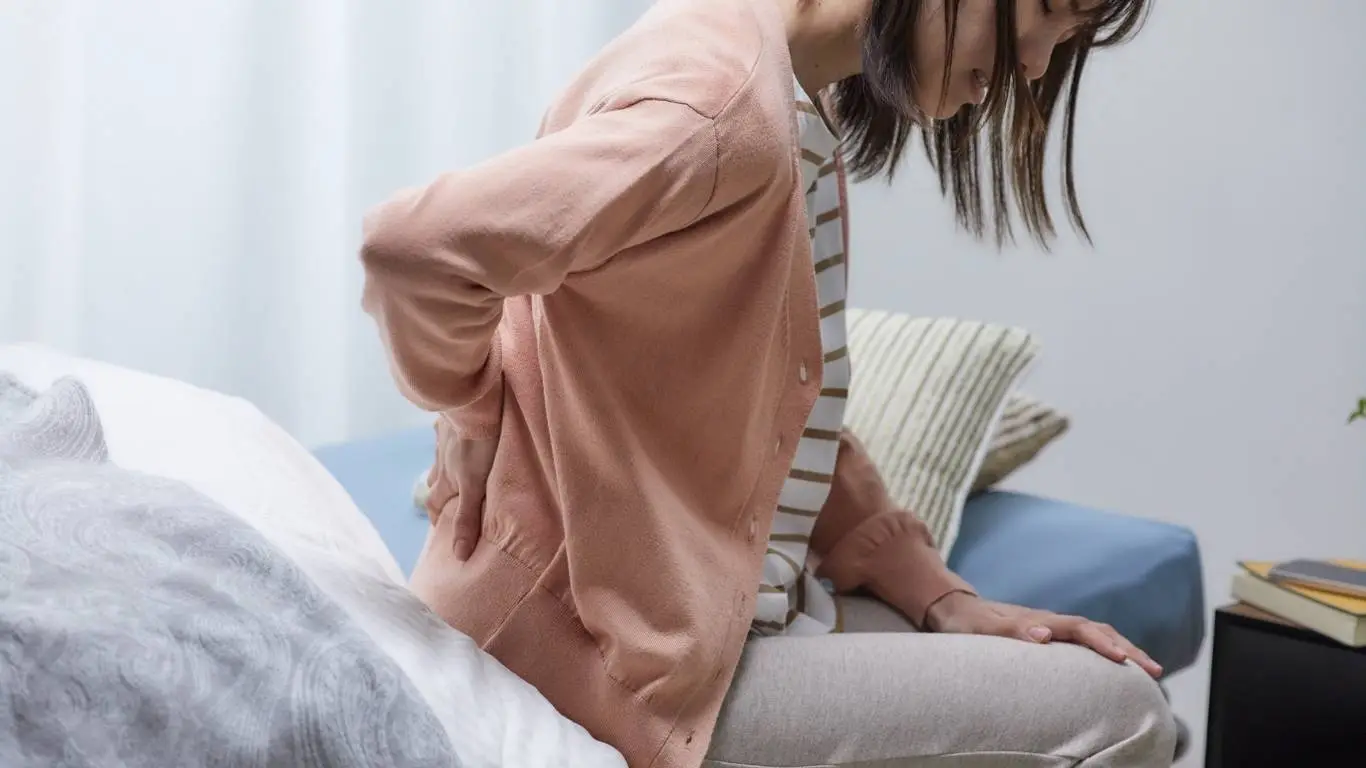
If you’ve ever found yourself hunched over in pain, wincing with every step, wondering if your lower back will ever feel normal again—you’re not alone. I’ve been there. It started as a dull ache after long drives, and before I knew it, I was Googling every possible treatment. One method that stood out to me was lumbar traction. Not in a fancy clinic, but right in my living room. Yep—*lumbar traction at home* is not only possible, but when done right, it can be surprisingly effective.
What Is Lumbar Traction, Really?

At its core, lumbar traction is a method used to gently stretch the lower spine to alleviate pressure on compressed discs or pinched nerves. It’s been used for conditions like herniated discs, sciatica, and degenerative disc disease—issues that many of us silently struggle with.
But here’s the deal: you don’t need to rely solely on in-clinic sessions. With a little knowledge, some guidance, and the right setup, you can safely perform lumbar traction at home. The key is knowing what works and what doesn’t.
How Lumbar Traction Helped Me (And Could Help You Too)

I first tried lumbar traction after weeks of lower back pain that didn’t respond to stretching or painkillers. A physical therapist introduced me to it, and after just a few sessions—combined with some home strategies—I noticed less tension and better movement. That’s when I started researching and carefully testing home methods.
Here are some ways it’s personally helped me:
- Reduced nerve irritation: Sciatica pain down my leg lessened after regular home sessions.
- Improved posture: I noticed I was no longer slumping when I sat for long periods.
- Better sleep: No more tossing around trying to find a “pain-free” position.
Safe Ways to Perform Lumbar Traction at Home

Before diving in, always talk to a qualified professional—especially if you have a specific diagnosis like bulging disc or spinal stenosis. But once you’re cleared, here are some tried-and-true methods I found useful:
1. Using a Lumbar Traction Device
There are dedicated devices like over-the-door systems, inversion tables, and inflatable lumbar support belts. I personally used an inflatable belt that provided controlled traction while lying down—it felt like someone was gently stretching my lower spine.
2. DIY Traction with a Stability Ball
This one’s simple: lay on a yoga mat, place your feet on a large stability ball, and slowly scoot your butt away from the ball. It creates a gentle pull on your lumbar area. I started with just five minutes a day and gradually worked up to 15.
3. Passive Lumbar Stretch
Place a rolled towel under your lower back while lying down and let gravity do its thing. It’s subtle but effective. Pair this with stretches for back pain to maximize the relief.
Signs It’s Working (And When to Stop)

You shouldn’t feel sharp pain during traction. If you do—stop immediately. But if you feel:
- A gentle pull or stretch in the lower back
- Reduced leg pain if you suffer from sciatica
- Improved range of motion when bending or sitting
…you’re probably on the right track.
However, traction isn’t for everyone. People with osteoporosis, fractures, or spinal tumors should avoid it altogether. If you’ve ever wondered when back pain might signal something serious, that’s a crucial read before trying any home therapy.
How to Boost Results with Daily Habits

Traction is great—but it’s even more powerful when combined with other smart strategies. For example:
- Switch to an ergonomic office chair if you’re working long hours at a desk.
- Use a standing desk occasionally to reduce sitting pressure.
- Incorporate core-strengthening workouts from yoga or pilates.
- Support your sleep with the right mattress.
What the Experts Say

The National Institutes of Health and Cleveland Clinic both highlight lumbar traction as a helpful modality for certain types of back pain—when used appropriately. It’s not a cure-all, but it’s a tool. A solid one, when added to your self-care kit.
For a deeper dive into how back anatomy affects treatment, check out this essential guide on types and anatomy of back pain. It lays the groundwork for understanding why certain home methods—like traction—work better for some people than others.
And if you’re new to the world of back care, the main back pain resource page is the perfect place to explore broad strategies and foundational knowledge that can transform how you deal with discomfort long-term.
Common Mistakes When Doing Lumbar Traction at Home

Let me save you some trouble—I’ve made the rookie mistakes so you don’t have to. At first, I thought more tension meant better results. Not true. In fact, cranking too much pressure can make things worse.
Here are a few slip-ups to avoid if you’re doing lumbar traction at home:
- Skipping warm-up: Jumping straight into traction without warming up can shock your back muscles.
- Overdoing it: More than 20 minutes of daily traction may lead to muscle spasms or increased inflammation.
- Improper angles: Lying on uneven surfaces or using furniture that doesn’t support your lower back can strain other areas.
- Ignoring your body’s signals: If your legs go numb or pain shoots down your spine—stop immediately.
Sometimes pain returns after a good run of home traction. That’s often because we unknowingly go back to habits that triggered the pain in the first place—like slouching or poor sleeping posture. This article on why back pain worsens at night helped me connect some dots I was missing.
Best Times to Do Lumbar Traction at Home

One thing I learned after weeks of trial and error: timing really matters. I found that morning sessions helped “reset” my spine for the day, especially after waking up stiff. Others find more relief from evening traction—letting the spine decompress after a full day of sitting or standing.
Some helpful tips:
- Morning: Do gentle traction 20–30 minutes after waking up. Avoid intense movement right after getting out of bed.
- Post-work: After long sitting sessions, it helps to stretch and then follow up with traction.
- Before sleep: A short session before bed improved my sleep quality, especially when paired with sleeping positions that reduce back tension.
Regardless of timing, be consistent. I started with 10-minute sessions every other day and adjusted based on how I felt.
Combining Lumbar Traction with Other At-Home Treatments
Traction isn’t a solo act—it’s part of a well-rounded self-care strategy. I got the best results when I stacked it with other therapies. For example, after traction, I’d follow up with massage therapy techniques at home or use a foam roller.
Here are some great additions to boost your recovery:
- Heat or cold therapy: Apply a warm compress before traction to loosen muscles, or a cold pack afterward to reduce inflammation. This piece on hot vs. cold therapy explains when to use each.
- Stretching: Hamstring and hip flexor stretches work wonders when combined with traction. Tight muscles around the pelvis can pull the spine out of alignment.
- Core stability training: Building strength with Pilates helped me stabilize my lumbar spine and prevent flare-ups.
- Mindfulness: Surprisingly, chronic pain is often tied to stress. Using mindfulness meditation calmed not only my mind but also my muscle tension.
Red Flags You Shouldn’t Ignore

Traction can be helpful, but it’s not a cure-all. If you’re seeing no improvement or symptoms are worsening, something deeper might be going on. Conditions like spinal tumors or infections might not respond to home treatments.
Watch for:
- Numbness or tingling in the groin or legs
- Loss of bladder or bowel control
- Persistent pain at night that doesn’t ease with position changes
For a breakdown of when symptoms become red flags, refer to this article on red flags in back pain.
When to See a Specialist

If lumbar traction hasn’t helped after a few weeks, it may be time to consult a spine specialist. You could need imaging like an MRI or more targeted interventions like epidural injections or radiofrequency ablation.
One of the best overviews on this is from the Mayo Clinic, which discusses when non-invasive treatments hit their limit and what steps to take next.
Don’t Underestimate Daily Ergonomics

I’ll admit it: I ignored posture and chair support for way too long. The moment I invested in a proper lumbar cushion and stood up to stretch every hour, things changed. If your work-from-home setup is sabotaging your recovery, lumbar traction alone won’t cut it.
Check out this practical advice on manual labor back pain—but even office jobs can do a number on your spine if your setup isn’t right.
And when you’re ready to dive deeper into the bigger lifestyle adjustments that can speed up your healing, the full guide on lifestyle and natural remedies for back pain is a must-read.
For broader context on how back pain develops and what contributes to long-term discomfort, don’t miss the core resource on back pain. It ties everything together and will guide you toward making smarter choices every day.

Camellia Wulansari is a dedicated Medical Assistant at a local clinic and a passionate health writer at Healthusias.com. With years of hands-on experience in patient care and a deep interest in preventive medicine, she bridges the gap between clinical knowledge and accessible health information. Camellia specializes in writing about digestive health, chronic conditions like GERD and hypertension, respiratory issues, and autoimmune diseases, aiming to empower readers with practical, easy-to-understand insights. When she’s not assisting patients or writing, you’ll find her enjoying quiet mornings with coffee and a medical journal in hand—or jamming to her favorite metal band, Lamb of God.