Are Floaters Permanent or Can They Fade Over Time Naturally
So there I was, staring at the ceiling fan one lazy Sunday afternoon when I noticed it again—those annoying little specks drifting across my vision like tiny jellyfish in a murky tank. If you’ve ever seen eye floaters, you know how they can seem harmless one moment and borderline panic-inducing the next. It got me wondering: Are floaters permanent, or can they actually go away? I’ve lived with them for years, and I’ve dug into every corner of the internet, spoken to a few eye doctors, and even tried a couple of oddball remedies. Let’s dive into what I found—no jargon, just real talk.
What Exactly Are Eye Floaters?
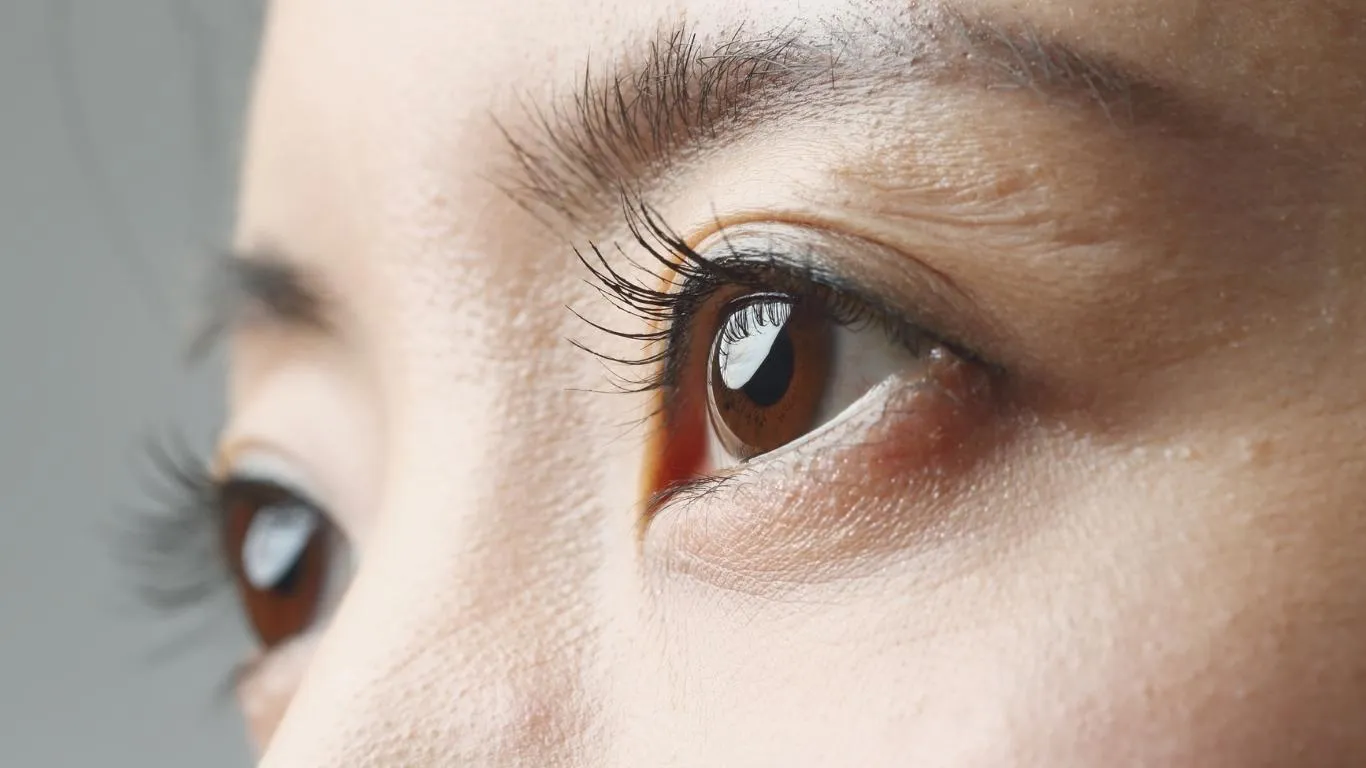
Eye floaters are those squiggly, semi-transparent shapes that drift in and out of your line of sight. Think specks, strings, or little cobwebs. Most people describe them as shadowy shapes that seem to swim across their field of vision when looking at something bright like the sky or a white wall. And no, you’re not imagining it—they’re real, just not where you think.
They’re actually tiny clumps or strands of collagen inside your eye’s vitreous humor, the gel-like substance that fills the space between your lens and retina. As we age, this gel starts to shrink and become stringy, casting shadows on the retina. That’s what you’re seeing—literally your eye’s internal changes coming into focus.
Are Floaters Permanent?
This is the big one. And it’s not a simple yes or no. Some floaters do stick around for life, while others may fade or shift out of your central vision. It really depends on the type, the cause, and your overall eye health.
Types of Floaters That May Be Permanent
- Degenerative Floaters: Usually caused by age-related vitreous changes. These tend to stay, though they may settle lower in the eye.
- Post-surgical Floaters: After cataract or LASIK surgery, some people report long-lasting floaters. These often don’t fully go away.
- Floaters from Eye Trauma: Injury-related floaters can result from blood or cell debris in the vitreous that may take a long time—or never—fully reabsorb.
When Floaters Might Fade or Move
Not all floaters are stubborn. Some floaters, especially the soft, mobile ones, can drift out of your visual field and become much less noticeable over time. This was the case with a big blob I used to see every time I looked at my computer screen—it slowly migrated out of sight over several months.
- Gravity can pull them down over time, making them settle lower in the eye.
- Neuroadaptation helps your brain learn to ignore them.
- Smaller or temporary floaters from minor inflammation or infection may clear up completely.
One of the most frustrating facts is that floaters often feel worse before they fade. The initial awareness can make them seem larger and more intrusive than they are.
When Are Floaters a Sign of Something Serious?
Here’s where I get a little more serious. Most floaters are harmless. But—and it’s a big “but”—there are times they could indicate a more dangerous condition like a torn or detached retina. That’s why my optometrist drilled this into me: If you suddenly notice a shower of floaters, especially with flashes of light or a curtain-like shadow, call your eye doctor immediately.
Retinal tears and detachments are medical emergencies. Ignoring them can mean permanent vision loss. According to the American Academy of Ophthalmology, about 1 in 10 people with sudden floaters and flashes may have a retinal tear. That’s not super common—but it’s common enough to take seriously.
If you’re unsure whether your floaters are typical or alarming, this breakdown from this guide can help you spot the red flags.
Can You Treat or Get Rid of Floaters?
Okay, let’s get to the real question. If floaters are driving you crazy—can you do anything about them?
The “Do Nothing” Approach
Honestly, most doctors recommend observation. If your floaters aren’t interfering with daily life, they’ll likely suggest patience. The brain does a great job at tuning them out over time. For me, after a few months of obsessing, I barely noticed mine anymore—until I started writing this.
Laser Vitreolysis
This is a non-invasive laser procedure where an ophthalmologist uses a laser to vaporize the floaters. Results can vary, and not all floaters are suitable for this treatment. It’s generally used for larger, more defined floaters that float close to the retina. It’s gaining popularity, but still not mainstream. Reviews are mixed, so research carefully.
Vitrectomy Surgery
This is the nuclear option. Vitrectomy involves removing the vitreous gel entirely and replacing it with a saline solution. It’s effective but carries risks like retinal detachment and cataracts. Definitely not a casual decision.
Here’s a helpful deep dive on treatment options that covers these methods in more detail.
Do Floaters Ever Disappear Naturally?
In short—sometimes. Small floaters can dissolve on their own, and many shift out of sight. I had a friend who developed floaters after a viral eye infection. They bugged her for a couple of weeks and then just faded out. Turns out, floaters from inflammation can often resolve if the underlying condition improves.
This article about reducing floaters after infections is a great place to learn more, especially if yours appeared during or after an illness.
To really understand floaters and their full lifecycle, I’d recommend starting with this solid foundational article, which covers causes and options in detail. It helped me put a lot of this into perspective.
If you’re still trying to make sense of where your floaters came from, check out this in-depth piece on common causes—from aging to trauma and more.
Can Lifestyle or Diet Impact Floaters?
This is one of those questions I kept coming back to—can I change what I eat or how I live to help with floaters? The honest answer? Kind of. While you can’t magically dissolve floaters with a smoothie (I tried), certain habits may support better vitreous health and possibly slow down their development.
Things That Might Make Floaters Worse
- Dehydration: Several floaters I’ve had got noticeably more distracting after long days of low water intake. Turns out, dehydration can thicken the vitreous gel, making floaters more prominent.
- Excessive screen time: Late nights staring at my phone seemed to crank mine up a notch. Eye strain doesn’t cause floaters, but it makes you notice them more.
- Stress: No surprise here. Stress tightens your muscles, affects your sleep, and can trigger cortisol responses—none of which help. Here’s a quick read on how stress can amplify floaters.
Dietary Tweaks That May Help
Again, nothing cures floaters overnight, but I started paying attention to nutrients known to support eye and collagen health:
- Vitamin C and E: Support eye tissue repair and antioxidative processes.
- Lutein and Zeaxanthin: Found in leafy greens and known for their retinal support. I added more kale and eggs to my meals.
- Omega-3s: I take a daily fish oil supplement, and while floaters didn’t vanish, my eyes definitely feel less dry and strained.
For those looking to take it a step further, here’s a helpful guide on diet changes for managing floaters naturally.
Is It Normal to See Floaters at a Young Age?
You’d think floaters only show up after 50, right? Nope. I noticed my first one in my early 30s. And I’m not alone—even young adults can develop floaters, especially those with nearsightedness (yep, me again), head injuries, or inflammatory conditions.
Floaters in young people are usually harmless but should still be evaluated, especially if they’re sudden or severe. You don’t want to miss signs of something more serious like uveitis or retinal damage.
What About Floaters After Surgery?
This is a hot topic, especially for anyone who’s gone through cataract or LASIK procedures. While these surgeries don’t directly cause floaters, changes in the eye’s internal structure can make them more noticeable—or even dislodge old ones.
After my dad had cataract surgery, he noticed new floaters immediately. It freaked him out, but they gradually faded. Some people aren’t so lucky, though. Check out this breakdown on how floaters can appear after surgery.
Also, for anyone who’s recently had eye laser procedures, this guide on post-laser floaters is worth a read.
Are Floaters a Sign of Something Else?
This is where the “E” in E-E-A-T (Experience) gets real. After talking to multiple specialists and doing more reading than I care to admit, I learned that floaters are sometimes linked to underlying health conditions. Not often, but enough to pay attention.
- High blood pressure: This one shocked me. Elevated pressure can affect blood vessels in the retina, making floaters worse.
- Autoimmune conditions: Diseases like lupus or rheumatoid arthritis can cause eye inflammation. I had no idea until a friend with lupus started seeing floaters regularly.
- Diabetes: Poor glucose control can lead to diabetic retinopathy and related floaters. Here’s a deeper look at diabetic floaters.
If floaters come with pain, redness, or a sudden spike in number, they may be part of a larger picture. A good eye exam goes a long way here.
So, Are Floaters Reversible or Forever?

If you’ve read this far, you probably already know—there’s no one-size-fits-all answer. Some floaters fade away, some stick around like annoying exes, and others require medical attention. The good news? Most are harmless, and your brain is a champ at tuning them out over time.
There’s no miracle cure (trust me, I looked), but you can support your eye health, avoid common triggers, and get regular checkups to stay ahead of anything serious. If floaters have been bothering you more lately, check out this guide on why screen-heavy days might be to blame.
And if you’re just starting your journey into understanding eye floaters, this comprehensive main guide is where it all begins. Trust me, it’s worth a read.
Still trying to figure out where your floaters came from or if they’re related to a deeper issue? Don’t miss this go-to breakdown of common floater causes and how to spot the difference between harmless and urgent.

Camellia Wulansari is a dedicated Medical Assistant at a local clinic and a passionate health writer at Healthusias.com. With years of hands-on experience in patient care and a deep interest in preventive medicine, she bridges the gap between clinical knowledge and accessible health information. Camellia specializes in writing about digestive health, chronic conditions like GERD and hypertension, respiratory issues, and autoimmune diseases, aiming to empower readers with practical, easy-to-understand insights. When she’s not assisting patients or writing, you’ll find her enjoying quiet mornings with coffee and a medical journal in hand—or jamming to her favorite metal band, Lamb of God.