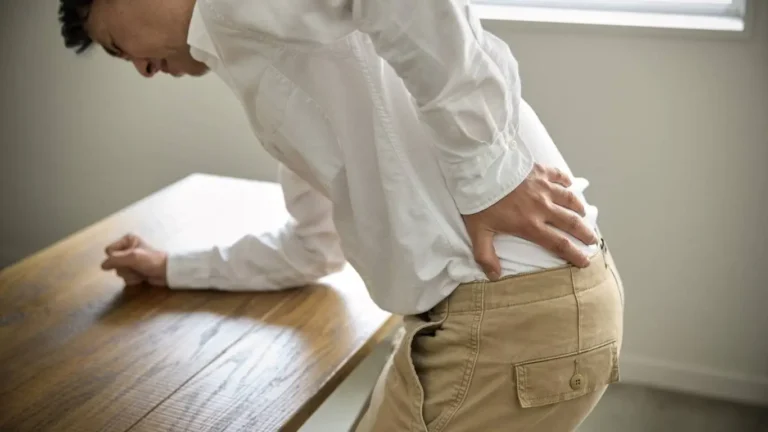
How Neck Posture Affects Migraines and What You Can Do About It
Not too long ago, I found myself wincing from yet another migraine that seemed to strike out of nowhere. But after a few patterns started to emerge, one surprising culprit kept popping up: my neck posture. Yep—something as seemingly harmless as the way I sat at my desk or looked down at my phone was quietly contributing to those unbearable episodes. And I’m definitely not alone. A growing number of people are discovering the powerful connection between neck alignment and migraines, and once you dig into the science (and real-life stories), it starts to make a lot more sense.
How Poor Neck Posture Can Be a Migraine Trigger

Think of your neck as the structural bridge between your brain and body. When posture breaks down—like when you slouch at a computer or tilt your head forward for hours on your phone—that bridge takes on abnormal stress. That strain doesn’t just stop at sore muscles; it affects nerve pathways, blood flow, and even your brainstem. For people prone to migraines, that’s a recipe for disaster.
Forward Head Posture (FHP) and “Tech Neck”
One of the most common postural imbalances today is Forward Head Posture, often caused by staring at screens. This position shifts your head several inches in front of your shoulders, multiplying the weight your neck supports and increasing tension on the cervical spine.
- Muscle tension builds at the base of the skull
- Cervical joints compress and irritate surrounding nerves
- Restricted blood flow may reduce oxygen to key areas of the brain
All of these factors can create or exacerbate migraines, especially in people already sensitive to light, sound, or stress. It’s not just a theory—some neurologists now routinely ask migraine patients about their posture and screen habits during evaluations.
More on how migraines and neck pain intertwine.
Real People, Real Neck Pain-Induced Migraines

I first noticed the link after spending back-to-back Zoom meetings hunched over my laptop. A few hours later, boom—a stabbing ache behind my right eye. My physical therapist pointed out my neck posture, and after a few adjustments and stretches, things started to shift. I’m not cured, but there’s been a serious drop in frequency and intensity.
This experience isn’t unique. In fact, many patients with vestibular migraines (a subtype with dizzy spells) report neck tension or stiffness before an attack. The same is true for people with chronic migraine—neck issues may be both a trigger and a side effect.
Common Symptoms That Indicate a Neck-Related Migraine
- Dull or throbbing pain that starts at the base of the skull
- Pain that spreads to one side of the head or behind one eye
- Stiff neck and reduced range of motion
- Pressure or tingling in the shoulders
Interestingly, one study from ncbi.nlm.nih.gov found that more than 75% of migraine sufferers experience neck pain either before or during an attack, blurring the lines between symptom and trigger.
Why Your Migraine Plan Should Include a Posture Assessment

If you’re chasing relief with medication, you might be missing a major root cause. A posture evaluation from a trained professional—like a physical therapist, chiropractor, or even a posture-specialized personal trainer—can be a game-changer.
What a Good Posture Check Includes:
- Assessment of your head, shoulder, and spine alignment
- Evaluation of screen and desk height (especially if you work at a computer)
- Simple tests for flexibility and strength imbalances
Small corrections can go a long way. After adjusting my monitor height and swapping my office chair for one with neck support, I felt an instant difference—not just in my pain levels, but my energy and focus.
Want a deeper dive into how professionals assess migraine triggers? It’s a fascinating and sometimes overlooked aspect of care.
Posture-Friendly Habits That Can Minimize Migraine Frequency

Not everything needs to be a total lifestyle overhaul. These simple changes made a huge difference in my day-to-day life and might just work for you too:
1. Ergonomic Workstation Setup
- Keep screens at eye level—use stands if needed
- Support your lower back and sit with both feet flat
- Use a separate keyboard and mouse to prevent forward leaning
2. Take Regular “Movement Breaks”
- Stand and stretch every 30–45 minutes
- Try neck rolls and shoulder shrugs to relieve tension
- Walk while on phone calls if possible
3. Practice Posture Awareness Throughout the Day
- Use posture reminder apps or sticky notes on your monitor
- Try posture braces or kinesiology tape for biofeedback
Bonus: These changes often benefit more than migraines—they help with fatigue, back pain, and even stress levels. Don’t underestimate the ripple effects of better posture.
When to Seek Professional Help

If you’re experiencing frequent migraines, worsening neck stiffness, or if over-the-counter meds aren’t cutting it, it’s time to get help. A neurologist experienced in migraine care can help rule out other conditions and coordinate care with physical therapists or chiropractors.
There’s also growing evidence that people with cervical spine issues might benefit from treatment options like CBT or even acupuncture—both of which address physical and mental tension that can manifest in the neck and head.
For a comprehensive breakdown of treatment options, the migraine treatment pillar article offers an excellent overview of traditional and alternative approaches.
And for the full scope on migraine triggers, visit the main migraine resource page for more guidance backed by expert insights and real-world solutions.
After dialing in my neck posture and making small but consistent changes, I noticed a shift. But the real breakthrough came when I started adding intentional neck care to my daily routine. As it turns out, there’s a whole world of proactive steps that can dramatically cut down migraine frequency—without relying solely on medication.
Simple Neck Exercises That Support Migraine Relief

Let’s be real—no one’s got time for a full gym session just to avoid migraines. But that’s the beauty of these neck exercises: they’re low-effort, don’t require any equipment, and you can do them while binge-watching Netflix or waiting for your coffee to brew.
1. Chin Tucks
This move realigns your neck and strengthens the deep cervical flexors that often get weak from slouching.
- Sit or stand upright
- Gently tuck your chin as if making a double chin
- Hold for 5 seconds and repeat 10 times
2. Neck Tilts and Rotations
Helps improve flexibility and reduce built-up tension.
- Tilt your head gently side to side, ear toward shoulder
- Rotate slowly left to right without forcing the motion
- Perform each direction 5–10 times
3. Shoulder Blade Squeezes
Encourages upright posture and relieves mid-back strain that can pull on the neck.
- Sit or stand with arms at your sides
- Squeeze shoulder blades together and hold for 5 seconds
- Repeat 10–15 times
More movement ideas can be found in this guide to exercise and migraine management.
The Role of Sleep, Stress, and Hormones in Neck-Related Migraines

If you’re doing all the neck exercises but still waking up with migraines, it might be time to look at your sleep habits. A bad pillow or poor sleep posture can strain your neck all night, undoing all the progress you make during the day.
Best Sleep Setup for Migraine-Prone Necks
- Use a cervical pillow that supports the natural curve of your neck
- Sleep on your back or side, not your stomach
- Avoid too-high pillows that push your head forward
Need help finding a pillow that actually works? This guide on the best migraine pillows breaks it down nicely.
Stress also plays a major role. Ever notice your shoulders creeping up toward your ears during a stressful week? That tension radiates straight to your neck. Add fluctuating hormone levels—especially for those dealing with menstrual migraines—and the problem multiplies.
Alternative Therapies That Actually Help

I’ll admit I was skeptical of acupuncture at first. But after a few sessions targeting my neck and upper spine, the tension headaches that often turned into migraines started to fade. While results vary, the feedback from migraine communities and clinical reviews is growing more positive.
Neck-Focused Therapies Worth Exploring:
- Acupuncture: Great for chronic tension and stress
- Chiropractic adjustments: May help realign cervical spine if performed correctly
- CBT: For tension-related or stress-amplified migraines
- Hot/cold therapy: Reduces inflammation and muscle spasms
Just make sure any provider you choose is licensed, migraine-aware, and communicative. I’ve found that even one bad adjustment can set you back, so communication is key.
Tracking Your Progress and Patterns

I started a migraine diary a few months ago and was shocked by how many attacks followed long periods of bad posture—like traveling or slouching during movie marathons. Tracking gives you data and helps you make more informed decisions about your habits and triggers.
What to Track:
- Time of day your migraine started
- Preceding posture or neck tension
- Stress, sleep quality, and hydration
- Weather changes or hormonal cycle
Apps can make this easier. Here’s a breakdown of the best migraine tracking tools for spotting neck-related patterns and other triggers.
When Medication Still Plays a Role

Let’s be honest—posture alone isn’t always enough. While neck-focused changes can reduce the frequency and severity of migraines, there are times when medication still needs to be part of the picture. Especially for acute or chronic migraine sufferers.
That said, if your migraines ease up even slightly from posture changes, you may need less medication over time. That was definitely my case—I cut my triptan use in half after improving my workstation setup and adding neck stretches to my morning routine.
Whether it’s OTC options, prescriptions, or preventive medications like CGRP inhibitors, integrating physical care makes a difference.
Give Your Neck the Attention It Deserves

The link between posture and migraines might not be the first thing you think of, but once you experience the difference, it’s hard to ignore. Taking care of your neck isn’t about perfection—it’s about awareness, small changes, and stacking habits that support long-term relief. Trust me, your brain will thank you.
If you’re looking for even more ways to minimize triggers, the full guide to migraine triggers is packed with insights you may not have considered yet.
And of course, don’t miss the main migraine hub at healthusias.com—your one-stop for science-backed tips, natural options, and expert-backed strategies that actually work.

Bianca Nala is a compassionate Nurse Practitioner with a strong background in primary and respiratory care. As a health writer for Healthusias.com, she combines her clinical expertise with a talent for clear, relatable storytelling to help readers better understand their health. Bianca focuses on topics like asthma, COPD, chronic cough, and overall lung health, aiming to simplify complex medical topics without losing accuracy. Whether she’s treating patients or writing articles, Bianca is driven by a single goal: making quality healthcare knowledge accessible to everyone.