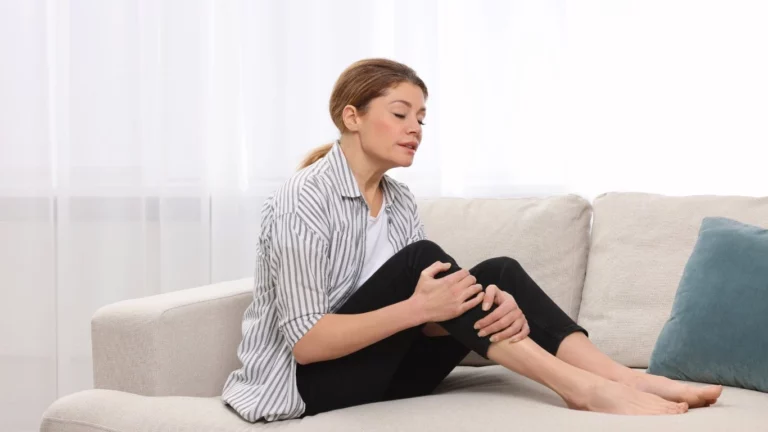
Why Sleep Apnea Makes Chronic Back Pain Worse Than You Think
I’ll be honest—when I first started dealing with nagging back pain that wouldn’t let me sleep, I chalked it up to stress and long work hours. But what completely caught me off guard was when my sleep specialist asked, “Have you ever been tested for sleep apnea?” Wait, what? I thought sleep apnea was all about loud snoring and gasping in the night. Turns out, there’s a deeper connection between sleep disorders like sleep apnea and the kind of chronic back pain that just won’t quit.
The Overlooked Link Between Sleep Apnea and Back Pain

Sleep apnea isn’t just about noisy nights—it’s a serious condition where your breathing starts and stops throughout the night. That constant disruption affects your body’s ability to heal, regenerate, and manage inflammation. When that happens night after night, it can quietly trigger or worsen chronic pain conditions, especially in the back.
Think about it—when your muscles never get into a true relaxed state during sleep, and your oxygen levels are playing yo-yo, your body gets stuck in a loop of fatigue and pain. And that includes the muscles supporting your spine.
Interrupted Sleep = Increased Pain Sensitivity
It’s not just me saying it—there’s actual research backing this up. People with untreated sleep apnea often report higher pain sensitivity. And yes, that includes back pain. According to the Sleep Foundation, poor sleep quality amplifies pain perception by affecting how the brain processes pain signals.
If you already live with a condition like a herniated disc or muscle strain, the pain feels sharper and more persistent when your sleep is wrecked. You’re not imagining it—your nervous system is simply on edge from the lack of deep, restorative rest.
How Sleep Apnea Makes Your Back Pain Worse

- Inflammation overload: Sleep apnea leads to increased systemic inflammation, which fuels chronic pain, including in the spine.
- Poor tissue repair: Deep sleep is when your body heals. Less deep sleep = slower recovery of muscle and disc injuries.
- Stress hormone surge: Apnea episodes spike cortisol, a stress hormone that stiffens muscles and worsens pain.
- Weight gain: Fatigue from poor sleep leads to inactivity and unhealthy cravings, leading to extra weight that strains the back.
In my case, I noticed that even stretching and yoga didn’t help much until I fixed my sleep quality. And after my sleep apnea diagnosis and treatment with a CPAP machine, my mornings finally stopped feeling like I had wrestled a bear overnight.

It’s no coincidence that people struggling with sleep apnea often also deal with back pain. They share several risk factors:
- Obesity: One of the biggest drivers of both conditions. Extra weight around the neck narrows airways. Extra weight on the spine compresses discs and joints.
- Poor posture during sleep: Sleep apnea can worsen in certain positions, especially back sleeping. Ironically, that’s also the position that puts the most pressure on the lower spine.
- Age: Both become more common as we age, especially past 40.
- Stress and anxiety: These can disturb sleep and tighten back muscles, worsening pain and apnea episodes alike.
In fact, many doctors now consider the chronicity of pain as a potential marker for underlying sleep issues. The link is that strong—and that sneaky.
The Vicious Cycle: Pain Interrupts Sleep, Poor Sleep Fuels Pain

This is where it gets frustrating. Pain keeps you from sleeping well. Lack of sleep makes the pain worse. And around and around it goes. But when sleep apnea is thrown into the mix, the cycle becomes even more brutal because you’re not just tossing and turning from discomfort—you’re literally choking on your own breath during sleep.
Each apnea episode can jolt your body awake briefly (sometimes hundreds of times a night), pulling you out of the deeper stages of sleep. That’s when the magic of healing usually happens. Without that, inflammation and muscular tension hang around like unwanted guests.
That’s why addressing just the pain with meds or massage won’t cut it. You’ve got to fix the sleep disorder too.
Is It Just Back Pain, or Something More?

If you wake up groggy despite 7-8 hours in bed, snore loudly, or have been told you stop breathing during sleep, it’s worth getting checked for sleep apnea. These symptoms often go hand-in-hand with sudden back pain that won’t ease up no matter how much you stretch or rest.
It might not just be muscle strain. It could be your body’s way of screaming for better sleep and oxygen.
What You Can Do Today
Here’s what helped me—and what you might consider if you suspect this connection:
- Talk to your doctor about a sleep study if you have symptoms like fatigue, snoring, or gasping at night.
- Switch sleeping positions—side sleeping often helps reduce apnea episodes and spine compression.
- Use a supportive mattress and pillow to keep your spine aligned. This guide on choosing mattresses changed everything for me.
- Work on weight management through anti-inflammatory diet changes and moderate daily movement.
And remember, while we often look at back pain as a muscular or orthopedic issue, it’s rarely just that simple. Sometimes the answer is found in the quietest part of your night—your breath.
For a more detailed breakdown of diagnosis and treatment options for overlapping conditions like these, visit our Symptoms & Diagnosis Guide and our main resource on Back Pain.
How Treating Sleep Apnea Can Ease Chronic Back Pain

I didn’t realize how tight and tired my back had become until I experienced my first few nights with a CPAP machine. It was like someone flipped a switch. Not only did my sleep feel deeper and more energizing, but I also noticed something unexpected—my back pain started to fade. It wasn’t magic. It was oxygen. Continuous, steady oxygen throughout the night gave my body the fuel it needed to actually recover.
Treating sleep apnea—especially obstructive sleep apnea—can significantly reduce the inflammatory stress load on your body. And with that, your back muscles get a break too.
Benefits of Managing Sleep Apnea on Back Health
- Deeper REM and slow-wave sleep: These are the stages where most physical healing and muscle relaxation occur.
- Lower cortisol levels: Improved sleep normalizes stress hormones, which helps reduce back tension and spasms.
- Improved posture during sleep: Proper breathing allows for more relaxed, ergonomic positions—especially when using positional therapy.
Many patients report that their nerve-related back symptoms also become more manageable when sleep quality improves. This is especially true for those with lumbar disc issues and radiating pain.
Simple Sleep Hacks That Help Both Conditions
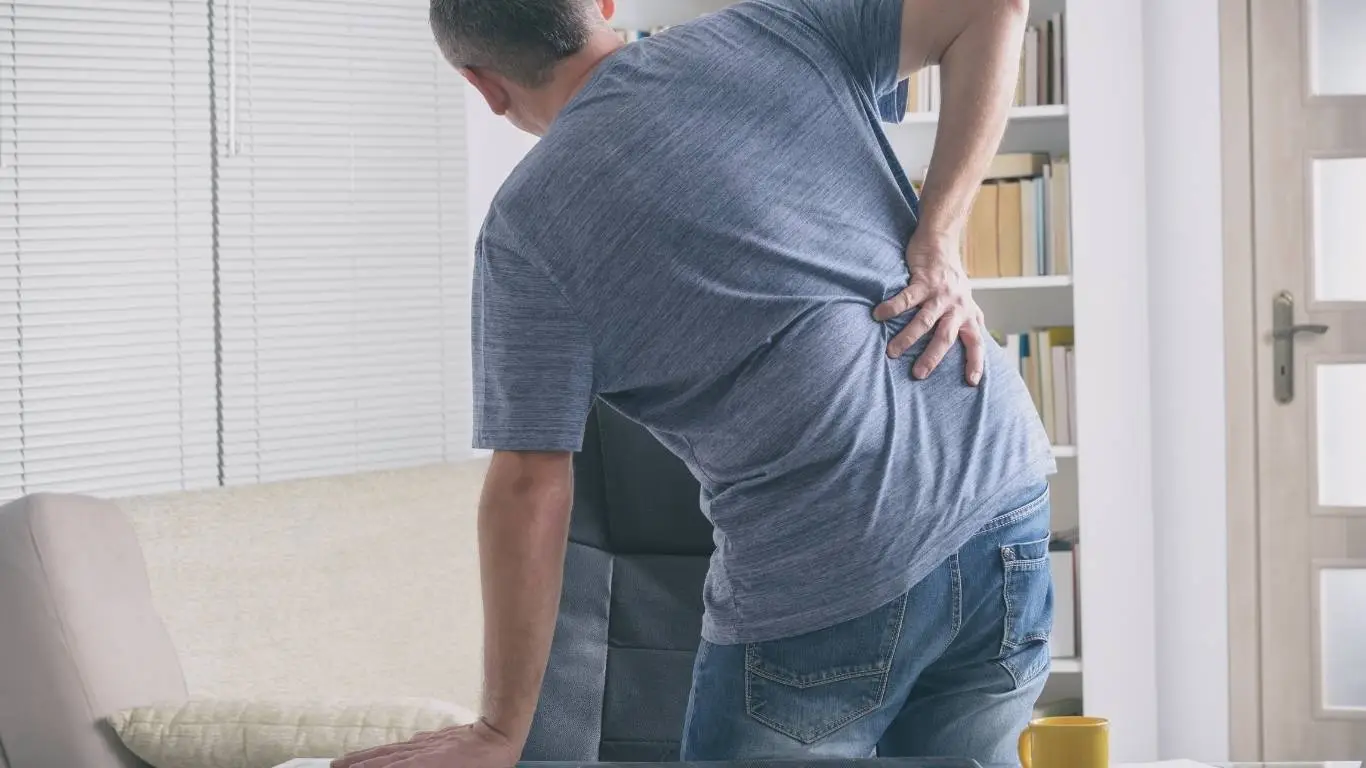
If a CPAP feels like a leap, there are still practical steps you can try right now to ease both your sleep apnea symptoms and your back pain. I tested nearly all of these myself—some worked wonders, others not so much, but when I dialed in the right combo, the difference was night and day.
Sleep Position Tweaks
Sleeping on your side, especially the left, can significantly reduce airway obstruction and lower spinal pressure. Add a pillow between your knees to keep the pelvis neutral—it’s such a game changer.
Pillow & Mattress Adjustments
Your sleep gear matters more than you think. Use a medium-firm mattress and a supportive cervical pillow to align the neck and lower back properly. Here’s what helped me: This sleeping posture guide is pure gold for pain relief and airflow.
Use Gentle Evening Routines
- Warm showers to relax tense muscles
- Avoid heavy meals and alcohol before bed—they’re notorious apnea triggers
- Try deep breathing or mindfulness meditation to wind down
Also, don’t overlook ergonomic tweaks in your daily life. Slouching all day sets your spine up for trouble at night. Small shifts, like using ergonomic seating, help reduce the pain loop.
Why Your Doctor Might Miss the Connection

Truth is, many general physicians don’t routinely screen chronic back pain sufferers for sleep disorders. And sleep specialists may not always ask about back pain unless you bring it up. That gap in communication can leave patients misdiagnosed—or worse, untreated.
If your back pain feels worse in the morning or after long periods of inactivity, and you’re also struggling with fatigue or snoring, don’t wait. Bring it up. You might also want to check out red flag symptoms you shouldn’t ignore when discussing pain with your doctor.
Advocating for Yourself
Here’s what helped me push for answers:
- Track symptoms: Note how pain changes with sleep quality
- Record snoring or apnea episodes (a partner or sleep app helps)
- Request a sleep study, even a home one—it’s painless and incredibly revealing
You’ll be surprised how many people find a diagnosis of sleep apnea to be the turning point in their chronic pain journey. I sure did.
When It’s More Than Just Sleep Apnea

Some folks have layered issues—like facet joint syndrome, scoliosis, or degenerative disc disease—that don’t improve fully until sleep issues are also handled. This is why integrated treatment plans work better than isolated ones.
If your current care plan isn’t making progress, ask whether you need a multidisciplinary approach. Sometimes, working with both a sleep specialist and a spine-focused physical therapist opens doors that painkillers and stretches never could.
Use This Multi-Layered Strategy
- Sleep: Get screened and treated for apnea
- Spine: Rule out serious causes of chronic pain
- Support: Use ergonomic tools, posture training, and light movement daily
You can also learn more about conservative treatment strategies in our full Conservative Back Pain Management Guide.
Where to Go From Here

If you’ve read this far, chances are you’re either living with the frustrating loop of back pain and poor sleep—or you know someone who is. Either way, here’s what I wish I’d known sooner: sometimes, healing your back starts by fixing your breath.
Start with sleep. Rule out apnea. Upgrade your nighttime posture and recovery strategies. And look into how other overlapping factors like weight gain or postural habits are quietly feeding the fire.
And finally, take time to explore our broader resources on back pain, including the full Lifestyle and Natural Remedies Pillar and our main guide on Back Pain. Healing isn’t always linear—but with the right strategies, it’s absolutely possible.

Camellia Wulansari is a dedicated Medical Assistant at a local clinic and a passionate health writer at Healthusias.com. With years of hands-on experience in patient care and a deep interest in preventive medicine, she bridges the gap between clinical knowledge and accessible health information. Camellia specializes in writing about digestive health, chronic conditions like GERD and hypertension, respiratory issues, and autoimmune diseases, aiming to empower readers with practical, easy-to-understand insights. When she’s not assisting patients or writing, you’ll find her enjoying quiet mornings with coffee and a medical journal in hand—or jamming to her favorite metal band, Lamb of God.