Best Herbal Remedies Safe For Anxiety And Sleep That Actually Work
Let’s be real for a second — anxiety and sleep problems are like that clingy duo that just won’t give you a break. For years, I used to lie in bed staring at the ceiling, heart racing for no reason, overthinking every little thing from what I said in a meeting to whether I remembered to lock the door. I tried sleep apps, cutting caffeine, and even that “breathe in for 4, out for 7” thing — but nothing worked quite like the gentle shift I noticed when I started integrating certain herbal remedies into my routine. If you’re wondering whether there are herbal remedies that are actually safe for both anxiety and sleep, the answer is yes — and they’re not just backed by tradition, but some impressive science too.
Why Natural Isn’t Just a Buzzword Anymore

There’s a growing shift in how we approach mental health and insomnia. While conventional meds absolutely have their place, more people (myself included) are leaning into natural support — not out of trendiness, but out of genuine necessity. The side effects, dependency risks, or simply not wanting to feel foggy all the time make herbal alternatives pretty appealing. But here’s the kicker: not all herbal remedies are created equal, and some can interfere with medications or mess with your sleep cycle if you’re not careful.
The Safest Herbal Remedies for Anxiety and Sleep (That I’ve Actually Tried)

1. Chamomile — Classic for a Reason
Ah, chamomile. You’ve probably heard of it, maybe even have a dusty box in your pantry. But beyond the soothing flavor, chamomile has some serious anti-anxiety and mild sedative properties. I started sipping on it 30 minutes before bed, and I swear it gently signaled to my brain that it was okay to wind down. Studies have shown that chamomile extract may significantly reduce generalized anxiety symptoms, and it’s also considered one of the safest herbs for long-term use.
2. Valerian Root — Nature’s Sleep Switch
This one’s a little more intense — valerian root doesn’t play around. It doesn’t just calm your nerves; it actively helps you fall asleep. Think of it like melatonin’s earthier cousin. While it has a bit of a strong smell (honestly, kind of like damp socks), its effectiveness makes it worth it. I use valerian in capsule form when I have one of those “I need to be asleep 10 minutes ago” nights. Bonus: it doesn’t leave me groggy the next day like some OTC sleep aids.
3. Passionflower — Seriously Underrated
This one doesn’t get the attention it deserves. Passionflower works incredibly well for anxiety-driven insomnia. It’s like hitting the mute button on racing thoughts. The National Center for Complementary and Integrative Health even recognizes its calming effects, and it’s especially useful for people with relationship anxiety that tends to flare up at night.
4. Lemon Balm — Calm in a Cup
If you’re sensitive to herbs that make you too drowsy, lemon balm is your sweet spot. It promotes calm without knocking you out, making it perfect for daytime anxiety that threatens to ruin your sleep later. I’ve used lemon balm tea mid-afternoon on high-stress workdays, and it really takes the edge off. Pairing it with chamomile in the evening? Game changer.
Things You Should Know Before Starting
- Always check interactions — Some herbs (especially valerian) can interact with meds like SSRIs or benzodiazepines.
- Quality matters — Cheap doesn’t cut it. Look for third-party tested supplements or organic teas.
- Start slow — Everyone’s body reacts differently. What calms me might make you jittery or sleepy beyond reason.
I made the mistake of mixing valerian and a glass of wine once. Trust me, not the vibe. If you’re not sure where to start or feel overwhelmed, check out the full guide to herbal remedies for anxiety — it breaks everything down even more.
Where Herbs Shine: Long-Term Calm Without Burnout

One of the things I love most about herbal support is the way it teaches you to slow down. You’re not sedating symptoms like with medication; you’re building resilience and creating space for calm. I also started adding simple habits like journaling (yes, prompts help a lot), light yoga stretches before bed, and staying off doomscrolling rabbit holes past 10 PM. All of this alongside herbs? My nervous system actually feels like it has a break now.
For those interested in digging deeper into how herbal and lifestyle shifts can reduce anxiety over time, I’d definitely recommend exploring these self-help lifestyle tips. They complement herbal remedies perfectly without feeling like a massive lifestyle overhaul.
But What If It’s More Than Just Sleepless Nights?

Sometimes anxiety isn’t just about winding down — it’s about feeling hijacked by your own thoughts all day long. That was me for years. I didn’t even realize how much it controlled my life until I stumbled upon this piece that honestly hit way too close to home: Why Anxiety Disorders Can Secretly Control Your Daily Life. If you’ve been brushing off anxiety as “just stress,” that article might change how you look at it entirely.
And if you suspect your symptoms go beyond the occasional anxiety flare-up, I can’t recommend this breakdown enough: Symptoms of Anxiety Disorders You Should Never Ignore. It helped me realize what I was dealing with wasn’t just a bad week — it was a pattern.
What Actually Makes an Herbal Remedy “Safe”?
Here’s the thing I wish more people talked about — just because something is “natural” doesn’t mean it’s automatically safe. Safety comes down to how the herb is used, how it’s sourced, and how it interacts with your specific body (and your meds, if you take any). For example, some people can’t handle valerian root at all — it gives them weird dreams or a groggy hangover the next day.
I once tried a mix that had kava in it, and wow… never again. Even though it’s technically legal and herbal, it felt way too heavy, and later I learned it could affect the liver. That’s why I stick with gentler options, and I always double-check sources like WebMD or Mayo Clinic before trying anything new. The goal is to calm your nervous system — not wreck your gut or your focus.
Tips to Keep It Safe and Effective
- Rotate your herbs. Don’t use the same one every single day for months on end.
- Read the full label. Avoid blends with mystery “proprietary formulas” — you deserve transparency.
- Watch out for double-dosing. If your sleep tea already has valerian, don’t take a separate capsule on top.
Still not sure where to start? This guide is solid: Best Herbal Teas for Anxiety Relief That Truly Calm the Mind.
My Go-To Herbal Nighttime Routine

Let me walk you through my favorite ritual that’s kept me sane on rough weeks (especially during deadlines or after long emotional days). It’s nothing fancy — but the consistency changed everything.
- 8:30 PM: Shut down screens, dim the lights.
- 8:45 PM: Brew a mix of chamomile, passionflower, and lemon balm (sometimes with honey if I’m feeling fancy).
- 9:00 PM: Journal using these anxiety-focused prompts.
- 9:15 PM: Ten minutes of light stretching and deep breathing (no phone in sight).
I know this won’t solve deep-rooted anxiety alone, but it absolutely softens the edges — and that’s a win worth repeating. There’s something empowering about taking the wheel back, even if just for the last hour of your day.
What If the Herbs Still Aren’t Enough?
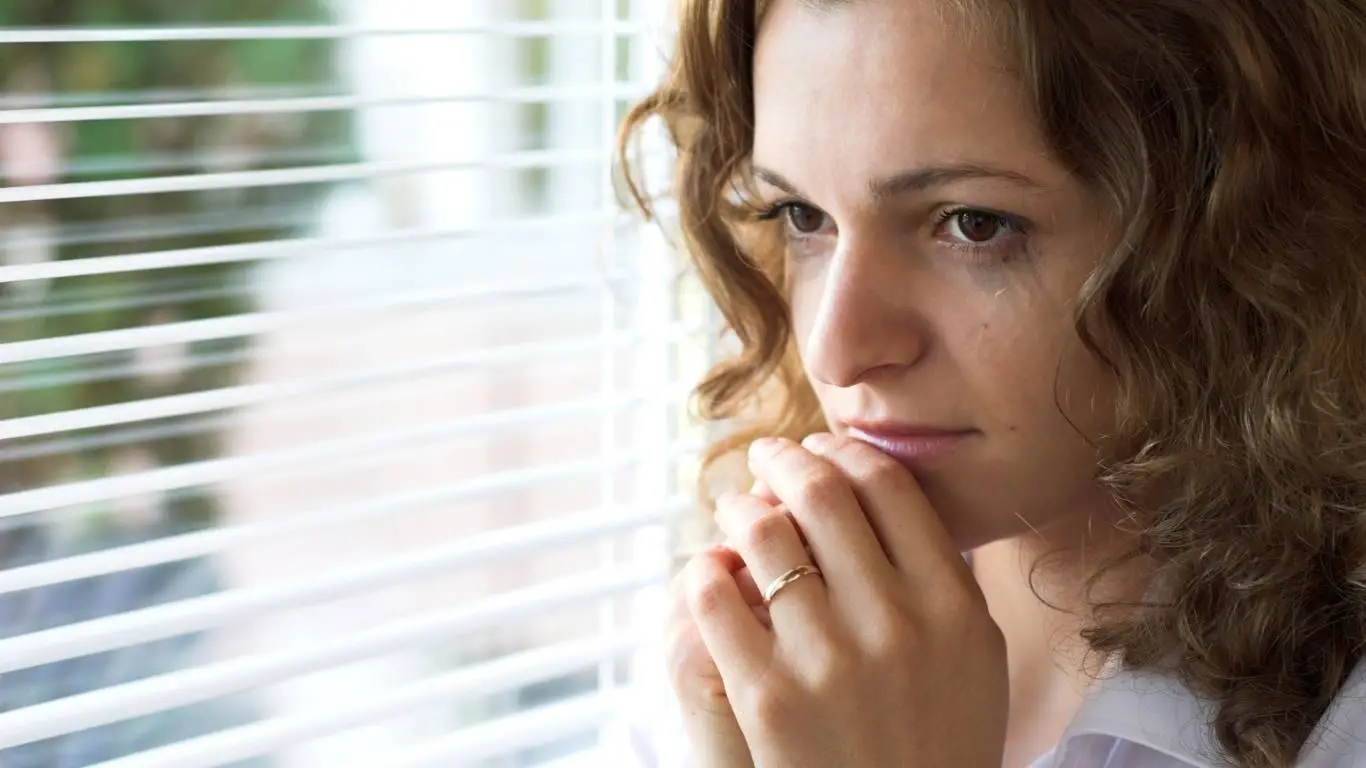
There were nights when even the best tea in the world couldn’t help. That’s when I realized anxiety is not just a sleep issue. Sometimes, it needs a deeper look — whether that’s therapy, lifestyle changes, or addressing the underlying stressors head-on. I started therapy after reading this: Anxiety Disorders Psychotherapy & Counseling. That resource helped me find the right therapist and understand what my brain was actually doing behind the scenes.
If you suspect that your sleep issues are part of something bigger, don’t try to herbal-tea your way through it alone. Anxiety can creep into every area of your life without you even noticing. This article helped me make sense of why my habits and routines weren’t fixing the root: Why Anxiety Disorders Can Secretly Control Your Daily Life.
When Herbs Work Best — Pairing with Simple Lifestyle Tweaks

One mistake I made early on was expecting herbal remedies to do all the heavy lifting. They’re powerful, but they’re not magic. What actually made them work better was making a few small shifts:
- Cutting down screen time an hour before bed (no more TikTok scrolling marathons).
- Adding magnesium-rich foods (check out this guide if you don’t know where to start).
- Replacing coffee with a warm herbal infusion in the morning.
- Walking 15 minutes after dinner just to let my brain reset.
Seriously — this stuff works. Not in an overnight miracle kind of way, but in a “wow, I feel human again” sort of way.
Let’s Talk Real Relief — Not Just the Buzz
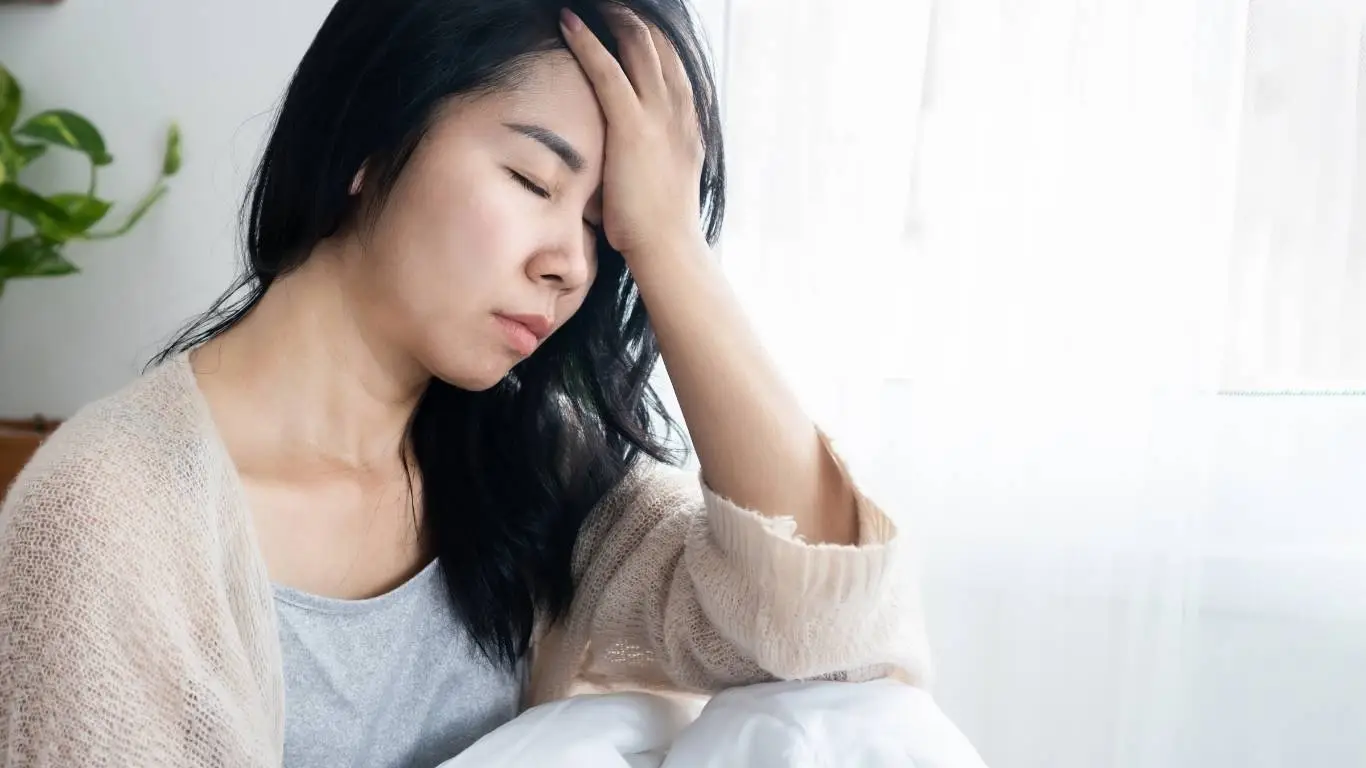
At the end of the day, finding herbal remedies that are safe for anxiety and sleep is about more than Googling “best herbs” and picking the top one from a list. It’s personal. It’s trial and error. And honestly? It’s a little emotional too. You’re giving yourself permission to slow down, to heal naturally, to take back some control without numbing out.
So whether you’re starting with chamomile or exploring deeper options like valerian or passionflower, just know this: you don’t have to settle for being exhausted and anxious all the time. You can choose slow, steady healing. And sometimes, that starts with one small, herbal-infused cup at a time.
To get the full picture on how alternative therapies can round out your approach, I highly recommend diving into this comprehensive resource: Anxiety Disorders Complementary & Alternative Treatments.

Camellia Wulansari is a dedicated Medical Assistant at a local clinic and a passionate health writer at Healthusias.com. With years of hands-on experience in patient care and a deep interest in preventive medicine, she bridges the gap between clinical knowledge and accessible health information. Camellia specializes in writing about digestive health, chronic conditions like GERD and hypertension, respiratory issues, and autoimmune diseases, aiming to empower readers with practical, easy-to-understand insights. When she’s not assisting patients or writing, you’ll find her enjoying quiet mornings with coffee and a medical journal in hand—or jamming to her favorite metal band, Lamb of God.