Why Floaters Worsen In Fluorescent Light And How To Ease Them
It always hit me when I walk into a big box store or even an office with those cold, buzzing fluorescent lights overhead—suddenly, my vision starts feeling… cluttered. Little specs, strings, squiggly shadows darting around whenever I shift my gaze. If you’ve ever found yourself blinking more than usual under these lights, wondering if you’re imagining things, you’re definitely not alone. Eye floaters are already annoying, but for many of us, fluorescent lighting turns them into an almost unbearable visual distraction.
Why Do Floaters Seem More Noticeable Under Fluorescent Light?
First, let’s be clear: floaters aren’t made worse by the light itself—they’re just easier to see under certain conditions. And fluorescent lighting seems to be the perfect recipe for highlighting these pesky little spots in your vision. The high contrast, flicker, and intensity of fluorescent bulbs can amplify their visibility, especially when you’re in a space with white walls or ceilings (aka: the worst background for floaters).
What I noticed in my own day-to-day was how they’d suddenly “pop” against a bright office screen or overhead lighting. The reason? Light bouncing off the retina makes these floating shadows in your vitreous humor (the gel-like part of your eye) stand out more.
Scientific Breakdown: Light, Contrast, and the Vitreous
- Fluorescent light = high brightness, which increases the shadow effect of floaters
- Bright background + translucent objects (aka floaters) = higher contrast
- Flicker rate of older fluorescents (around 60Hz) may trigger visual fatigue
It’s not all in your head. According to nei.nih.gov, light sensitivity and contrast changes can make benign floaters more pronounced, especially with aging eyes or dry eye conditions.
Is There a Medical Explanation for Why Fluorescent Light Triggers Floaters?
Yep, and it gets a bit nerdy—but hang with me. Fluorescent lights emit blue-rich wavelengths and have a flickering effect, which can subtly mess with your visual processing system. For folks with existing floaters or mild vitreous syneresis, this effect amplifies their movement in your field of view.
If your pupils constrict under harsh light, the shadows those floaters cast move differently across the retina, making them seem more active or larger. This also explains why some people feel floaters are worse against white backgrounds, especially if they’ve been staring at a monitor all day.
Eye Strain, Fatigue, and Mental Feedback Loops
On long workdays, I noticed floaters more in the late afternoon—especially under fluorescents. Turns out, it’s not just lighting. Eye fatigue and mental focus on the floaters can make them more mentally “sticky.” Once you notice them, it’s hard to unsee them. This effect is especially common in younger adults with otherwise healthy eyes, who get more anxious when visual disturbances pop up without warning.
Here’s something interesting I found buried in a retina specialist’s forum: people with anxiety or screen fatigue may be more likely to fixate on floaters, turning a minor annoyance into a daily struggle.
What Makes Fluorescent Lighting Worse Than Natural Light?
I’ve tried this myself—stepping outside for a five-minute sunlight break during long office days. Immediate relief. The floaters were still there, but my eyes weren’t being overstimulated by harsh artificial light. Here’s why fluorescent lighting performs so poorly compared to natural sunlight:
- Fluorescents have uneven light spectrum output
- They’re harsher on contrast detection
- Often installed in high-ceiling rooms with reflective white surfaces
- May worsen underlying conditions like dry eye syndrome
Natural daylight helps the eyes stay relaxed. Artificial light, on the other hand, keeps them in a state of mild stress—especially when coupled with poor ergonomics or screen glare. Which, by the way, also makes screen time a double-whammy for floater visibility.
Common Conditions That Get Triggered by Fluorescent Light
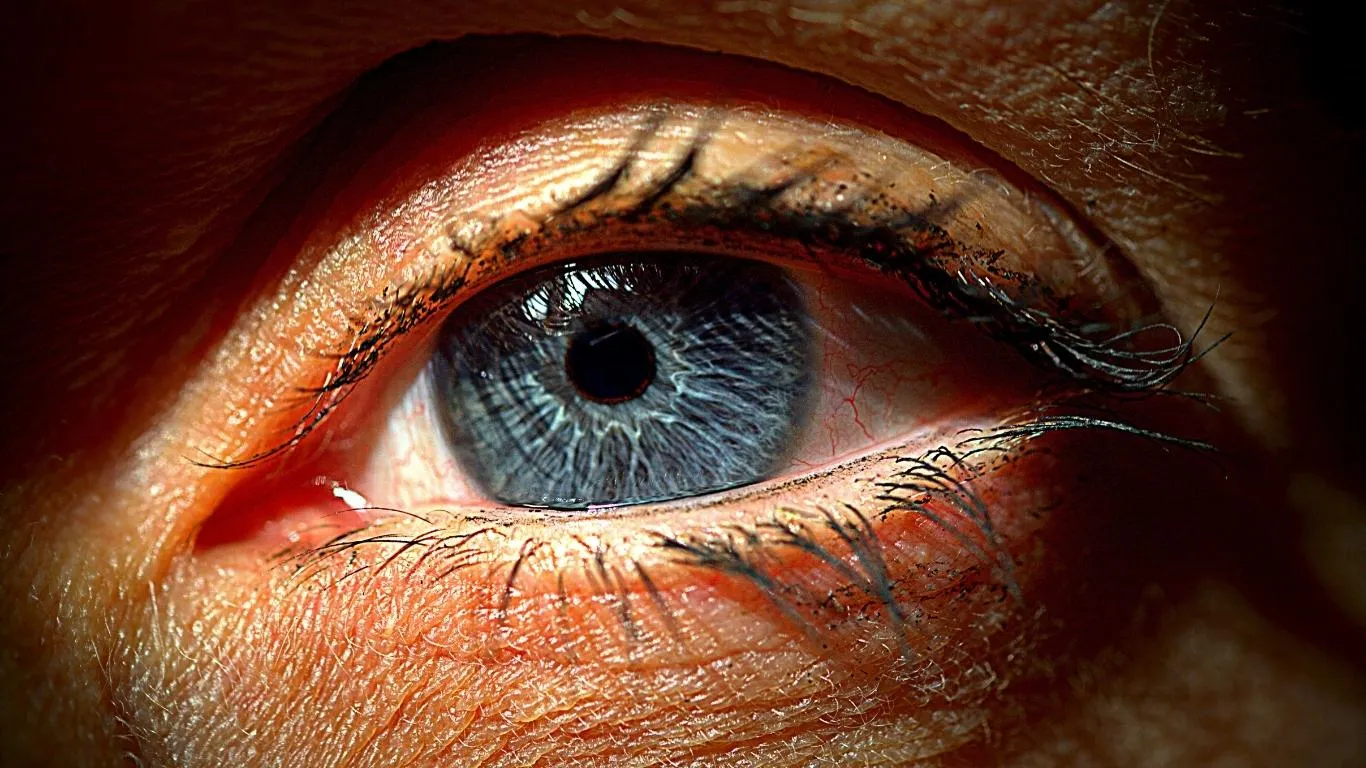
Here’s where things get more complicated. If floaters are bugging you more under fluorescents, it could be because of:
- Post-vitrectomy visual sensitivity – even mild lighting can irritate the eyes post-surgery
- Migraine aura effects – certain lighting can mimic symptoms of aura or even trigger it
- Dry eyes or tear film instability – worsened by AC and overhead lighting
- Eye strain due to poor ergonomics – posture and workstation setup matter more than you think
Some experts believe that floaters becoming more noticeable in specific lighting might also be an early sign of posterior vitreous detachment (PVD), especially in adults over 40. You might want to take a peek at this detailed breakdown on PVD if that sounds familiar.
So What Can You Actually Do About It?
Let’s be real—there’s no magical fix. But a few tweaks can go a long way in minimizing the distraction. Some things that have helped me:
- Switch to full-spectrum LED lighting at home
- Use monitor filters or dimming software like f.lux or Windows Night Light
- Consider blue light glasses if you’re stuck with overhead fluorescents
- Keep eyes lubricated—seriously, dry eyes make floaters much worse
- Use dark-mode themes when working in low-light conditions
If the floaters become suddenly more prominent or are accompanied by flashes of light, it’s worth getting an immediate check-up. You can read up on how floaters could warn of retinal damage in certain cases.
For a broader view on symptoms and serious causes, the article on dangerous signs of floaters is definitely worth a read. And of course, the comprehensive breakdown from the main floaters article here is the best place to start for anyone new to this whole rabbit hole.
Do Certain People Notice Floaters More Than Others?
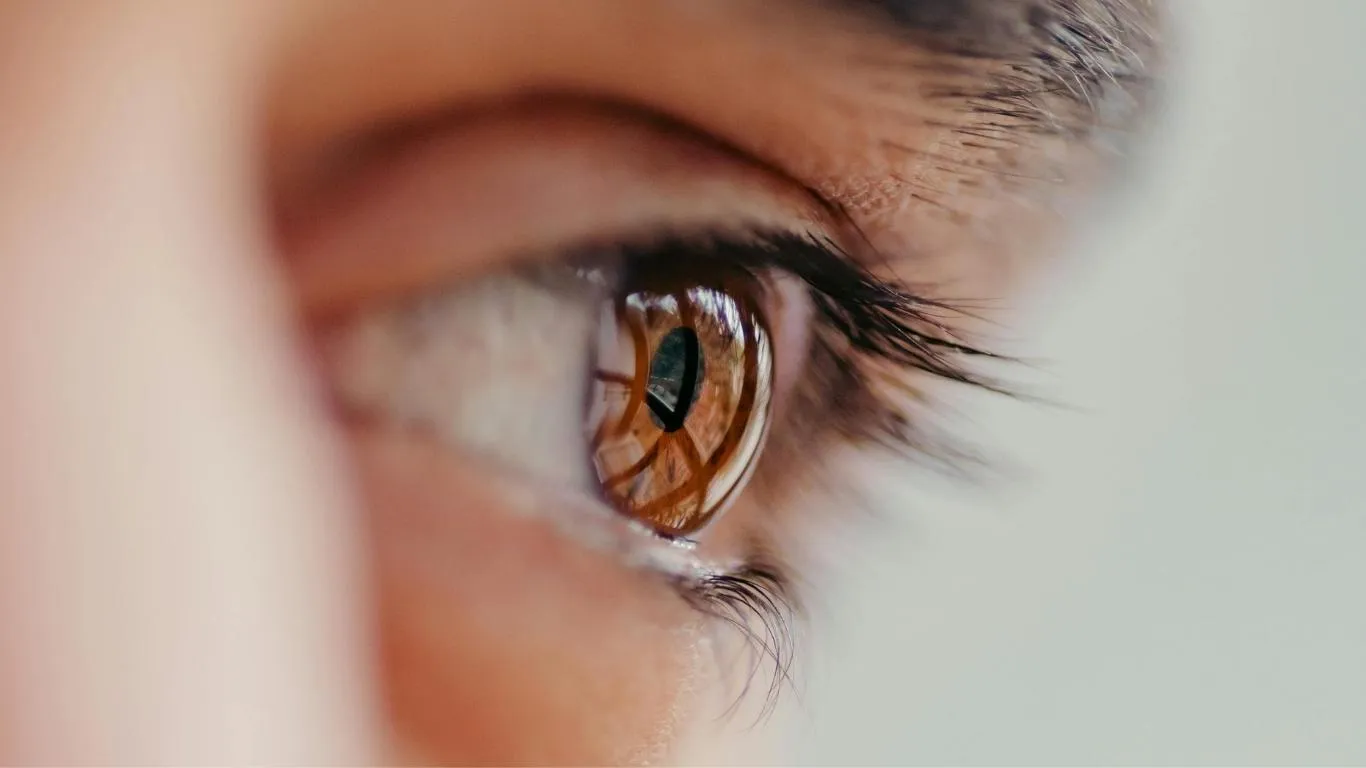
From what I’ve experienced—and what my ophthalmologist confirmed—some people are just more visually sensitive. If you’ve got light-colored eyes, myopia, or even just a higher awareness of visual anomalies, you’re more likely to pick up on floaters. It’s not about having more floaters necessarily—it’s about noticing them more often, especially under harsh light like fluorescents.
Interestingly, people with high myopia have a more liquefied vitreous gel at a younger age, which increases floater visibility and motion. This makes even routine lighting conditions seem “harsh” visually. If you’re nearsighted and feel like your floaters are doing cartwheels under office lighting, it’s not just you. Learn more about this link in this article about high myopia and floaters.
Is It Psychological? Maybe—But Still Valid
Let’s be honest—once you start noticing floaters, they can become an obsession. For a while, I kept catching myself checking for them every time I walked into fluorescent-lit rooms. That habit creates a feedback loop: the more you look, the more you see.
There’s even research suggesting that visual discomfort in artificial lighting can be amplified by stress and fatigue, both of which also increase perception of visual disturbances. So if you’re stressed and tired under bright lights and suddenly your floaters feel worse, it’s not a coincidence.
Environmental Triggers That Make Things Worse
While fluorescents take most of the blame, they’re often just one part of a bigger problem. I’ve tested working under different conditions—changing lighting, switching screen positions, even covering reflective desks. Turns out, a few “harmless” factors were fueling the floater effect more than I expected:
- Reflective surfaces: White desks, glossy counters, or light flooring increase glare
- Excess screen exposure: Especially in binge-watching or late work sessions
- Dehydration or dry environments: AC-heavy spaces make dry eye issues worse, which may boost floater awareness
- Lack of blinking: Long screen sessions reduce blink rate, affecting tear stability and focus
If your floaters are worse after long meetings, extended reading, or screen time in bright environments, that’s not your imagination. There’s a tight correlation between light condition changes and floater visibility.
Simple Adjustments That Can Help Instantly
So you’re stuck in a cubicle or classroom with buzzing fluorescents—what now? Short of quitting your job (tempting, I know), there are actual tweaks that’ve made a difference for me and others:
- Move your seat: Try positioning away from direct overhead lights or bright whiteboards
- Adjust your monitor: Tilt away from glare sources; use matte screen protectors
- Change bulbs at home: Go for warm LEDs instead of cool-toned fluorescents
- Anti-reflective lenses: If you wear glasses, these can reduce visual “noise” from lighting
- Hydrate + eye drops: Floaters stand out more when your eyes are dry
And if you’re considering glasses just for eye strain under fluorescent lighting, you might find this article helpful: Computer glasses and floaters.
When Should You Be Concerned?
Most of the time, floaters under fluorescent lights are just that—more visible, not more dangerous. But that said, sudden changes in the number or size of floaters, especially with flashes of light or shadows in your peripheral vision, could signal something more serious. Think retinal tear, PVD, or even eye inflammation.
One article that stuck with me was this one: Floaters after surgery or trauma. If you’ve had eye surgery or a recent eye injury and notice floaters increasing under artificial light, that’s your sign to book an exam—ASAP.
Are There Treatments That Actually Work?
That’s the golden question, right? So many treatments out there claim to “dissolve floaters,” but the truth is: most floaters don’t go away completely. However, some do settle or become less noticeable over time. If it’s really interfering with your life, these are the medically recognized options:
- Vitrectomy – surgical removal of the vitreous (reserved for extreme cases)
- YAG laser vitreolysis – controversial and not universally recommended
- Supplements for eye clarity – mixed reviews, but some people swear by them
There’s also a debate about natural remedies. This piece was pretty honest about that: Natural remedies for floaters.
Why Lighting Awareness Matters More Than You Think
After months of trial and error, I’ve realized one thing: lighting is half the battle. When I control my environment—adjust brightness, avoid intense fluorescent exposure, and stick to full-spectrum lights at home—my floaters become background noise, not front-and-center annoyances.
The shift is subtle but powerful. Just knowing that light plays such a big role helped me stop panicking every time a new speck showed up while working late.
If you’re just starting to explore what floaters mean for your life, this article comparing floaters to other visual issues is a great place to start. And for a solid overall understanding, I always point people to the foundational guide on what floaters actually are.

Camellia Wulansari is a dedicated Medical Assistant at a local clinic and a passionate health writer at Healthusias.com. With years of hands-on experience in patient care and a deep interest in preventive medicine, she bridges the gap between clinical knowledge and accessible health information. Camellia specializes in writing about digestive health, chronic conditions like GERD and hypertension, respiratory issues, and autoimmune diseases, aiming to empower readers with practical, easy-to-understand insights. When she’s not assisting patients or writing, you’ll find her enjoying quiet mornings with coffee and a medical journal in hand—or jamming to her favorite metal band, Lamb of God.