
Hidden Downsides of Long-Term Anxiety Medication Use
It took me a few years—plus way too many sleepless nights—to realize that relying on anxiety medication wasn’t the end of my healing story. At first, I was just grateful something finally helped me breathe easier, especially after my third panic attack in a week. But over time, what I thought was relief started morphing into a subtle new problem I hadn’t seen coming. If you’ve ever wondered about the side effects of long-term anxiety medication, you’re definitely not alone—and honestly, it’s something we don’t talk about enough.
Physical Side Effects That Sneak In Slowly

Most doctors hand over a prescription and say something like, “Let’s see how this goes.” And for many of us, it *does* go well—at least at first. But what they don’t always warn you about is what can happen months or even years down the line.
Weight Fluctuations
I gained almost 15 pounds in the first six months without really changing my eating habits. My appetite had shifted, my metabolism slowed, and suddenly I was constantly bloated. It’s not uncommon with SSRIs or SNRIs to experience either weight gain or, for some, unintentional weight loss. And the worst part? It’s often brushed off as “not a big deal.”
Digestive Disturbances
Things like nausea, constipation, or diarrhea don’t sound like major concerns… until they become your daily reality. Digestive issues linked to anxiety meds are more common than most people realize. Over time, they can impact your diet, social habits, and even your willingness to stay on treatment.
Sexual Side Effects
Let’s be real—this is the one nobody wants to talk about. Loss of libido, delayed orgasm, or even total dysfunction can creep in. It happened to me around the eight-month mark, and I genuinely thought something was wrong with *me*, not the meds. It took some digging (and embarrassment) to connect the dots.
Cognitive and Emotional Numbness

There’s a big difference between no longer feeling anxious and no longer feeling *anything*. That was the hardest part to admit—especially when my family noticed before I did.
Blunted Emotions
One of the sneakiest long-term side effects is emotional flattening. Sure, I wasn’t panicking anymore, but I also wasn’t laughing at my favorite shows or crying at things that once moved me. Turns out, this is a documented side effect, particularly with SSRIs, yet often underreported.
Memory and Focus Issues
Ever walked into a room and forgotten why? That started happening more often. My focus, especially at work, began to slip. I later found out that concentration issues tied to medication aren’t rare. Some people even report feeling foggy or detached, which can mimic the very symptoms the meds are supposed to relieve.
Physical Dependence and Tolerance

This one hit me harder than I expected. After two years on medication, I noticed it just wasn’t working the same anymore. My dosage was upped. Then again. And then came the side effects from the higher dose.
Building Tolerance
Your body gets used to medication. That’s just science. But no one tells you how defeating it feels to realize your anxiety’s creeping back *even though* you’re doing everything right. It’s not your fault—it’s your brain adapting. This is especially common with benzos and even some antidepressants.
Withdrawal Symptoms
Miss a dose? Welcome to rebound anxiety, dizziness, and brain zaps. Trying to taper off? It can feel like you’re spiraling. I went through this twice before I learned that side effects from withdrawal can be just as intense as the condition you started treating.
Social and Lifestyle Impact

People around you might not notice at first. But over time, long-term medication can quietly change how you engage with your world.
Reduced Social Engagement
I used to love going out with friends, but eventually, the combo of fatigue and emotional dullness made it easier to just stay in. Slowly, it became my norm. Social withdrawal from medication side effects is a real risk—especially when you don’t see it coming.
Daily Functioning Challenges
While the medication may reduce panic or worry, it doesn’t always help with motivation, energy, or decision-making. After a while, I began to wonder if I was living or just existing.
- Reduced interest in hobbies and passions
- Disrupted sleep patterns
- Lowered energy despite improved anxiety scores
To get a broader perspective on treatments, check out this in-depth guide on medical treatments for anxiety disorders. It helped me weigh my options beyond just sticking with the same meds.
What Experts and Science Say

The research is clear: long-term medication use should be closely monitored. According to studies from ncbi.nlm.nih.gov and mayoclinic.org, the long-term safety profile of anxiety meds is still being evaluated—especially for newer treatments and off-label use.
- SSRIs and SNRIs may increase risk of metabolic changes over time.
- Benzodiazepines are associated with dependency and cognitive decline in some users.
- Withdrawal and tapering complications are highly individual.
That’s why it’s so important to pair medical treatment with lifestyle changes. If you’re navigating anxiety right now, the insights from this main article on anxiety’s impact can help clarify what’s really affecting your routine.
And for a broader look into how anxiety is diagnosed and monitored, this guide breaks it down in a way that’s actually easy to understand—especially if you’re unsure whether what you’re feeling is medication-related or something else entirely.
Long-Term Emotional Impact That No One Warns You About

We talk about anxiety meds like they’re either a cure-all or something to avoid completely. The truth? It’s far more complicated. Over time, the emotional impact of relying on these medications can sneak up on you, even when everything seems “fine” on the outside.
The Confidence Dip
After three years on medication, I started second-guessing myself—constantly. I didn’t realize how much I had outsourced my sense of control to a pill until I had to face real stress without it. That mental reliance can slowly erode your self-trust. It’s not something you’ll read on the label, but it happens. And if you’ve ever been scared to taper off because you don’t believe you’ll cope? That’s what I’m talking about.
Detachment From the Healing Process
Meds can make you feel “stable,” but they don’t teach you how to manage your anxiety. I spent years avoiding therapy because the meds kept things at bay. Turns out, I was missing a massive part of the puzzle. That sense of emotional detachment and stagnation is subtle, but it’s a real consequence of long-term use.
This is why pairing meds with something like Acceptance and Commitment Therapy or other approaches is more than just a suggestion—it’s survival.
Dependency Without Realizing It
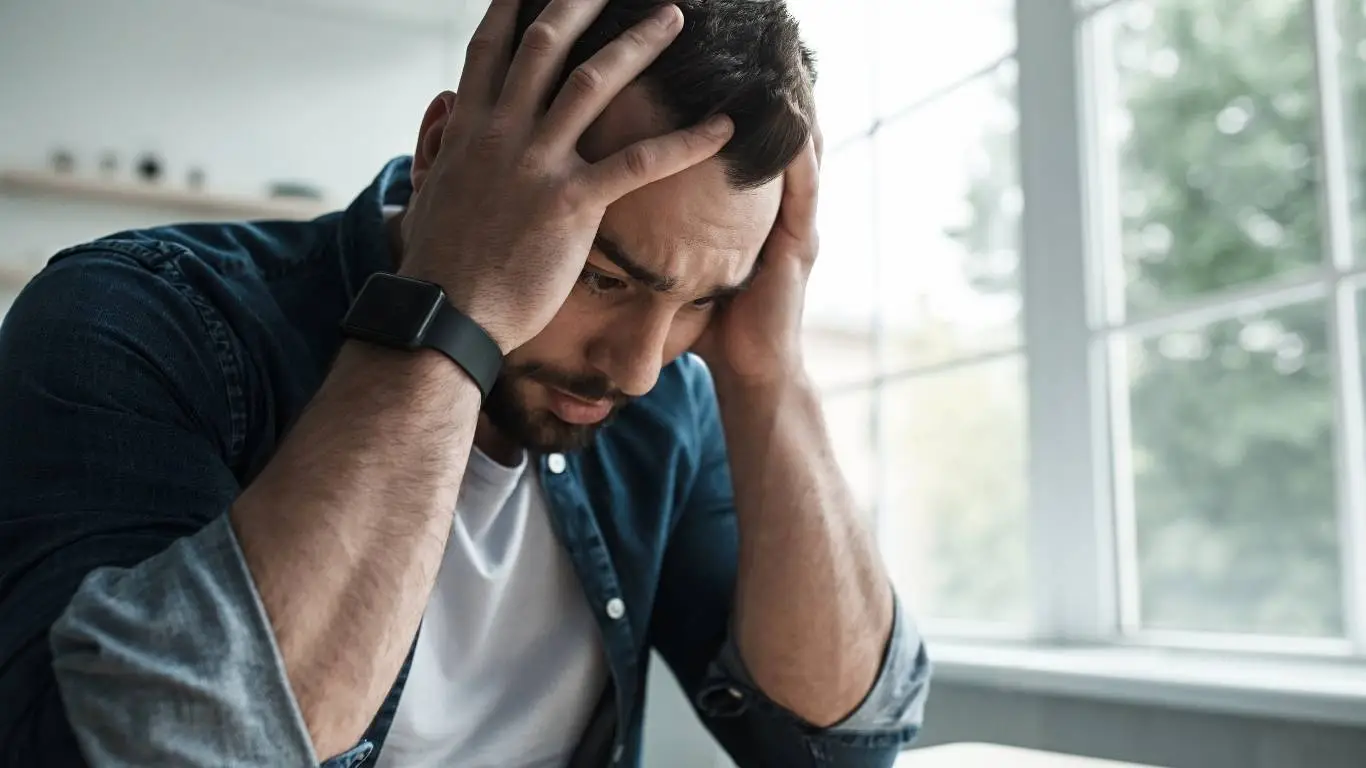
It’s not always the kind of dependency that spirals into addiction—but it can still change the way you see yourself. For me, the idea of going without my daily dose made me feel exposed and fragile. I wasn’t “addicted,” technically—but I was 100% dependent.
Silent Rebound Symptoms
Some people stop meds and notice nothing. Others? Their anxiety comes back stronger—and they think it means they’re broken. What’s more likely is that your brain adjusted to the chemical support, and now it’s trying to operate solo again. That’s why tapering under medical supervision isn’t optional—it’s essential.
Reaching a Plateau
I remember feeling stuck. Like I wasn’t getting worse—but definitely wasn’t getting better. This “plateau effect” can trick you into thinking you’ve hit your limit, when in reality, it’s the meds doing the bare minimum. That’s when I started researching other therapeutic paths and realized I needed to engage my mind, not just manage symptoms.
Suppressed Root Causes

Here’s the truth: medication can help you stay afloat—but it rarely teaches you how to swim. I ignored the actual causes of my anxiety for years because the meds dulled the urgency to explore them. Eventually, though, everything you push down bubbles up.
Unresolved Childhood or Trauma Links
There’s a direct line between unprocessed trauma and chronic anxiety, and no pill is going to do the emotional work for you. What helped me finally break free wasn’t another dose—but understanding how childhood patterns were still shaping my reactions as an adult.
Situational Triggers Left Unaddressed
Medication won’t fix a toxic relationship, a high-stress job, or burnout. It can mask those triggers, yes—but healing means facing them. And for many of us, that realization only comes after years of coasting on autopilot.
What to Do If You’re On Anxiety Meds Long-Term

This isn’t about fear—it’s about awareness. Long-term use of anxiety medication isn’t inherently wrong. But it does require active, ongoing attention and self-reflection. Here’s what helped me start regaining control:
- Track your emotional changes — not just anxiety levels, but joy, motivation, and connection.
- Talk to your doctor regularly — about side effects, tolerance, and alternatives.
- Combine meds with other supports — like lifestyle changes and therapy.
Alternative Support Can Make a Huge Difference
I didn’t think things like journaling or breathing exercises would work. But after discovering these journaling prompts and using them daily, I started reconnecting with myself in ways meds never gave me. Pair that with support groups or even mindfulness strategies, and the shift becomes real.
And if you’re still unsure where to even begin, this diagnosis and assessment guide can help you figure out whether your current approach is really working—or just working enough to survive.
The Bigger Picture We Need to Talk About

There’s no shame in taking medication. I’ll never regret starting mine—it gave me breathing room when I needed it most. But now that I understand the side effects of long-term anxiety medication, I know better than to stay passive about it.
If you’re walking a similar path, remember: healing is layered. Medication might be one part of the puzzle, but it shouldn’t be the whole picture. Explore more about how anxiety influences your daily life beyond the surface symptoms—it might be the insight that changes everything.

Camellia Wulansari is a dedicated Medical Assistant at a local clinic and a passionate health writer at Healthusias.com. With years of hands-on experience in patient care and a deep interest in preventive medicine, she bridges the gap between clinical knowledge and accessible health information. Camellia specializes in writing about digestive health, chronic conditions like GERD and hypertension, respiratory issues, and autoimmune diseases, aiming to empower readers with practical, easy-to-understand insights. When she’s not assisting patients or writing, you’ll find her enjoying quiet mornings with coffee and a medical journal in hand—or jamming to her favorite metal band, Lamb of God.