Stretching Timeline for Back Recovery That Actually Works
I remember after my first flare-up of lower back pain, I thought I’d bounce back in a week. Spoiler: I didn’t. I tried to rush the process—stretching aggressively, working out too soon, skipping rest days. Big mistake. If you’re like me, you’re probably Googling something like “how long does it take to recover from back pain with stretching?” and getting wildly different answers. So let’s unpack the real stretching timeline for back recovery, minus the fluff, the robotic advice, and the false promises.
Why Stretching Matters in Back Recovery

Stretching isn’t a one-size-fits-all magic fix, but it’s a crucial piece of the recovery puzzle. The right stretches can help restore mobility, improve circulation, and relieve muscular tension that often makes back pain linger.
According to the National Library of Medicine, consistent stretching not only aids physical healing but also rewires your pain response—making your body less reactive to discomfort over time.
What Happens If You Don’t Stretch?
Skipping stretching completely during recovery can lead to:
- Prolonged stiffness that slows down healing
- Reduced range of motion in hips, hamstrings, or spine
- Muscle imbalances that put extra strain on your back
I learned this the hard way after ignoring my PT’s advice and ended up with muscle imbalances causing back pain that took months to correct.
How Long Should You Stretch During Recovery?

This depends on the phase of your recovery, the type of back pain you’re dealing with, and your overall health. But here’s a breakdown that helped me and many others:
- Week 1–2 (Acute Phase): Gentle stretches only. Think pelvic tilts, knee-to-chest, and deep breathing. Hold each stretch for no more than 10–15 seconds.
- Week 3–4: Begin to increase duration and frequency. Include hamstring and piriformis stretches. Aim for 3–5 sessions a day, holding each stretch 20–30 seconds.
- Week 5–6: Add dynamic stretches and light yoga-based moves like cat-cow or child’s pose. Gradually progress to more range-intensive movements.
- After 6 Weeks: Transition into long-term flexibility maintenance—2–3 sessions a week with a full-body stretch routine.
Everyone’s healing timeline will look different. If you’ve got something more serious like a herniated disc, you might need to go slower. This guide on herniated disc and lower back pain breaks it down perfectly.
Signs You’re Stretching Too Much (Or Too Soon)
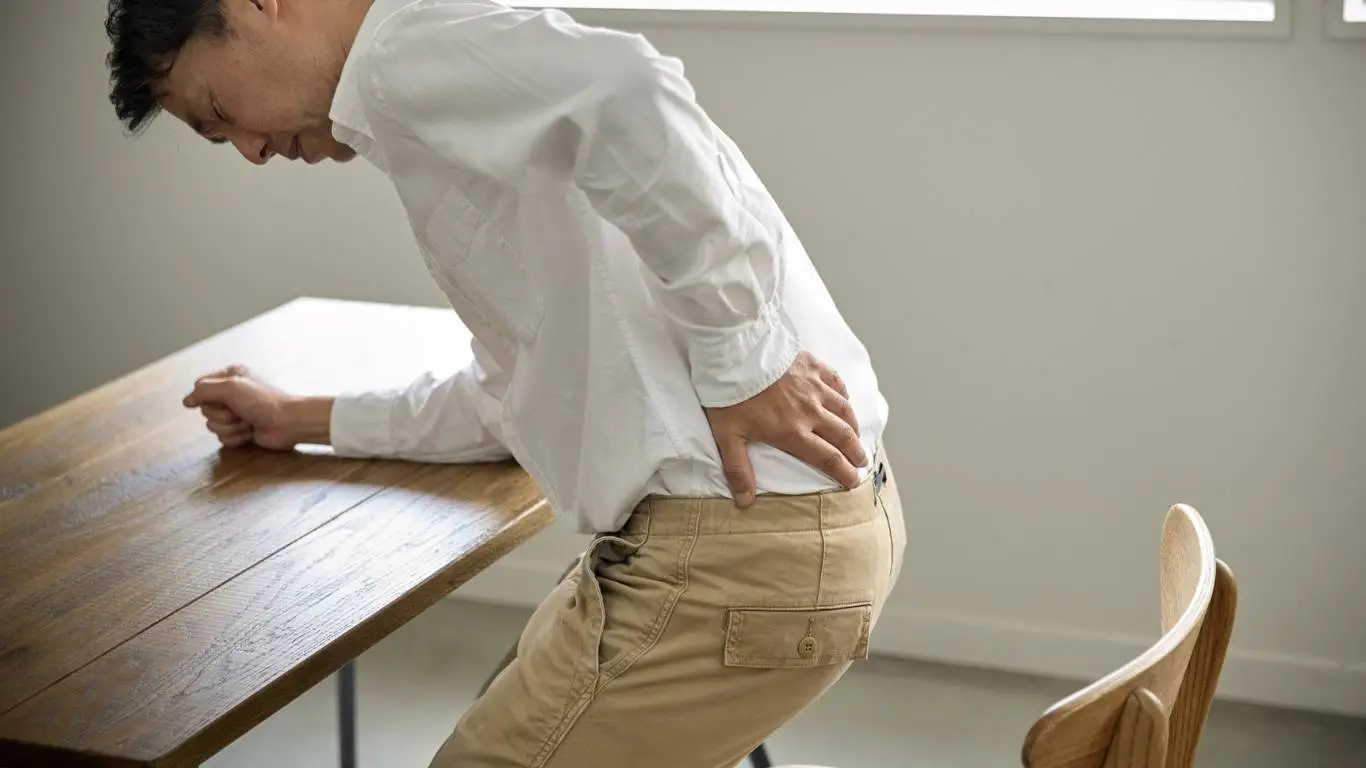
Here’s something I wish someone had told me: more stretching isn’t always better. Overdoing it can delay healing, or worse, cause setbacks.
Red Flags to Watch Out For:
- Sharp or stabbing pain during a stretch
- Lingering soreness that lasts more than 48 hours
- Tingling or numbness down your legs
- Swelling or inflammation around the spine
If you’re feeling any of these, dial it back. Seriously. Sometimes your back needs rest more than it needs to be stretched. Take a look at these red flags in back pain diagnosis for signs you shouldn’t ignore.
The Role of Muscle Groups in Stretching for Back Recovery

Targeted stretching matters. Most of us focus only on the lower back, but neglecting other muscle groups is a recipe for recurring pain. Based on what my PT emphasized, here are the areas you should give equal attention to:
- Hamstrings: Tight hamstrings pull on the pelvis, increasing lower back strain. See tight hamstrings and back pain.
- Hip Flexors: When these are short and tight (hello desk job!), your lumbar spine bears the brunt.
- Glutes: Weak glutes can’t support the spine properly. I realized my recurring spasms were tied to this. Here’s why weak glutes and lower back strain go hand-in-hand.
- Core: You don’t need six-pack abs. But you do need functional core strength to stabilize your spine during movement and while stretching.
Stretching vs. Strengthening: What Comes First?

It’s not about either-or. It’s about sequencing. Here’s a tip I got from a spine rehab specialist: always loosen before you load. That means:
- Start your session with light stretching to open up the muscles and joints.
- Then move into low-impact strengthening exercises like bridges, bird-dogs, or modified planks.
Want to know more about combining rehab with ergonomics? This pillar guide on exercise and rehab for back pain goes deep into strategy.
When to Seek Professional Help

Look, if your back pain is still hanging around after consistent stretching and lifestyle adjustments, it’s probably time to get a physical therapist involved. Don’t wait until it turns chronic.
Sometimes underlying causes like piriformis syndrome or sacroiliac joint dysfunction are to blame, and a professional can guide you through targeted mobility work and manual therapy techniques.
For a full understanding of back pain mechanics and recovery planning, this main back pain resource is a solid foundation. You can also explore in-depth insights about symptoms, causes, and diagnostics in this detailed pillar article on symptoms & diagnosis.
Stretching Plateaus: When Recovery Slows Down

Here’s the not-so-fun truth: even if you’re doing everything right, your progress might stall. I hit a wall around week five where I felt like stretching wasn’t doing anything anymore. Sound familiar?
Plateaus in recovery are normal—but they’re also a sign your body is ready for the next level. If you’re still doing the same old stretches from week one, you’re not giving your muscles or nervous system anything new to respond to.
How to Break Through the Plateau
- Switch Up Your Routine: Try new stretches that target neglected areas like your thoracic spine. Here’s a great piece on thoracic spine pain that helped me rethink my routine.
- Incorporate Props: Foam rollers, yoga blocks, and resistance bands can dramatically enhance stretch depth and activation.
- Add Strength Drills: Weak support muscles can limit how much stretching helps. Start with bodyweight glute bridges and bird-dogs, then progress as you improve.
Need some visual cues? I personally found a few moves from these yoga poses super helpful when my routine got stale.
How Lifestyle Habits Impact the Timeline

If your back pain seems to come and go despite stretching, it might be your daily habits sabotaging your recovery timeline. You could be doing all the right moves at 7 AM and undoing them by 9.
Common Recovery-Slowing Habits:
- Sitting too long: Desk jobs and car commutes are brutal for the spine. Check out how prolonged sitting wrecks your spine.
- Improper sleep setup: Your mattress and pillow matter. Here’s a guide on best sleeping positions for healing back pain.
- Inconsistent hydration and nutrition: Dehydrated muscles are less elastic and more prone to strain. I didn’t believe this until I tried upping my water intake and noticed better recovery.
Pair that with solid ergonomic practices—especially if you work at a desk—and your stretches will start to have longer-lasting effects. For more on that, the lifestyle and remedies pillar is packed with smart daily tips.
Stretching for Long-Term Maintenance

Here’s the deal: just because your pain is gone doesn’t mean your work is done. I learned that the hard way—twice. If you stop stretching once you feel “fine,” you risk re-injury, especially if the root cause (like tight hips or a weak core) hasn’t been fully addressed.
What a Long-Term Stretching Routine Looks Like
- 2–3 sessions per week: Include a full-body warm-up and mobility routine focusing on spine, hips, and hamstrings.
- Stretch after activity: Especially post-workout or long periods of sitting. Don’t wait for tightness to settle in.
- Use stretching as body check-ins: Tightness or imbalance during a stretch can act as an early warning sign.
And when life gets busy? I keep a short go-to 5-minute routine for the worst days, just to keep things moving. That alone has saved me from flare-ups more than once.
Stretching Timeline Myths That Keep You Stuck

If you’ve been told to stretch every day for weeks and “you’ll be fine,” please take that with a grain of salt. There’s no universal timeline, and honestly, that’s one of the biggest myths out there.
Common Myths Debunked:
- “Stretching alone fixes everything”: Nope. Without strengthening and posture awareness, stretching only offers short-term relief.
- “Pain means it’s working”: Wrong. Pain is a warning sign, not a progress tracker.
- “You can rush flexibility gains”: Trying to fast-track flexibility often leads to setbacks or injuries.
Curious about other misconceptions? This myths guide was eye-opening when I started diving deep into back health.
Back Pain Conditions That Change the Stretching Timeline

If you’re dealing with more than just tight muscles—like scoliosis, disc issues, or nerve-related pain—your recovery timeline with stretching will look different. I had a friend with scoliosis-related back pain, and her approach needed to be super customized.
Here are a few conditions that often require tailored timelines:
- Lumbar radiculopathy
- Piriformis syndrome
- Facet joint syndrome
- Trigger points and myofascial pain
In cases like these, the guidance from a spine specialist or physio is essential. And don’t worry—customization doesn’t mean complication. It just means smarter recovery, not harder.
Make Your Stretching Timeline Work For You

Stretching for back recovery isn’t about ticking off days on a calendar—it’s about building a relationship with your body again. One where you actually listen, adapt, and move with purpose.
If I could tell my past self one thing, it would be this: Be patient, but be persistent. Your back is teaching you something—pay attention.
Need more structured insight into stretching, posture, ergonomics, and how to blend it all together? I highly recommend the full breakdown over at this conservative treatment guide.
Also, if you haven’t already explored it, the main back health resource here—Back Pain Hub—is where most of this journey started for me.

Camellia Wulansari is a dedicated Medical Assistant at a local clinic and a passionate health writer at Healthusias.com. With years of hands-on experience in patient care and a deep interest in preventive medicine, she bridges the gap between clinical knowledge and accessible health information. Camellia specializes in writing about digestive health, chronic conditions like GERD and hypertension, respiratory issues, and autoimmune diseases, aiming to empower readers with practical, easy-to-understand insights. When she’s not assisting patients or writing, you’ll find her enjoying quiet mornings with coffee and a medical journal in hand—or jamming to her favorite metal band, Lamb of God.