
How Parenting a Child With Separation Anxiety Can Drain and Empower You
When my daughter started crying uncontrollably every time I left the room—even just to grab laundry—I brushed it off as a phase. “She’ll grow out of it,” I told myself. But weeks turned into months, and what seemed like typical clinginess turned into full-blown panic. That’s when I realized we weren’t just dealing with a strong attachment—we were facing *separation anxiety*. And not just any kind: the kind that quietly reshapes your parenting style, household dynamics, and emotional bandwidth.
Understanding What Parenting a Child with Separation Anxiety *Really* Means
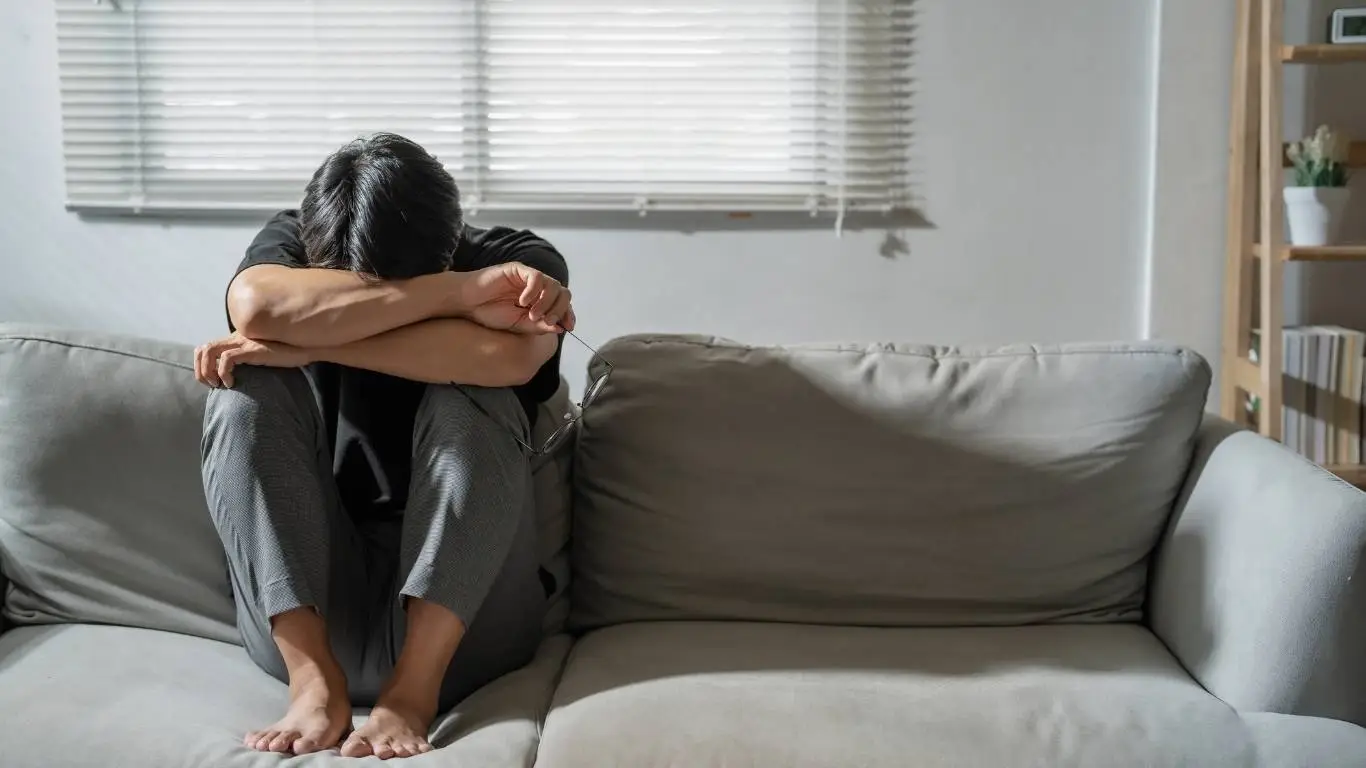
Let’s cut through the noise—parenting a child with separation anxiety isn’t just about tears at preschool drop-off. It’s navigating your child’s genuine fear that something awful might happen if you’re not around. You’re not “spoiling” them. This isn’t bad behavior. It’s a mental health challenge that deserves as much care and understanding as any physical condition.
Common Signs It’s More Than Clinginess
- Intense panic or distress when a parent or caregiver leaves
- Refusing to sleep alone or stay with other adults
- Nightmares centered around separation
- Physical symptoms like nausea or headaches before separation
Sometimes, these signs sneak in quietly. A seemingly minor tantrum during school drop-off can evolve into daily dread—for both child and parent. It’s why articles like why separation anxiety in adults quietly sabotages relationships resonate so much—this doesn’t always stay confined to childhood.
Why Separation Anxiety Hits Hard in Parenting

From a parent’s point of view, this anxiety is exhausting. You juggle work, responsibilities, and your child’s ever-changing emotional landscape. You feel guilty leaving, frustrated staying, and constantly on edge. I remember hiding in the car for a few minutes after daycare drop-off just to cry. I wasn’t sad—I was mentally drained.
According to the National Institute of Mental Health, separation anxiety disorder is not rare. But it’s under-discussed in the parenting community. That silence creates shame—and guilt thrives in silence.
Real Talk: It Affects the Whole Family
- Your partner may feel neglected because your focus is solely on calming the child
- Siblings may become resentful due to lack of attention
- You may decline social invitations to avoid meltdowns
And it doesn’t stop there. If not managed early, it can quietly evolve into social anxiety or generalized anxiety disorder. That’s why resources like why anxiety in daily life quietly disrupts your routine are worth bookmarking.
Strategies That Help—From One Parent to Another

After months of trial and error, we found things that worked—not overnight fixes, but meaningful shifts.
1. Start Small and Consistent
I stopped trying to do “big” separations like full-day care. Instead, I’d step out for 5 minutes, then 10. I used timers so she could see the countdown. Eventually, she began to trust that I’d come back.
2. Validate Their Feelings
Instead of saying, “You’re fine,” I shifted to, “I know this is hard. But we’ll get through it together.” It built trust. It grounded her. It grounded me, too.
3. Give Them a Job When You Leave
I’d ask her to “take care of my scarf” or “draw me a picture.” These small tasks distracted her and gave her a sense of purpose during our time apart.
4. Introduce Mind-Body Tools
Things like breathing exercises and body scans weren’t just calming—they gave her *tools*. She felt less helpless, and I saw her confidence bloom.
When to Consider Professional Support

If the anxiety lasts longer than four weeks, worsens, or interferes with daily life (like school, play, or sleep), it may be time to talk to a professional. Our pediatrician recommended a child therapist specializing in anxiety. Best decision we made.
We also explored this resource on anxiety disorders diagnosis and assessment which helped us understand the process better.
Evidence-Based Therapies to Explore
- Cognitive Behavioral Therapy (CBT): especially effective with children
- Parent-Child Interaction Therapy: builds secure attachment and responsiveness
- Play Therapy: helps children process emotions through expression
And don’t overlook lifestyle changes. Articles like anxiety disorders lifestyle self-help offer some surprisingly doable adjustments—from routines to sleep hygiene—that make a lasting difference.
Resources That Empower, Not Overwhelm

For us, the turning point wasn’t just therapy or structure—it was information. Understanding what we were facing took us from reactive to proactive. If you’re navigating this, you don’t need to do it blindly. Explore this main article on why anxiety disorders can secretly control your daily life and pair it with the hidden causes of anxiety disorders most people miss for deeper insights.
Creating a Supportive Home Environment

Once I accepted that this wasn’t something my child could just “snap out of,” everything changed. We began making intentional adjustments at home. It didn’t mean tiptoeing around her anxiety—but rather, creating a space that made her feel secure, seen, and safe. A few of these small but consistent changes made a bigger difference than I expected.
Build Predictability Into Your Day
Anxious kids crave routine—it gives them something to hold onto when their emotions feel out of control. We started using visual schedules for mornings and evenings. Even things like “brushing teeth” and “pack backpack” became anchors. When she knew what to expect, her resistance melted a little.
Use Visual Cues and Calm-Down Spaces
We created a “calm corner” in the living room. It had a beanbag, a basket of sensory toys, and a few books. It wasn’t a timeout—it was a safe spot where she could reset. And for visual cues? A simple poster on the fridge with her daily routine helped her feel more in control.
Encourage Independent Play
Separation doesn’t just happen at daycare—it starts in the living room. I used to hover while she played. But when I slowly started backing away—first to the kitchen, then to another room—it gave her space to explore independence while still knowing I was close by.
This gradual approach aligns with exposure techniques often used in exposure therapy for phobias. You’re teaching the brain: “Hey, we can handle this.”
How to Handle School Drop-Offs Without the Tears

If school mornings are your daily battleground, you’re not alone. I used to dread drop-off. Her clinging. My chest tightening. The guilt that followed me into every work meeting. But here’s what started working for us:
1. Create a “See You Soon” Ritual
We made up a quick rhyme, a special handshake, and a kiss on the hand. Every. Single. Day. It became our thing. And that predictability helped her separate a little easier.
2. Avoid Long Goodbyes
It’s tempting to wait until they’re calm—but that often makes it worse. A confident, loving goodbye (even if they’re crying) shows you trust they’ll be okay. The staff will help settle them. And yes—it’s okay to cry in the car afterward.
3. Celebrate Tiny Wins
The first time she walked into class without a full meltdown, I cried. Quietly, in the parking lot. Celebrate those moments, no matter how small. They matter.
If school anxiety continues, tools like the GAD-7 questionnaire can help you and professionals understand your child’s stress levels better. It’s not just for adults—early use can help catch and manage generalized anxiety before it spirals.
Supporting Yourself As a Parent

Let’s be honest—this journey isn’t easy. And we rarely talk about the toll it takes on the parent. The constant vigilance. The worry. The second-guessing. Parenting a child with separation anxiety can quietly wreck your emotional reserves if you don’t take care of yourself too.
Give Yourself Permission to Feel
I used to feel guilty for feeling frustrated. For wanting a break. For needing space. But those feelings? They’re valid. They don’t make you a bad parent—they make you human.
Practice Your Own Coping Tools
- Journaling helped me untangle my guilt and exhaustion
- Breathwork became my go-to in the car before pick-up
- I created a bedtime ritual just for me—no phones, just calm
Lean on Your Support Network
I can’t stress this enough. Talk to friends. Join parenting groups. Even online support communities like those mentioned in how anxiety support groups benefit your mental health are lifelines when you feel isolated.
Why Early Support Sets the Stage for Resilience

Helping your child manage separation anxiety now builds skills they’ll carry into the rest of their life. I’ve seen my daughter—who once couldn’t leave my side—walk into her classroom with a quiet confidence. She still has tough days, but she knows how to name her feelings and what tools to use. That didn’t happen by accident—it came from showing up, staying consistent, and giving her the space to grow.
If you’re looking to dig deeper into recovery-focused tools, I highly recommend this guide on psychotherapy and counseling for anxiety. It helped me feel less lost when I was trying to understand therapy options. You’ll also find practical advice in the site’s main resource on why anxiety disorders can secretly control your daily life.
You’ve got this—even when it feels like you don’t. And so does your child. You’re not parenting wrong. You’re parenting through something really hard, with so much heart. That alone says everything.

Camellia Wulansari is a dedicated Medical Assistant at a local clinic and a passionate health writer at Healthusias.com. With years of hands-on experience in patient care and a deep interest in preventive medicine, she bridges the gap between clinical knowledge and accessible health information. Camellia specializes in writing about digestive health, chronic conditions like GERD and hypertension, respiratory issues, and autoimmune diseases, aiming to empower readers with practical, easy-to-understand insights. When she’s not assisting patients or writing, you’ll find her enjoying quiet mornings with coffee and a medical journal in hand—or jamming to her favorite metal band, Lamb of God.