
Parenting with Back Pain: Safely Lifting Kids Without Injury
If you’re a parent dealing with back pain, I get it — I’ve been there. Lifting your toddler when your spine feels like it’s on fire isn’t just painful, it’s stressful. You’re torn between the need to care for your child and the fear of aggravating your back. The good news? There are smart, safe, and surprisingly simple ways to lift your child that won’t wreck your back. Let’s dive into what really works — from practical lifting strategies to the small tweaks that make a huge difference.
Why Parents Are More Prone to Back Pain

Parenting is a physically demanding job, especially in those early years. Between lifting, carrying, bathing, and bending over a dozen times an hour, your spine takes a beating. And let’s not forget sleep-deprived nights that don’t exactly help your posture. If you’ve ever scooped up a squirmy toddler from the floor while twisted sideways, you’re not alone — and that move is a major back breaker.
Common Triggers in Everyday Parenting
- Improper lifting during diaper changes or putting kids in car seats
- Holding children on one hip for extended periods
- Twisting motions while multitasking (hello, picking up toys with a baby in your arm)
- Lack of core strength due to postpartum changes or sedentary habits
It’s no surprise that parents fall into a high-risk group for chronic back issues, especially when lifting becomes a daily routine.
Safe Lifting Techniques Every Parent Should Master

The first thing my physical therapist drilled into me after my second baby? Stop using my back like a crane. Instead, learn to lift like an athlete. It’s all about alignment, timing, and using your legs and core — not your spine.
1. The Squat and Scoop
Bend at your knees, not your waist. Keep your feet hip-width apart and your child close to your body. Engage your abs, and as you rise, push through your heels. This protects your spine and lets your powerful leg muscles do the heavy lifting.
2. The One-Knee Rule
If your child is on the ground and you’re already feeling stiff, drop one knee down beside them. Bring them close before standing up — this minimizes strain and gives you better control.
3. Use Furniture to Your Advantage
When lifting from a crib or changing table, lower the side rail or bring your child closer to the edge. It’s all about reducing your reach. Overextending your arms is a surefire way to stress your lower back.
4. Core Engagement: Your Back’s Best Friend
Every lift should start with a subtle belly brace — like you’re preparing for a punch. This simple cue stabilizes your spine and reinforces proper alignment. For chronic issues, consider Pilates for core and back health, which helped me rebuild strength post-pregnancy.
Rebuilding Strength and Stability

While technique matters, long-term relief comes from strength — especially in your core, glutes, and lower back. Without it, even perfect form can fall short. Here are some simple movements that changed the game for me:
Mini Workouts That Fit Into a Busy Parenting Schedule
- Glute bridges: Strengthen hips and stabilize your lower spine
- Bird-dogs: Great for posture and spine control
- Wall sits: Low-impact but powerful for legs and back
- Planks: Start short, build over time for core endurance
These require no equipment and can be done in your living room during nap time. If your mornings are a blur, try doing a quick set right before bed — it’s better than nothing.
For a more structured plan, consider exercise rehabilitation guidance tailored for back pain. It’s one of the most practical long-term investments I’ve made for my back — and for parenting with less pain.
Tools and Products That Help With Daily Lifting

It might sound silly, but the right tools make a massive difference. I used to think back braces and ergonomic chairs were overkill — until I realized how much strain they take off daily parenting tasks.
Helpful Gear Worth Considering
- Ergonomic baby carriers: Support your spine and distribute weight evenly
- Changing tables at waist height: Save your back during multiple diaper changes
- Stroller with adjustable handles: Reduce bending while pushing
- Supportive back braces for flare-up days
I personally found the standing desk to be a surprising back-saver too — especially when managing work-from-home chaos between bottle feedings and tantrums.
When to Worry: Signs Your Back Needs More Than Rest

Parenting discomfort is one thing. But if your back pain is severe, lingers more than a few days, or includes leg numbness or weakness, it’s time to speak with a healthcare professional. Don’t brush it off as “normal parent pain.” Trust me — I did that, and it cost me months of avoidable recovery time.
Pay attention to red flags in back pain diagnosis that should never be ignored. If any apply, get checked out — early treatment means faster healing.
Understanding the Long-Term Impact of Repetitive Strain

Back pain isn’t just about today’s discomfort. Over time, repeated strain can lead to more serious conditions like disc herniation, facet joint issues, or even spinal misalignment. The damage builds gradually, often without warning. That’s why lifting safely isn’t just a parenting hack — it’s prevention in action.
If your symptoms line up with chronic causes, it’s worth reading this breakdown of herniated disc pain and what to do before it becomes a major disruption.
Need a broader guide to pain patterns and movement rehab? The main guide on exercise and ergonomics is a great starting point. For everything from diagnosis to treatment options, this comprehensive back pain resource pulls it all together.
Parenting with Chronic Back Pain: How to Keep Going Without Breaking Down

Let’s be honest — parenting doesn’t come with a pause button just because your back is out of commission. I learned this the hard way after months of flare-ups that turned into full-blown chronic pain. But giving up? Not an option. What helped me wasn’t just pain relief, but rethinking how I move, rest, recover — and ask for help (which, for me, was the hardest part).
Building a “Pain-Smart” Parenting Routine
- Break up physical tasks: Avoid long stretches of carrying or standing by alternating with seated or floor-based play.
- Use routines: Children thrive on routine, and so will your spine. Predictability helps reduce strain.
- Tag team when possible: Share lifting duties with a partner, older sibling, or even a babysitter during flare-ups.
What changed my mornings was something as simple as prepping everything the night before — even the toddler’s socks. Less scrambling = less bending = less pain.
Smart Recovery: What Really Helps After Lifting Too Much
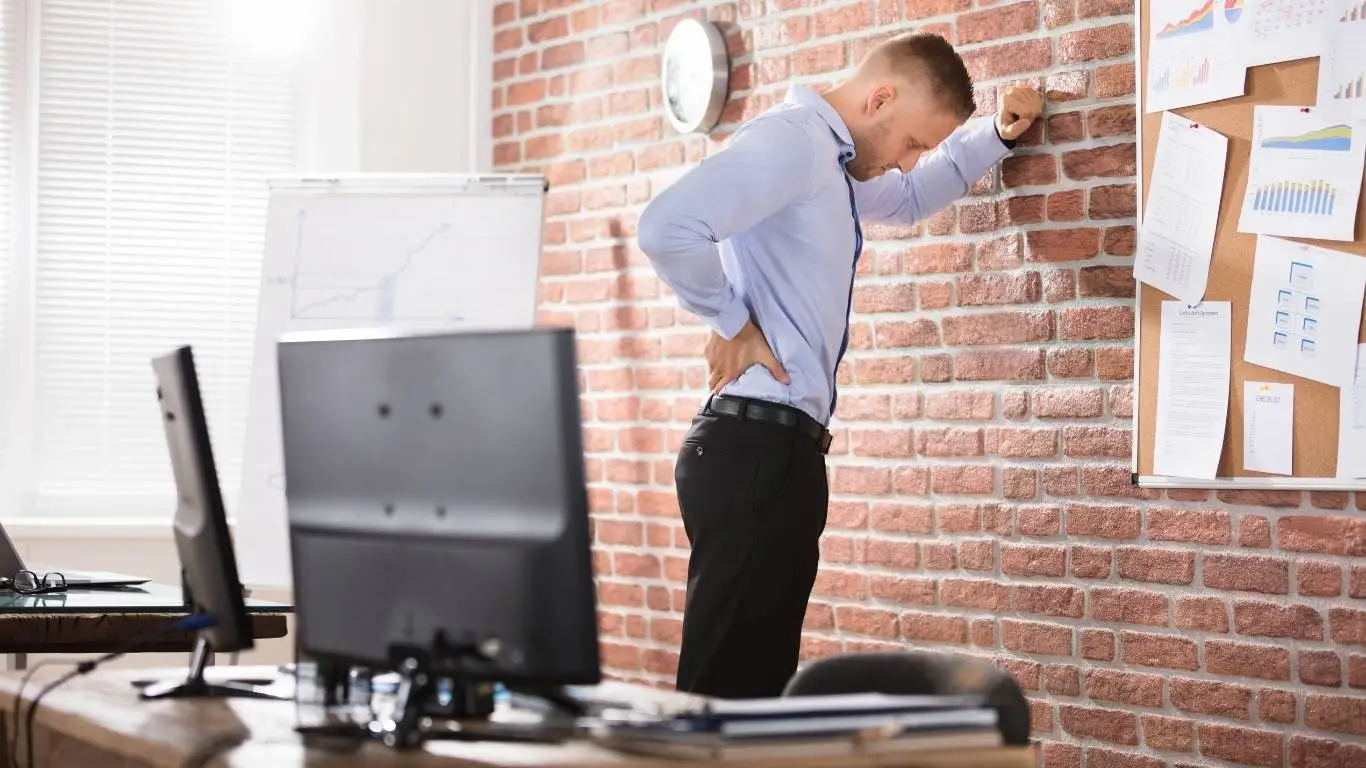
You overdid it. Maybe you hoisted your 3-year-old off the floor five too many times. It happens. What matters is how you recover. I used to push through it, thinking rest was a luxury — big mistake. Now I treat flare-ups like signals, not setbacks.
Recovery Tools That Work (and a Few That Don’t)
- Hot vs. cold therapy – Alternate ice and heat depending on inflammation or stiffness
- Foam rollers and massage balls – Perfect for tension release in the evening
- Topical creams with menthol or CBD – For short-term relief
- Passive rest – Useful only in moderation; too much can worsen stiffness
One thing I underestimated? Professional massage therapy. Once a month made a noticeable difference in my muscle recovery and overall mobility.
Parenting Through Flare-Ups: Emotional Toll & Mental Load

Let’s talk about the mental side of parenting with chronic pain. It’s exhausting. You feel guilty for snapping at your kid because your back’s throbbing. You feel ashamed for needing a break. I’ve been there more times than I can count. But bottling it up only makes the pain worse — emotionally and physically.
Practices that helped me include:
- Mindfulness meditation to stay grounded during flare-ups
- Cognitive Behavioral Therapy (CBT) for reframing pain-guilt loops
- Parenting support groups — both online and local — for real talk with others in your shoes
Don’t underestimate the power of talking it out. I once joined a virtual support call while laying on a heating pad — best decision I made that month.
The Sleep and Recovery Connection (It’s Bigger Than You Think)

If you’re sleeping on a worn-out mattress or twisted like a pretzel from co-sleeping with a toddler, your back isn’t getting the recovery it needs. Sleep is when your spine decompresses and heals. Poor sleep = chronic inflammation = recurring pain.
Sleep Adjustments That Changed My Mornings
- Switched to a firmer mattress with lumbar support zones
- Started side-sleeping with a pillow between my knees to align hips
- Added a lumbar roll for short naps in reclined positions
The difference? Waking up without a stabbing ache in my lower back. Small shifts, big impact.
Preventing Back Injury as Kids Get Heavier

Babies become toddlers. Toddlers become big kids. And your back? It doesn’t magically get stronger with them. As your child grows, your lifting needs to evolve too — not just for safety, but longevity.
Age-Adjusted Lifting Tips
- Preschoolers: Teach them to climb into car seats and high chairs with minimal lifting
- Elementary-aged kids: Encourage piggyback rides over front lifts — better for your alignment
- Limit surprise lifts: No more lifting from awkward angles or when caught off guard (trust me, this is when injuries happen)
I started saying “Let’s hug standing up” when my 5-year-old would run to me asking for a lift. Sounds silly, but it’s saved my back and still gives us that close moment.
When Conservative Care Isn’t Enough

If you’ve tried everything — lifting smarter, therapy, workouts — and you’re still stuck in pain, it might be time to explore further options. I was hesitant about injections or specialist visits, but knowing what’s available helped me feel more in control.
Start by reading about epidural steroid injections or radiofrequency ablation — they’re less invasive than surgery and sometimes provide lasting relief. If nerve pain is involved, nerve conduction studies can pinpoint the issue more accurately than guesswork ever could.
What Helped Me Keep Going as a Parent With Back Pain

The biggest takeaway from my journey? You don’t have to be pain-free to be a great parent. You just need the right strategies, support, and mindset. I still have bad days, but I’ve learned how to manage them without spiraling into burnout.
If you’re ready to take the next step in understanding and managing your condition, dive deeper into conservative treatment options that might help you avoid surgical paths. And if you haven’t already, bookmark Healthusias’ complete back pain guide — it’s been my go-to since the first flare-up hit.

Camellia Wulansari is a dedicated Medical Assistant at a local clinic and a passionate health writer at Healthusias.com. With years of hands-on experience in patient care and a deep interest in preventive medicine, she bridges the gap between clinical knowledge and accessible health information. Camellia specializes in writing about digestive health, chronic conditions like GERD and hypertension, respiratory issues, and autoimmune diseases, aiming to empower readers with practical, easy-to-understand insights. When she’s not assisting patients or writing, you’ll find her enjoying quiet mornings with coffee and a medical journal in hand—or jamming to her favorite metal band, Lamb of God.