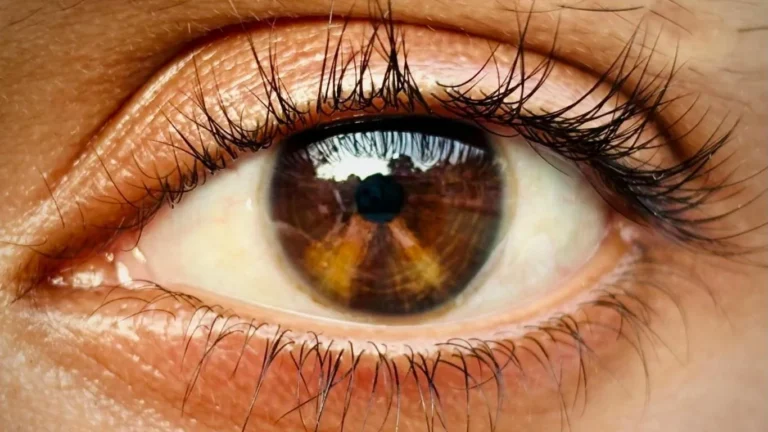
Eye Movements That Trigger Migraine And How To Avoid Them
I never used to pay much attention to how my eyes moved—until I noticed something odd. Certain glances to the side, quick shifts while scrolling, or even looking up too quickly during yoga started giving me that dreaded pre-migraine haze. It wasn’t always immediate, but it was consistent. Turns out, I’m far from alone. Many people are beginning to notice that specific eye movements can actually trigger migraine attacks. If that sounds familiar, you’re in the right place.
Why Certain Eye Movements Can Set Off a Migraine

It might sound bizarre at first—how can simply shifting your eyes bring on something as intense as a migraine? The answer lies in the complex neurovascular wiring of the brain and its connection to eye muscles and motion centers.
How Eye Movement Interacts with the Brain
Your eye movements aren’t just about muscles—they’re tightly connected to brain activity. Structures like the occipital lobe and brainstem play key roles in both vision and migraine processing. When these areas are overstimulated, such as from frequent or strained movement, they can light up pain pathways.
For some people with migraines—especially those with migraine with aura—these triggers may feel almost neurological in origin. In fact, some researchers suspect that rapid eye movements can disrupt visual processing in ways that mimic or provoke an aura itself.
Which Eye Movements Are Most Likely to Trigger a Migraine?
Based on clinical observations and personal reports, these are the movements most commonly linked to migraine onset:
- Rapid side-to-side motion — like scanning a screen or shifting attention between speakers in a meeting
- Upward gaze — often triggered during exercise or yoga poses
- Intense focus or squinting — especially in bright environments
- Saccades and tracking — quick shifts between focal points
In my own experience, looking up quickly or trying to follow fast-moving objects (like during tennis) is a sure-fire recipe for a pounding headache later in the day. And I’m not even particularly sensitive to light or sound otherwise.
Underlying Conditions That Make Eye Movement a Trigger

While not everyone gets a migraine from moving their eyes, certain underlying conditions increase the risk. If this is happening to you frequently, it might be worth considering whether any of the following are involved:
Binocular Vision Dysfunction
This condition makes it difficult for your eyes to work together effectively. When your eyes aren’t aligned properly, your brain works overtime to correct the issue, which can easily lead to a migraine. A specialized eye exam can identify this.
Vestibular Migraine
If you’ve ever felt dizzy, off-balance, or nauseous with your migraine, you might be dealing with a vestibular migraine. These types are more likely to be sensitive to motion—including eye motion.
Digital Eye Strain
Staring at screens all day doesn’t just hurt your productivity; it hurts your head. Add constant micro-movements from scrolling and switching tabs, and you’ve got a perfect storm of stimuli.
Managing Migraines Triggered by Eye Movements

Now that we’ve pinpointed the issue, what can we do about it? While you can’t just stop moving your eyes, there are practical steps to reduce the risk of triggering a migraine this way.
Adjust Screen Settings
- Use blue-light filters or night mode, especially in the evening
- Increase font size to avoid squinting
- Set your screen brightness to match your environment
Train Your Eye Muscles
Yes, eye exercises are a real thing! Try doing convergence exercises or tracking drills. These help stabilize your vision and reduce eye fatigue. An optometrist trained in vision therapy can help you get started.
Use Rest Breaks
Try the 20-20-20 rule: every 20 minutes, look at something 20 feet away for 20 seconds. It’s basic but incredibly effective, and recommended by optometrists and neurologists alike (aao.org, nih.gov).
Protective Eyewear
Many people find relief using glasses specifically designed for migraines. These typically block specific light spectrums known to worsen symptoms. Check out our breakdown on blue-light glasses for migraine relief.
When to Talk to a Specialist

If these symptoms keep happening, don’t brush it off. In some cases, what looks like a migraine from eye motion might be something else entirely. Conditions like neurological disorders or vision misalignments can masquerade as migraine triggers.
Consider keeping a record of when it happens, what you were doing, and how long the symptoms lasted. A simple migraine diary can go a long way in uncovering hidden patterns—and your neurologist will thank you for it.
For a deeper look at the broad landscape of migraine causes, treatments, and preventative tools, be sure to check out our comprehensive migraine triggers guide and start from the main migraine and headaches page for a wider context.
Other Surprising Visual Triggers That Work With Eye Movements

Beyond actual movement, certain visual environments combined with motion can become a silent setup for migraines. If your eyes are scanning a cluttered scene, flashing lights, or patterns while moving around, that can kick things off faster than you’d expect.
Fluorescent and Flickering Lights
Offices and stores with fluorescent lights? Yeah, those get me every time. I used to think I was just tired, but it turns out low-frequency flicker is a real migraine trigger, especially when paired with quick eye movements. Even modern LED lights can be culprits depending on refresh rate.
Scrolling and Digital Motion
Ever feel weird after scrolling too fast on your phone? You’re not imagining it. Horizontal motion, especially at high speed (like reels, fast-cut videos, or auto-scrolling sites), makes your eye muscles work harder, and for sensitive brains, that’s enough to bring on the pain. That’s exactly why many migraine sufferers use smartwatches for screen-free tracking.
Busy Visual Environments
Crowded backgrounds, optical illusions, strong contrasting lines—these aren’t just annoying, they’re often cited in sensory sensitivity migraine cases. Combine that with motion, and you’ve got a double-whammy.
What Experts Recommend for Prevention and Relief

I used to think I just needed better sleep and fewer screens. While those help, there’s a much wider toolkit out there that’s actually been studied and recommended by neurologists and migraine-focused specialists.
Vision Therapy and Eye Alignment
Some optometrists now offer vision therapy—not just for kids, but for adults with migraines tied to eye strain. These structured exercises retrain the way your eyes coordinate, reducing stress on your visual cortex. If you have trouble reading without fatigue, this may be worth a look.
Posture and Screen Ergonomics
- Keep screens at eye level to avoid excessive upward/downward gaze
- Use a matte screen protector to reduce glare
- Avoid slouching—poor neck position can lead to neck strain-linked migraines
Prescription Lens with Migraine Filters
Several brands now offer FL-41 tinted lenses designed to filter out migraine-provoking wavelengths. I’ve been wearing these while working and they’ve honestly helped reduce the weird tightness behind my eyes. Some people swear by them for reducing eye floaters and visual disturbances too.
Supplements That Support Visual and Neurological Health
Certain nutrients support both ocular and neurological health. Based on research and my own experience, these are often part of a broader migraine prevention plan:
- Magnesium — essential for nerve transmission (magnesium for migraine)
- Vitamin B2 (Riboflavin) — helps regulate mitochondrial function
- CoQ10 — supports brain energy use and may help with aura symptoms
Always speak with a healthcare provider before adding supplements, especially if you’re on medication or sensitive to changes.
Daily Habits That Actually Make a Difference

You don’t have to overhaul your lifestyle overnight, but small tweaks can be game-changing. These strategies didn’t come from a textbook—they came from trial, error, and good conversations with my neurologist.
Build in Visual Rest
Try setting a 30-minute alarm on your phone to remind yourself to take a break—even just closing your eyes for a minute. I even started adding short “visual fasts” after work (no screens, no reading), and it’s honestly helped keep my evenings headache-free.
Improve Sleep Hygiene
Poor sleep is a well-known trigger, and if your eyes are already strained, lack of REM sleep will only make things worse. Consider adjusting your bedroom lighting, using blackout curtains, and skipping screens at least an hour before bed.
These changes tie in closely with reducing migraine sleep disruptions.
Track Triggers with a Purpose
Don’t just log what hurts—log what helps too. I found out that my worst visual migraines came after stress, poor hydration, and staring at moving graphics for over an hour. My migraine app made it obvious.
Take Control Before It Controls You

Migraines are complex beasts, and when your triggers include something as constant as eye movement, it’s easy to feel defeated. But knowledge is power. Once I knew what to avoid and how to adjust my routine, the change was dramatic. Not perfect—but way better.
It’s all about narrowing down your personal prevention strategies, staying informed, and being your own best advocate. And when in doubt, get a second opinion. Your eyes—and your brain—are worth it.
For a broader understanding of migraine types and triggers, visit our core resource on understanding migraines, or explore the full landscape of research, treatment, and support through the main migraine and headache hub.

Bianca Nala is a compassionate Nurse Practitioner with a strong background in primary and respiratory care. As a health writer for Healthusias.com, she combines her clinical expertise with a talent for clear, relatable storytelling to help readers better understand their health. Bianca focuses on topics like asthma, COPD, chronic cough, and overall lung health, aiming to simplify complex medical topics without losing accuracy. Whether she’s treating patients or writing articles, Bianca is driven by a single goal: making quality healthcare knowledge accessible to everyone.