Hidden Migraine Triggers in Beauty Products You Need to Avoid
I’ll admit, it took me far too long to connect the dots between my relentless migraines and the products I was using daily on my skin. There I was, constantly swapping moisturizers and trying new fragrances, not realizing I was practically inviting migraines through the front door. If you’ve ever walked through the cosmetics aisle and felt your head throb minutes later, you’re not imagining it. Beauty products can hide some surprisingly potent migraine triggers — and they’re not always obvious.
Common Offenders Lurking in Your Vanity

You’d think companies would be more mindful of what’s going into their products, but nope — many mainstream beauty items are loaded with ingredients that can easily set off migraines in sensitive individuals. Some of the worst culprits include:
- Artificial Fragrances: These are major triggers. They’re often made from a mix of chemicals that aren’t even disclosed on the label.
- Parabens: Common preservatives in cosmetics. Some studies hint at their potential hormonal effects, which can tie directly to migraine activity.
- Phthalates: These sneaky compounds often show up in scented products and can worsen migraine symptoms.
- Essential Oils (in excess): While lavender and peppermint might sound therapeutic, in high doses they can have the opposite effect — especially if you’re prone to scent-related migraines.
When I finally ditched my floral-scented shampoo and switched to an unscented, clean formula, it was like night and day. My bathroom didn’t smell like a spa anymore, but my head thanked me.
Decoding Ingredient Lists Like a Pro
Here’s the thing: product labels aren’t exactly user-friendly. Words like “parfum” and “fragrance” are blanket terms that can hide dozens of chemicals. If you see anything vague or overly long, it’s worth a closer look.
Watch Out for These Hidden Names
- Linalool – Naturally occurring in many essential oils, but also a common irritant.
- Geraniol – Sounds fancy but can be a red flag for scent sensitivity.
- Eugenol – Found in clove oil, this one’s a sneaky trigger for many migraine sufferers.
These compounds often hide in products labeled “natural” or “organic,” which can be misleading. Just because something is plant-derived doesn’t mean it’s migraine-safe.
We break down more symptom-related responses to chemical exposure in migraine numbness and weakness, especially when tingling follows certain exposures.
When Scents Attack: Why Your Nose Knows

Scent sensitivity is a real issue. I used to think I was just being picky — until I realized that within 10 minutes of walking into a perfume store, I’d feel nauseated, lightheaded, and a full-blown migraine would follow shortly after. Turns out, this isn’t just me being dramatic.
The connection between smell and migraine is well documented, with olfactory triggers being among the most common. This is especially tricky with beauty products because the fragrance isn’t just on your skin — it lingers in the air, on your clothes, and even your pillowcase.
Signs Your Beauty Routine Is Making Things Worse
- Frequent migraines after using a specific lotion, spray, or shampoo
- Tingling in the face or scalp right after applying certain products
- Headaches that seem to flare up with no other clear trigger
If any of those ring true, it might be time to reassess what you’re using. And yes — even your “clean” beauty picks might need a second look.
Do Hormones Play a Role Here Too?
Absolutely. Hormonal fluctuations can make people more sensitive to environmental triggers — including those found in beauty products. Some researchers suggest that hormone-mimicking compounds in personal care items may aggravate this sensitivity.
Women in particular tend to experience migraines tied to hormonal cycles. Add in parabens and phthalates — which are known endocrine disruptors — and you’ve got a double whammy. This is why many women report more migraines around their period, especially after using heavily fragranced body washes or lotions.
Learn more about hormonal migraine triggers and how your everyday products could be quietly making them worse.
What Dermatologists and Neurologists Are Saying

Many neurologists now recognize beauty products as potential migraine culprits, especially among those with scent-triggered episodes. Dermatologists also warn that the skin is highly absorbent — and what gets absorbed can affect more than just the surface.
Several recent studies, including reviews from professionals at https://www.ncbi.nlm.nih.gov and https://www.mayoclinic.org, highlight the need for more regulation and transparency in the personal care industry. And while research is still catching up, anecdotal evidence is mounting.
For a deeper look into identifying what’s triggering your episodes and keeping track, check out our full guide on migraine diary strategies. It’s been a game-changer for me personally in spotting unusual patterns — like how my new eyeliner was quietly wrecking my weekends.
If this topic resonates, don’t miss our comprehensive coverage on migraine triggers and ways to spot them before they ruin your day. Also visit our main overview at Migraines & Headaches for holistic insights.
Switching Your Routine Without Losing Your Mind
Changing up your beauty routine when you’re already knee-deep in favorite products? Yeah, I’ve been there. The idea of tossing out a $70 serum or that eye cream you’ve sworn by feels painful. But if you’ve been battling mysterious headaches or that weird tingling sensation on your face, it might be a necessary shift.
I didn’t overhaul everything overnight. It started with one product — my conditioner. I swapped it for a truly unscented version (not the “lightly scented” lie some brands push), and bam — no headache the next day. That tiny win gave me the confidence to keep going.
Tips for a Low-Trigger Beauty Routine
- Start with the big scent offenders – hair products, perfumes, and body sprays.
- Go fragrance-free, not just unscented – “unscented” sometimes means masking fragrance is added to hide chemical smells.
- Patch test and pause – Apply a new product on your wrist and wait. If you feel lightheaded, dizzy, or sense pressure building, you’ve likely found a trigger.
- Track reactions – Use a migraine diary to connect dots you might not notice right away.
If you’re sensitive to hormonal shifts, also consider cutting out products that contain hormone disruptors. You’ll be surprised how quickly your body responds when it’s not constantly on defense.
Beauty Triggers Hiding in Plain Sight
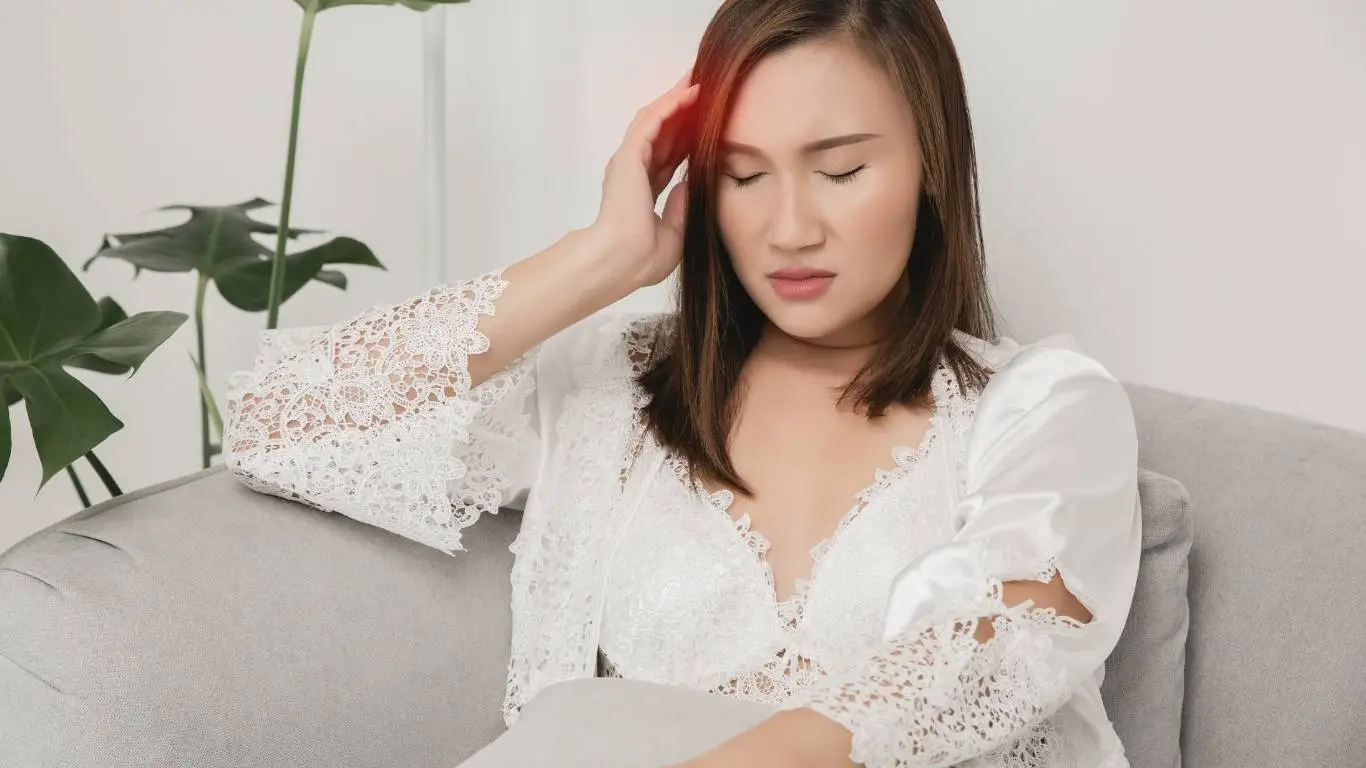
You might be thinking, “Okay, I ditched the perfume, now I’m safe.” Not so fast. Migraine-triggering ingredients don’t just hang out in obvious places. You’ll find them in lip balms, setting sprays, dry shampoo, face masks — even sunscreen.
I once traced a week of migraines back to a new ‘glow-enhancing’ face mist. The ingredient list read like a science fiction script, and apparently, my brain wasn’t a fan of “lilial” — a synthetic fragrance compound banned in the EU but still floating around in other markets.
Surprising Products to Double-Check
- Makeup primers – especially ones labeled “pore-blurring” or “long-lasting.”
- Nail polish removers – acetone is powerful and can provoke immediate migraine symptoms in some.
- Facial mists – loaded with botanicals and fragrance blends that sound “natural” but act otherwise.
- Lipsticks and glosses – essential oils and lanolin can be irritants for some users.
If it’s something that lingers on your face or near your eyes and nose for hours, consider it a suspect. For many, even pillowcases with residue from nightly skincare can be an overlooked issue.
How the Beauty Industry Handles Sensitivities (Spoiler: It Doesn’t)

Let’s be real — cosmetic companies aren’t prioritizing migraine sufferers. They’re focusing on shelf appeal, not neurological safety. Buzzwords like “clean,” “organic,” or “natural” aren’t regulated. That’s why someone with chronic migraines can use a ‘natural’ shampoo and still feel like they’ve been hit with a frying pan.
Even dermatologist-recommended brands sometimes sneak in artificial fragrance under vague terms. It takes some digging, which is why I always say: don’t fall for the branding — flip the bottle and read the fine print.
For added support, many neurologists now advise patients with chronic episodes to explore product audits. We cover more on this inside our tools and migraine relief accessories section, including guides on scent-neutral personal care tools and migraine-safe accessories.
Creating a Trigger-Free Zone at Home
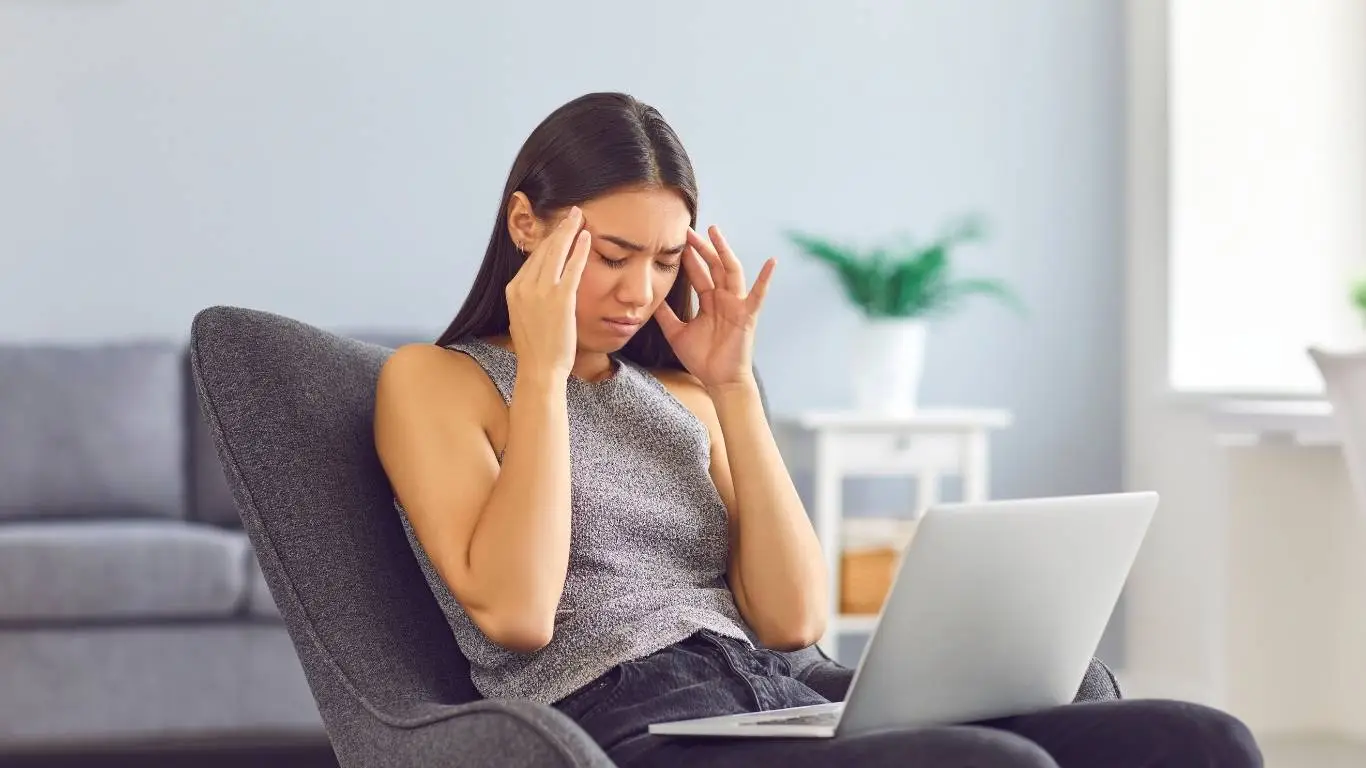
One of the best things I did was convert my bathroom into a no-trigger zone. It took a few weekends, but now every product in there is one I’ve vetted. No fake lavender, no chemical peels that smell like fruit punch, and no more “I just washed my face and now I can’t see straight” days.
Simple Upgrades That Help
- Switch to a neutral, unscented laundry detergent
- Use baking soda and vinegar for cleaning instead of sprays
- Ventilate your bathroom well — don’t let products linger in the air
And yes, exercise habits and environmental exposure matter too — sweating out chemicals isn’t as harmless as it sounds.
I’ve personally found the combo of low-toxin beauty care and daily magnesium supplements incredibly helpful. If you’re interested, check out the research-backed insight on magnesium’s role in migraine prevention.
It’s Not in Your Head — It’s On Your Skin

Too many people dismiss beauty-triggered migraines as “overreactions” or say things like, “it’s just a little scent.” But your brain doesn’t care how trendy or expensive the product is — if it doesn’t like what’s on your skin, it will let you know. Loudly.
Taking charge of your routine isn’t about ditching beauty altogether. It’s about reclaiming how you feel in your body. I still enjoy my skincare rituals — they’re just smarter now. No more second-guessing whether that new cleanser will land me in a dark room with an ice pack on my face.
For a complete breakdown of common external migraine triggers and how to avoid them, take a look at our full guide on migraine prevention. You’ll also find links to tools that can help with ingredient scanning and safe product swaps.
And if you haven’t already, explore our complete guide to migraines and headaches to understand your condition better and gain more control over your wellness decisions.

Bianca Nala is a compassionate Nurse Practitioner with a strong background in primary and respiratory care. As a health writer for Healthusias.com, she combines her clinical expertise with a talent for clear, relatable storytelling to help readers better understand their health. Bianca focuses on topics like asthma, COPD, chronic cough, and overall lung health, aiming to simplify complex medical topics without losing accuracy. Whether she’s treating patients or writing articles, Bianca is driven by a single goal: making quality healthcare knowledge accessible to everyone.