How Floaters Can Get Worse With Poor Tear Production
It started with a subtle haze across my vision — like trying to see through a dusty window. At first, I blamed late nights and screen time. But as days passed, those faint shadows and floaters didn’t go away. Add to that the constant dry, gritty feeling in my eyes, and I knew something deeper was going on. Turns out, there’s a surprising link between floaters and poor tear production that most people (including me) overlook — and it can seriously affect your long-term eye health if ignored.
Understanding the Overlap Between Floaters and Tear Deficiency
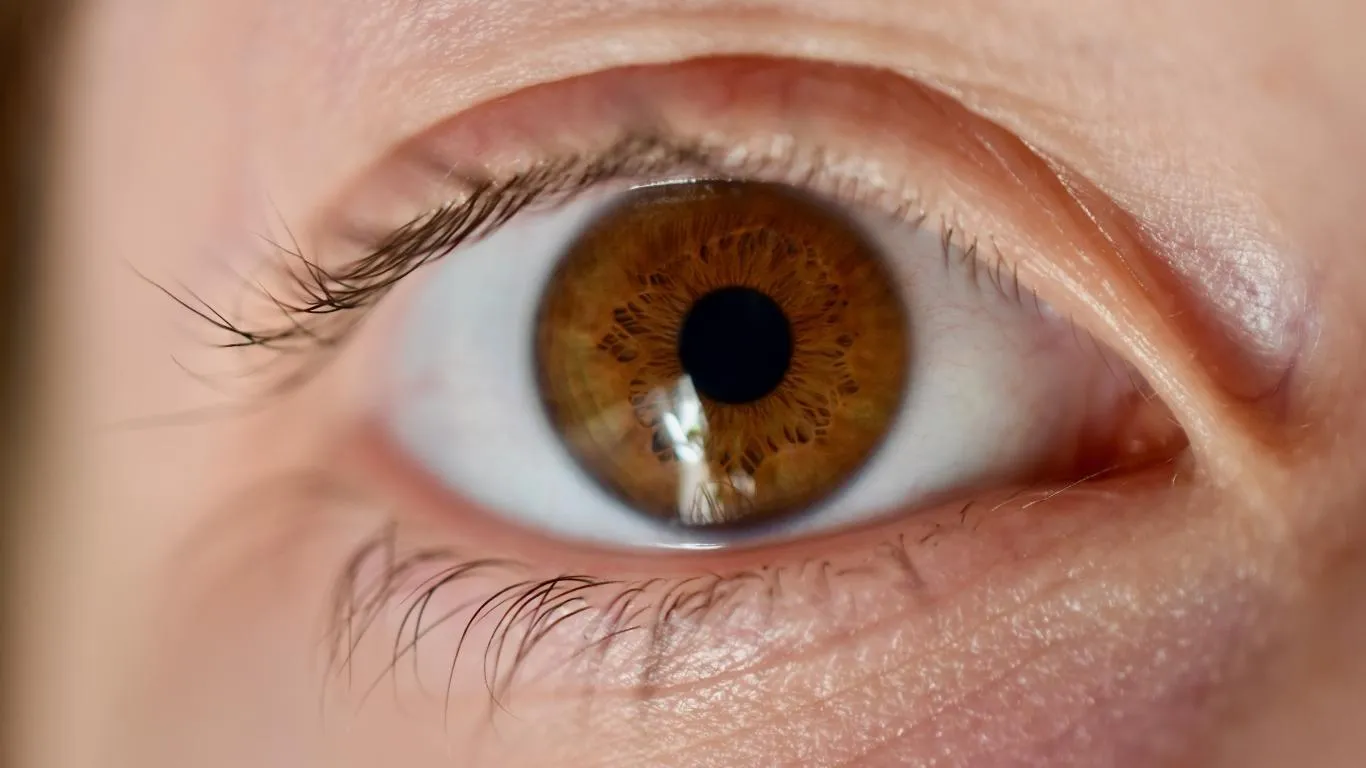
Most folks think floaters and dry eyes are separate problems — one happens inside the eye, and the other on the surface. Technically true. But recent research and patient cases suggest a more complex connection. When your tear film is disrupted, your eye doesn’t just feel dry — it also struggles to regulate internal pressure, oxygenation, and inflammation. That creates a perfect storm for vitreous degradation, leading to floaters.
I first noticed it during allergy season. My eyes were bone-dry, and soon after, I started seeing thread-like floaters dancing across my vision. I dismissed it, thinking it was just part of aging. But after weeks of worsening symptoms, my optometrist explained how chronic tear film instability can worsen oxidative stress inside the eye — the very environment where floaters thrive.
Why Tears Matter More Than You Think
Your tears aren’t just salty water. They’re a complex mix of lipids, mucin, and proteins designed to keep your eyes nourished and protected. When that layer breaks down — whether from screen overuse, hormonal changes, or autoimmune issues — your cornea becomes vulnerable, and so does everything behind it, including the vitreous.
- Lipid deficiency can lead to evaporative dry eye, increasing ocular surface friction
- Mucin instability means poor tear spreading and higher tear break-up time
- Aqueous layer reduction leads to inflammation, which can travel deeper into the eye
That chronic inflammation? It doesn’t stay on the surface. Over time, it may contribute to vitreous collagen breakdown, increasing floater visibility.
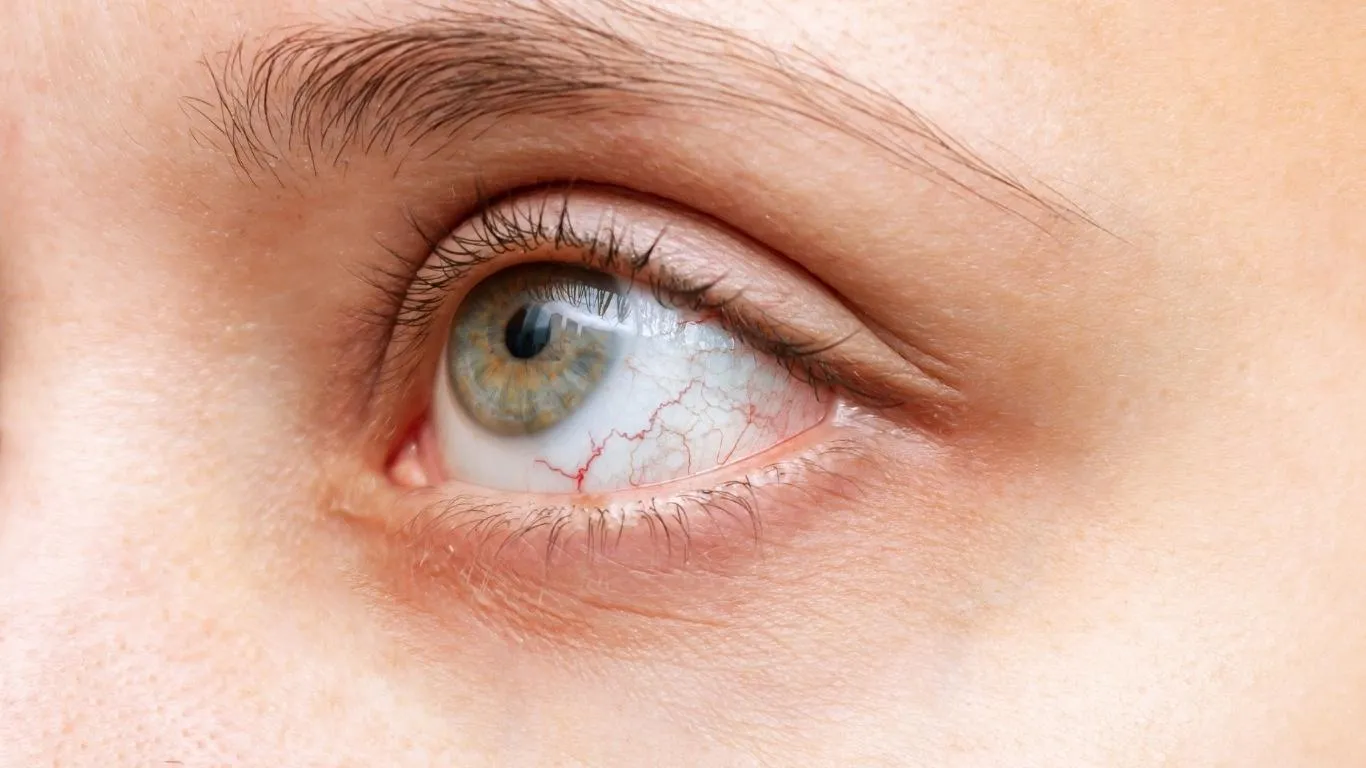
One of the core links between poor tear production and floaters is ocular inflammation. Chronic dry eye syndrome — especially the kind linked to autoimmune conditions — triggers inflammatory markers like interleukins and MMPs. These don’t just harm the ocular surface; they can affect the vitreous humor, too.
There’s a fascinating read on this connection in our piece on why inflammation might be behind your sudden eye floaters, highlighting how unchecked surface dryness can signal something deeper inside the eye.
Conditions That Bridge the Gap
- Sjögren’s Syndrome – affects tear glands and increases vitreous degeneration risk
- Autoimmune uveitis – leads to both dry eyes and floaters from inner eye inflammation
- Hormonal imbalances – especially in perimenopausal women, impact tear film and vitreous hydration
Ever wonder why some people only notice floaters after dry spells or extended periods in dry environments? It’s not a coincidence. The internal environment of the eye is influenced by the tear film’s health. When one suffers, the other follows.
Environmental Triggers That Worsen Both
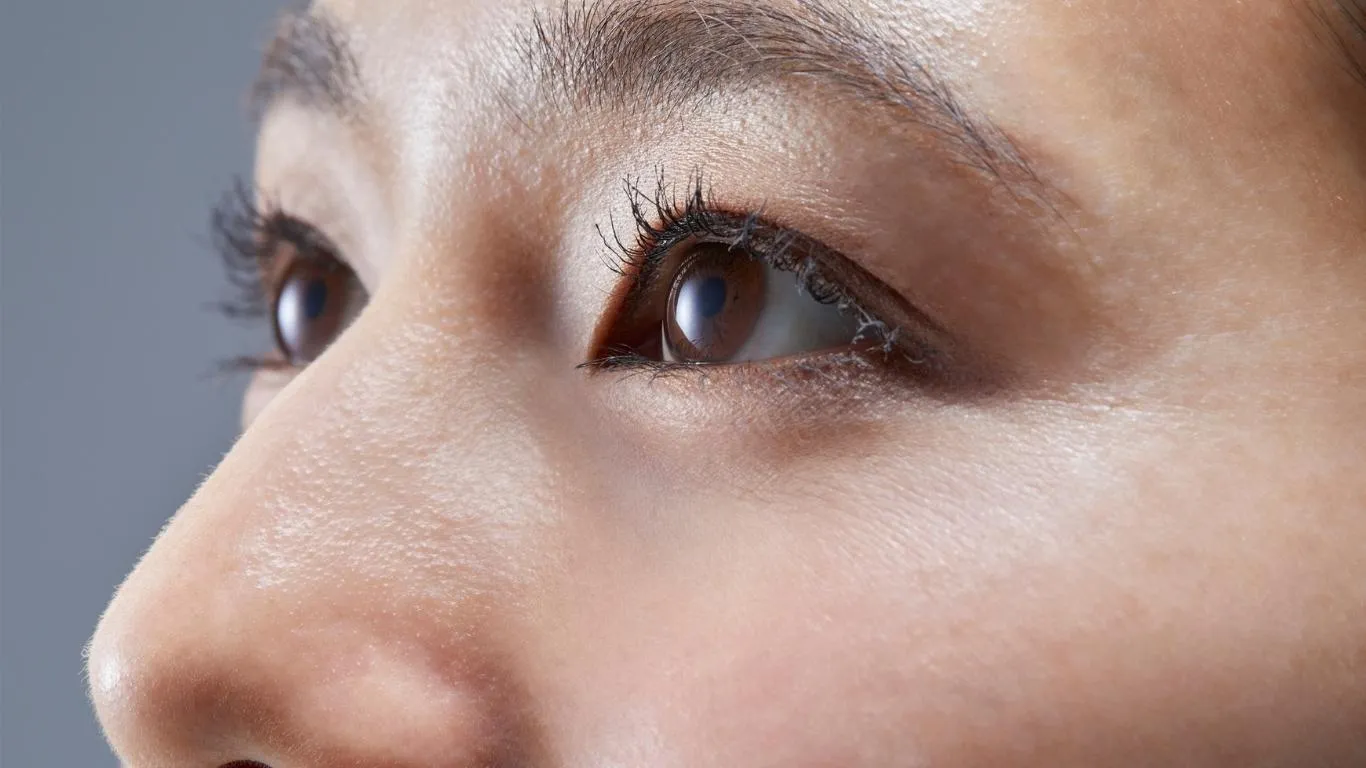
If you’re like me, spending long hours indoors with air conditioning blasting or dry heat circulating, your tear film is already compromised. Add blue light exposure from screens, low blink rates, and you’ve got a setup for both dry eye irritation and increased floater awareness.
I used to think floaters only popped up from age. But after reading up on how caffeine and dehydration affect floaters, I started seeing a clear pattern in my own symptoms — especially on days I forgot to drink water or worked late into the night staring at spreadsheets.
Everyday Habits That Might Be Making Things Worse
- Skipping hydration (less fluid = less tear production = more floaters)
- Not blinking enough while reading or using a screen
- Wearing contact lenses without rewetting drops
- Ignoring early dry eye symptoms like mild burning or light sensitivity
And it’s not just anecdotal. Studies from PubMed have explored how dry environments and screen-related eye strain correlate with floater complaints, especially in middle-aged adults.
Are You Mistaking Dry Eye for Something Worse?
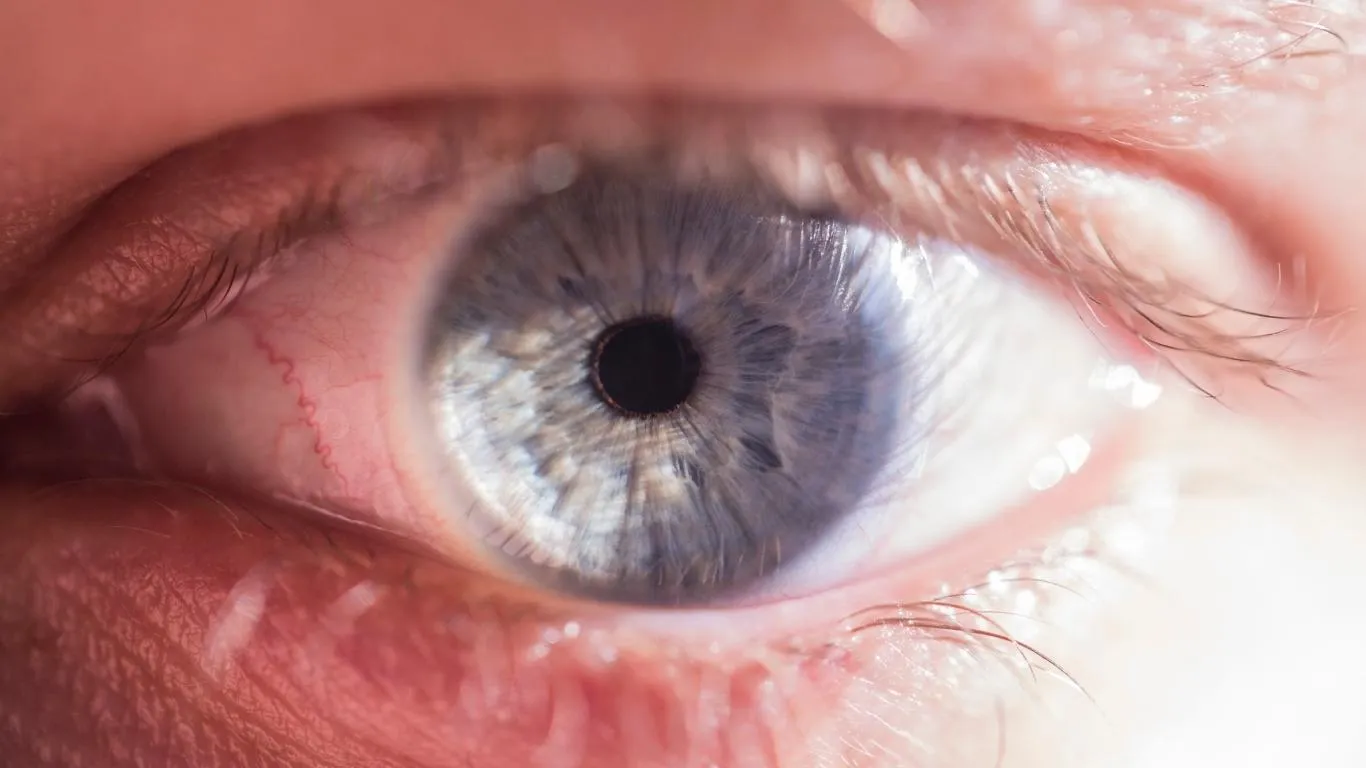
Some of the people I’ve spoken with online in eye care forums report mistaking floater flare-ups for signs of retinal problems — when really, their dry eye was amplifying the perception. The distorted surface optics from poor tear production can actually exaggerate how floaters appear, making them seem more prominent or darker than they really are.
That’s where education becomes critical. Check out our guide on how to tell the difference between floaters and other eye conditions. Knowing when it’s a floater, and when it’s something more serious, can save your vision — and your peace of mind.
For a complete understanding of the underlying science and causes, the article on what causes floaters and treatment options is worth bookmarking. It’s a deep dive, but if you’re like me and want to get to the root cause, it’s an eye-opener (pun intended).
Also, if you’re experiencing both symptoms, you’ll want to explore this pillar post that outlines when floaters signal something serious. Trust me — it helped me advocate better for myself during my eye exam.
Long-Term Consequences of Ignoring the Connection
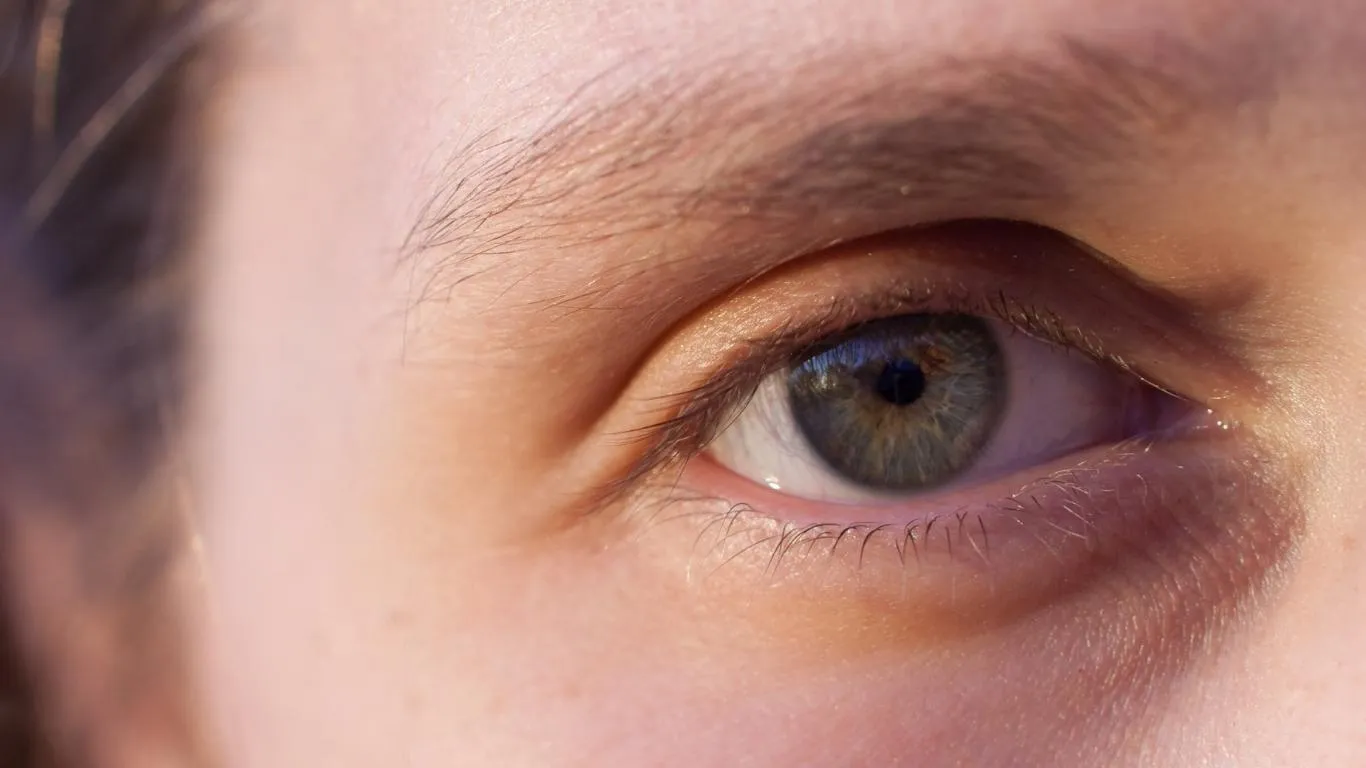
I didn’t take my floaters seriously for months. I mean, they were annoying, but I could still function. It wasn’t until my vision felt hazy and eyes constantly strained that I circled back to my eye specialist. Turns out, chronic dry eye can accelerate vitreous changes. Not only do floaters become more noticeable — they can multiply. That’s what happened in my case, and it’s not as rare as you’d think.
In some cases, untreated dry eye contributes to oxidative stress in the posterior segment of the eye. This environment weakens the collagen matrix of the vitreous, leading to collagen clumping — the core structural reason why floaters exist in the first place.
The Hidden Cycle You Need to Break
There’s a feedback loop here that no one tells you about:
- Poor tear production causes surface irritation
- This leads to compensatory inflammation
- Inflammation travels posteriorly, impacting the vitreous gel
- That damage results in more floaters
- Floaters make you squint, rub, strain, and blink less — worsening dry eye
Breaking this cycle means addressing both issues — not just floaters. A full-spectrum approach can dramatically reduce their impact.
Managing Both: A Dual Strategy That Actually Works
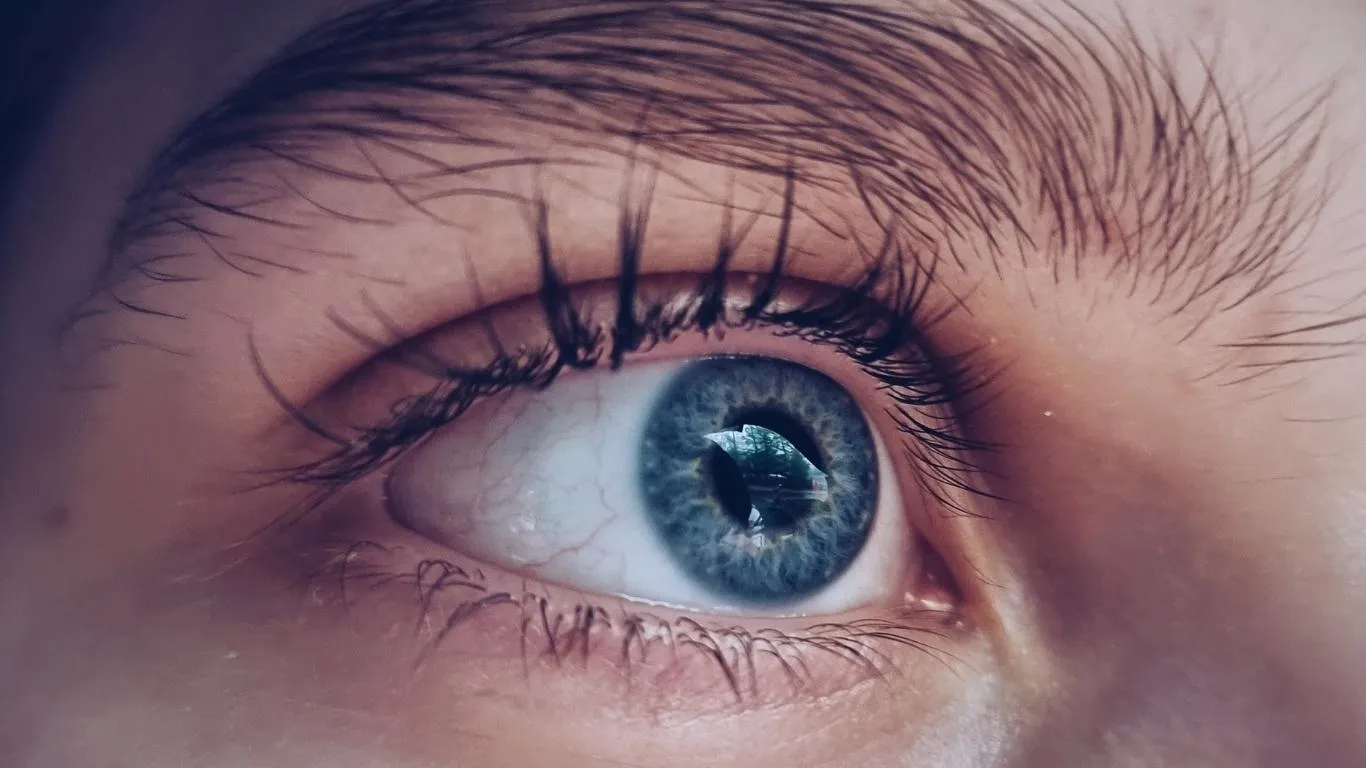
I wish I had learned earlier that treating one without the other is like mopping a floor with a leak in the ceiling. So I made a list — part personal habit overhaul, part medically recommended — that finally helped me manage both floaters and dryness effectively:
Daily Tweaks That Reduce Symptoms
- Use preservative-free artificial tears (3-4x/day worked best for me)
- Hydrate beyond “just enough” — my 2.5 liters/day rule is non-negotiable now
- Use a humidifier in your work space (game changer during winter)
- Limit caffeine and alcohol intake — both dehydrate eyes and increase floaters
- 20-20-20 screen rule: every 20 mins, look 20 feet away for 20 seconds
I also explored specific vision-safe supplements. You can read more in our deep dive on supplements that actually help reduce floaters. Omega-3s and hyaluronic acid ended up being my favorites for overall comfort and clarity.
Professional Treatments to Ask Your Eye Doc About
- Punctal plugs – to retain natural tears longer
- Lipid-based eye sprays – useful if meibomian glands are blocked
- Anti-inflammatory eye drops – for underlying inflammation (I used cyclosporine briefly)
- Low-level laser therapy – some early-stage studies show promise for floaters
Also, if your floaters seem to have worsened after a change in medication or treatment, this article on medication-induced floaters breaks down which drugs might be the hidden culprit.
Who’s Most at Risk of This Overlap?
If you fall into any of these categories, you should be extra aware of the floaters-dry eye link:
- Postmenopausal women – hormone shifts impact both tear production and vitreous hydration
- People with autoimmune diseases like lupus, rheumatoid arthritis, or Sjögren’s
- Chronic screen users – who blink less, triggering dry eye and floater flare-ups
- Laser eye surgery patients – check out this detailed look at LASIK and floaters
Knowing you’re in a risk group gives you an advantage: you can act preventively. And it doesn’t have to mean expensive procedures — simple lifestyle changes go a long way.
What Eye Doctors Rarely Mention — But Should
During my first few eye visits, the connection between dry eyes and floaters never came up. It took some serious self-advocacy and second opinions before someone finally said, “Yes, these two things can absolutely feed off each other.” That’s why I recommend anyone dealing with both symptoms ask more questions.
One great resource to bring into the discussion is our comprehensive post on natural ways to manage floaters. It goes into science-backed strategies that don’t rely on invasive procedures — something many docs don’t have time to explain during a 15-minute appointment.
And if you haven’t already, dig deeper into the pillar guide on eye floater treatments. It outlines which treatments are appropriate depending on the cause — including cases where dry eye plays a role in onset or severity.
Floaters aren’t always a red flag — but when combined with dryness, they deserve more attention. Understanding the overlap helped me take back control over my vision, and I hope it helps you too.

Camellia Wulansari is a dedicated Medical Assistant at a local clinic and a passionate health writer at Healthusias.com. With years of hands-on experience in patient care and a deep interest in preventive medicine, she bridges the gap between clinical knowledge and accessible health information. Camellia specializes in writing about digestive health, chronic conditions like GERD and hypertension, respiratory issues, and autoimmune diseases, aiming to empower readers with practical, easy-to-understand insights. When she’s not assisting patients or writing, you’ll find her enjoying quiet mornings with coffee and a medical journal in hand—or jamming to her favorite metal band, Lamb of God.