Why Migraine Symptoms Without Headache Pain Can Be So Alarming
When people hear the word “migraine,” they usually picture a throbbing headache, probably with someone curled up in the dark, clutching their temples. I used to think the same—until I started having strange neurological episodes that left me confused, nauseous, and even dizzy, but without a trace of head pain. Turns out, migraines can be sneaky like that. If you’ve ever experienced odd sensations, visual disturbances, or tingling in your body with no headache involved, you’re not alone. Let’s dive into what migraine symptoms without headache pain actually look like—and why they’re more common than you’d think.
Understanding Migraines Without Head Pain

This lesser-known version of migraine is often called a “silent migraine” or an “acephalgic migraine.” Basically, all the neurological chaos of a classic migraine happens—minus the headache. For many, these symptoms can be just as disruptive as the pain itself.
So… What Does It Feel Like?
When I had my first migraine without head pain, I honestly thought I was having a stroke. My face tingled, my arm went slightly numb, and I struggled to find the right words. Pretty scary stuff. Over time, I learned these are classic warning signs of certain types of migraines, even without the trademark throbbing.
- Visual disturbances: flickering lights, zigzag lines, or partial vision loss
- Sensory symptoms: tingling in the face, lips, or hands
- Speech difficulties: slurred words or temporary trouble forming sentences
- Dizziness and balance problems
- Nausea or light sensitivity that comes and goes
Why Do Migraines Show Up Without Pain?

It all comes down to how migraine affects the brain. According to neurologists, migraines are essentially neurological storms. They’re caused by abnormal brain activity that affects nerve signals, chemicals, and blood vessels.
The key player here is something called “cortical spreading depression.” It’s a wave of electrical activity that moves across the brain, and it’s known to cause aura symptoms. If that wave doesn’t activate the pain pathways (the trigeminal nerve, to be specific), you get all the weird sensations—without the pain.
There’s still a lot we don’t know, but experts at Mayo Clinic and NINDS confirm that silent migraines are very real and often underdiagnosed.
Common Types of Painless Migraines
Just because there’s no pain doesn’t mean every case is the same. Here are a few subtypes:
- Migraine with aura but no headache: Visual or sensory aura appears, but no pain follows.
- Silent migraine: A broader category where you get classic migraine symptoms without head pain.
- Vestibular migraine: Dizziness, vertigo, and balance issues dominate instead of pain.
- Abdominal migraine: Mostly seen in kids, with stomach pain instead of a headache.
Why It’s So Easy to Misdiagnose
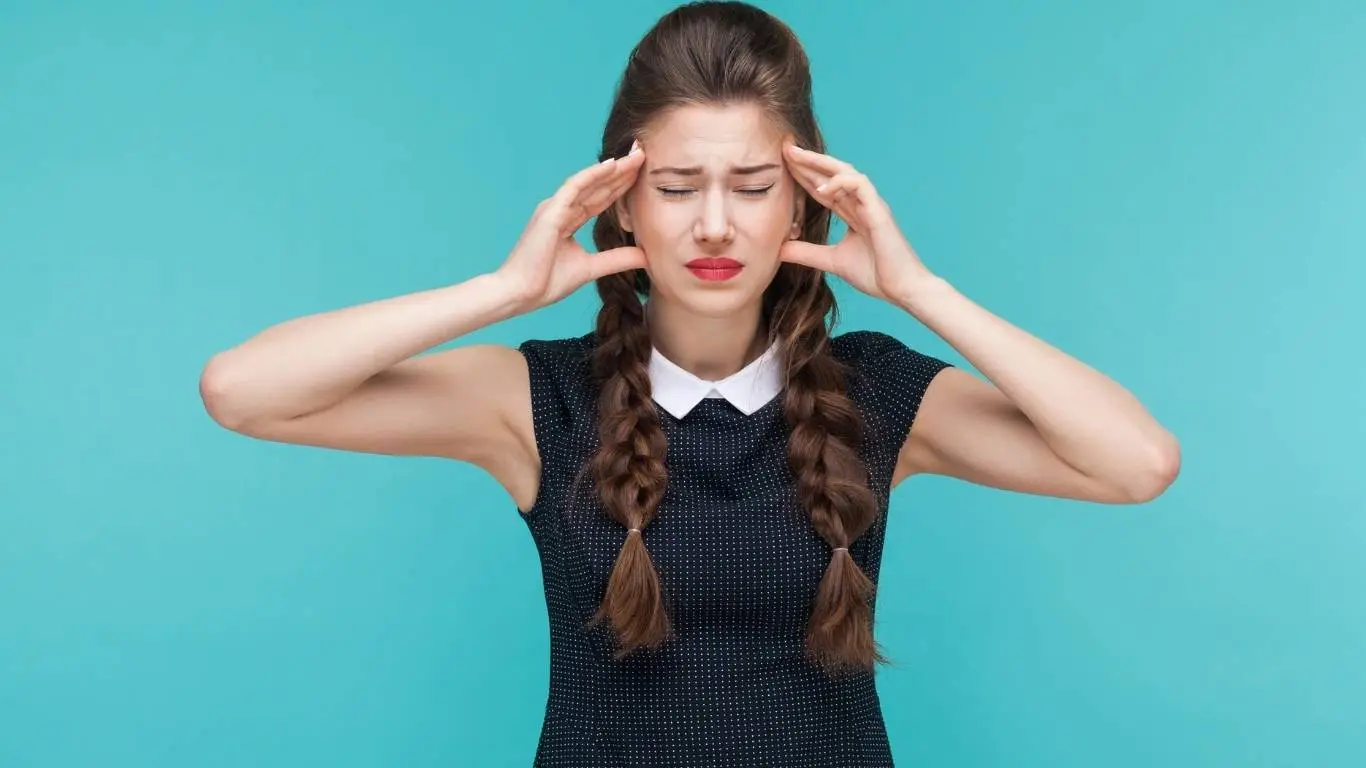
Here’s the deal: if you show up at a clinic complaining of dizziness, visual glitches, or numbness—without pain—it’s easy to get misdiagnosed. I was told I might have an inner ear disorder, then anxiety, and even multiple sclerosis before a neurologist figured it out. That’s why it’s essential to track your symptoms and be specific when talking to a doctor.
Silent migraines can look a lot like:
- Transient ischemic attacks (TIAs) or mini-strokes
- Seizure activity
- Anxiety or panic attacks
- Multiple sclerosis (MS)
Keeping a detailed migraine diary has helped me recognize patterns and avoid unnecessary tests.
Should You Be Worried?

Here’s the comforting part: while migraines without head pain can feel frightening, they’re not usually dangerous. That said, it’s always worth ruling out more serious causes with your healthcare provider. Symptoms like numbness and speech difficulty are nothing to ignore. Better safe than sorry, right?
One thing that helped me was learning about the different types of migraine auras. It gave me the language to describe my symptoms better, which sped up the diagnosis process.
For a deeper understanding of how migraine presents differently across individuals and why symptoms vary so widely, check out our migraine symptoms guide. And if you’re still new to the world of migraine in general, this main resource breaks it all down from the top.
Triggers Behind Migraines Without Headache Pain

I’ll be honest—figuring out my triggers was a total game of whack-a-mole. One week, it was lack of sleep. Another, it was chocolate (heartbreaking, I know). Even though there’s no head pain, the brain’s hypersensitivity doesn’t just go away. These episodes still get triggered—and managing them starts with identifying what sets yours off.
Some common culprits include:
- Bright or flickering lights (like those awful fluorescent bulbs in office buildings)
- Hormonal fluctuations – especially around menstruation or menopause
- Stress and anxiety – even the “good” kind like excitement before a trip
- Certain foods – aged cheese, red wine, MSG, or anything high in tyramine
- Sleep disruption – either not enough or oversleeping
For those dealing with unique triggers like hormones or fasting, I found this hormonal migraine breakdown and migraine-fasting guide super helpful.
Living with Migraine Symptoms Minus the Pain

Managing these silent episodes isn’t just about popping a pill. Trust me, I’ve tried that route. What’s helped me most is creating a supportive routine—like building a lifestyle that protects my brain rather than pushing it past its limits. It’s about treating the whole system, not just the symptoms.
Daily Habits That Made a Difference
- Wearing blue light glasses when working on screens (yes, they actually help)
- Keeping a consistent sleep schedule, even on weekends (no more late-night binges)
- Hydration – migraine brains hate dehydration, so I keep a bottle with me 24/7
- Tracking symptoms using a reliable migraine tracking app
- Getting regular movement – yoga was a game changer, especially for stress relief
My doctor also suggested looking into CBT for migraine, which sounded odd at first but turned out to be super useful for managing stress-related episodes.
Treatment Options That Don’t Focus on Pain Relief

Because the pain isn’t the primary issue, traditional migraine meds like NSAIDs don’t always cut it. Instead, neurologists tend to focus on prevention and calming the nervous system.
What Doctors May Recommend
- Prescription preventives like beta-blockers or CGRP inhibitors
- Anti-nausea meds if vertigo or queasiness hits hard
- Biofeedback therapy to regulate stress and body response
- Aromatherapy using essential oils like peppermint or lavender
- Supplements like magnesium, vitamin B2/B6, and CoQ10
Many folks also swear by yoga-based migraine routines or trying acupuncture—both have solid anecdotal support and are worth exploring if meds aren’t your thing.
Who’s More Likely to Get These Painless Symptoms?
Interestingly, these no-pain migraines aren’t random. There are patterns. I’ve met dozens of women in migraine support groups who’ve experienced them, especially around hormonal shifts. Kids, too, sometimes get them and it often goes unnoticed until much later.
Populations more at risk include:
- Women during hormonal transitions (puberty, pregnancy, perimenopause)
- People with a family history of migraine
- Those with sensory processing sensitivity
- Individuals dealing with comorbid conditions like anxiety or fibromyalgia
For a deeper dive into how migraine impacts specific populations, especially women and older adults, this population-focused overview is worth bookmarking.
Final Notes If You’re Dealing with This

If you’re dealing with migraine symptoms without headache pain, know this—you’re not making it up, and you’re not alone. These neurological episodes are real, sometimes scary, but very manageable once you understand them. Lean on evidence, track your patterns, build a brain-friendly lifestyle, and don’t hesitate to bring new symptoms to a provider who understands migraine from the inside out.
For a complete overview on how to prevent these episodes before they even begin, check out our detailed guide on migraine prevention strategies. If you’re just starting your journey and need a broader understanding, our main migraine and headache hub has everything you need to get grounded.

Bianca Nala is a compassionate Nurse Practitioner with a strong background in primary and respiratory care. As a health writer for Healthusias.com, she combines her clinical expertise with a talent for clear, relatable storytelling to help readers better understand their health. Bianca focuses on topics like asthma, COPD, chronic cough, and overall lung health, aiming to simplify complex medical topics without losing accuracy. Whether she’s treating patients or writing articles, Bianca is driven by a single goal: making quality healthcare knowledge accessible to everyone.