How To Prevent BV After Period Naturally And Keep It From Coming Back
Let me just be real for a sec — dealing with BV right after your period? It’s the worst. Like clockwork, you wrap up your cycle and BAM, that not-so-fresh feeling creeps in again. I used to think it was just my body being weird, but turns out, there’s a lot more going on down there than I realized. The good news? You’re not alone, and there *are* ways to prevent bacterial vaginosis (BV) from showing up uninvited every time your period ends. Let’s break it down in a way that’s honest, practical, and yep — backed by both experience *and* expert insight.
Why Does BV Show Up After Your Period?

Your menstrual cycle might be playing a bigger role than you think. The vaginal pH is normally slightly acidic, which helps keep the good bacteria (like lactobacillus) thriving. But when blood enters the mix? It can raise the pH, giving bad bacteria a perfect environment to overgrow. That’s when BV starts causing chaos.
Changes in pH Levels
Menstrual blood is more alkaline compared to your vagina’s natural state. When your period ends, the pH can remain disrupted for a bit — and this is prime time for *Gardnerella* and other BV-causing bacteria to multiply.
Product Residue & Hygiene Gaps
If you use pads, tampons, or menstrual cups, any leftover residue or improper hygiene can contribute to bacterial imbalance. Even things like scented sanitary products can mess with your microbiome.
Hormonal Fluctuations
Estrogen dips right after menstruation, which can reduce protective vaginal mucus. This makes your vaginal environment more vulnerable to irritation and infections like BV.
Practical Ways to Prevent BV After Your Period

There’s no magical fix, but stacking up the right daily habits can seriously reduce your chances of post-period BV.
1. Keep It Clean — But Not *Too* Clean
- Rinse with warm water, not soap. Definitely avoid anything scented.
- Use a gentle pH-balanced wash *only* on the outer area (vulva), not inside.
- Dry thoroughly after showers or using the restroom. Moisture can foster bacteria.
More isn’t better when it comes to hygiene. Overwashing or using aggressive products can strip your protective flora. Douching, for example, is a big no-no.
2. Be Selective with Period Products
Opt for fragrance-free pads or tampons. If you use a menstrual cup, sterilize it thoroughly before and after each cycle.
Try switching materials too — cotton pads and organic tampons are less likely to cause irritation. You’d be surprised how the materials you use down there can affect your microbiome.
3. Probiotics Are Your BFF
I started taking probiotics daily and noticed a huge difference. Not just any probiotics — the kind specifically for vaginal health. You can also add yogurt with live cultures to your diet. There’s even research showing probiotic benefits for BV prevention.
4. After-Period Routine
- As soon as your period ends, do a light cleanse (just warm water and soft towel).
- Switch back to breathable underwear — seriously, ditch synthetic for cotton.
- Keep a small pack of unscented wipes handy in your bag. Just in case.
What About Sex and Stress?

Safe Sex Practices Matter
Using condoms can help prevent BV, especially after your period when your pH is more sensitive. Semen is alkaline too, which can further tip the balance. And yes, you *can* get BV from sex even if it’s not technically an STD. Curious how? Here’s a solid read on the connection: BV and sexual activity.
Mind Your Stress Levels
Ever noticed BV flares when you’re super stressed? Same. Chronic stress weakens your immune system, which makes it easier for imbalances to take hold. Self-care isn’t just a buzzword — it’s legit helpful here. Here’s how stress connects to BV and what to do about it.
Your Diet Counts — Way More Than You Think

I used to live on coffee, processed snacks, and late-night pizza. Not saying I’ve completely turned it around, but I started cutting back on sugar and adding more greens, fiber, and fermented stuff like kimchi and kefir. Game changer.
Want to see which foods are your allies (and which to avoid)? Check out this complete guide on BV-friendly foods.
What to Eat More Of
- Leafy greens and high-fiber veggies
- Fermented foods like yogurt, kimchi, sauerkraut
- Whole grains, nuts, and omega-3 rich foods
What to Cut Back
Too much sugar feeds harmful bacteria. Same goes for refined carbs and alcohol. Curious about sugar’s role? Here’s the science behind it.
More Resources That Help

If you’re ready to dive deeper into prevention strategies and how to protect your vaginal health long-term, this BV prevention guide lays it all out. It covers the do’s and don’ts in a super practical way.
For an even more complete look at all things BV — symptoms, causes, diagnosis, treatments, and more — this is your go-to: healthusias.com/bacterial-vaginosis/
Arming yourself with knowledge *and* small habit changes really does help prevent BV from coming back after your period. Trust me, I’ve been there — and doing even half of the stuff above made a world of difference.
Alright, if you’re here, chances are BV has been crashing your post-period party more than once — and you’re ready to shut that cycle down for good. I’ve been through it too. And while we already talked about the “why” and the “what to do” basics, there’s still more to cover when it comes to keeping bacterial vaginosis at bay. Let’s go a bit deeper into those lesser-known strategies that made a real difference for me (and could for you too).
What You Wear Matters More Than You Think

Give Your Vagina Room to Breathe
Post-period, I used to throw on my favorite leggings and go. But tight, non-breathable fabrics? They trap moisture and warmth — a perfect setup for bacteria to flourish. Switching to loose-fitting clothes and cotton underwear, especially right after your cycle, helped more than I expected.
- Avoid synthetic underwear fabrics
- Go commando at night — yes, really
- Wash undies in fragrance-free, hypoallergenic detergent
And if you’re into thongs (I get it), just try to alternate with full-coverage cotton a few days a week. Trust me, your flora will thank you.
Change Often After Sweating
After a workout or a sweaty day, changing out of damp clothes ASAP is key. I keep a spare pair of underwear in my gym bag now — not glamorous, but super practical.
Timing Is Everything: Post-Period Cleanse Ritual

Right after my period, I do a soft reset. Nothing intense — just intentional.
- Switch back to breathable clothes
- Use warm water only — no soaps or wipes unless they’re pH-balanced and unscented
- Apply a thin layer of coconut oil externally if I feel any irritation (it’s naturally antimicrobial — here’s more on that: coconut oil for BV)
This little ritual honestly helped me stay more in tune with my body. And it cut down those “uh-oh” moments before they turned into full-blown BV episodes.
Watch the Antibiotics (Even When They’re Necessary)
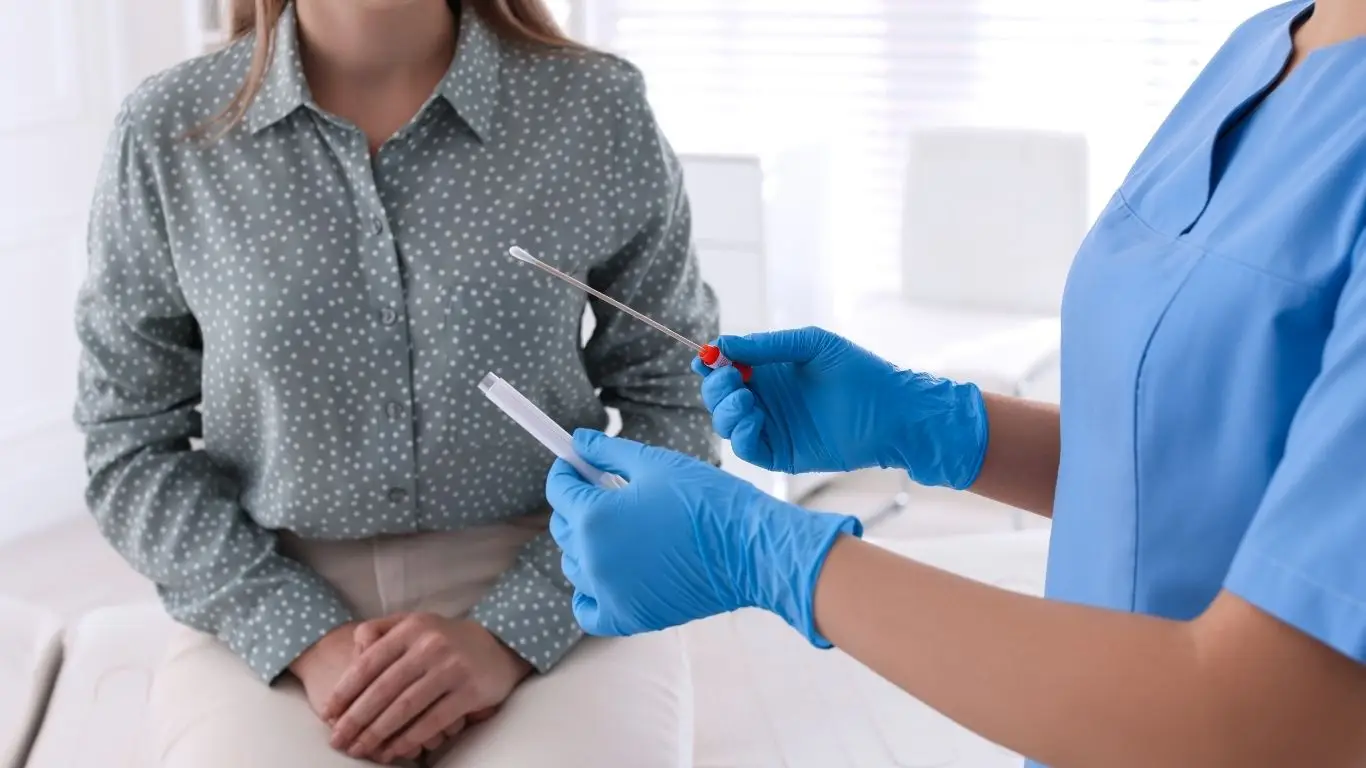
Here’s something I wish I knew sooner: even if you’re not taking antibiotics *for* BV, any kind of antibiotic can mess with your vaginal bacteria. After a course for strep throat last year, I had two back-to-back BV flare-ups. Not fun.
If you *do* have to take antibiotics, add in some extra probiotic support. You can also ask your doctor about vaginal probiotic suppositories — they’ve been a game-changer for many. Want the scoop on antibiotic connection? Here’s a great read: antibiotics and BV risk.
Partner Awareness and Prevention

Have “The Talk” With Your Partner
Okay, so it’s a little awkward, but if your BV keeps coming back after your period and sex is a part of your life, it’s time to chat. Your partner could unknowingly be reintroducing bacteria. While BV isn’t officially an STD, it’s definitely *sexually influenced*.
Some doctors recommend treating both partners in recurrent cases — especially if BV pops up after sex every time your period ends. Here’s more info on that perspective: Do I need to treat my partner for BV?
After-Sex Hygiene
- Always pee after sex — it’s not just for UTIs!
- Rinse gently with water only, no soap
- Skip the scented wipes, even if they smell amazing (sorry)
Using condoms regularly, especially around your period, can make a real difference in BV prevention. Semen can mess with vaginal pH, and that’s the last thing you need post-period.
When to See a Professional

If you’re doing all the right things and BV still sneaks in after every cycle, don’t just chalk it up to bad luck. See a gynecologist and dig into your options. Persistent or recurring BV could mean there’s an underlying issue that needs more targeted care.
You might benefit from an extended antibiotic plan or a personalized probiotic regimen. There’s even research into vaginal microbiome transplants — wild, right? Here’s a great starting point if you’re considering treatment options: BV treatment options.
Don’t Forget: It’s About the Big Picture

At the end of the day, preventing BV after your period isn’t about a single product or perfect trick. It’s a mix of things — your hygiene habits, diet, stress levels, sex life, and overall wellness. I started tracking when flare-ups happened, what I was eating, how I was feeling, and even what underwear I wore. Patterns emerged, and that helped me tweak what wasn’t working.
And if you haven’t already, dig into the deeper causes and patterns of recurrence here: recurring BV causes and prevention.
Want the full lowdown on how BV fits into broader vaginal health — including pregnancy, diet, and how to spot the signs early? Head here for the full guide: healthusias.com/bacterial-vaginosis/

Dr. Gwenna Aazee is a board-certified Internal Medicine Physician with a special focus on hypertension management, chronic disease prevention, and patient education. With years of experience in both clinical practice and medical writing, she’s passionate about turning evidence-based medicine into accessible, actionable advice. Through her work at Healthusias.com, Dr. Aazee empowers readers to take charge of their health with confidence and clarity. Off the clock, she enjoys deep dives into nutrition research, long walks with her rescue pup, and simplifying medical jargon one article at a time.