Why Floaters Get Worse When Using Smartphone in Bed
Ever noticed those weird little floaters drifting across your vision when you’re scrolling your phone in bed at night? Yeah, me too. It’s like every time I lie down, open Instagram or try to reply to a message, I get this faint, almost ghost-like string or speck just… floating. I thought maybe it was just tired eyes or screen glare. But turns out, there’s a lot more going on behind the scenes—or behind the retina, to be exact.
Why Floaters Show Up When You’re Using a Phone in Bed
Let’s Talk About Positioning and Light
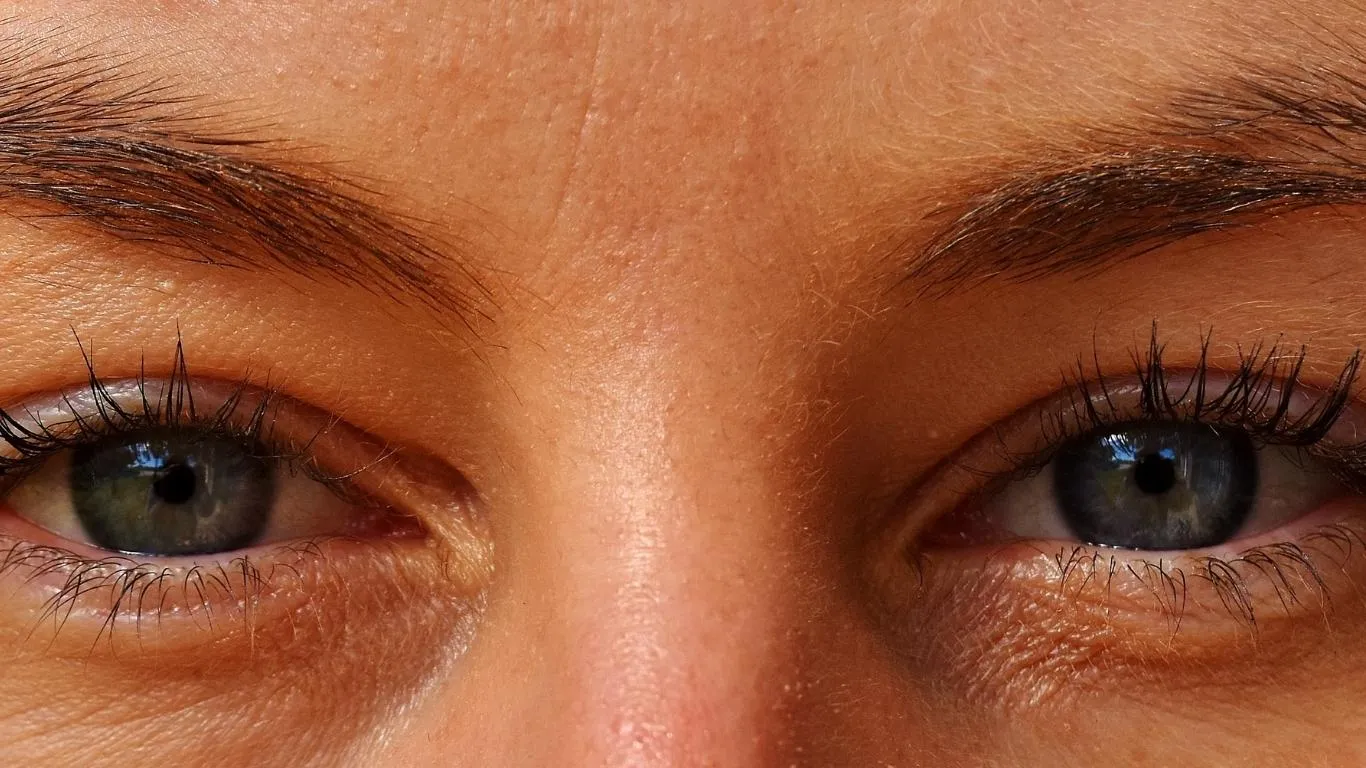
When you’re lying flat or propped awkwardly on your pillow, the angle at which your phone’s light hits your eyes changes. That contrast between a bright screen and a dim bedroom can exaggerate any tiny debris in your vitreous. Your eye’s internal jelly-like fluid becomes a stage—and those floaters? They steal the spotlight.
I used to think it was all in my head, but lying on my side while texting made the floaters show up faster than when I was sitting up. It’s not magic; it’s light physics and fluid dynamics doing their thing inside your eyeball.
The Vitreous Doesn’t Like Bedtime Scrolling
Your vitreous (the gel that fills your eye) changes with age and lifestyle. And when you’re looking at a screen in bed, especially with the lights off, your pupils dilate, pulling in more light. This makes floaters far more visible, especially if your vitreous is starting to thin or pull away from the retina.
If this sounds too familiar, you’re not alone. More people are reporting increased floaters in dark environments after phone use. It’s not a coincidence—it’s how light and contrast make them pop into view.
Could It Be a Sign of Something Else?
Floaters Might Be Harmless… But Not Always
Most floaters are harmless—just clumps of collagen drifting in your vitreous. But they can also signal retinal issues, especially if they’re new, numerous, or accompanied by flashes of light. I had a brief panic moment last year when mine spiked overnight, only to be reassured by my optometrist it was nothing urgent.
Still, floaters after eye stress or trauma should never be ignored. And sudden clusters while lying in bed with your phone? Worth watching.
Eye Fatigue and Dryness Add to the Mix
Blue light exposure from screens already causes eye strain. Combine that with a dark room and fixed close-range focus, and you’ve got a recipe for eye fatigue. Dryness makes the surface uneven, which means your vision struggles more—and floaters feel more distracting.
Tip: Try using artificial tears and turn on “night mode” or reduce brightness. I noticed fewer floaters (and less squinting) just by adjusting these two things.
What’s Different About Night vs. Day Floaters?
It’s All About Contrast
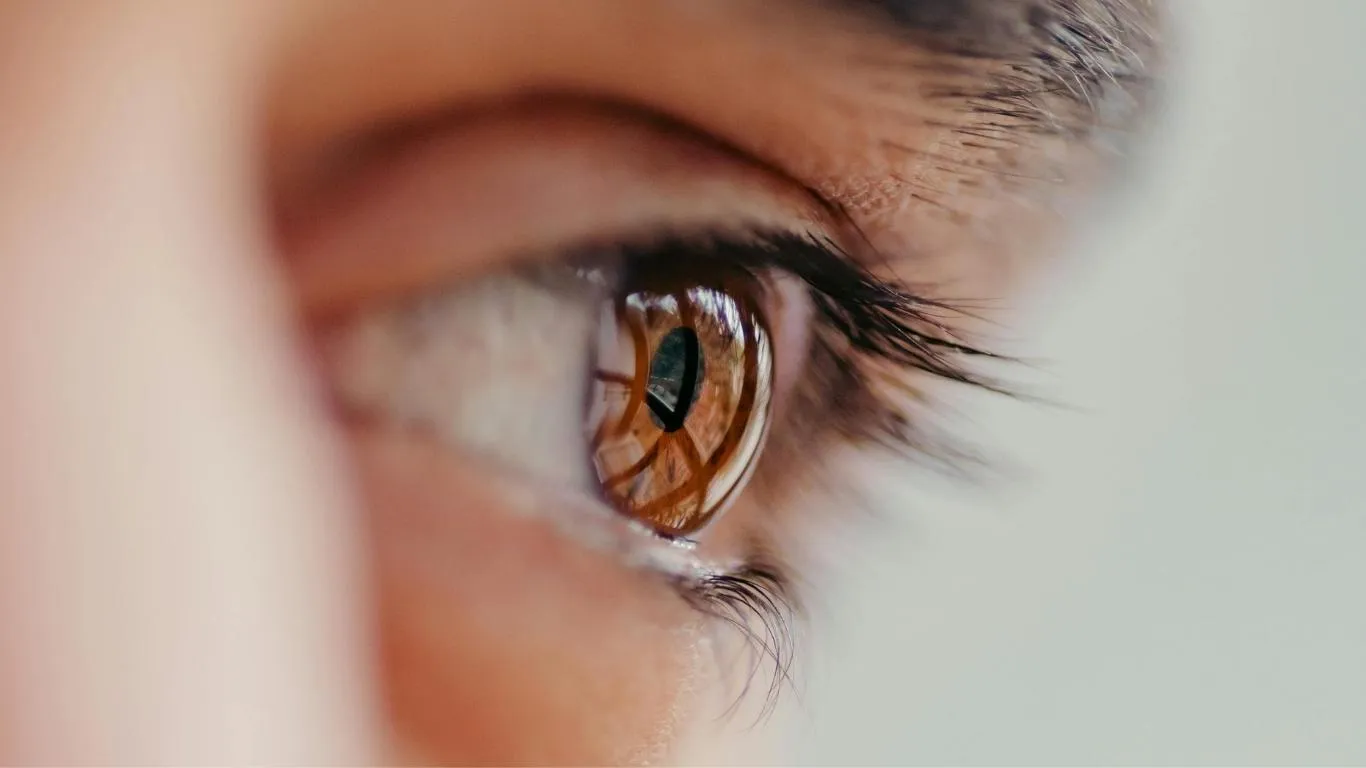
During the day, floaters get drowned out in visual noise. But in bed, you’ve got a bright screen in a dark room, creating high contrast. That makes even the faintest floater stand out like a bold highlight marker.
One time, I thought there was a bug on my screen—turns out, it was just a floater gliding around in the edge of my peripheral vision. Realizing it wasn’t external was kind of unsettling, to be honest.
Is Smartphone Use Making Floaters Worse?
There’s no conclusive evidence yet that phone use causes floaters, but it absolutely makes them more noticeable. Extended screen time contributes to eye fatigue, and many users report increased floater visibility with long phone usage, especially before sleep.
There’s also the case of posture. Looking at a phone while lying on your back or side may change fluid dynamics in the eye temporarily. The floaters shift. They float, after all.
When Should You See a Doctor?
Warning Signs You Shouldn’t Sleep On
- Sudden increase in the number of floaters
- Floaters accompanied by light flashes
- Dark shadow or curtain in your vision
- Vision distortion that doesn’t fade
Any of these could be signs of a retinal tear or detachment. And while it’s probably nothing serious if you’re just seeing one or two here and there, it’s always best to err on the side of caution. Trust me, I almost didn’t go—and I would’ve regretted it if things had taken a worse turn.
How Lifestyle Might Be Contributing Without You Realizing
Lack of Sleep = More Eye Stress
Your eyes recover while you sleep. If you’re regularly cutting rest short or scrolling until 2 a.m. (been there), your eyes don’t get the downtime they need. That leads to longer recovery from strain, more visible floaters, and general discomfort.
Also, sleep deprivation is linked with increased perception of floaters. Not because they suddenly appear, but because your tired brain and eyes are more sensitive to visual anomalies.
Dehydration and Nutrition Play a Role
Weirdly enough, dehydration can make floaters feel more annoying. When I went through a “forget-to-drink-water” phase, my floaters were at an all-time high. Turns out, your vitreous humor relies on hydration too. Without it, things get murky—literally.
Eye floaters and diet are more connected than people realize. Deficiencies in antioxidants, omega-3s, and certain vitamins like A and C may impact eye health. Poor nutrition doesn’t directly cause floaters, but it can weaken the structures involved in keeping your vitreous intact.
For a deeper dive into how floaters compare to other conditions, the breakdown in this pillar article is super helpful. And if you’re still learning the basics of what causes floaters in the first place, don’t miss the foundational guide on eye floaters here.
Real Fixes That Help Reduce Nighttime Smartphone Floaters
Blue Light Filters Aren’t Just for Sleep
You’ve probably seen “Night Mode” or “Blue Light Filter” in your phone settings. That’s not just marketing fluff. These filters reduce the high-energy visible light that can strain your eyes and make floaters appear sharper in contrast-heavy environments like a dark room.
I started using one a few months ago—just a 50% filter setting—and the difference at night was immediate. Less eye fatigue. Fewer floaters dancing around. Pair that with warmer screen tones and your eyes get a serious break.
Try the 20-20-20 Rule (Even in Bed)
Even when lounging in bed, the eyes need breaks. The 20-20-20 rule is simple: every 20 minutes, look at something 20 feet away for 20 seconds. Sure, you might not hit it every time during a TikTok binge, but try it just a few times and it helps refresh your focus.
Consistent breaks reduce eye strain—a known contributor to increased floater awareness, especially when lying down and scrolling.
Natural Ways That Might Improve Eye Health (and Reduce Floaters)
Start with Hydration—Seriously
Don’t underestimate water. I went from 1–2 glasses a day (oops) to at least 6, and it made a difference in how often floaters bothered me. Staying hydrated helps maintain the density and function of your vitreous fluid, where floaters live.
Focus on Antioxidants and Eye-Friendly Nutrients
Lutein, zeaxanthin, vitamin C, and omega-3s have all been linked to better eye health. While there’s no magic pill to dissolve floaters, keeping the eye’s internal structures strong can prevent them from worsening.
- Leafy greens like spinach and kale
- Cold-water fish (salmon, mackerel)
- Carrots, sweet potatoes, citrus fruits
If you’re curious, this supplement guide breaks down what actually helps and what’s just hype.
Eye Exercises & Gentle Movement
Surprisingly, some users report benefits from slow, controlled eye movements. While research is limited, exercises that stimulate circulation may help floaters settle or move out of your central vision.
Here’s a helpful list of exercises that are worth trying if your floaters get especially annoying at night.
Smartphone Use Habits That Make a Difference
Change How You Hold Your Phone
It sounds basic, but the position of your phone affects how light enters your eye. Holding your phone slightly higher, using a stand, or propping a pillow under your arm can help reduce the shadowy effect floaters create.
Also, avoid resting the screen right against your face. Even small shifts in angle can cause a big change in how floaters behave in your field of view.
Avoid Total Darkness
Using your phone in a completely dark room will maximize screen contrast and pupil dilation. Try a soft bedside lamp or dim night light. It’s a small change with a big impact—less contrast means less floater visibility.
Think of it as background noise for your eyes. A little ambient light helps dilute the sharpness of floater shadows.
When Floaters Might Be a Red Flag (Even at Night)
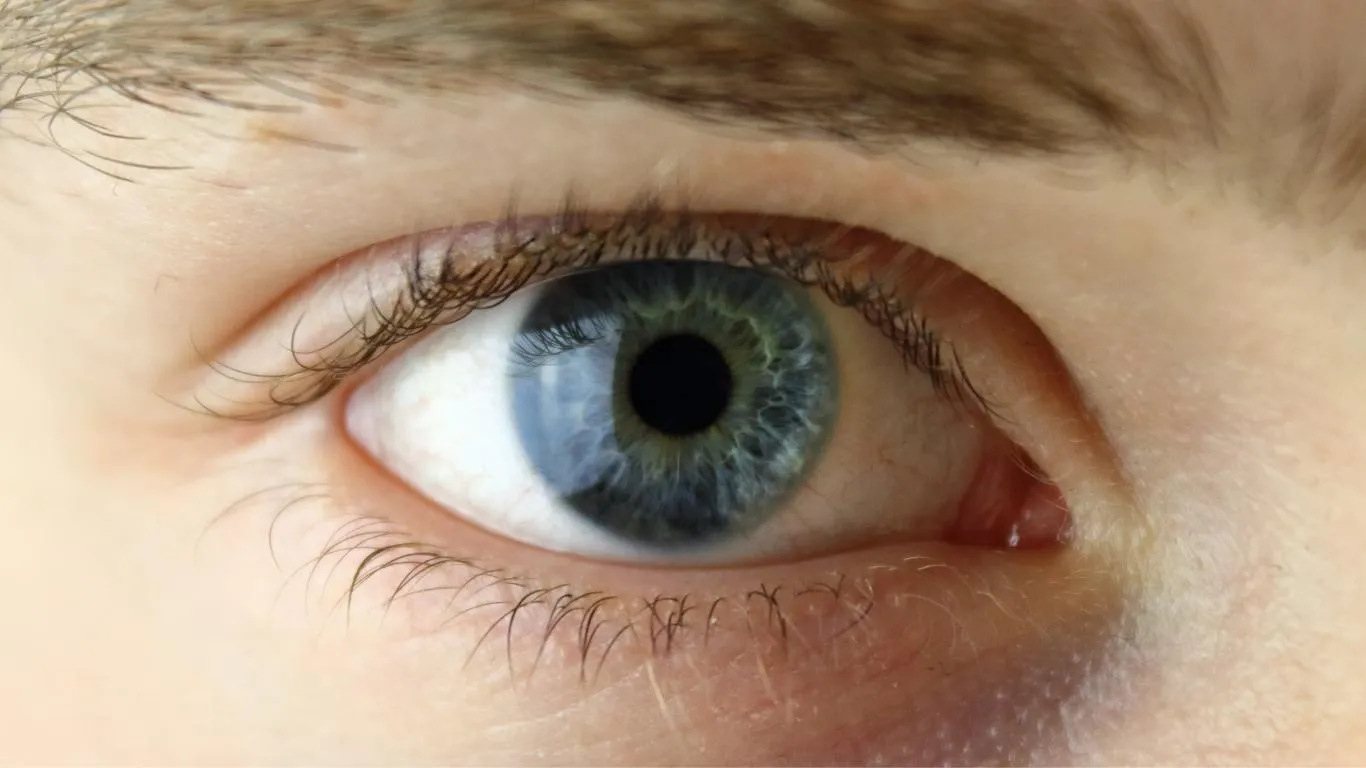
Symptoms You Should Take Seriously
- Floaters that suddenly multiply
- Bright flashes of light in your vision
- A shadow or “curtain” closing over your field of view
- New floaters after head or eye trauma
These can be signs of posterior vitreous detachment, retinal tears, or worse. Learn more in this breakdown on when floaters are actually dangerous.
And if you’re waking up with floaters that weren’t there the night before, that’s not something to scroll past. Sudden bursts of floaters should always be evaluated.
Daily Routine Changes That Helped Me (Without Giving Up My Phone)
I Started Logging My Floaters
This might sound extreme, but I started jotting down when floaters appeared most clearly. Turns out, lack of sleep and late-night phone use were the biggest triggers. Tracking floater changes gave me a clearer picture of what helped—and what didn’t.
Less Doomscrolling, More Sleep
Cutting screen time by even 15–30 minutes before bed made a noticeable difference. No, I’m not perfect about it—but giving my eyes some quiet time before sleep helped reduce visual fatigue and floater sensitivity.
Hydration on the Nightstand
Now I keep water by my bed. Not only does it help the body overnight, but it keeps me from waking up with those dry, sticky floaters that seem to cling to your field of vision in the morning light.
And yes, I’ve learned that dehydration really does make floaters worse. Your vitreous fluid needs water just like everything else in your body.
Floaters in Bed Aren’t Uncommon, But They’re Worth Understanding
If you’re like me—checking your phone in bed before sleep—you’re not alone. And neither are your floaters. They’re a signal from your eyes that something’s shifting, even if it’s not serious (yet). Learning to manage them has made my nights way more peaceful, and if you’re seeing those tiny shadows more than you’d like, don’t just brush them off.
For a deeper dive into floaters, causes, and treatment options, explore this pillar guide to treatment and the main resource on floaters here. They’re a solid place to get clarity—no pun intended.

Camellia Wulansari is a dedicated Medical Assistant at a local clinic and a passionate health writer at Healthusias.com. With years of hands-on experience in patient care and a deep interest in preventive medicine, she bridges the gap between clinical knowledge and accessible health information. Camellia specializes in writing about digestive health, chronic conditions like GERD and hypertension, respiratory issues, and autoimmune diseases, aiming to empower readers with practical, easy-to-understand insights. When she’s not assisting patients or writing, you’ll find her enjoying quiet mornings with coffee and a medical journal in hand—or jamming to her favorite metal band, Lamb of God.