Why Floaters That Appear During Yawning Might Be a Hidden Warning
I remember the first time I noticed it—right after a big yawn. That weird flash, almost like a translucent thread drifting across my vision. I blinked a few times, rubbed my eyes, and figured it was just dryness or tiredness. But then it happened again. And again. Every time I yawned deeply, these ghost-like specks would suddenly float across my field of vision. Turns out, I wasn’t alone.
What Causes Floaters to Appear During Yawning?
Floaters showing up specifically during yawns isn’t exactly mainstream eye talk, but there’s definitely a physiological explanation. When you yawn, there’s a temporary increase in pressure inside your head and eyes—a subtle Valsalva-like effect. This slight pressure change can shift the vitreous, the jelly-like substance inside your eye, momentarily making floaters more visible.
Here’s the kicker: You’re not exactly “creating” new floaters when you yawn. You’re just seeing ones that are already there—but under specific lighting, angle, and internal eye pressure conditions.
Why Are They More Noticeable at Certain Moments?
- Yawning often happens in brighter environments (like morning light or office spaces), which naturally enhances floater visibility.
- When you stretch or tilt your head during a yawn, it can shift the position of floaters in the vitreous gel, making them drift right into your visual path.
- Yawns often induce tearing, and a slightly watery eye surface can distort light enough to highlight existing floaters.
Are These Floaters Normal or a Warning Sign?
In most cases, floaters that pop up during yawning are totally benign. But if you’re seeing a sudden *burst* of floaters—or they’re accompanied by flashes, eye pain, or any kind of dark shadow—it’s time to talk to a professional. Those could be signs of a retinal tear or detachment.
I spoke to my ophthalmologist about it (yes, I brought screenshots of Google searches), and she confirmed what many eye experts agree on: “Floaters that become more noticeable with yawns are usually more about awareness than danger.” Still, the changes in how often you see them, or how they move, matter.
If you’ve ever wondered whether these symptoms could signal something deeper, check this out: Floaters after intense coughing might indicate pressure-related eye strain—very similar to the effect yawning creates.
When to Be Concerned
- Sudden increase in number or size of floaters.
- Floaters accompanied by light flashes or zig-zag lines.
- Vision changes right after waking or sneezing.
- Floaters look like black cobwebs or curtain shadows.
All of the above could signal something more serious like posterior vitreous detachment (PVD) or even a small retinal tear. For a deep dive on that, this resource explains it well: Posterior Vitreous Detachment.
What Science Says About Yawning and Eye Pressure
Though there aren’t dozens of peer-reviewed studies directly linking yawning to floaters, research has shown that intraocular pressure (IOP) can briefly rise during facial tensing, coughing, sneezing, and yes—yawning. A study published in PubMed found short-term pressure spikes in the eye during everyday actions that involve holding your breath or flexing muscles.
Some eye conditions like high myopia or vitreous syneresis may also make these floaters more prominent during such moments. If you have high myopia (like I do—hello, -6.00 club), you’re already more prone to floaters, and yawning can feel like an annoying spotlight moment on something you usually ignore.
And if you’re wondering whether there’s a genetic link or if these floaters are a warning sign from something deeper—like an autoimmune condition or retinal vulnerability—there’s insight here: Autoimmune diseases and floaters.
Common Triggers That Make Floaters More Visible
- Yawning
- Sudden light changes (like walking into sunlight)
- Eye rubbing or stretching
- Fatigue or eye strain after screen time
- Dehydration (you’d be surprised!)
If you haven’t checked it out yet, this main article really breaks down the science of eye floaters and what causes them: Eye Floaters: Causes, Symptoms, and Treatment Options.
Can Yawning Make Floaters Worse Over Time?
This is a super common question—and to be honest, I used to worry about it. The good news? Yawning doesn’t “cause” floaters. It just makes existing ones more visible. The bad news? If you start yawning more (say from chronic fatigue or sleep apnea), you’ll start noticing those floaters more often. That’s what happened to me during a stressful period when I wasn’t sleeping much. More yawns. More floaters. More Google searches at 2 AM.
So no, yawning doesn’t make floaters multiply—but poor sleep, stress, and underlying eye health issues might. If your yawns are accompanied by dry eyes, allergies, or sinus issues, the increased fluid and pressure changes might be adding to the visual disruption. More on that here: Floaters and sinus infections.
Want to understand the different types of floaters and how they may mimic or differ from other vision issues? This article can help clarify: Floaters vs. other eye problems.
Can You Reduce Floaters That Show Up During Yawning?
Here’s the thing—floaters are tricky. You can’t really erase them on command. But what you can do is reduce their impact and make them less noticeable. Over the last year, I’ve tried everything from hydration hacks to screen-time reduction and even herbal teas (jury’s still out on that one).
One of the most underrated tactics? Managing your yawns. Sounds weird, right? But if you find that you’re yawning more from fatigue, dry air, or even boredom, adjusting those factors can tone things down.
Try These Everyday Adjustments
- Hydrate more. Even mild dehydration can make floaters more prominent. This breakdown on dehydration and floaters really helped me change my water habits.
- Cut back screen time. If you’re yawning a lot while working, try the 20-20-20 rule. Your eyes will thank you.
- Sleep better. Lack of sleep = more yawning = more visual disruption. Here’s a smart look at the link between sleep issues and floaters.
- Use eye-safe lighting. Overhead LED lighting seems to make my floaters pop. I switched to warmer desk lights, and it helped more than I expected.
Natural Methods That Might Help—Or Not?
Let’s be real—there’s a ton of stuff online claiming to “eliminate floaters naturally.” Some of it’s garbage, but a few ideas are backed by real user experience (and I’ve tested most of them). This guide on natural floater management covers both myths and methods that might offer real relief.
Popular Natural Approaches
- Supplements: Some swear by lutein, zeaxanthin, and omega-3s. I take fish oil daily—not a miracle, but I feel like it helps.
- Eye exercises: Movement-based techniques (like slow circular gaze shifts) claim to improve vitreous circulation. I found these floater-specific eye exercises surprisingly calming during work breaks.
- Diet changes: Clean eating helped my skin and eyes. This diet guide breaks it down better than most.
Just remember: these aren’t instant fixes. If your floaters are severe, consider professional evaluation. For some, treatment may require laser therapy or even vitrectomy—but that’s typically reserved for extreme cases.
Is There a Deeper Connection With Health Issues?
Yawning-related floaters could just be annoying visual artifacts… or they might hint at something else. In rare cases, persistent floater changes tied to pressure shifts may relate to underlying conditions like sinus inflammation, blood pressure spikes, or neurological strain. Here’s a helpful breakdown of why some floaters stick around even after “normal” scans.
If you’ve been experiencing floaters that only appear during yawns—and you also deal with headaches, dizziness, or pressure changes—it’s worth ruling out neurological causes or sinus-linked issues. There’s even some growing interest in how jaw tension or poor posture during yawning might affect visual flow.
One article that opened my eyes (pun intended) was this one on floaters triggered by anxiety. If you’re often yawning from stress or nervous system fatigue, that might be playing a bigger role than you’d think.
Is There a Risk of Retinal Issues Long Term?
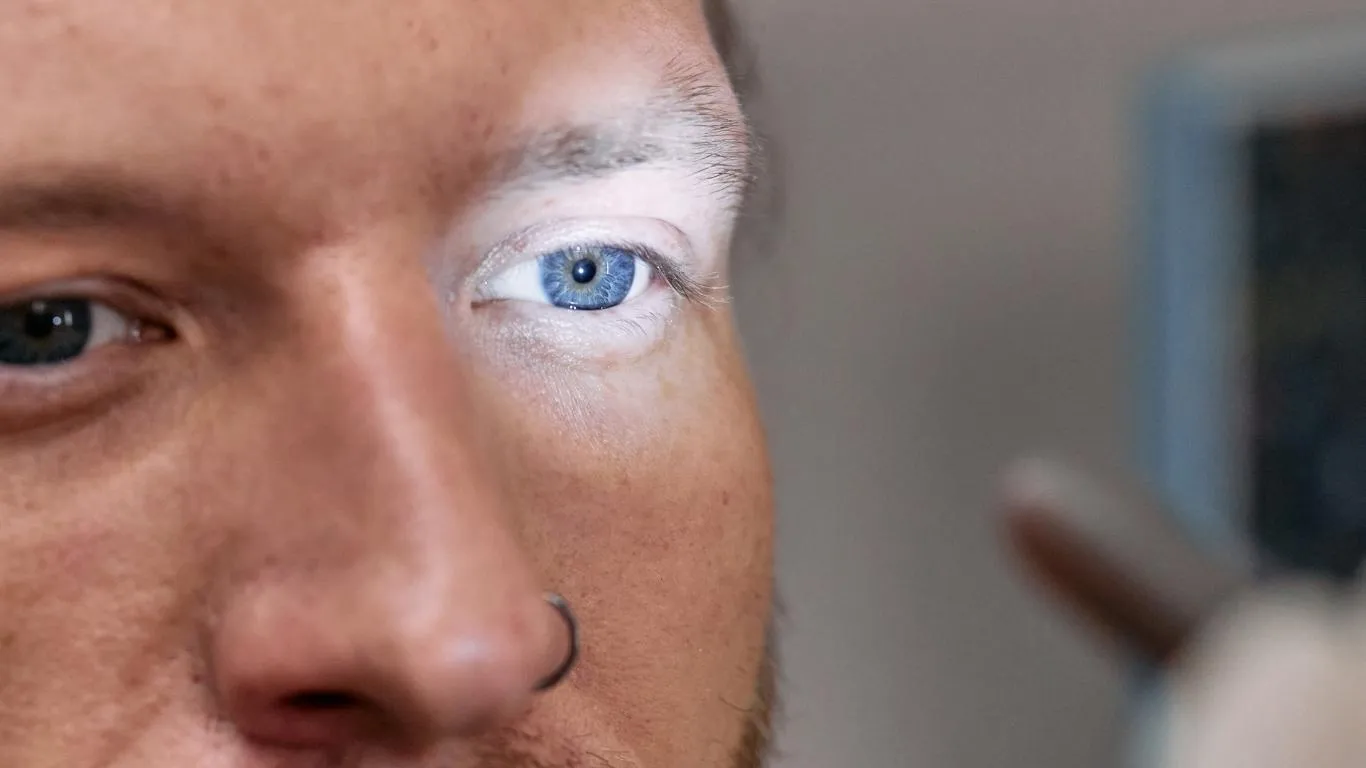
Generally, floaters that appear during yawning aren’t dangerous. But that doesn’t mean you should ignore other changes. If you notice floaters growing in number, size, or accompanied by flashes of light, it’s a red flag. That’s how some retinal detachments begin. This resource is worth bookmarking: When floaters become dangerous.
Also, if you’re over 40 and noticing these changes more often, it may simply be age-related vitreous degeneration. Learn more in this great explainer: Common causes of floaters.
Helpful Habits That Made a Real Difference for Me
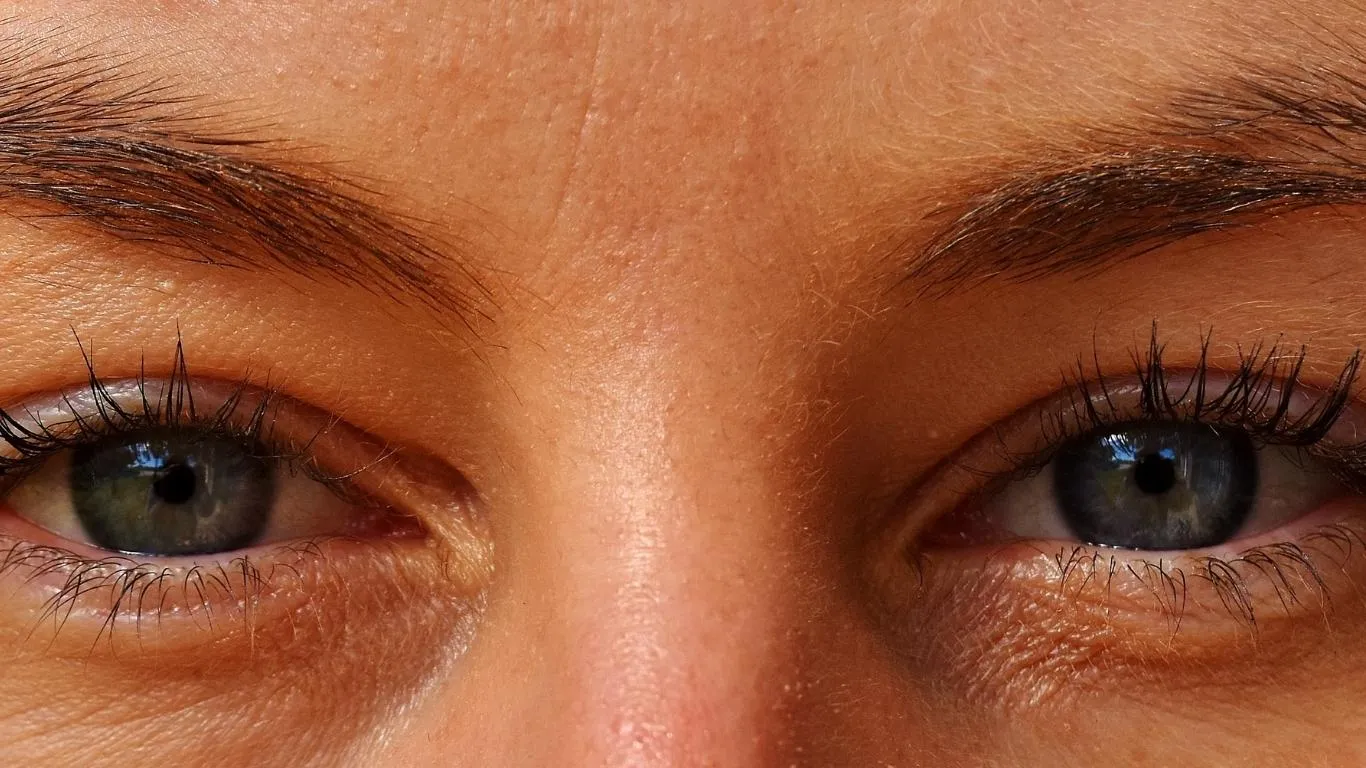
- Dim screens at night: Floaters pop more in contrast-heavy environments. I now use a blue-light filter + reduce brightness by 40% in evenings.
- Adjust posture when yawning: Strange but true—if I don’t tilt my head too far back during a yawn, the floaters show up less. Small tweak, big result.
- Take vision breaks: Even 30 seconds to look at a tree or distant object can reset the visual strain that makes floaters more visible.
- Use eye drops sparingly: If dryness is part of your yawning cycle, light lubricating drops help—but avoid overuse. I prefer preservative-free ones.
And if you’re worried your floaters are something else entirely—migraine aura, sinus pressure, even allergies—this page might help: Telling floaters apart from other issues.
What to Do If It Gets Worse
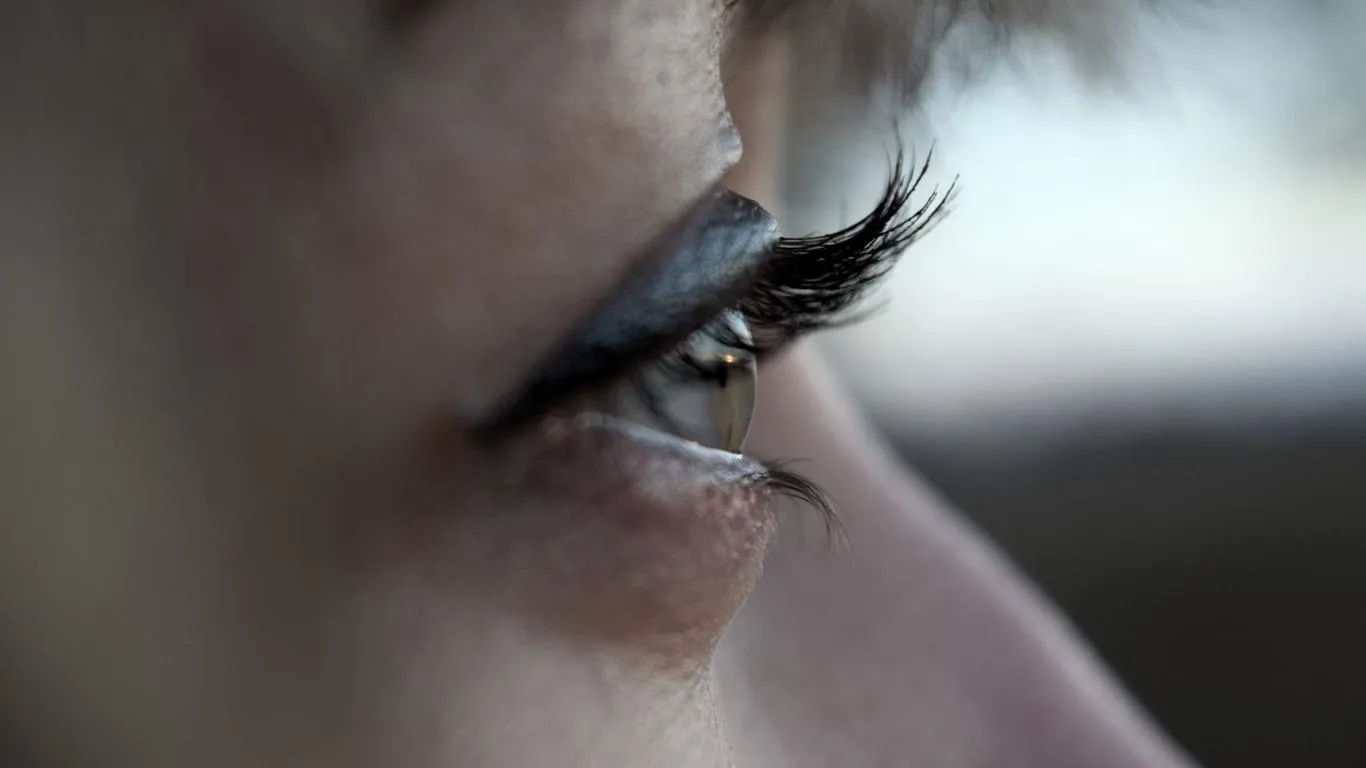
If your yawning-related floaters evolve from occasional specks into persistent cloudiness—or you start seeing shapes that look like flashes, spider webs, or shifting curtains—it’s worth getting a dilated eye exam. Better safe than sorry.
Floaters may not be curable (yet), but understanding their context, reducing triggers, and observing subtle changes makes all the difference. Honestly, learning how to live with them—not just panic about them—was the biggest shift for me.
Want to go deeper into the mechanics of floaters and all the treatment possibilities (including the advanced stuff)? Start with this: Eye Floater Treatment Options.

Camellia Wulansari is a dedicated Medical Assistant at a local clinic and a passionate health writer at Healthusias.com. With years of hands-on experience in patient care and a deep interest in preventive medicine, she bridges the gap between clinical knowledge and accessible health information. Camellia specializes in writing about digestive health, chronic conditions like GERD and hypertension, respiratory issues, and autoimmune diseases, aiming to empower readers with practical, easy-to-understand insights. When she’s not assisting patients or writing, you’ll find her enjoying quiet mornings with coffee and a medical journal in hand—or jamming to her favorite metal band, Lamb of God.