Why Getting a Second Opinion for Spinal Surgery Could Save You
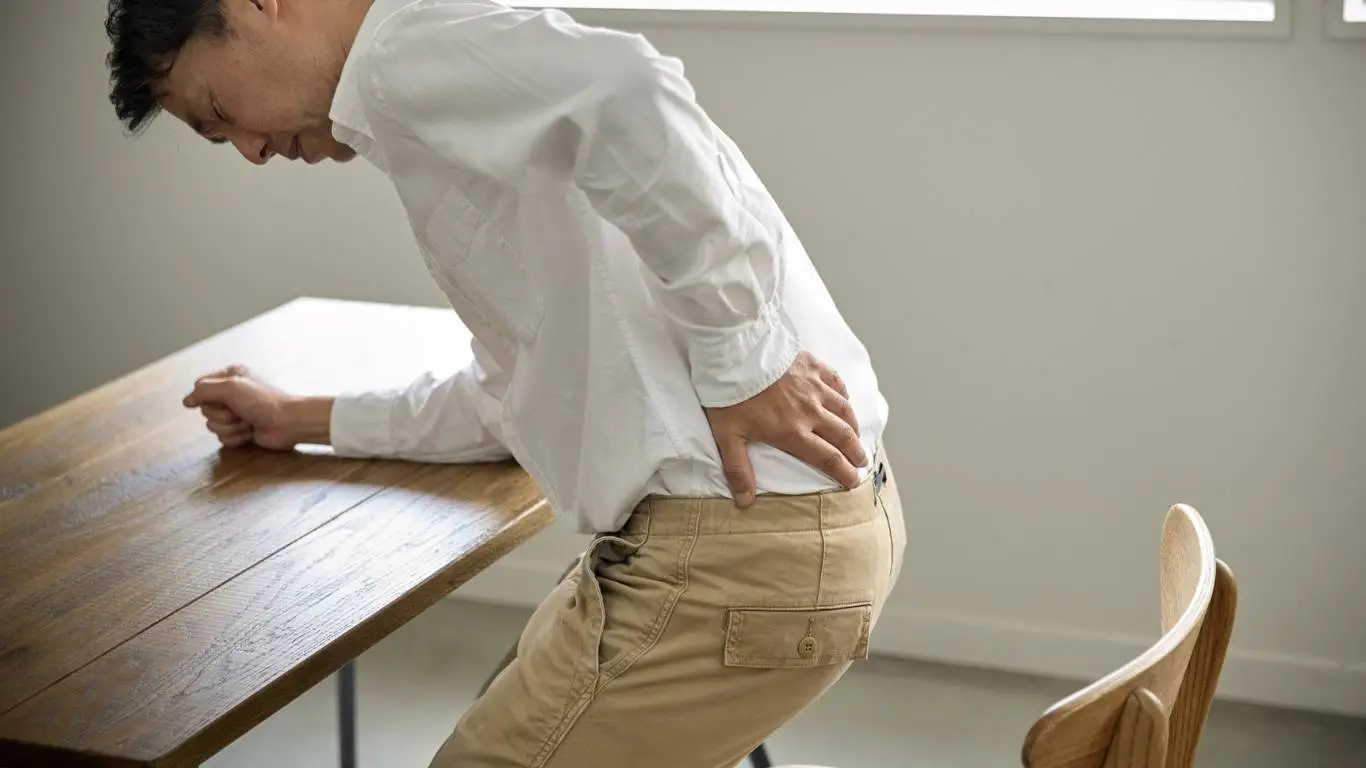
Last year, after waking up one morning unable to stand straight without a sharp sting shooting down my back, I found myself face-to-face with a spine surgeon. The diagnosis? Herniated disc with surgical recommendation. Just days before I was supposed to start a new job. My gut said something was off. I needed clarity. And that’s when I learned the real value of getting a second opinion for spinal surgery. It’s not about mistrust—it’s about making an informed decision when your spine, your life, is on the line.
Why Getting a Second Opinion Is More Common Than You Think

Spinal surgeries are complex and often irreversible. It’s not like trying a new skin cream. It’s your spine—your ability to move, function, and live pain-free. Yet, many of us feel hesitant to ask, “Is there another option?”
Studies show up to 30% of spinal surgery recommendations may differ when reviewed by a second specialist. That means your treatment plan could change drastically—sometimes from surgery to conservative care.
From personal experience, getting a second opinion didn’t delay my healing. It sped up my peace of mind. And I’m not alone. People often seek out another expert when:
- They’re told surgery is urgent but symptoms aren’t worsening
- They haven’t explored physical therapy or injections
- They feel rushed or pressured by their current provider
- The diagnosis isn’t clearly explained or backed by imaging
Red Flags That Should Make You Pause Before Spinal Surgery

If you’re being pushed into surgery without being offered any alternatives, it’s time to ask more questions. Not every back pain needs the knife. In fact, most don’t.
You’re Told It’s the Only Option
This was my first red flag. When your doctor says, “This is your only choice,” it’s usually not true. There’s almost always another way—conservative care, targeted physical therapy, or epidural injections that can delay or even replace surgery.
Vague Explanations or Lack of Imaging
Another red flag? You’re told you have a serious condition, but your MRI or CT scan hasn’t been reviewed with you. Spine surgery should never be based solely on symptoms—it needs imaging confirmation. You should always be walked through the findings visually.
You Haven’t Tried Conservative Treatments
If you haven’t given non-surgical methods a real chance, it’s too early to go under the knife. Options like physical therapy, anti-inflammatory medication, or chiropractic care often provide relief without the recovery time of surgery.
Choosing the Right Specialist for a Second Opinion

Not all spine surgeons are created equal. And not all second opinions are neutral. If you’re going to seek another voice, make sure it’s the right one.
Independent Clinics vs. Hospital-Based Surgeons
Look for specialists who aren’t affiliated with the same group as your original provider. Independent clinics often offer more unbiased perspectives, particularly when they don’t benefit financially from your decision.
Orthopedic vs. Neurosurgeon
Both treat spine issues, but their training differs. Orthopedic surgeons tend to focus on the structural aspects like bones and discs, while neurosurgeons may be more skilled in nerve-related pathologies. Sometimes seeing both can offer complementary insights.
Ask These Questions
- Would you recommend surgery if this were your own spine?
- What are the risks of waiting or trying non-surgical care?
- Do you agree with the initial diagnosis?
- Are there cases where people like me recovered without surgery?
Common Misunderstandings About Second Opinions

There’s a stigma around getting another perspective—as if it’s a sign of distrust. That’s old thinking. Today, many surgeons *encourage* second opinions. It shows you’re invested in your health and not making rushed decisions. Some even refer patients themselves.
“I’ll Offend My Surgeon”
No, you won’t. Good doctors welcome collaboration. If your provider seems upset that you want another opinion, that’s another red flag right there.
“Insurance Won’t Cover It”
Most insurance plans, including Medicare, *do* cover second opinions—especially for serious procedures like spine surgery. Just call and confirm before scheduling.
“It’ll Delay My Healing”
Truth is, rushing into surgery that wasn’t needed will delay your recovery far more. Taking the time for a second look might save you months of rehab or permanent limitations.
When a Second Opinion Changed Everything
A friend of mine was weeks away from spinal fusion surgery. The second opinion? Turned out it was severe muscle strain, not disc damage. Six weeks of focused rehab, and he was back to cycling. No scars. No regrets. Just smart decision-making.
Stories like his (and mine) aren’t rare. They’re everywhere. You just have to ask around or look online. Even conditions like degenerative disc disease or spinal stenosis often have multiple management paths.
Want to understand more about your spinal anatomy and treatment options? Check out this comprehensive guide to the different types of back pain and what they mean for your spine.
Also, don’t miss the main hub for back pain topics—it’s packed with real-world solutions, expert-backed insights, and tools that make your recovery less overwhelming.
How to Make the Most of Your Second Opinion Appointment

Walking into your second opinion appointment prepared makes all the difference. You’re not starting from scratch—you’re seeking clarity. You want confirmation or correction, not confusion.
Bring Your Entire Medical History
That means MRI scans, X-rays, referral letters, physical therapy reports—*everything*. Don’t make the specialist guess or repeat tests. The more informed they are, the better your outcome.
Jot Down Your Symptoms, Not Just the Diagnosis
Sometimes we focus too much on the diagnosis and forget to describe how the pain affects daily life. Do you feel worse in the morning? After sitting? During certain movements? One overlooked cause of chronic pain is muscle imbalance, which won’t always show up on imaging.
Ask About Function, Not Just Fixes
A great second opinion doesn’t just tell you what’s wrong—it tells you what’s *possible*. Ask how different options would impact your mobility, lifestyle, and long-term quality of life. A “successful surgery” isn’t worth it if you’re still limited afterward.
What If Both Doctors Disagree?

Conflicting opinions are more common than you’d think. In fact, it’s often what sparks the most productive decisions. Here’s how to sort through them:
- Check who has more spine-focused experience and credentials.
- Ask which provider has offered more *non-surgical* insights before jumping to the OR.
- Weigh how well they explained things to you—confusion is not a good sign of clarity.
Sometimes a third opinion is worth the effort, especially if one recommends a high-risk surgery like a microdiscectomy or spinal fusion while the other recommends physical therapy or lifestyle adjustments.
The Risk of Rushing Into Spinal Surgery

I’ve met people who wished they had waited. Back surgery, when done for the wrong reasons or with the wrong expectations, can sometimes lead to failed back surgery syndrome (yes, that’s a real term). You don’t want to swap one pain for another.
Also, surgery recovery isn’t just physical—it can be deeply emotional. It’s why mental health is often discussed when treating chronic pain. For some, exploring approaches like CBT for back pain or mindfulness-based therapies can unlock healing that goes beyond anatomy.
Who Might Actually Need Surgery? Know the Signs

Let’s be real—not every spinal surgery is unnecessary. In some cases, it’s life-changing and timely. But the key is to know *when it’s truly needed*.
- Loss of bowel or bladder control (potential cauda equina syndrome)
- Progressive muscle weakness in your legs or arms
- Unbearable pain that hasn’t responded to any treatment for months
- Spinal instability or vertebral fractures threatening nerve function
If your imaging shows structural damage that clearly matches your symptoms, and you’ve exhausted other methods, surgery might genuinely be your best route. But it should feel like a well-informed decision—not a default one.
How to Talk to Your Current Doctor About a Second Opinion

This part can feel awkward, but it doesn’t have to be. A simple, respectful statement goes a long way:
“I appreciate everything you’ve shared so far. Because this is such a significant decision, I’d like to get another perspective before moving forward.”
A seasoned professional will appreciate that you’re taking your health seriously. And if they push back or guilt-trip you? Consider that your answer right there.
What I Learned (And Gained) from Getting That Second Opinion

That second opinion? It changed my life. Turned out I didn’t need surgery—at least not then. A smart combination of targeted rehab, ergonomic fixes, and anti-inflammatory care got me back on my feet. Literally.
I still check in on my spine. I still deal with occasional flare-ups. But I avoided a major surgery I might’ve regretted. And that peace of mind is worth everything.
If you’re standing at that same crossroads, unsure of what’s next, start with this: don’t let fear make your decision. Let knowledge do it instead. Explore everything from understanding spinal symptoms to how lifestyle tweaks can delay (or avoid) surgery altogether. There’s so much more to healing than the operating table.
And of course, dive into our main back pain hub for proven insights that’ll help guide your decisions, with clarity and confidence.

Camellia Wulansari is a dedicated Medical Assistant at a local clinic and a passionate health writer at Healthusias.com. With years of hands-on experience in patient care and a deep interest in preventive medicine, she bridges the gap between clinical knowledge and accessible health information. Camellia specializes in writing about digestive health, chronic conditions like GERD and hypertension, respiratory issues, and autoimmune diseases, aiming to empower readers with practical, easy-to-understand insights. When she’s not assisting patients or writing, you’ll find her enjoying quiet mornings with coffee and a medical journal in hand—or jamming to her favorite metal band, Lamb of God.