Why Floaters in Swimmers or Divers May Signal Eye Trouble
I remember the first time I noticed those tiny, drifting specks in my vision after surfacing from a deep dive. At first, I thought they were just water droplets. But they stayed — even after I rubbed my eyes and blinked a few times. If you’re a swimmer or diver who’s experienced this, you’re not imagining it. These are called eye floaters, and they show up for more of us than we realize, especially in the water-loving crowd.
Why Floaters Are So Common in Swimmers and Divers
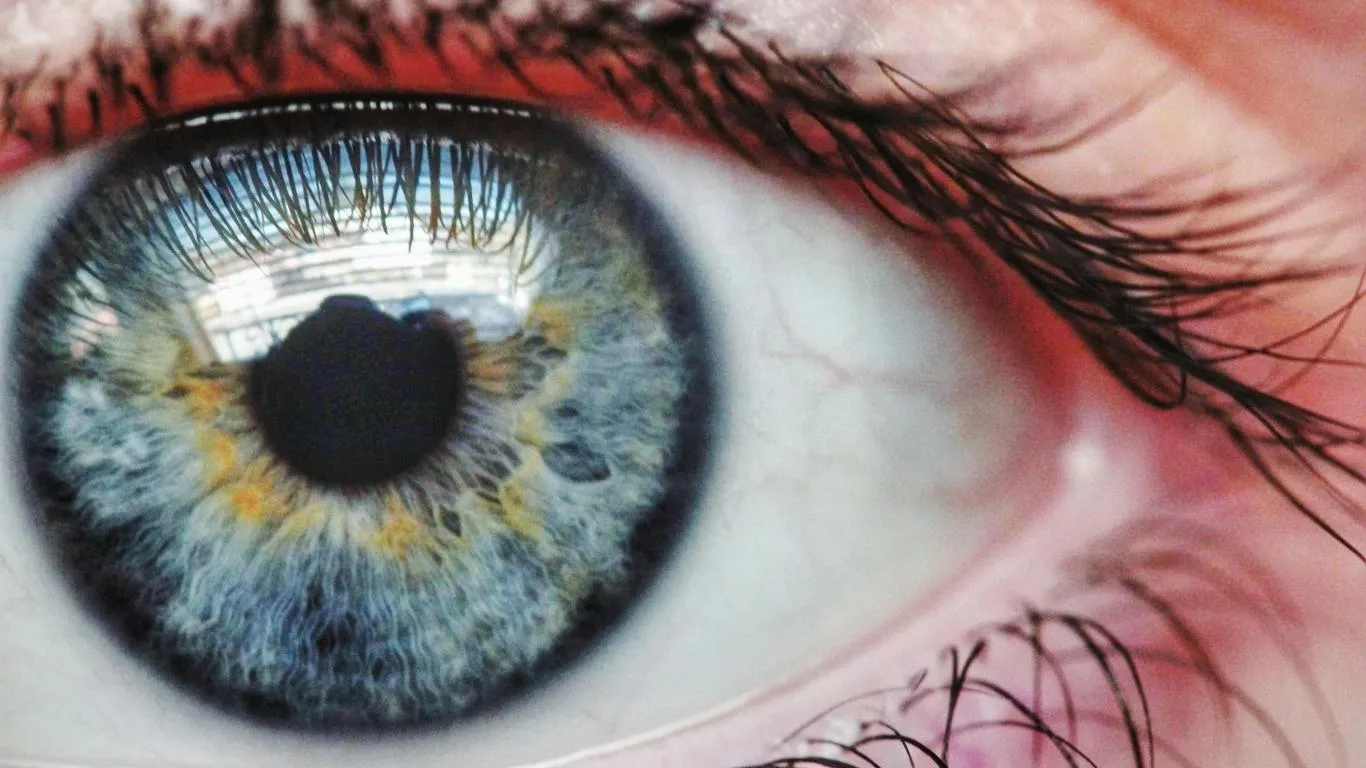
Floaters, those annoying squiggly lines or cobwebs that drift across your field of vision, are often more noticeable during or after swimming and diving sessions. Why? The answer isn’t just “because water.” It’s a mix of pressure changes, dehydration, and sometimes even the goggles we strap onto our faces.
Pressure Shifts and Sudden Vision Changes
If you’re diving, you’re constantly dealing with pressure. Rapid changes in altitude or water depth can subtly affect the vitreous humor — the gel-like substance inside your eye. That’s where floaters are born. Tiny bits of collagen or cellular debris break loose and cast shadows on the retina. Those shadows are what we see drifting.
Deep dives or repeated underwater flips might aggravate existing floaters or bring new ones into your visual awareness. This is particularly true if you’re doing activities that involve quick depth changes, like underwater hockey or free diving.
Hydration & Eye Health Go Hand in Hand
Ever spent an afternoon swimming laps only to feel a bit foggy or dry-eyed afterward? You’re not alone. Dehydration plays a sneaky role in floaters too. The less hydrated your body — and eyes — are, the more likely the vitreous gel is to shrink or thicken, leading to those floaty bits becoming more prominent.
Here’s a deeper look into that connection in this article on dehydration and floaters. Definitely worth a read if you spend long hours in the pool or ocean like I do during summer weekends.
The Link Between Goggle Use and Visual Disturbances
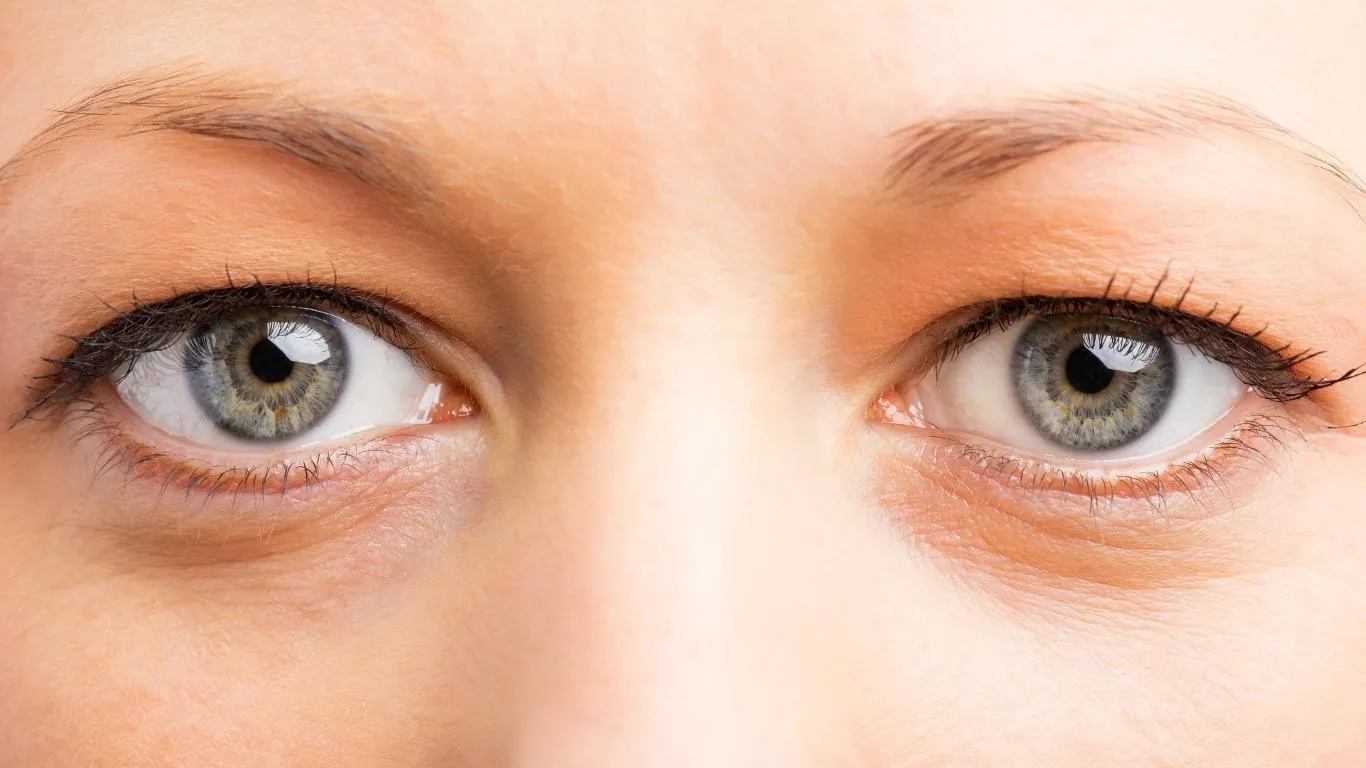
Believe it or not, your gear might be playing a part. Tight-fitting goggles — especially those that create suction — can temporarily alter eye pressure. That pressure shift may not cause floaters outright, but it can make you more aware of them. It’s similar to how floaters become more visible in brightly lit or contrast-heavy environments, like pool tiles or sunlight hitting the water’s surface.
This doesn’t mean you should ditch your goggles, but it does mean picking the right ones with adjustable straps and wider seals could make a difference — not just for comfort but for your eye health, too.
Are Swimmers Just Noticing Them More?
Here’s something I’ve discussed with my ophthalmologist — swimmers and divers may not have more floaters, they’re just more likely to notice them. Bright pool surfaces, light bouncing off water, or simply having more “eye time” due to fewer distractions underwater makes it easier to spot these pesky shadows.
And according to the American Academy of Ophthalmology, floaters are more noticeable against light-colored backgrounds. So, yes, your chlorine-blue pool may be betraying you.
When Floaters in Swimmers Are a Cause for Concern

In most cases, floaters are harmless. Annoying, yes. But not dangerous. However, swimmers and divers — especially those who push limits in deep water or experience eye trauma — should be on the lookout for red flags:
- Sudden increase in floaters
- Flashes of light (like camera flashes that aren’t there)
- Dark curtain or shadow creeping into your peripheral vision
- Blurred vision after surfacing from a dive
These could be signs of something more serious, like a retinal tear. And it’s not just speculation. I once ignored a burst of floaters after cliff diving, and it turned out to be a warning sign of a retinal issue. Learned that one the hard way.
Floaters and Physical Eye Trauma in the Water
Getting hit in the face with a water polo ball or catching an elbow during synchronized swim drills isn’t uncommon — and neither is experiencing floaters after. Any blunt eye trauma can lead to a disruption in the vitreous or even cause bleeding inside the eye, known as vitreous hemorrhage. Here’s a breakdown on eye floaters after sports injuries if you’re curious (or cautious).
Who’s More at Risk: Swimmers vs. Divers?
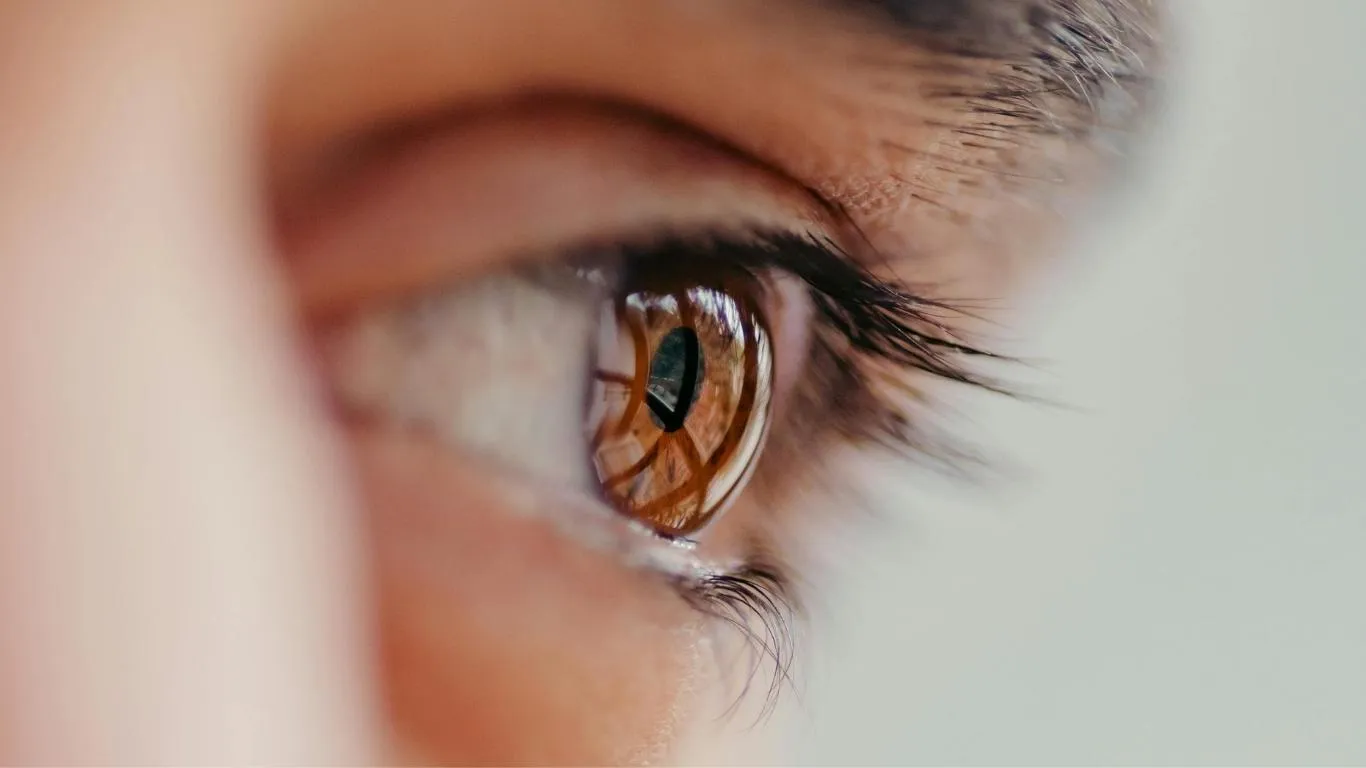
While both swimmers and divers can get floaters, divers — especially those going to significant depths — face more risks. The pressure changes, the rapid ascents, and exposure to different lighting conditions put more strain on the eyes. Even experienced divers aren’t immune.
According to ncbi.nlm.nih.gov, repeated pressure fluctuations over time could potentially contribute to long-term eye issues, especially when compounded by factors like aging or pre-existing myopia.
Swimmers aren’t totally off the hook, though. Long sessions in chlorinated pools can dry out eyes, and swimming in open water often comes with more risk of trauma from objects or turbulent conditions.
How to Reduce Floaters While Still Enjoying the Water
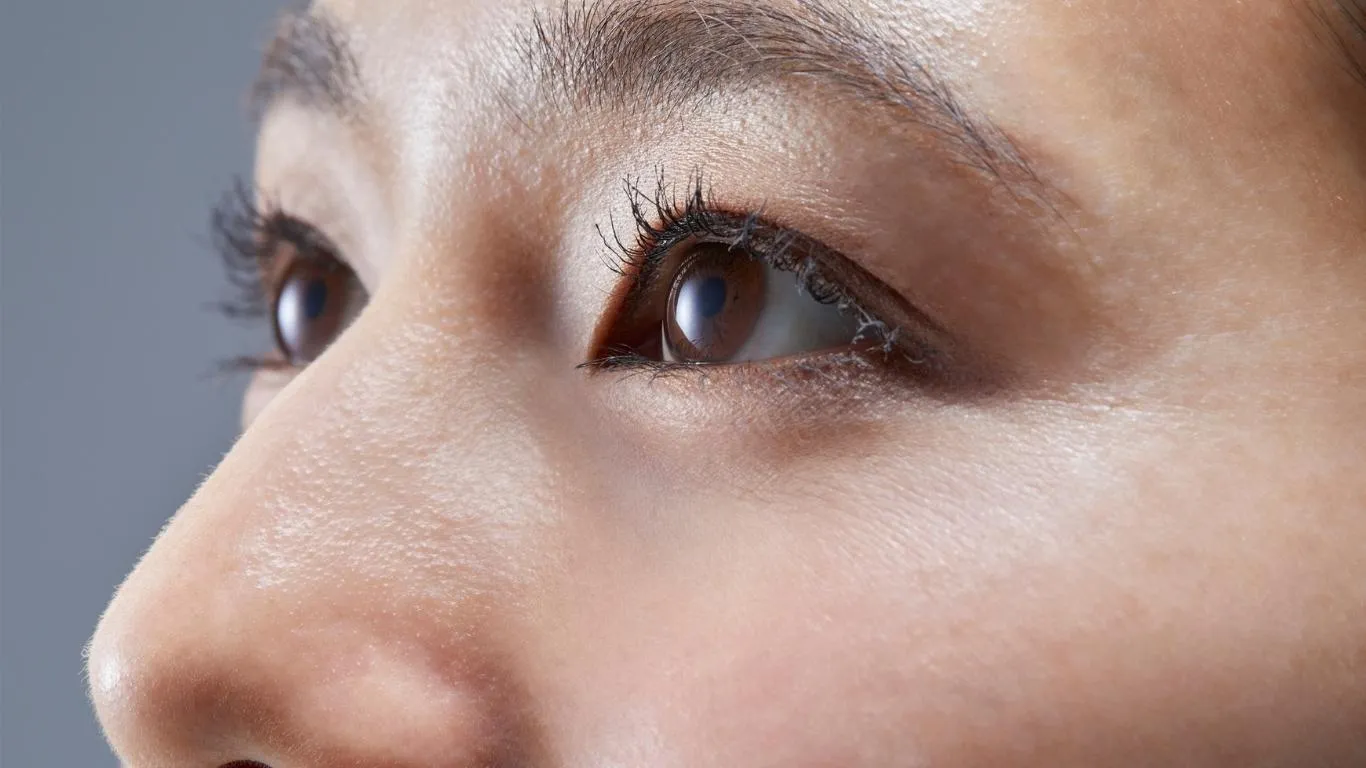
No one wants to hang up their swim cap just because of floaters. The good news is, you probably don’t have to. Here are a few things I do personally — and recommend — to keep my eyes in top shape:
- Stay hydrated before, during, and after swimming sessions
- Use lubricating eye drops after long swims
- Switch to wide-vision goggles with soft seals
- Wear sunglasses post-swim if you’re outdoors — bright light makes floaters pop
- Limit rapid diving unless trained and conditioned
There’s more on reducing floaters naturally and supporting your vision over at Healthusias, and I honestly refer back to that guide when mine start acting up.
If you’re noticing recurring floaters or it’s starting to impact your performance or peace of mind, check out the comprehensive pillar article on treatments for eye floaters to explore medical options.
And if you want a solid foundation of what floaters are and how they develop in the first place, I highly recommend the main article on causes, symptoms, and treatment.
What Happens to Floaters After a Swim or Dive?
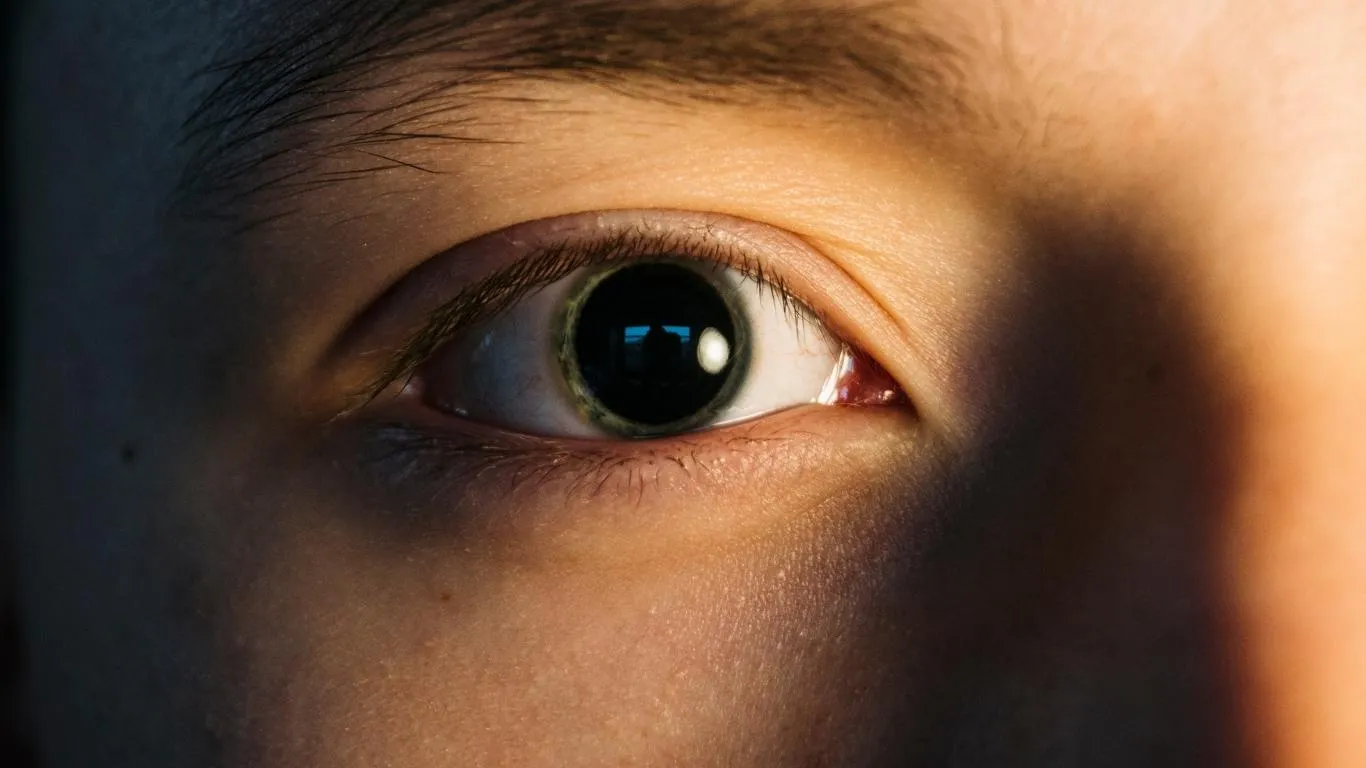
One thing I’ve noticed (and I’m not alone) is how floaters tend to hang around even after you’ve dried off. If you’ve ever walked out of the pool or surfaced from a dive and still seen those annoying floaty shapes, you’re experiencing something completely normal — but still super frustrating.
After swimming, especially in outdoor light or after a deep dive, the eyes can be fatigued. Light bouncing off the water and the strain of underwater focus can exaggerate visual artifacts like floaters. Sometimes it’s not that you’ve gotten more floaters — you’re just noticing them more because of lighting and eye strain.
For some swimmers, that post-dive foggy vision might even feel like your eyes are “swimming” too. If you’re dealing with that, check out how floaters can persist after visual strain or trauma — there’s plenty there that applies even to us non-surgical folks.
Floaters That Come and Go with Water Conditions
Ever notice that floaters seem worse on sunny swim days or after diving in murky water? It’s not just in your head. Water clarity, sunlight angles, and even temperature play roles. Brighter light makes floaters stand out more, while colder water can cause your pupils to contract — which can sharpen your focus and make those floaters look more vivid.
Even diving in saltwater vs. fresh can change your experience. Salt irritates the eyes more easily and can make your vision feel cloudy, amplifying the appearance of floaters.
When Floaters Become a Chronic Issue
There’s a big difference between the occasional “speck” and floaters that start disrupting your vision or daily life. I hit that point after months of noticing floaters every time I swam, even indoors. That’s when I started digging into what to do about it — and honestly, it can be complicated.
If you’re finding that floaters linger long after your swim is over, worsen with time, or are starting to affect your ability to focus or perform underwater, it might be time to see a specialist. There’s a lot to consider here — from floaters after eye procedures to vitamin deficiencies and vitreous degeneration.
Age, Lifestyle, and Repetition: The Risk Trio
Swimmers and divers in their 30s and 40s (like myself) might start to notice floaters increase with each passing year. This is totally normal. But combine that with long sessions in chlorinated pools, long-term goggle use, or previous eye conditions, and the problem can start early.
This excellent breakdown of how age affects vitreous structure sheds more light on why floaters become more stubborn the older (and more active) you get.
What Eye Experts Actually Recommend for Swimmers
In conversations with my ophthalmologist (and yes, I finally gave in and saw one), a few expert tips kept popping up that aren’t always obvious:
- Monitor new floaters immediately. If you suddenly get a “shower” of new ones, don’t wait — it could be a sign of retinal detachment.
- Stick to proper eye hygiene after swimming. Rinse your eyes with clean water to reduce chlorine or salt buildup that could worsen irritation.
- Switch to better lighting environments post-swim to avoid visual overstimulation — floaters often fade faster in dimmer light.
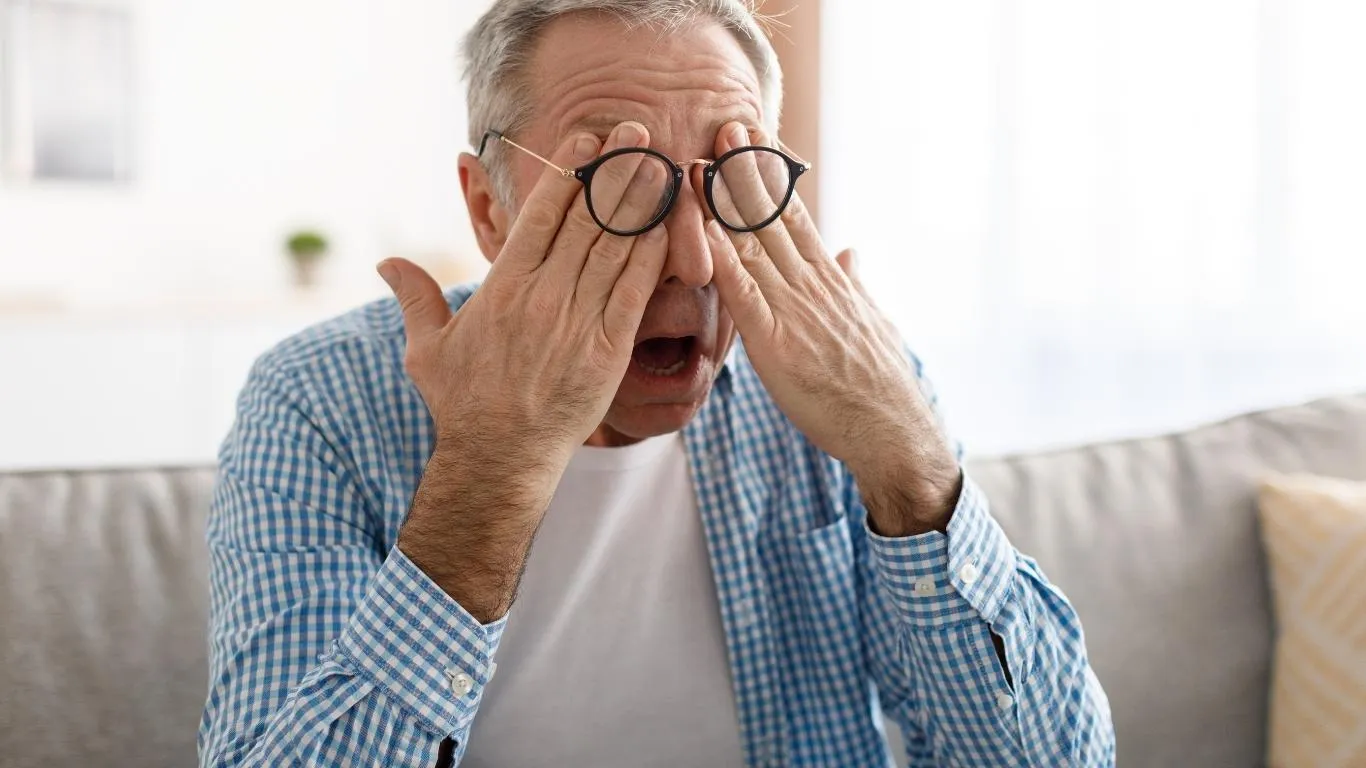
- Don’t rub your eyes after a dive. It might feel good, but it increases vitreous strain.
There’s more in-depth info here too — especially around underlying health conditions that can make floaters worse without you knowing it.
Are Any Treatments Worth Trying?
If you’re hoping for a magic fix — sorry, floaters aren’t that simple. Most treatments are either observational (watch and wait) or surgical (vitrectomy or laser therapy). But for active swimmers and divers, surgery is rarely the first move.
There are some promising approaches that support vitreous health without needing a scalpel. I’ve tried a few myself — like hydration tracking, omega-3 supplements, and eye-specific multivitamins — and while they don’t erase floaters, they’ve definitely made them less noticeable.
This list of evidence-backed supplements for floaters is worth bookmarking, especially if you’re not quite ready to go the medical route.
Training Smarter to Minimize Floater Triggers
Look, we’re not going to stop swimming or diving. But you can definitely train smarter. If you’re dealing with persistent floaters, try adjusting your routine:
- Alternate bright and dim lighting when training indoors to reduce floater sensitivity.
- Build in breaks from goggle pressure — use mask-style goggles if you swim often.
- Stretch your neck and eyes before and after diving — sounds weird, but it helps reduce strain.
- Avoid back-to-back deep dives without recovery time for your eyes.
Most importantly, don’t ignore changes. That tiny new squiggle might be harmless — or it might not. Trust your instincts and get your eyes checked if something feels off.
Should You Stop Swimming If You Have Floaters?
Short answer: No. Long answer? It depends. Floaters alone aren’t usually dangerous. But if you’re dealing with vision impairment, flashes of light, or other symptoms, swimming without a proper checkup could worsen the problem.
If you’ve already had surgeries or previous eye trauma, there’s a more detailed breakdown here: when floaters appear without other symptoms — especially helpful if you’re trying to figure out what’s normal vs. what’s not.
Keeping Your Vision Clear While Staying in the Water
At the end of the day, swimming and diving aren’t the villains here. Floaters are a natural part of aging, eye stress, and yes — active lifestyles. But being proactive makes all the difference.
Learn what’s normal for your eyes, protect them when you train, and stay educated. If you want to dive deeper (pun intended), the pillar article on distinguishing floaters from other eye problems is a solid place to continue.
And if you’re just getting started on your floater journey — whether you’re a swimmer, diver, or just float-curious — don’t miss the main guide on eye floaters at Healthusias. It’s the one I keep coming back to.

Camellia Wulansari is a dedicated Medical Assistant at a local clinic and a passionate health writer at Healthusias.com. With years of hands-on experience in patient care and a deep interest in preventive medicine, she bridges the gap between clinical knowledge and accessible health information. Camellia specializes in writing about digestive health, chronic conditions like GERD and hypertension, respiratory issues, and autoimmune diseases, aiming to empower readers with practical, easy-to-understand insights. When she’s not assisting patients or writing, you’ll find her enjoying quiet mornings with coffee and a medical journal in hand—or jamming to her favorite metal band, Lamb of God.