Why Migraine Vs Eye Fatigue Can Feel So Frustratingly Similar
There’s this moment—right around mid-afternoon—when I feel that familiar pressure crawling behind my eyes. At first, I used to brush it off as just another screen-induced headache. But then came the nausea, the light sensitivity, and the tingling on one side of my face. That’s when I realized what I was dealing with wasn’t just eye strain. It was a migraine. If you’ve ever questioned whether what you’re feeling is just plain old eye fatigue or something more intense like a migraine, you’re not alone.
Understanding the Core Differences
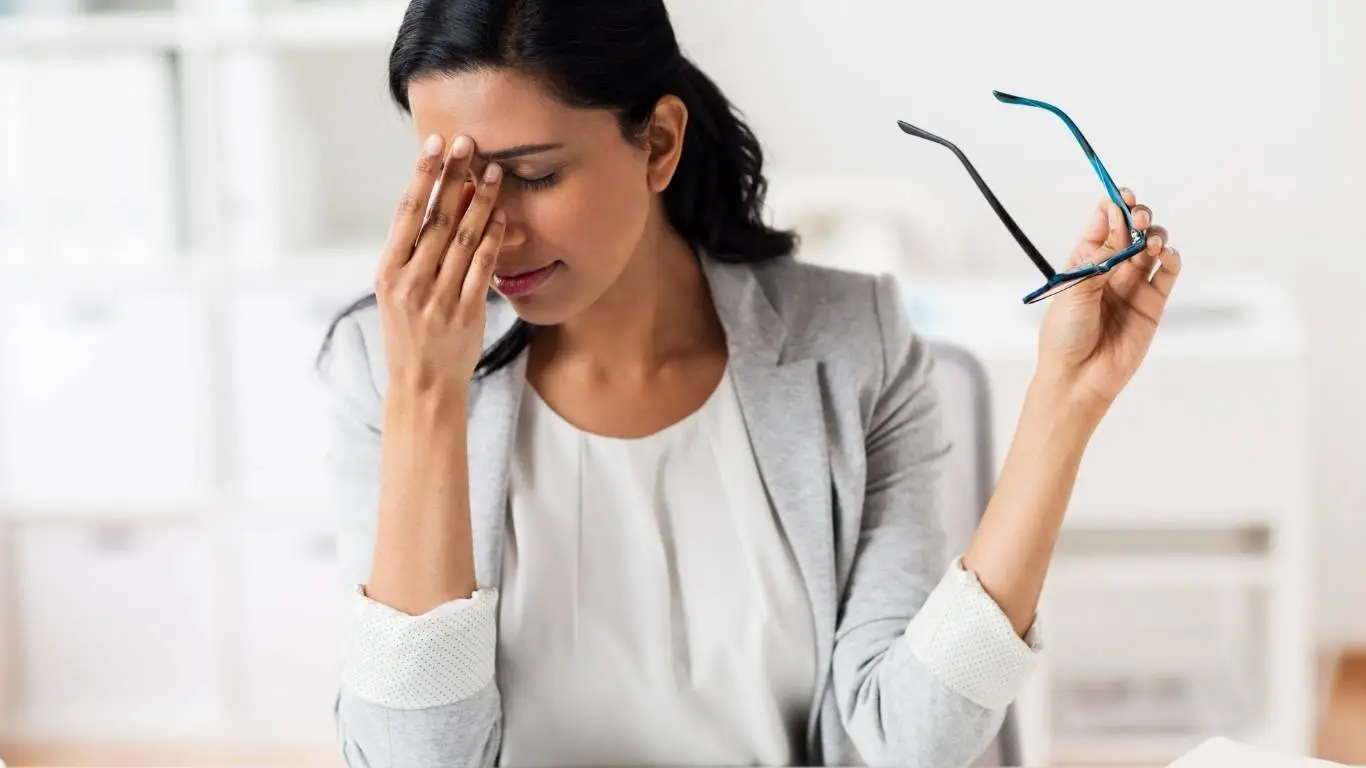
What Exactly Is Eye Fatigue?
Eye fatigue, or eye strain, often creeps in after long hours of focusing—whether that’s on a laptop, phone, or book. It’s uncomfortable, yes, but not debilitating. Typically, it comes with:
- Aching or burning eyes
- Blurred or double vision
- Dry eyes or excessive tearing
- Soreness around the temples
These symptoms usually subside with rest, screen breaks, or even just stepping outside for fresh air. There’s no throbbing pain, and it rarely affects one side of the face or body.
What a Migraine Really Feels Like
A migraine, on the other hand, isn’t just a bad headache. It’s a neurological event. For me, it usually starts with a flickering in the corner of my vision. Then the dull ache blossoms into pounding pain, often behind one eye. Unlike eye fatigue, migraines can last hours or even days.
Migraines often bring more than just head pain. Symptoms can include:
- Nausea or vomiting
- Light and sound sensitivity
- Facial tingling or numbness
- Visual auras or blind spots
Some people even experience migraine aura before the pain kicks in—like shimmering lights or zigzag lines. You won’t see that with regular eye strain.
Why People Confuse the Two

Overlapping Triggers
One reason this confusion exists is that both migraines and eye fatigue can be triggered by similar things:
- Too much screen time
- Stress and anxiety
- Poor lighting
- Lack of sleep
But while these triggers may cause eye strain, for migraine sufferers, they can ignite a full-blown attack. This is why identifying your triggers is crucial. If you’re unsure, a migraine diary can be a great place to start logging symptoms and patterns.
Location of Pain Tells a Lot
From personal experience, I’ve noticed that eye strain feels more general—like a dull ache across the forehead or around both eyes. Migraines? They’re viciously one-sided. For me, it’s usually behind the right eye. That’s a tell-tale sign. Another big clue is the nature of the pain. Eye fatigue feels more like pressure; migraines often pulsate and feel invasive.
When Your Eyes Are the Victim of a Migraine

Ocular and Retinal Migraines
Yes, migraines can directly affect your eyes. Conditions like migraine eye floaters or ocular migraines can cause temporary vision loss or flashing lights in one eye. This can feel a lot like extreme eye strain—but it’s actually a neurological reaction. According to American Academy of Ophthalmology, ocular migraines are rare but real, and they’re not caused by eye problems, but by reduced blood flow in the brain.
Pressure Behind the Eyes: What’s Causing It?
Many migraine sufferers (myself included) describe a deep pressure behind the eyes. It’s so convincing that I once visited an optometrist thinking I had an eye issue. Turns out, it was a migraine concentrated on one side of my head. If your eye exams keep coming back clear, it might be worth asking your doctor about neurological evaluations.
Risk of Misdiagnosis

When Eye Doctors Aren’t Enough
Eye fatigue doesn’t need a neurologist, but migraines might. If you find yourself reaching for eye drops and blue-light glasses with no real relief, it could be time to explore other possibilities. Migraine symptoms like numbness, weakness, or even dizziness can point toward a deeper issue that an optometrist simply can’t address.
Making the Right Call
The best way to make that call? Pay attention. Journal your symptoms. Track when they occur. I’ve learned that my own “eye strain” episodes were often stress-induced migraines. The differences between migraines and tension or fatigue headaches can seem subtle, but those subtleties make all the difference in finding the right treatment.
If you’re deep-diving into the differences between types of migraines and wondering how to spot them early, this guide on migraine symptoms gives a detailed breakdown. You can also explore the full migraine and headache resource hub for broader understanding.
How Screen Time Blurs the Line Between Eye Fatigue and Migraines
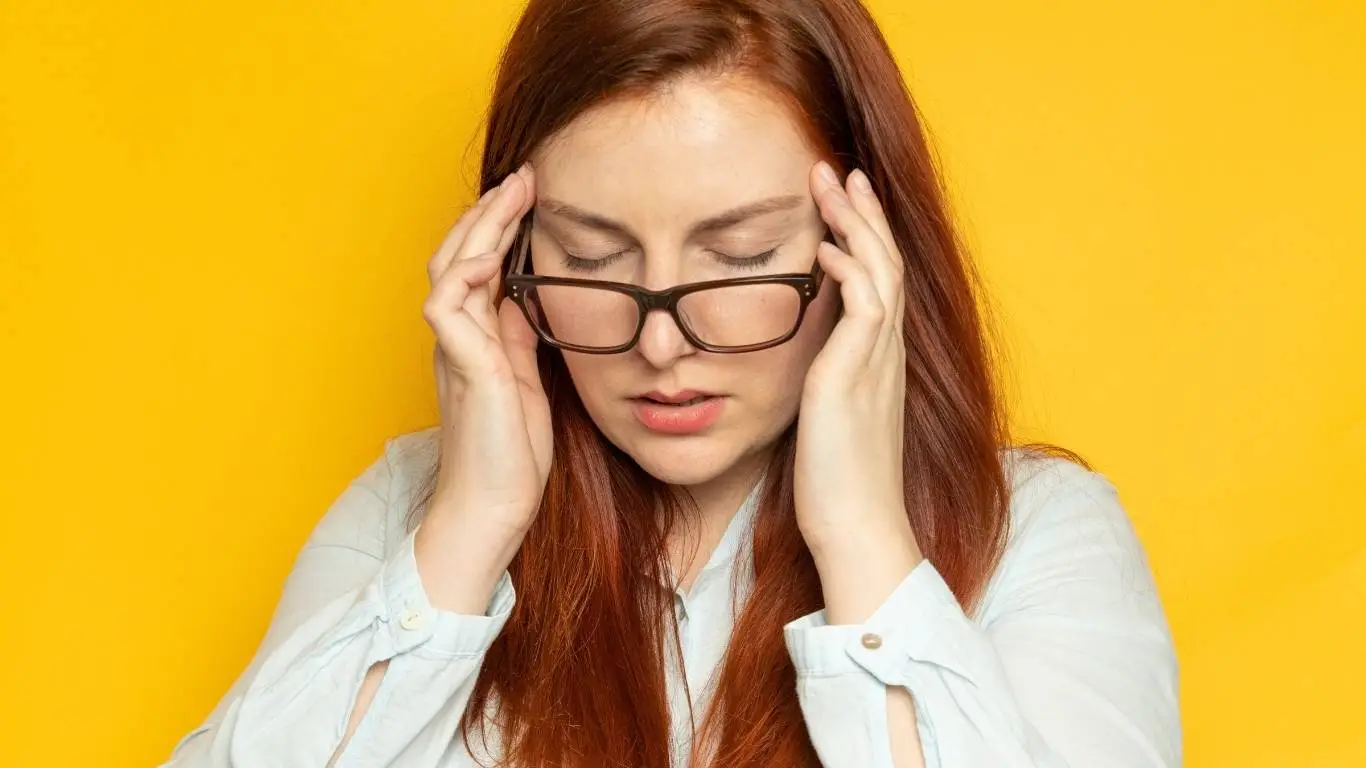
Not All Digital Fatigue Is the Same
Look, I work online. Eight, sometimes ten hours a day. I used to think the nagging pressure behind my eyes after a long Zoom meeting was just a part of the job. But after a few months of brushing off the symptoms, I started noticing that those “tired eyes” were showing up with nausea and noise sensitivity. That’s when I knew something deeper was at play. It wasn’t just eye fatigue—it was a digital-triggered migraine.
How Your Body Reacts to Digital Overload
The blue light from screens can cause light sensitivity, which is a common migraine trigger. Pair that with poor posture, stress, and dehydration, and you’ve got a perfect migraine storm. Eye fatigue might make your eyes sore, but migraines can make your entire day unmanageable. That distinction is important, especially when choosing how to treat or prevent it.
Effective Tools to Tell the Difference

When in Doubt, Use a Symptom Tracker
Something that really helped me was using a migraine tracking app. When I started logging when symptoms hit, how long they lasted, and what triggered them, the patterns were crystal clear. Most of the time, eye fatigue episodes disappeared after rest—but migraines? They followed stress, poor sleep, and screen time overload like clockwork.
Tools and Habits That Actually Work
Here’s what helped me personally:
- Blue light blocking glasses — Only useful for eye fatigue, not migraines.
- Hydration reminders — A total game-changer for both.
- Regular screen breaks — Great for preventing fatigue, but also helped reduce my migraine frequency.
- Posture corrections — Don’t underestimate neck tension as a migraine trigger.
For chronic cases, tools like neuromodulation wearables are worth exploring. These aren’t gimmicks—they’ve been FDA-approved and recommended by professionals. If you’re unsure which tools are worth trying, this roundup of migraine relief devices can guide you.
When to See a Specialist

Red Flags That Signal More Than Eye Fatigue
If any of these happen repeatedly, you’re dealing with more than just tired eyes:
- Facial numbness or tingling
- Visual auras or zigzag lines
- One-sided throbbing pain
- Nausea, vomiting, or dizziness
These are clear warning signs that a migraine may be in play. If you’re unsure where to begin, start with a visit to a neurologist who specializes in migraines.
What I Learned From Getting Diagnosed
Honestly, I was skeptical. I assumed only people with dramatic symptoms needed diagnosis. But getting clarity from a medical professional changed everything. It validated my experience and gave me real tools to manage it. Migraines can mimic eye fatigue, sure, but their treatment is totally different—and without a proper diagnosis, you’re just guessing.
Choosing the Right Lifestyle Adjustments

Building Migraine-Resilient Habits
You don’t have to overhaul your life, but small steps can make a huge difference:
- Stick to a consistent sleep schedule
- Cut back on ultra-processed foods
- Stay hydrated throughout the day
- Limit screen exposure before bed
It might sound basic, but these foundational shifts reduced both my eye strain episodes and the frequency of my migraines. For more targeted tips, this piece on improving sleep habits for migraine relief is an excellent place to begin.
Supplements and Natural Support
If you’re looking for a more holistic approach, certain supplements may help. I’ve personally benefited from magnesium and vitamin B2, both of which have been researched for migraine prevention. Of course, always talk to your doctor before starting anything new. Trusted health sources like Mayo Clinic also provide helpful overviews on supplement use for migraine support.
Putting the Puzzle Together

The Takeaway
At the end of the day, recognizing the difference between migraine and eye fatigue isn’t just academic—it’s crucial for real relief. Eye strain might slow you down, but a migraine can derail your whole day. Don’t brush off recurring discomfort as “just screen fatigue.” Your body is likely telling you something much more important.
If your symptoms line up more with what’s described in this migraine diagnosis guide, it’s worth following through with a medical consult. Start by exploring the complete guide to understanding migraines, and don’t miss the main migraine and headache hub at Healthusias for everything from triggers to treatment options.

Bianca Nala is a compassionate Nurse Practitioner with a strong background in primary and respiratory care. As a health writer for Healthusias.com, she combines her clinical expertise with a talent for clear, relatable storytelling to help readers better understand their health. Bianca focuses on topics like asthma, COPD, chronic cough, and overall lung health, aiming to simplify complex medical topics without losing accuracy. Whether she’s treating patients or writing articles, Bianca is driven by a single goal: making quality healthcare knowledge accessible to everyone.