Why Floaters After Sneezing Fits May Signal Trouble
Have you ever sneezed so hard your whole head vibrated—and then, boom, you start seeing strange floating specks or threads in your vision? It’s oddly specific, right? I used to chalk it up to just pressure or maybe even allergies acting up. But after it started happening more frequently—especially after a string of sneezes—I couldn’t ignore it anymore. Turns out, floaters after sneezing fits aren’t as rare as I thought. Let’s get into what’s really going on inside your eyes when this happens and why it’s worth paying attention to.
Why Sneezing Can Trigger Eye Floaters
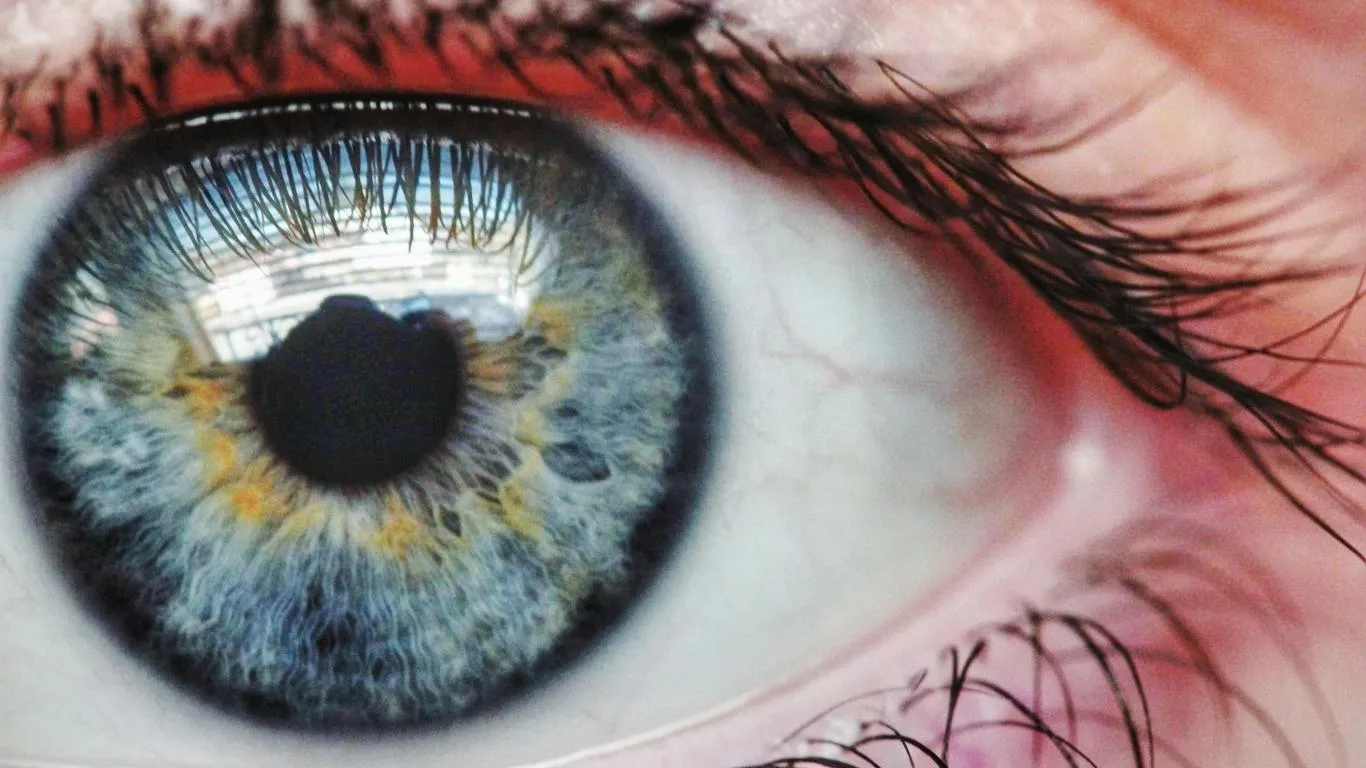
Sneezing is a violent reflex. Your body expels air at speeds up to 100 mph—yep, you read that right. That kind of sudden jolt creates rapid pressure changes not just in your chest and sinuses but also in your intracranial and ocular systems. If your eyes are already prone to floaters, this pressure spike might make them suddenly more visible—or worse, dislodge vitreous debris that wasn’t floating before.
Understanding the Vitreous Body
The vitreous humor is that jelly-like substance inside your eye. It’s mostly water, but it also contains collagen and proteins. With age—or sometimes due to physical stress like sneezing—it can start to liquefy and shrink, a process called vitreous syneresis. That’s when bits of collagen clump together and cast shadows on your retina. Voilà, floaters.
But why during sneezing? Because pressure changes from sneezing can tug on the vitreous body. If the vitreous is already partially detached or compromised, this could aggravate the movement and cause those tiny shadows to move more dramatically into your line of vision.
Could Floaters After Sneezing Be a Warning Sign?
Let’s be honest, the occasional floater is usually harmless. But when they suddenly appear after something physical—like a fit of sneezes, coughing, or even bending over—it could mean your vitreous is tugging on your retina. That’s not something to brush off lightly. Sudden floaters might be a sign of a potential retinal tear or posterior vitreous detachment.
I once experienced a burst of floaters right after a wild allergy sneezing episode—and no joke, it was like seeing ink droplets swirling around my vision. That episode prompted me to get an eye exam the same week. Luckily, no damage. But my ophthalmologist told me it was the right move, because in some cases, retinal complications can escalate quickly.
When to See a Doctor
- Floaters are sudden and numerous
- You see flashes of light
- There’s a dark curtain or shadow in your vision
- Floaters worsen with eye pain
These symptoms may indicate a more serious issue like retinal trauma, which could have been triggered by the sneezing-induced eye stress.
Other Factors That Can Make Sneezing-Triggered Floaters Worse
- Age-related vitreous changes: As you get older, the vitreous shrinks and separates from the retina. Sneezing might accelerate symptoms that were already developing.
- High myopia: Nearsighted individuals have longer eyeballs, making their vitreous more likely to pull on the retina during physical strain. Learn more about floaters in high myopia here.
- Dehydration: Not drinking enough water thickens the vitreous, making clumps more noticeable. Combine that with the pressure of sneezing, and your risk goes up. Here’s why hydration matters.
- Eye strain or fatigue: If you’ve been staring at screens or in low light, your eyes are already on edge. A powerful sneeze might just push them over. Explore more on this connection.
Can Allergies Play a Role?
Absolutely. Seasonal allergies can lead to prolonged sneezing fits, itchy eyes, and sinus congestion. Combine those with rubbing your eyes (admit it—we all do it), and you’ve got the perfect storm for increased floater activity. Interestingly, I found that after particularly intense spring allergy episodes, I’d see more floaters for a day or two. Then they’d slowly fade.
If your sneezing fits are allergy-driven, check out how floaters relate to allergy eye spots. It explains how inflammation and histamine responses can impact the eye’s internal pressure and possibly worsen floaters temporarily.
Should You Be Worried About Floaters After Every Sneeze?
Not necessarily. Most of the time, they’re harmless—especially if they fade or don’t increase in frequency. But what you should avoid is dismissing persistent or worsening floaters as “just sneezing side effects.” Especially if you’re in your 40s or older, have had eye surgeries, or experience other symptoms like flashes or visual shadows.
Want a more detailed understanding of how floaters form and what to look out for? This comprehensive article on eye floaters causes and symptoms is a solid resource.
If you’re looking to explore deeper health implications, especially if your floaters are frequent or appear alongside other changes, the article on dangerous signs of eye floaters is worth bookmarking.
From personal experience, I can say this: you don’t have to panic every time a speck dances across your vision post-sneeze—but it’s better to be aware than sorry. Especially when it’s your eyesight on the line.
What to Do If You Keep Getting Floaters After Sneezing
If floaters keep showing up after sneezing fits, you don’t need to panic—but you do need to pay attention. I started jotting down when mine appeared, what triggered them (hello, spring allergies), and how long they stuck around. Surprisingly, patterns emerged. Sometimes they were just mild and fleeting. But other times, they stuck around for days—and that’s when I knew I had to dig deeper.
Start by Monitoring the Pattern
It may sound basic, but keeping a journal can actually help your doctor diagnose what’s going on. Note:
- When the floaters appear (immediately after sneezing or delayed?)
- Whether they fade or linger
- Any accompanying symptoms like flashes, dizziness, or blurred vision
If you start noticing these floaters more often—especially if they seem to multiply or move faster—check this out: When floaters move faster than usual.
Safe At-Home Relief Tips That Helped Me
While you can’t zap floaters away instantly, there are a few things that personally helped me manage their impact—especially after back-to-back sneezing attacks.
- Rest your eyes. Avoid screens right after a sneezing fit. Your eyes are already stressed. Give them a break with soft lighting and gentle blinking.
- Increase hydration. Sneezing can dehydrate your sinuses and indirectly thicken your vitreous fluid. Water helps thin it out a bit over time.
- Eye exercises. Gentle eye rolls, slow blinking, and focusing at different distances have helped me shift floaters away from my central vision. Try this guide: eye exercises for floaters.
- Anti-allergy support. Since most of my sneeze fits are allergy-driven, I noticed reducing exposure to dust and using a saline rinse helped. This naturally lessened floaters too.
And yeah, I know it sounds a bit out there—but switching to full-spectrum lighting in my work area also made floaters way less distracting.
When It Might Be More Than Just Sneezing
If your floaters appear after sneezing but start overlapping with other red flags—like headaches, ringing in the ears, or even eye pain—you need to consider broader causes. One helpful read that opened my eyes (pun intended): floaters with headaches but no migraines.
Also, keep an eye on whether your floaters show up in only one eye. That’s not a common allergy-related reaction and could mean something deeper, like early retinal thinning or degeneration. This piece really broke it down well: floaters in one eye.
Floaters or Flashers?
If those sneezing fits are followed by light flashes in your vision, don’t sit on it. Flashing usually points to traction on the retina—and if untreated, that can lead to tears. You’ll want to read this article on floaters vs flashes. It cleared up a lot for me when I wasn’t sure if I was imagining things.
Treatment Options If It’s Disrupting Your Daily Life
For most of us, floaters after sneezing don’t need medical intervention. But if you’re like me and they start interfering with work, reading, or just enjoying a walk in daylight—then yeah, it’s worth considering treatment. Here’s what my eye doctor walked me through:
- Observation: The most common approach. Many floaters settle or your brain adapts over time.
- Laser vitreolysis: This is where floaters are zapped with a laser to break them apart. It’s outpatient and becoming more common.
- Vitrectomy: The more serious route—removing the vitreous gel entirely. Only recommended for severe or persistent cases.
I ended up sticking with observation. My floaters weren’t severe enough to risk surgery. That said, if you’re considering options, this guide gives a full breakdown: eye floater treatments.
How to Prevent Floaters from Getting Worse
You can’t fully prevent floaters—especially if they’re age-related—but there are ways to stop them from snowballing, especially after sneezing spells:
- Use allergy meds or antihistamines responsibly to reduce sneeze frequency
- Stay hydrated (especially during cold/flu season)
- Manage your screen time and avoid eye rubbing
- Wear sunglasses to reduce UV-induced stress on the eyes
- Get regular eye exams—especially if you’re over 40 or have high myopia
Also, be mindful of how floaters behave post-sneezing. If they appear with fever or systemic symptoms, read this: floaters with a fever. Sneezing might just be the trigger, not the root cause.
And if you’re curious about how other common issues mimic floaters, check out this full guide on eye floaters vs other eye issues.
Finally, for anyone who’s new to all this and wants a complete 101—this main overview article helped me connect all the dots: what are eye floaters and how to manage them.
If your floaters are part of a bigger pattern or consistently appear after episodes like sneezing, allergy flares, or eye strain—don’t just push through it. Being proactive now could save your vision later.

Camellia Wulansari is a dedicated Medical Assistant at a local clinic and a passionate health writer at Healthusias.com. With years of hands-on experience in patient care and a deep interest in preventive medicine, she bridges the gap between clinical knowledge and accessible health information. Camellia specializes in writing about digestive health, chronic conditions like GERD and hypertension, respiratory issues, and autoimmune diseases, aiming to empower readers with practical, easy-to-understand insights. When she’s not assisting patients or writing, you’ll find her enjoying quiet mornings with coffee and a medical journal in hand—or jamming to her favorite metal band, Lamb of God.