
Why Floaters Noticed Only In Certain Rooms May Signal Eye Stress
Ever noticed those strange little specs, threads, or cobweb-like shadows drifting across your vision, but only in certain rooms? You’re not alone. I remember the first time I really paid attention to them—it was while standing in my kitchen, sun shining through the big window. Every time I glanced at the white wall, there they were, just dancing around like ghostly little swimmers. I thought I was seeing things. Turns out, they’re a real phenomenon known as eye floaters, and they can feel even more noticeable depending on where you are.
Why Are Floaters More Noticeable in Some Rooms?
So what’s the deal with these “room-dependent” floaters? A lot of it comes down to lighting and contrast. Floaters are tiny clumps of collagen inside your eye’s vitreous humor—the gel-like substance that fills the inside of your eyeball. They’re more visible when there’s a strong contrast between the background and the floater itself.
Lighting and Wall Colors Play a Huge Role
Brightly lit rooms, especially those with white walls, can make floaters stand out a lot more. I’ve tested this myself—move from a room with dim lighting to one with sharp white walls and bright LED lights, and bam, they’re suddenly there again. This is because the light enters your eye and hits the floaters more directly, casting shadows on your retina.
- White or pale-colored walls create a stark background that exposes floaters clearly.
- Natural sunlight streaming in through windows can enhance contrast.
- Overhead LED lighting tends to be more directional, making floaters appear more active.
Are Floaters in Certain Rooms a Warning Sign?
Not always, but they can occasionally be an early indicator of something more serious. In my case, it was just normal aging changes. However, if you start seeing a sudden burst of new floaters only when you enter brightly lit areas, or if they’re accompanied by flashes or blurry vision, it’s smart to consult an eye care specialist.
According to the American Academy of Ophthalmology, floaters are generally harmless but could indicate posterior vitreous detachment or even a retinal tear in more severe cases. So yeah, best not to ignore dramatic changes.
Common Situations That Reveal Floaters
Let’s break down the places and situations where floaters are most likely to make a cameo:
- Bathrooms and Kitchens: White tiles, sinks, and bathtubs create the perfect backdrop.
- Offices: Bright monitors with white document backgrounds can highlight floaters.
- Car Interiors: Sunny days can light up your dashboard and windshield area, making floaters visible while driving.
- Outdoors on Clear Days: Blue skies offer high contrast, especially around midday sun.
That last one gets me every time—I swear I see more floaters walking the dog on a sunny day than in any other setting. But interestingly, when I step into a shaded area, they fade into the background again.
Could Certain Medical Conditions Amplify the Effect?
Absolutely. People with high myopia, past eye surgeries, or systemic issues like diabetes may notice floaters more prominently. Floaters when moving eyes side to side or during quick shifts in light exposure can become routine if your eyes are more vulnerable to vitreous degeneration.
One article that helped me understand the deeper causes was this one on age-related vitreous changes. It dives into how your eye structure evolves over time, which in turn affects when and where you see floaters.
What About Lifestyle Triggers?
If you’ve been dehydrated or under stress, you might notice floaters becoming more vivid. It happened to me during a particularly long workweek when I forgot to hydrate and was staring at my computer screen for hours. Floaters lit up like a light show every time I blinked.
Some lesser-known causes discussed in this article on artificial lighting floaters include prolonged exposure to LED screens and poor ambient lighting. Even the angle of your head can affect perception.
Should You Be Concerned if Floaters Only Show in Specific Places?
Not necessarily, but pattern recognition matters. If it’s always the same room, same light source, and nothing else changes in your vision, it’s probably just the conditions exaggerating normal floaters. But if you suddenly notice floaters in rooms where you never did before, or if they’re increasing in number or becoming darker, it could be worth checking this resource on floaters post-eye surgery or trauma.
Still unsure whether what you’re seeing is truly floaters or something else? There’s an excellent article on eye floaters vs. other eye problems that breaks down how to tell them apart.
When Professional Advice Is Non-Negotiable
If you’re seeing floaters constantly in one eye, they’re accompanied by a sudden burst of light, or there’s even partial vision loss, don’t delay. Visit your eye doctor immediately. The main pillar on eye floaters offers a solid breakdown of when these seemingly minor annoyances could be a red flag.
Also check out this deeper dive on when floaters are dangerous to make sure you’re staying proactive, not paranoid.
What You Can Do to Manage Floaters—Especially When They’re Room-Triggered
If you’re like me and you tend to spot floaters in places like the living room at noon or under those ultra-bright bathroom vanity lights, you’ve probably wondered: Can I do anything about it? The short answer is yes—and no. You can’t fully eliminate floaters on your own, but there are plenty of ways to reduce their impact, especially when they’re most noticeable in certain environments.
1. Adjusting Your Lighting
One of the first things I experimented with was switching my overhead lighting to softer, warmer tones. Fluorescents? Absolutely brutal. They made my floaters look like an alien invasion. Now, I use soft LED bulbs and avoid sitting with a white wall right behind my screen.
- Use indirect lighting—bounce light off the wall instead of pointing it directly at your workspace.
- Dim harsh lights when possible, especially in high-reflective rooms like kitchens or bathrooms.
- Try backlit screens or monitor filters to reduce eye strain and contrast effects.
2. Keep Your Eyes Hydrated and Nourished
When I was dehydrated, my floaters went wild. Turns out, hydration really does matter. So does nutrition. I started focusing on foods rich in lutein and omega-3 fatty acids—think spinach, salmon, walnuts—and saw a noticeable difference in intensity.
Here’s a great post on diet changes for floaters that actually helped me rethink how much my plate affected my vision.
Also worth reading: the piece on eye supplements that actually help. I’ve personally tried lutein and astaxanthin, and while not miraculous, they did reduce how often I noticed the floaters in bright rooms.
3. Blinking, Eye Movements, and Mindful Focus
Here’s a fun fact: the more you focus on floaters, the more you see them. That’s not just anecdotal—it’s backed by research. I’ve noticed that when I shift my focus, blink slowly, or gently rotate my eyes, the floaters drift out of center view.
Try this simple sequence the next time you notice them glaring up at you:
- Look slightly left and up, then slowly back to center.
- Blink twice and breathe out.
- Let your eyes relax and refocus on a non-detailed surface.
It’s almost like training your eyes not to chase floaters. Weird trick—but it works.
Are There Treatments for Floaters That Appear Only in Bright Rooms?
If your floaters are extremely disruptive, there are clinical treatment options. Most eye doctors won’t recommend them unless your floaters interfere with your daily life or are symptoms of something more serious. But knowing your options is key.
Vitrectomy: The Aggressive Fix
This is a surgical option where part or all of your vitreous humor is removed and replaced with a solution. It’s effective—but not without risks. Retina detachment, infections, and cataracts are some of the possible complications. Honestly, I wouldn’t go this route unless things were really affecting my quality of life.
Laser Vitreolysis: The Less Invasive Option
This procedure uses a laser to vaporize or break up floaters. It’s not for everyone and doesn’t work on all types of floaters. A good primer on the risks and benefits can be found here: eye floater treatments overview.
Natural Ways to Reduce the Disruption
Let me level with you—I’m not a fan of invasive procedures unless they’re truly necessary. That’s why I spent a lot of time digging into natural ways to manage floaters. Some methods felt gimmicky, but others? Surprisingly legit.
- Eye exercises: Gentle circular movements, palming, and light focus shifts can help reduce perception.
- Anti-inflammatory diet: Think turmeric, omega-3s, leafy greens. Less processed junk.
- Blue light glasses: These made a big difference when I started wearing them indoors, especially in rooms with big screens or LED bulbs.
Also, don’t overlook stress. I know, easier said than done—but chronic stress can mess with blood flow and eye health. After a few weeks of better sleep, hydration, and conscious screen breaks, I wasn’t cured, but I wasn’t constantly distracted either.
Eye Floaters or Something Else? Don’t Self-Diagnose
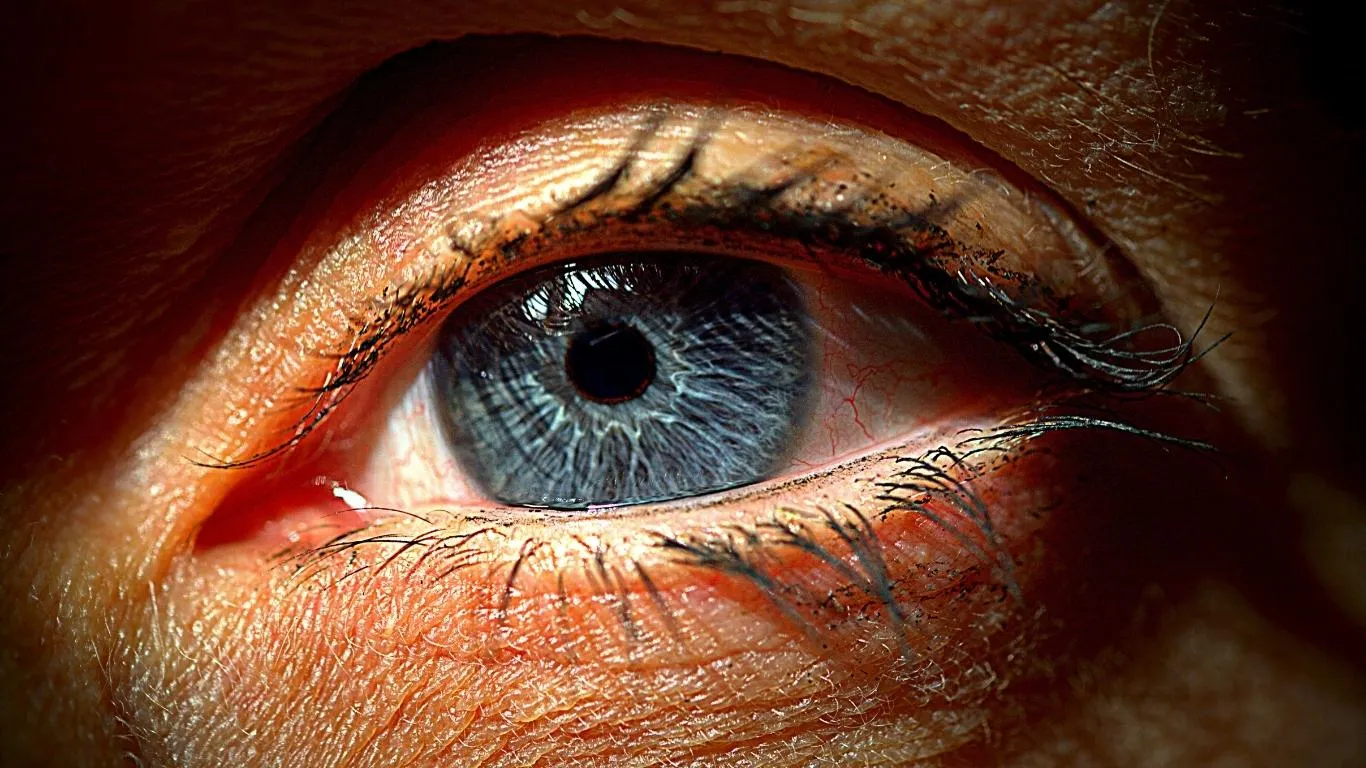
It’s worth saying again: just because you see floaters only in brightly lit rooms doesn’t mean it’s only floaters. Sometimes, what we assume is normal might be a sign of a retinal condition or another underlying issue.
This guide on differentiating floaters from other eye problems helped me realize I had to stop Googling symptoms and actually get my eyes checked once in a while.
There’s also a great general resource on the topic here: what are eye floaters and how to manage them. It’s the kind of article I wish I’d stumbled on when I first started asking, “Why do these things only pop up in the hallway?”
And if you’re wondering when things cross the line into dangerous territory, this one is gold: When are floaters dangerous?
Small Changes That Actually Helped Me
I’ll wrap up by saying that while floaters can’t always be prevented or erased, they can be managed. Here are the habits that helped me most:
- Switched to matte wall finishes instead of high-gloss paint in key rooms.
- Set ambient lighting timers to reduce harsh transitions between light and dark.
- Started tracking floaters using a daily light exposure journal—helped spot patterns.
- Regular eye checkups: Yeah, don’t skip them. Nothing beats peace of mind.
So if your floaters are showing up only in certain rooms, don’t panic—but do pay attention. Sometimes, a few smart changes are all it takes to bring them down from a distraction to a minor background quirk.

Camellia Wulansari is a dedicated Medical Assistant at a local clinic and a passionate health writer at Healthusias.com. With years of hands-on experience in patient care and a deep interest in preventive medicine, she bridges the gap between clinical knowledge and accessible health information. Camellia specializes in writing about digestive health, chronic conditions like GERD and hypertension, respiratory issues, and autoimmune diseases, aiming to empower readers with practical, easy-to-understand insights. When she’s not assisting patients or writing, you’ll find her enjoying quiet mornings with coffee and a medical journal in hand—or jamming to her favorite metal band, Lamb of God.