How To Detox Your Body From Recurring BV Naturally And Effectively
Let me tell you—if you’ve ever dealt with recurring BV (bacterial vaginosis), you know how frustrating and exhausting it can be. I’ve been there myself, feeling like I was stuck in a loop of prescriptions, temporary relief, and then boom—right back to square one. That’s when I started digging deeper, researching, and experimenting with ways to truly *detox* my body and break the cycle. Turns out, it’s not just about treatment—it’s about healing from the inside out.
Understanding What “Detoxing” Really Means for BV

Let’s clear one thing up: when we say detox from recurring BV, we’re not talking about a trendy juice cleanse. We’re talking about restoring vaginal microbiome balance, reducing inflammation, and eliminating the root causes of recurring BV from your lifestyle, diet, and habits. It’s a whole-body reset that focuses on the systems that directly affect vaginal health.
Why Detoxing Is Critical for Recurring BV
Recurring BV isn’t random. For many women, it’s linked to:
- Imbalanced vaginal pH due to lifestyle choices
- Overuse of antibiotics
- Stress and inflammation
- Gut microbiome disruption
It’s not just about bacteria—it’s about what your body’s ecosystem is doing to allow the wrong bacteria to thrive in the first place.
Clean Up Your Gut: The Hidden Link

This might surprise you: your gut is basically the command center for your body’s bacterial health, including your vagina. I didn’t believe it until I tried cutting out ultra-processed foods and added a few gut-friendly changes—and honestly, it was a game changer.
Start with These Simple Gut Detox Habits:
- Remove sugar and refined carbs—they feed bad bacteria. Yes, sugar matters.
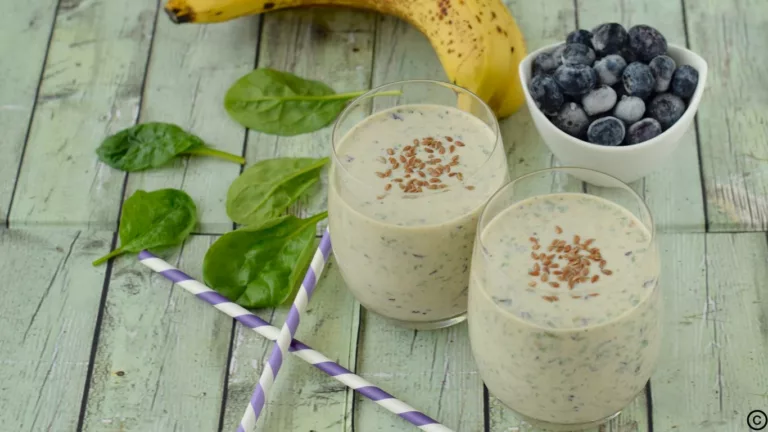
- Increase your fiber intake (veggies, oats, chia seeds) to feed good bacteria.
- Add probiotic-rich foods like kefir, kimchi, and sauerkraut to your meals.
Even a small change in diet can help rebalance both your gut and vaginal flora. Here’s a helpful guide on foods that nourish good bacteria to get you started.
Flush the Toxins: Hydration & Sweat

It sounds basic, but most of us are way more dehydrated than we think. Staying hydrated is essential to support lymphatic drainage and flush toxins from your body. I keep a bottle with me everywhere now—it’s one of those non-negotiables.
- Aim for at least 2.5 to 3 liters of water a day.
- Add lemon, cucumber, or a pinch of sea salt to enhance absorption.
- Sweat it out—whether it’s a brisk walk or sauna, sweating aids detox too.
And yes, drinking water helps keep vaginal discharge balanced too. Dehydration can thicken discharge and slow healing.
Support the Liver—Your Body’s Detox Hero

Your liver does the heavy lifting when it comes to filtering toxins, hormones, and medications—so giving it some support can make a big impact on BV recurrence.
Here’s how I do it:
- Cut down on alcohol (yes, even wine on weekends)
- Eat cruciferous veggies like broccoli and arugula—they help with estrogen metabolism
- Consider gentle herbal liver support like milk thistle or dandelion root
I personally noticed fewer flare-ups once I cut out weekend cocktails and added more greens to my meals. And the science supports it—imbalanced estrogen clearance can mess with vaginal flora too (source).
Let’s Talk About Hormones and BV

Here’s something I didn’t know for years: your hormones play a major role in vaginal health. That explains why so many women experience BV right before or after their periods. There’s even a connection between recurring BV and birth control, particularly those with high estrogen doses.
- Track your cycle and note when symptoms appear.
- If symptoms spike around your period, read more on BV and menstruation.
- Support hormone balance naturally with sleep, stress management, and anti-inflammatory foods.
And yes, stress absolutely counts—high cortisol can throw everything off, including your vaginal flora. Here’s a closer look at how stress may be triggering your BV.
Rebuild from the Inside: Probiotics & Supplements

When I started taking the right probiotics (specifically ones with Lactobacillus rhamnosus and reuteri), I finally felt like my body was turning a corner. Supplements aren’t a magic fix, but when used right, they support everything else you’re doing to detox and heal.
My go-to essentials:
- Vaginal probiotic with Lactobacillus strains
- Zinc and Vitamin D3—both support immunity and tissue repair
- Magnesium—for hormone support and stress balance
If you’re wondering how probiotics actually work for BV, check out this detailed breakdown.
Want a broader look at natural approaches? Here’s a helpful guide on natural BV remedies that expand on this.
For deeper understanding of the causes and prevention strategies that actually work, I recommend reading this pillar article on recurring BV and the main overview on bacterial vaginosis to connect all the dots.
Daily Habits That Quietly Sabotage Your Vaginal Health
Here’s the thing: sometimes it’s not just what you’re adding to your detox routine—it’s what you’re still doing that’s keeping your BV stuck on repeat. I found out the hard way that even well-meaning habits like using certain soaps or wearing the wrong underwear can sabotage your progress.
Small changes, big impact:
- Switch to fragrance-free, pH-balanced feminine washes (or better yet—just warm water).
- Choose breathable, cotton underwear and avoid tight leggings 24/7.
- Say goodbye to daily panty liners—they trap moisture and mess with your pH.
There’s a great breakdown on how underwear choices affect BV that opened my eyes to how subtle daily habits add up over time. If you’re still using douches—please stop. It’s one of the biggest myths. Here’s why douching does more harm than good.
Sexual Health and BV Detox: What You Need to Know

Alright, let’s talk about sex—because it absolutely plays a role in recurring BV. It’s not always easy to bring up with a partner, but trust me, if you’re serious about detoxing from BV for good, you have to consider this side of it.
Key things I wish I knew sooner:
- Condoms can actually help reduce BV recurrence for many women.
- Semen raises vaginal pH and can trigger imbalance—especially during detox.
- If you’re treating BV, your partner might need support too. Here’s what to know.
After I had an honest convo with my partner and we adjusted a few habits, my flare-ups dropped noticeably. If you’re curious about the role of sex in recurring BV, this breakdown on BV and sexual activity is super helpful.
Pregnancy, BV, and Detoxing Gently

If you’re pregnant (or planning to be), detoxing from recurring BV takes a gentler, more cautious approach. Hormonal shifts and increased sensitivity mean you need to stick to the basics—hydration, food, and stress relief—while avoiding harsh remedies or strong herbs.
Safe steps I followed:
- Focused on whole foods, hydration, and rest
- Used only pregnancy-approved probiotics (always check with your OB)
- Avoided essential oils and strong herbs unless advised by a professional
Recurring BV during pregnancy isn’t just uncomfortable—it can increase certain risks. There’s a helpful guide on how to manage BV safely during pregnancy if that’s where you’re at in your journey.
Home Remedies: Do They Really Work?

I’ll be honest—I’ve tried pretty much every home remedy I read about online. Some helped, some didn’t, and a few made things worse. The key is to focus on what’s been researched and avoid anything overly harsh or drying.
Here’s what actually helped me:
- Tea tree oil suppositories (only in moderation and always diluted)
- Plain yogurt inserted vaginally—helped rebalance my flora quickly
- Coconut oil—used externally to soothe irritation
I avoided apple cider vinegar internally (it was too harsh for me), but many find it helpful as a sitz bath. Do your homework, and trust your body’s signals. For a more complete natural toolkit, explore this BV remedies page.
Dealing with BV After Antibiotics

If you’ve ever taken antibiotics for BV, felt better, and then relapsed two weeks later—you’re not alone. That was my cycle for almost a year. The problem? Antibiotics clear the infection, but they don’t rebuild the good bacteria.
Post-antibiotic tips that helped me stay BV-free:
- Start probiotics immediately after the antibiotic course ends
- Rebuild with a BV-friendly diet for at least 2-3 weeks
- Be super gentle with your hygiene routine during that time
If you’re dealing with this now, check out this insight on BV relapse post-antibiotics and how to prevent it from becoming a cycle.
Does Detox Actually Work for Recurring BV?
In my experience—absolutely, yes. But detox isn’t a one-time thing. It’s an ongoing relationship with your body, your habits, and your healing. What worked for me was a combination of real food, smart supplements, less stress, better sleep, and way more awareness about what I put in and on my body.
And I know I’m not the only one—hundreds of women in online communities report the same. Detoxing for BV isn’t hype—it’s healing, from the inside out.
Take the Next Step Toward BV Freedom

If you’re serious about reclaiming your vaginal health, it’s time to stop thinking of BV as just a “nuisance” and start addressing the root cause. From gut health to hormones, everyday habits to sex, the body gives us all the signals—we just have to listen.
For a full strategy that dives into triggers and prevention, explore this in-depth BV recurrence guide. And to understand how it all fits into the big picture, here’s the full bacterial vaginosis overview that breaks it all down in simple terms.

Dr. Gwenna Aazee is a board-certified Internal Medicine Physician with a special focus on hypertension management, chronic disease prevention, and patient education. With years of experience in both clinical practice and medical writing, she’s passionate about turning evidence-based medicine into accessible, actionable advice. Through her work at Healthusias.com, Dr. Aazee empowers readers to take charge of their health with confidence and clarity. Off the clock, she enjoys deep dives into nutrition research, long walks with her rescue pup, and simplifying medical jargon one article at a time.