Best Exercises for Scoliosis-Related Back Fatigue Relief
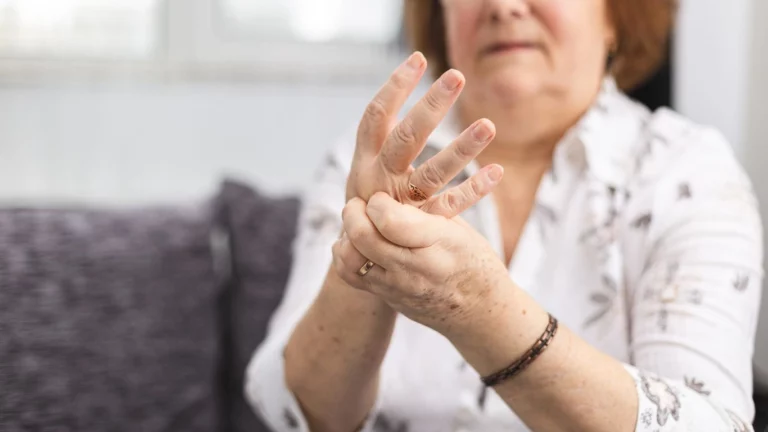
Back fatigue from scoliosis isn’t just tiring—it can creep into your everyday life and chip away at your energy and mood. As someone who has watched a close family member go through the frustrating cycles of flare-ups and stiffness, I can tell you this: stretching and movement made all the difference. Not a miracle cure, but a subtle, consistent form of relief. The key? Knowing what your body needs—and not treating it like a standard back pain issue.
Why Scoliosis Triggers Back Fatigue in the First Place

Scoliosis is often associated with curvature, sure—but it’s not just about the way your spine looks on an X-ray. That curvature affects how muscles on either side of the spine perform. Think about it: one side overworks, compensating for the other. The result? Constant low-grade tension, postural imbalances, and deep muscular fatigue that builds throughout the day.
This kind of fatigue is rarely addressed properly. A lot of people with scoliosis are told to just “rest more” or “take it easy.” But it’s not about doing less. It’s about doing things right. That’s where targeted exercises come in—not just any exercises, but movements that support the uneven structure while building stamina and reducing strain.
Start with Mobility, Not Strength

Most people rush straight into strength training when they’re trying to improve posture or reduce back fatigue. Big mistake, especially with scoliosis. Before anything else, mobility work helps loosen stiff areas so your muscles aren’t locked into asymmetry.
Try These Foundational Mobility Movements:
- Cat-Cow Stretch: Great for gently encouraging spinal flexion and extension.
- Thread-the-Needle: Opens up the thoracic spine and relieves upper back tightness.
- Wall Angels: A simple but effective drill to restore shoulder alignment, which plays a role in upper back fatigue too.
One thing I often recommend: add gentle yoga poses for back pain to your morning or evening routine. It doesn’t just wake up your muscles—it rebalances them.
Low-Impact Strength Exercises that Don’t Exhaust

Here’s the deal: when scoliosis is involved, pushing hard in the gym can backfire. I’ve seen clients burn out their lower backs by doing traditional core work that isn’t scoliosis-aware. You don’t need to go hardcore—you need to go smart.
Top Picks for Scoliosis-Friendly Strength Work:
- Bird-Dog: It looks simple, but it’s a full-core stabilizer and helps realign asymmetry through control.
- Side Plank (Modified): Great for engaging the obliques and lateral stabilizers without overloading the lumbar spine.
- Glute Bridge with Pillow Squeeze: A fantastic way to turn on your glutes, which often go “offline” when scoliosis fatigue builds up.
These movements target deeper muscles that help keep you upright throughout the day. For even more detail on safe and supportive approaches, check out our guide on exercise, rehab, and ergonomics for back pain.
Balance Exercises to Reconnect Body Awareness

Scoliosis doesn’t just shift your bones—it throws off your body’s internal GPS. Your sense of balance and position in space (aka proprioception) can go completely out of whack. Balance training isn’t a bonus. It’s essential.
Simple Balance Builders:
- Single-leg stands with wall support
- Heel-to-toe walk across the floor—eyes forward, slow and steady
- Stork pose (yoga) for awareness and ankle control
I remember the first time I had someone with scoliosis do heel-to-toe walks. They looked at me like I was kidding—until they realized how much they were wobbling. But just a week or two later, that wobble turned into control. The brain starts to catch up.
Scoliosis-related fatigue also has a psychological side. The mind gets tired of compensating. Restoring that balance is a major win for both body and brain.
Breathing: The Overlooked Fix

Breathing is more than just air exchange. With scoliosis, restricted rib mobility can limit how deeply you breathe—and that shallow breath? It feeds fatigue. Breathing exercises not only support posture but also help reduce anxiety and increase core control.
Try This: 3D Diaphragmatic Breathing
Lie on your back with knees bent. Place one hand on your belly and the other on your side ribs. Inhale through your nose and try to expand your belly, ribs, and back. Exhale slowly and let your ribs fall. Repeat for 5 minutes. Trust me—it sounds too simple to work, but it resets your nervous system and brings down the whole-body tension.
If scoliosis is affecting your breathing capacity, take a look at why posture from sitting too long can mess with your spine and lungs.
Integrate Movement Throughout the Day

Don’t save exercises for just “workout time.” Integrating movement into your daily routine makes a bigger difference than going all in once a day. I always suggest:
- Standing every 30–45 minutes during desk work
- Chair twist stretches while on long calls
- Mini walking breaks after meals to reset posture
Here’s something helpful from the root of it all—check out the full section on lifestyle and natural remedies for long-term back care. You’ll find practical tweaks that actually fit a real-life schedule.
For a broader understanding of scoliosis-related causes and other fatigue sources, see our main pillar resource on back pain types and spinal anatomy. Also, our general overview article on back pain here is a solid foundation.
Stretching Routines That Actually Work for Scoliosis Fatigue

One of the most underestimated tools in the scoliosis toolkit? Stretching. I’m not talking about yanking your muscles in all directions hoping something loosens up. I mean targeted, strategic stretches—especially for the overactive muscles that tend to overcompensate for the curvature.
My Go-To Stretching Combo:
- Child’s Pose with Side Reach: Opens up the lower back and laterally stretches the overstretched side.
- Doorway Pec Stretch: Chest tightness often plays into postural fatigue—this one resets it beautifully.
- Quadratus Lumborum Release: Sitting sideways on a stability ball or foam roller and gently leaning over helps decompress tension in that deep back muscle zone.
When stretching becomes a consistent habit, you’ll feel less like your back is “fighting” itself just to keep upright. It’s also worth exploring some top scoliosis-safe stretches designed to release long-term tension without causing instability.
Sleep Positioning Hacks That Don’t Aggravate Curves
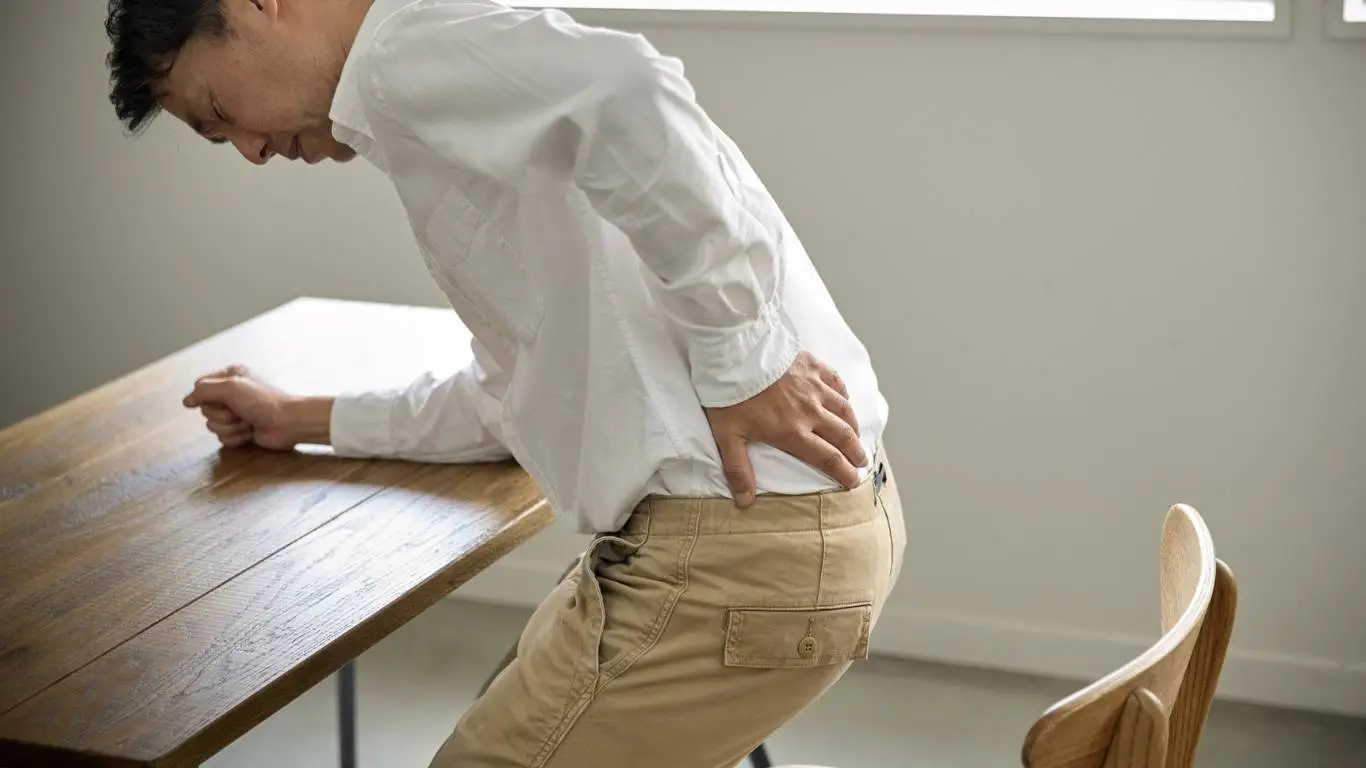
This one hits home for me—I used to wonder why my family member always woke up more tired than when they went to bed. Turns out, poor sleeping posture had been working against their recovery. The wrong position can overload already fatigued muscles and disrupt the spinal line.
What Works (and What Doesn’t):
- Side-sleeping with a pillow between knees: Keeps hips aligned and prevents spinal torque.
- Thin pillow under the waist (if needed): For scoliosis curves that dip into the mattress, adding a pillow provides contact support.
- Avoid stomach sleeping: This puts your spine in a twisted, unsupported posture all night long—bad news for fatigue.
Looking for more tips? Dive into our breakdown of the best sleeping positions for back pain—a game-changer if fatigue lingers after rest.
Recovery Days Aren’t Lazy—They’re Strategic

You don’t need to grind every single day to see improvement. In fact, I’ve seen people reverse progress by not letting their muscles reset. The goal isn’t constant training—it’s consistency paired with intentional recovery.
How to Optimize Active Recovery:
- Walking (15–30 minutes): Low-intensity and upright—perfect for resetting posture without fatigue.
- Foam rolling: Not aggressive deep tissue work, just light sweeping motions over the glutes, hamstrings, and mid-back.
- Breathwork or meditation: Helps down-regulate the nervous system and reduce stress-based tension.
It’s also smart to listen to your body after intense or new movements. Soreness isn’t always bad, but extreme fatigue could signal overtraining. You’ll find more strategies like this in our guide to conservative back pain treatments that focus on longevity, not short bursts.
Fueling for Better Muscle Endurance

You can do all the right exercises, but if your body’s under-fueled or inflamed? Progress hits a wall. I saw this first-hand with a client who was doing everything right physically—but skipping breakfast and eating highly processed meals. Once we shifted to anti-inflammatory foods and consistent hydration, her fatigue reduced within weeks.
Back-Friendly Nutrition Tips:
- Omega-3s: Salmon, flaxseeds, or quality supplements can help lower muscle inflammation.
- Magnesium-rich foods: Think spinach, almonds, and black beans—great for muscle function and recovery.
- Hydration: Fatigued muscles are often dehydrated. Simple fix: aim for 2.5–3 liters per day, more if you sweat.
If you’re interested in dialing in your plate for pain relief, check out our full piece on the anti-inflammatory diet for back pain. It’s surprisingly doable.
Common Mistakes That Make Fatigue Worse

Even with the best intentions, there are a few traps I’ve seen almost everyone fall into at some point. Recognizing them early saves a lot of frustration.
Watch Out for These:
- Over-focusing on one side: It’s tempting to only strengthen the “weaker” side—but overcorrecting can create new imbalances.
- Neglecting the upper back: Mid-back tension often contributes to fatigue, especially with thoracic curves.
- Skipping warm-ups: A cold spine is more vulnerable to micro-strain. A five-minute warm-up is always worth it.
Also, posture awareness is a huge piece of the puzzle. Learn more in our resource on how posture contributes to chronic pain and how to reverse those daily stressors.
When to Level Up with Professional Support

If you’ve been doing the work and still feel stuck—don’t guess your way through it. There are phenomenal physical therapists and scoliosis-trained movement specialists out there who can tweak your routine for maximum efficiency.
Signs It’s Time to Seek Help:
- Fatigue persists despite regular exercise
- Pain starts replacing fatigue
- You’re unsure which movements are helping vs. hurting
Some people benefit from structured physical therapy or even specialized programs for scoliosis management. Learn more about your options in our piece on next-level back pain interventions that don’t involve full surgery.
And if you want a clearer picture of how fatigue and scoliosis evolve over time, I’d recommend revisiting our comprehensive section on back pain symptoms and diagnosis—especially for those in early or progressive stages.
Of course, our main article on back pain here connects everything in one place—from lifestyle changes to exercise paths that actually help.

Camellia Wulansari is a dedicated Medical Assistant at a local clinic and a passionate health writer at Healthusias.com. With years of hands-on experience in patient care and a deep interest in preventive medicine, she bridges the gap between clinical knowledge and accessible health information. Camellia specializes in writing about digestive health, chronic conditions like GERD and hypertension, respiratory issues, and autoimmune diseases, aiming to empower readers with practical, easy-to-understand insights. When she’s not assisting patients or writing, you’ll find her enjoying quiet mornings with coffee and a medical journal in hand—or jamming to her favorite metal band, Lamb of God.