How To Manage Migraines In Perimenopause Phase Without Losing Control
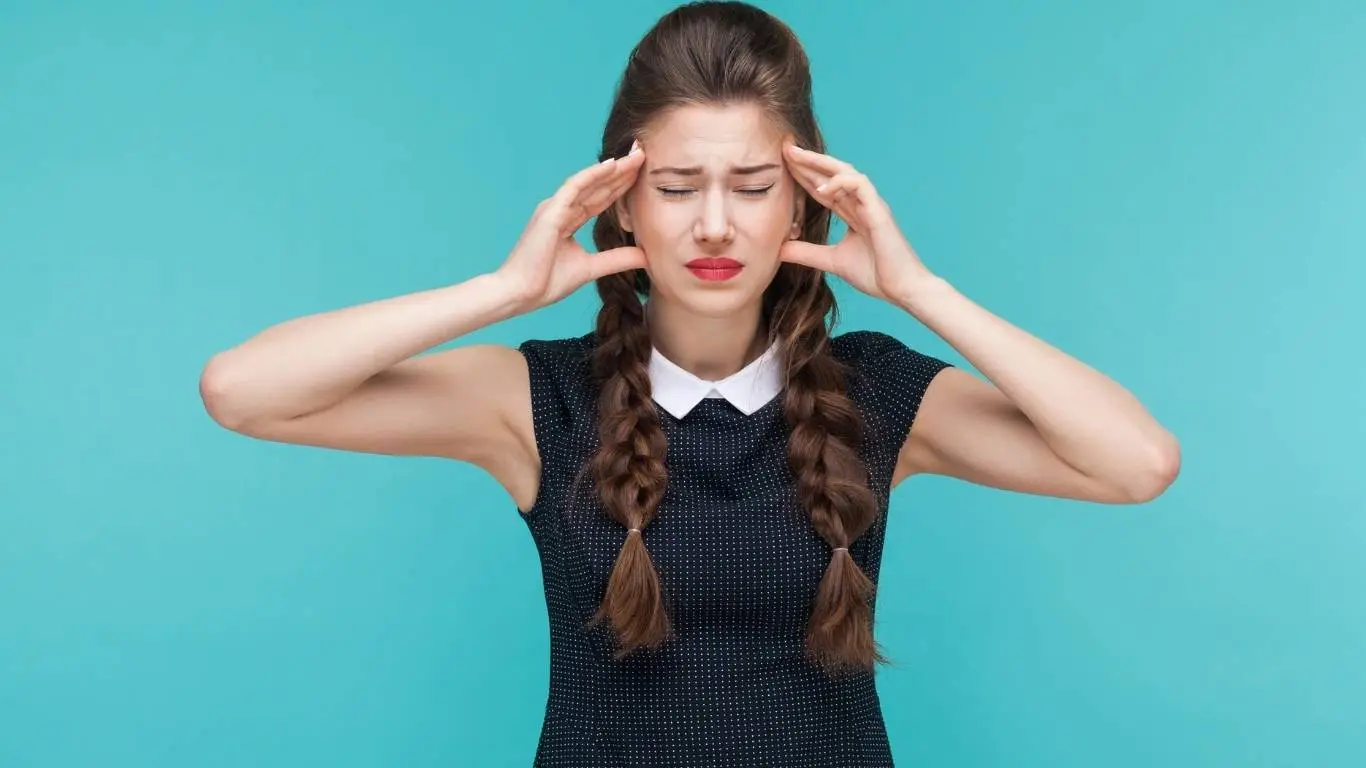
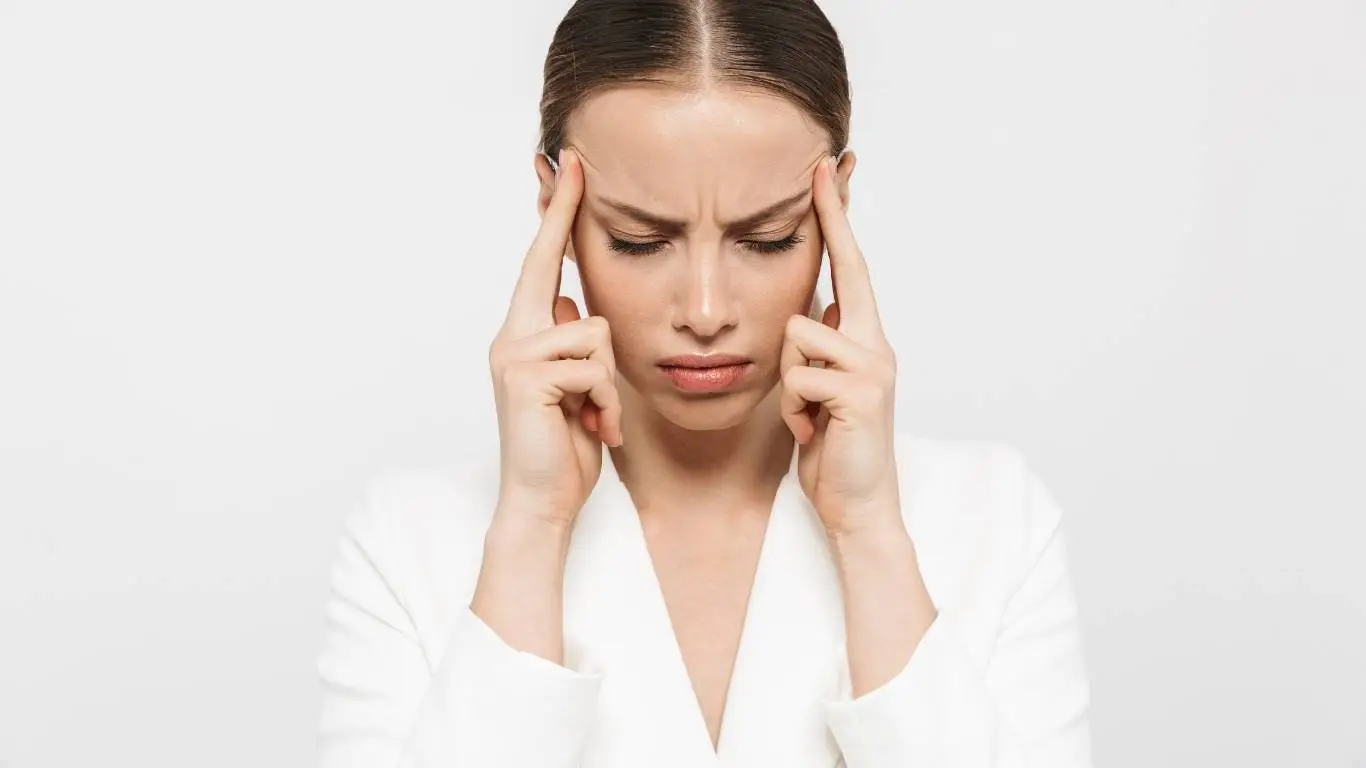
It started subtly for me — a random throbbing headache here and there in my late 30s. At first, I blamed stress, sleep, or maybe that extra glass of wine. But then they got more intense, lasted longer, and always showed up uninvited around that time of the month. Only, my cycle was doing its own unpredictable thing too. That’s when I learned the hard truth: perimenopause wasn’t just about hot flashes — migraines were part of the package too.
What’s Really Going On During Perimenopause?
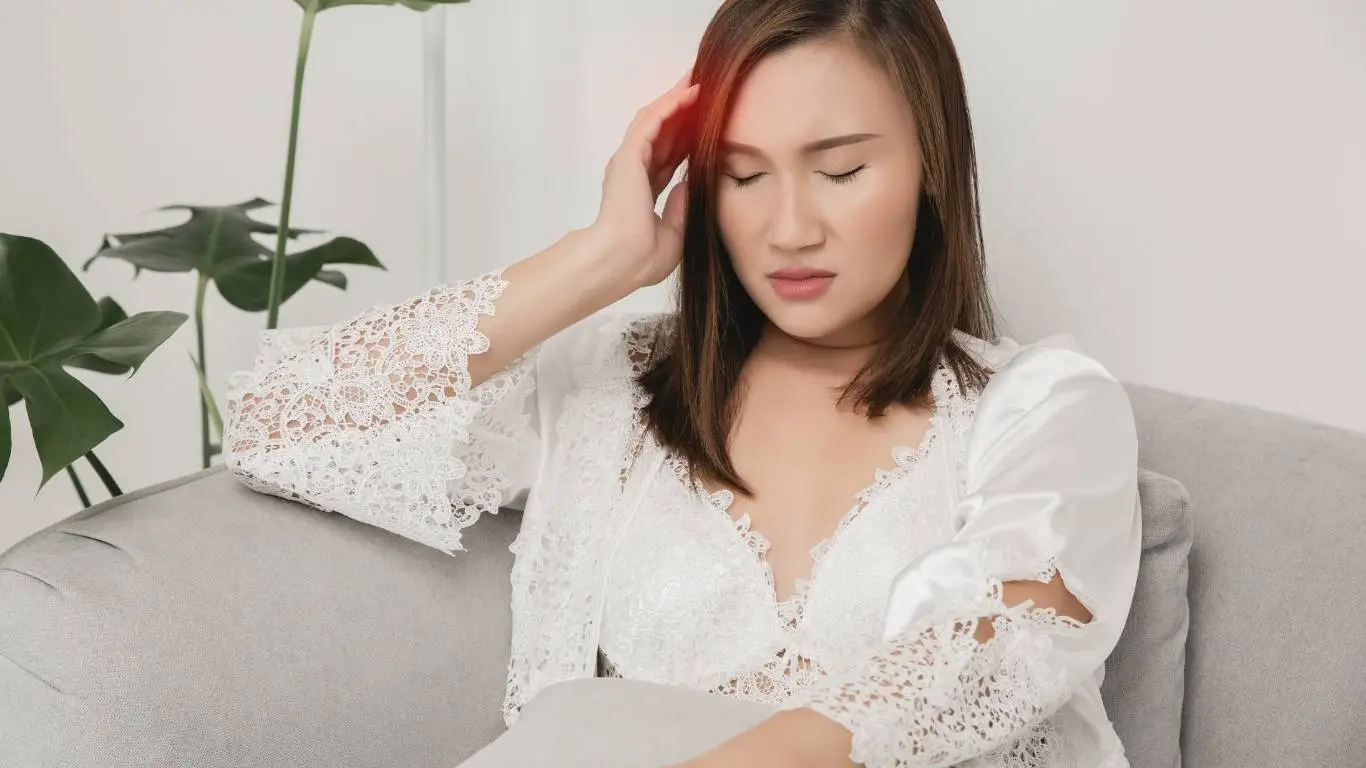
Perimenopause is that transitional stretch before menopause kicks in. Estrogen and progesterone are on a hormonal rollercoaster, and unfortunately, your brain rides every loop. This hormonal chaos doesn’t just affect your mood — it plays a starring role in triggering hormonal migraines.
Studies show that estrogen fluctuations can make the brain more sensitive to migraine triggers. When estrogen dips suddenly — boom, the throbbing begins. That’s why many of us experience migraines right before or during periods. But in perimenopause, with cycles becoming irregular, those dips become more unpredictable and more brutal.
To understand how migraines evolve during these years, this deep dive into hormonal migraine triggers breaks it down beautifully.
What Migraines in Perimenopause Feel Like

Every woman’s experience is a bit different, but there are patterns I started noticing — and hearing echoed in every conversation with friends going through the same phase:
- More frequent attacks, especially mid-cycle or around irregular periods
- Increased sensitivity to light, sound, or smells
- Waking up with migraines more often
- Migraines lasting longer or feeling harder to treat
- Neck stiffness or tension headaches alongside migraines
Sound familiar? You’re not alone. These aren’t your classic tension headaches. They’re hormonal-driven, pulsating monsters that sometimes show up with nausea, visual auras, or just a sense that something’s off hours before they begin. If that sounds like you, you’ll find this resource on migraine warning signs helpful to catch them before they explode.
Common Triggers: It’s Not Just Hormones
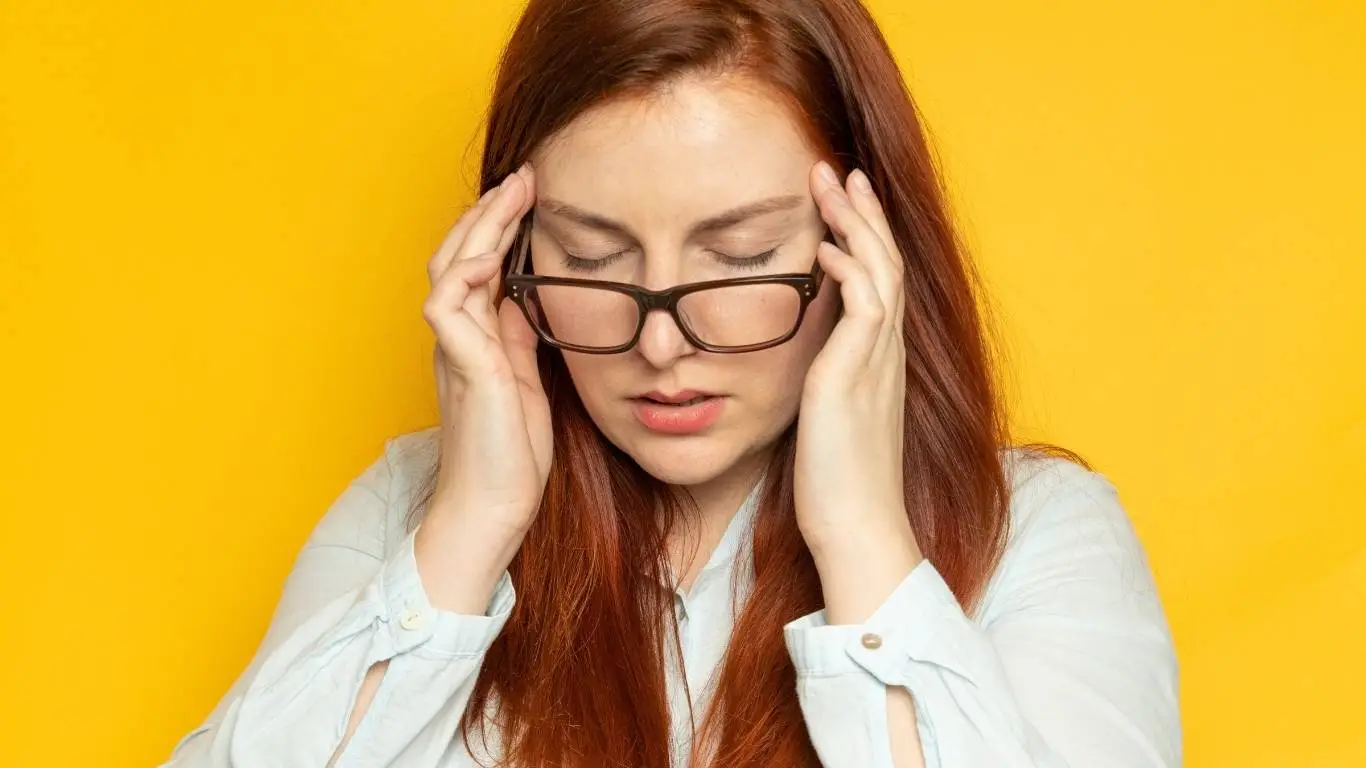
While estrogen plays a huge part, it’s not the only culprit. During perimenopause, other triggers sneak in more aggressively:
- Sleep changes: Perimenopause messes with sleep quality — and poor sleep is a classic migraine trigger.
- Stress levels: Let’s be real — navigating perimenopause plus life is stressful.
- Diet: Caffeine, aged cheese, wine (sigh), and skipping meals become more triggering than ever.
- Weather sensitivity: Barometric pressure changes suddenly become more noticeable.
- Dehydration: A surprisingly common issue during hormonal shifts.
If you’ve never tracked your migraine patterns before, now’s the time. A good starting point is the migraine diary guide that walks you through identifying your unique triggers.
How I Managed Mine Without Going Nuts
Okay, real talk. It took me months to find my rhythm. I tried it all — over-the-counter meds, black-out curtains, daily yoga, hormone balancing supplements, you name it. But what helped the most was a combo of:
- Keeping a tight sleep schedule — no screens past 10 PM, no matter what
- Adding magnesium and vitamin B2 — a tip I got from a naturopath (and later confirmed in research from ncbi.nlm.nih.gov)
- Using a cold compress on the back of my neck during attacks
- Limiting wine and sugar — hurts to say, but it made a big difference
I also started practicing mindfulness, something I never thought would help but did. According to healthline.com, combining CBT techniques with lifestyle management improves migraine resilience — especially in hormone-related cases. And it absolutely tracks with my experience.
When to Get a Doctor Involved

If migraines during perimenopause start interfering with work, parenting, or just your ability to function — don’t tough it out. You don’t have to prove anything. A neurologist or a hormone specialist can help identify if hormonal therapy, prescription meds, or advanced treatment options are right for you.
This article on how migraines are diagnosed gives a good overview of what to expect at your first consultation. And for deeper treatment strategies, the migraine treatment pillar page is a great place to explore options.
Also, don’t skip this foundational resource on understanding migraines and headaches. It’s packed with context for anyone trying to connect the dots between hormonal changes and migraine patterns.
Natural Remedies That Actually Helped

After hitting my limit with prescription meds (and the side effects that came with them), I started digging into natural remedies. I wasn’t ready to go full crunchy granola, but I figured — what do I have to lose? Turns out, some of the things I brushed off ended up making the biggest difference.
Magnesium & Vitamin B2
These were game changers. I now swear by a magnesium glycinate supplement before bed — not only did it reduce migraine frequency, but it also helped with those annoying perimenopause sleep issues. And vitamin B2? I didn’t expect much, but after a few weeks, I was getting fewer and less intense attacks.
Essential Oils
Peppermint oil dabbed on the temples during a migraine is the closest thing to natural pain relief I’ve found. Lavender helped me unwind before bed, which probably helped prevent some of the stress-related triggers. Here’s a handy breakdown of essential oils for migraines if you’re curious which ones to start with.
Acupressure & Yoga
I was skeptical. I’ll be honest. But once I started integrating yoga stretches and gentle breathing into my mornings, my migraines felt more manageable. The tension in my neck — a constant during attacks — also decreased. Acupressure mats and devices gave me surprising relief too, especially before bed. Check out the guide on yoga for migraine relief — even beginners can jump in.
Devices That Don’t Waste Your Time (or Money)

Okay, so I tried a few of those trendy migraine gadgets. Some? Gimmicks. But a couple of them? Surprisingly effective. Here’s what actually helped me during perimenopause migraines:
- Cefaly: A wearable device that uses neurostimulation — pricey, but legit.
- Cold caps: I found one on Etsy that I keep in the freezer. Instant relief during a migraine wave.
- Blue-light filter glasses: Game changer if you’re on screens all day like I am. I didn’t realize how sensitive my eyes had become until I tried them.
If you’re curious about what’s worth the investment, the top migraine relief devices article has detailed insights with pros and cons. And if you’re considering wearables, start with this Cefaly review — it helped me decide.
What Your Diet Might Be Doing Behind Your Back

Turns out, perimenopause migraines love a good trigger meal. Some days I could eat cheese and dark chocolate without a hitch, other days? Instant regret. I finally did an elimination diet with a nutritionist — eye-opening doesn’t even cover it.
Common Offenders I Cut Back On:
- Aged cheeses (sigh)
- Processed meats
- Red wine (double sigh)
- Artificial sweeteners
- Citrus fruits — shocker, I know
Hydration helped more than I ever imagined. I was drinking water, sure. But not enough. Once I upped my intake and added electrolytes? Huge difference.
This detailed look at foods that trigger migraines really helped me connect the dots. It also links to diet planning tips with real-world meals.
Support That Makes a Difference

If you feel like no one’s talking about perimenopause and migraines — you’re not imagining it. I had to dig deep to find people who got it. But once I did, it made a world of difference.
Joining a local perimenopause support group and a migraine Facebook community helped me feel less alone. I even started following a couple of amazing migraine influencers who shared raw, unfiltered stories and really practical tips. If you’re looking to connect, this list of migraine influencers to follow is a good starting point.
Should You Consider Hormone Therapy?

This is a very personal choice — and definitely not for everyone. But for some women, low-dose estrogen therapy helps stabilize those wild hormonal swings and reduce migraine frequency. It’s not a guaranteed fix, but it’s a conversation worth having with a hormone specialist.
I went the natural route personally, but I know friends who’ve had great success balancing their migraines with medical support. This overview of hormonal imbalance migraines is an excellent primer if you’re weighing the pros and cons of treatment options.
Making Peace With the Phase

Migraines in perimenopause can make you feel like your body is betraying you. I get it — I’ve lived it. But once I started tuning into the patterns, tracking my triggers, and experimenting with natural and tech solutions, I finally felt like I had control again. Not perfect, but better. And honestly, that’s all I needed.
If you’re just starting this journey, I highly recommend diving deeper into this resource on comorbid conditions related to migraines. It gives context on how things like anxiety, fatigue, and mood swings all overlap with what we go through in perimenopause.
Also, bookmark the essential guide on migraine in different populations — it’s incredibly eye-opening how perimenopause fits into the broader picture. And of course, always start with the main resource on migraines and headaches to build a strong foundation.

Bianca Nala is a compassionate Nurse Practitioner with a strong background in primary and respiratory care. As a health writer for Healthusias.com, she combines her clinical expertise with a talent for clear, relatable storytelling to help readers better understand their health. Bianca focuses on topics like asthma, COPD, chronic cough, and overall lung health, aiming to simplify complex medical topics without losing accuracy. Whether she’s treating patients or writing articles, Bianca is driven by a single goal: making quality healthcare knowledge accessible to everyone.