Why Heatwave Triggers Muscle-Related Back Soreness Faster
Last summer, during a relentless July heatwave, I remember waking up with this nagging ache in my lower back. At first, I chalked it up to sleeping wrong or maybe overdoing it at the gym. But by day three, that subtle soreness had morphed into something sharper—almost like my muscles were on strike. Turns out, I wasn’t alone. If you’ve ever noticed your back pain flare up when the weather turns scorching, you’re not imagining things. There’s a real connection between heatwaves and muscle-related back soreness, and if you’ve been dealing with it too, this is for you.
How Heatwaves Affect Your Muscles and Back

When your body is exposed to extreme heat, your muscles react in a variety of ways—many of them not pleasant. Dehydration sets in quicker, and that alone can lead to cramping, tightness, and stiffness in your back. I noticed my flexibility tanked, and my usual morning stretches became a mini battle. Heat doesn’t just zap your energy—it pulls moisture from your muscles, making them less elastic and more prone to strain.
Dehydration’s Role in Muscle Tightness
Even mild dehydration can mess with how your muscles perform. Think of your muscles like rubber bands. When hydrated, they’re flexible and responsive. But in dry conditions? They’re more brittle, and more likely to “snap” under pressure. In a heatwave, you’re sweating more than usual—even if you’re just lounging indoors with the AC on blast. Less water = less cushioning and support for your spine and surrounding muscles.
- Loss of fluid impacts spinal discs and vertebrae alignment
- Muscle fatigue increases, especially in the lower back
- Tight muscles pull on spinal structures, worsening pain
Here’s where I realized I was making it worse: I was drinking coffee like it was iced water. Caffeine’s a diuretic, and it was actually draining my hydration reserves. Oops.
Inflammation and Heat Stress
There’s a sneaky inflammation response that kicks in when the body is under thermal stress. This means blood vessels dilate, tissues swell, and inflammation-sensitive areas—like the lumbar spine or shoulder blades—start to ache. This can compound existing back issues, like chronic pain patterns or nerve sensitivity.
Muscle Recovery Slows During Heatwaves

Ever noticed how you feel sorer longer during hot spells? That’s not just age catching up with you. Your body’s recovery mechanisms take a hit in extreme heat. When your core temp is elevated, the body prioritizes cooling itself over repairing muscle fibers. And if you’re exercising in that heat? You’re adding microtears without giving them the support they need to rebuild.
Heatwave Workouts: A Risk Factor?
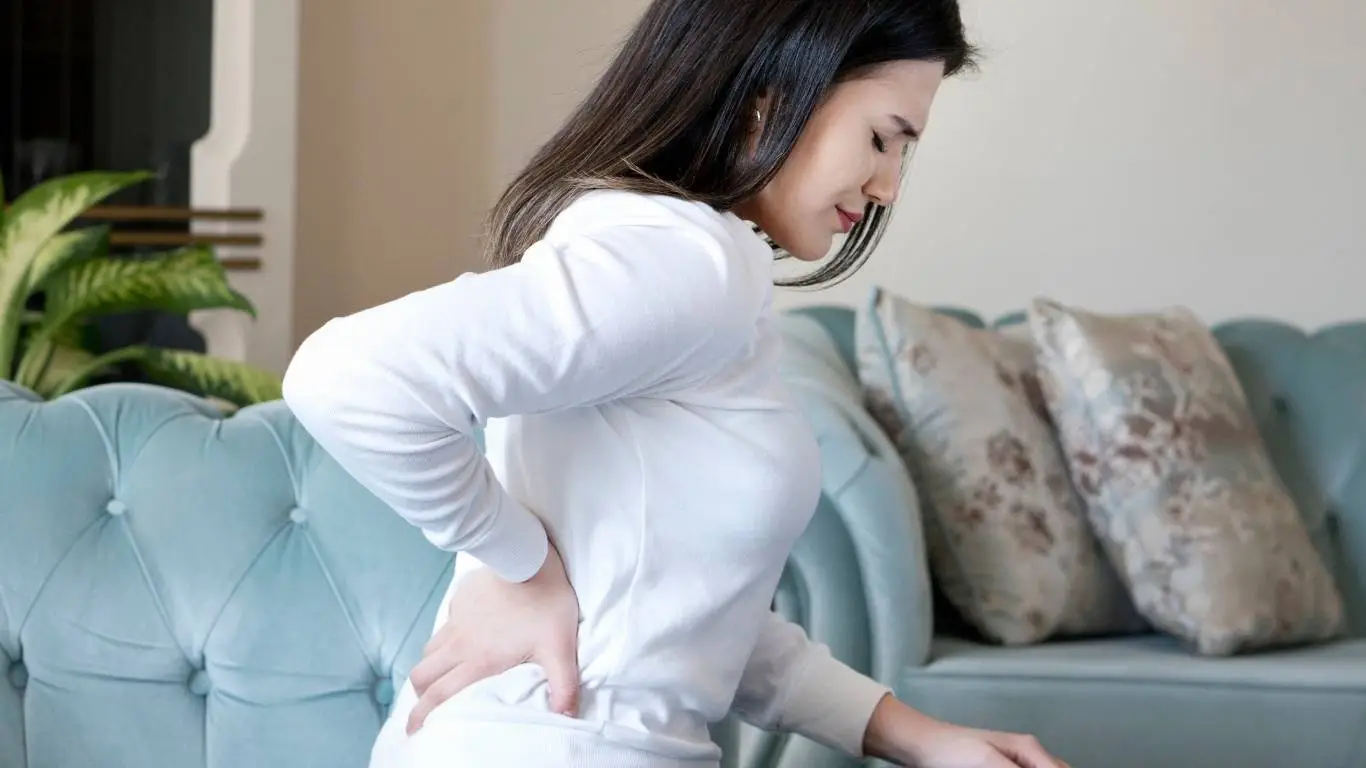
Heading out for a run or hitting the gym during a heatwave can easily lead to overexertion. The signs are subtle at first—fatigue, tight hamstrings, a dull ache across your lower back. Before you know it, you’re stuck on the couch with a heating pad and wondering what went wrong. I made the mistake of lifting during peak heat once—ended up nursing a strained QL (quadratus lumborum) for two weeks. Lesson learned.
If you’ve been ignoring that creeping soreness, check out our deeper dive on sudden sharp back pain causes. Catching it early can prevent more serious injuries.
Why You Might Feel Stiff After Sleeping in the Heat

One morning I woke up and thought I had aged 30 years overnight—my back was locked, shoulders tight, neck barely moving. Sleeping during a heatwave disrupts your natural sleep cycles, which are essential for muscle repair. Plus, poor posture while sleeping—like flopping across the bed in exhaustion or using an unsupportive pillow—can throw your alignment out of whack.
- Muscles stay tense longer due to poor overnight circulation
- Overheated environments interrupt deep, restorative sleep
- Back alignment suffers without proper pillow/mattress support
Pair that with increased tossing and turning to stay cool, and it’s no wonder you’re waking up more sore than refreshed.
If you suspect your mattress is making things worse, consider our review on the best mattresses for back pain sufferers.
Tips That Helped Me Beat the Heatwave Back Ache

Here’s what actually helped me stay sane and mobile during the worst of it. Most of it’s common sense—but when your brain’s melted from the heat, it’s easy to forget.
- Hydrate like it’s your job: I aimed for 2.5-3 liters a day with electrolytes.
- Stretch in the evening: Morning stretches made me more sore; evening sessions after cooling down helped.
- Switch to breathable support gear: Lightweight back braces or lumbar cushions made a difference during long sits.
- Focus on anti-inflammatory foods: I leaned into berries, turmeric, and fish. A clean diet made my body less reactive.
For those juggling chronic issues, check our full guide on natural remedies and lifestyle strategies for managing back pain effectively during all seasons.
When to Seek Help
If the soreness turns sharp, or you feel tingling or numbness down your legs, that’s your cue to get checked. Trust me, pushing through pain during extreme weather isn’t brave—it’s just reckless. Herniated discs and other structural issues love to piggyback off summer strain.
Want to go deeper into the broader world of back health? Head over to our main resource on what causes back pain and the different types of contributing factors. Or get a foundational understanding from our main back pain guide for everything you might’ve missed.
Cooling Down the Right Way After a Heatwave Flare-Up

After the heatwave passed, I tried to go back to my regular workouts and routines—but my back had other plans. That lingering stiffness and dull ache stuck around way longer than I expected. Turns out, cooling your body down properly after thermal stress isn’t just about air conditioning—it’s about giving your spine and muscles the rehab they deserve. Skipping this step? That’s where many people go wrong.
Cold Therapy vs. Heat Therapy: What Actually Helps?
I always assumed applying heat was the go-to solution, but when my lower back was throbbing post-heatwave, cold packs worked better. Cold therapy helped bring down the inflammation that built up after several overheated days. Later, warm compresses helped ease tightness—but not until the initial inflammation was under control.
If you’re still sore from last week’s heatwave, here’s a quick guide:
- Use ice packs in the first 24-48 hours to reduce swelling
- Switch to moist heat (like a warm towel) for deeper muscle relief
- Avoid heating pads during peak heat hours—they can worsen internal inflammation
We’ve got a full breakdown of hot vs. cold therapy to help you find what’s best for your specific symptoms.
Best Exercises to Loosen Heat-Tightened Muscles

Once I cooled down (literally and figuratively), it was time to get moving again. But high-impact workouts were off the table—my back made that very clear. I leaned into gentle mobility routines and bodyweight stretches that helped me reconnect with my core and spine without aggravating the soreness.
My Go-To Moves
- Pelvic tilts – Helped release tension in the lower spine
- Child’s pose – Great for decompressing the lumbar region
- Cat-cow stretch – Gently realigned my spine and improved mobility
- Bridge lifts – Activated glutes without stressing the back
If you’re looking for a full routine, check out these yoga poses for back pain that genuinely helped me loosen up. I also recommend easing into targeted stretches for muscle-specific relief.
How I Overhauled My Environment for Recovery

Post-heatwave, I realized my environment wasn’t helping. My old desk chair lacked lumbar support, my mattress was too soft, and I wasn’t paying attention to the temperature of my home office. I made a few key upgrades that made a world of difference:
- Swapped to an ergonomic chair with lower back support
- Added a cooling gel lumbar cushion
- Invested in a firmer mattress and adjusted my sleeping posture
- Installed blackout curtains and a tower fan to reduce room heat
All of these tweaks gave my body a fighting chance to recover—especially overnight, when my muscles finally had time to reset. For those dealing with long-term discomfort, the right environment is half the battle.
Key Supplements and Nutrition Tweaks That Helped
During that recovery window, I realized that what I was putting into my body mattered just as much. I started prioritizing hydration with electrolytes (especially magnesium and potassium), and introduced some gentle anti-inflammatory support.
Supplements That Supported My Back During Summer
- Omega-3s – Reduced muscle inflammation and kept joints lubricated
- Magnesium glycinate – Eased nighttime back cramps
- Vitamin D – Helped with muscle and bone support, especially after being indoors too much
Curious how nutrition plays a role? I pulled some tips from our guide on anti-inflammatory diets for back pain. It’s surprising how simple food swaps can ease pain naturally over time.
Staying Active Without Overheating Your Spine

After that last flare-up, I’ve become strategic with my workouts during hot spells. I aim to move in the early morning or post-sunset, and if it’s over 90°F? I pivot to indoor mobility drills or swimming. There’s no shame in taking it easy—especially when your spine is whispering (or yelling) at you to chill.
Some low-heat impact options I tried:
- Swimming routines for spinal relief
- Pilates to strengthen the core without heat overload
- Daily short walks in shaded areas
And when I couldn’t move at all? I doubled down on breathwork, meditation, and mindfulness practices to keep the tension from building mentally too.
When Back Pain from Heat Needs a Pro’s Help

If your back pain lingers weeks after the heat subsides, it might not just be heat-related anymore. I had a friend whose mild soreness turned out to be early signs of degenerative disc disease. Heatwave stress just masked the root issue.
Consider seeing a pro if you experience:
- Persistent radiating pain or numbness
- Loss of strength in your legs or arms
- Back pain that worsens despite rest and self-care
Sometimes, an MRI or diagnostic test is the only way to really understand what’s going on beneath the surface. Don’t wait until you’re forced into recovery mode. A little early insight can save months of misery.
If you’re curious how posture and daily stress play into it, visit our deeper look into rehab and ergonomic strategies for sustainable back care. Or browse our broader resource on back pain fundamentals for ongoing support and prevention tips.

Camellia Wulansari is a dedicated Medical Assistant at a local clinic and a passionate health writer at Healthusias.com. With years of hands-on experience in patient care and a deep interest in preventive medicine, she bridges the gap between clinical knowledge and accessible health information. Camellia specializes in writing about digestive health, chronic conditions like GERD and hypertension, respiratory issues, and autoimmune diseases, aiming to empower readers with practical, easy-to-understand insights. When she’s not assisting patients or writing, you’ll find her enjoying quiet mornings with coffee and a medical journal in hand—or jamming to her favorite metal band, Lamb of God.