Why Floaters Seen Only Under Warm Indoor Light May Signal Eye Strain
Ever noticed those faint, drifting specks or squiggles in your vision that seem to pop up only when you’re indoors under soft, warm lighting? You’re not imagining things. I first noticed them while lounging in my living room during a quiet evening—dim lights on, no screens, no movement—just a couple of tiny floaters dancing in and out of view. It’s oddly specific, but floaters that only appear under warm indoor light are a real visual phenomenon, and surprisingly, more common than you’d think.
What Are Floaters—and Why Warm Indoor Light Makes Them Noticeable?
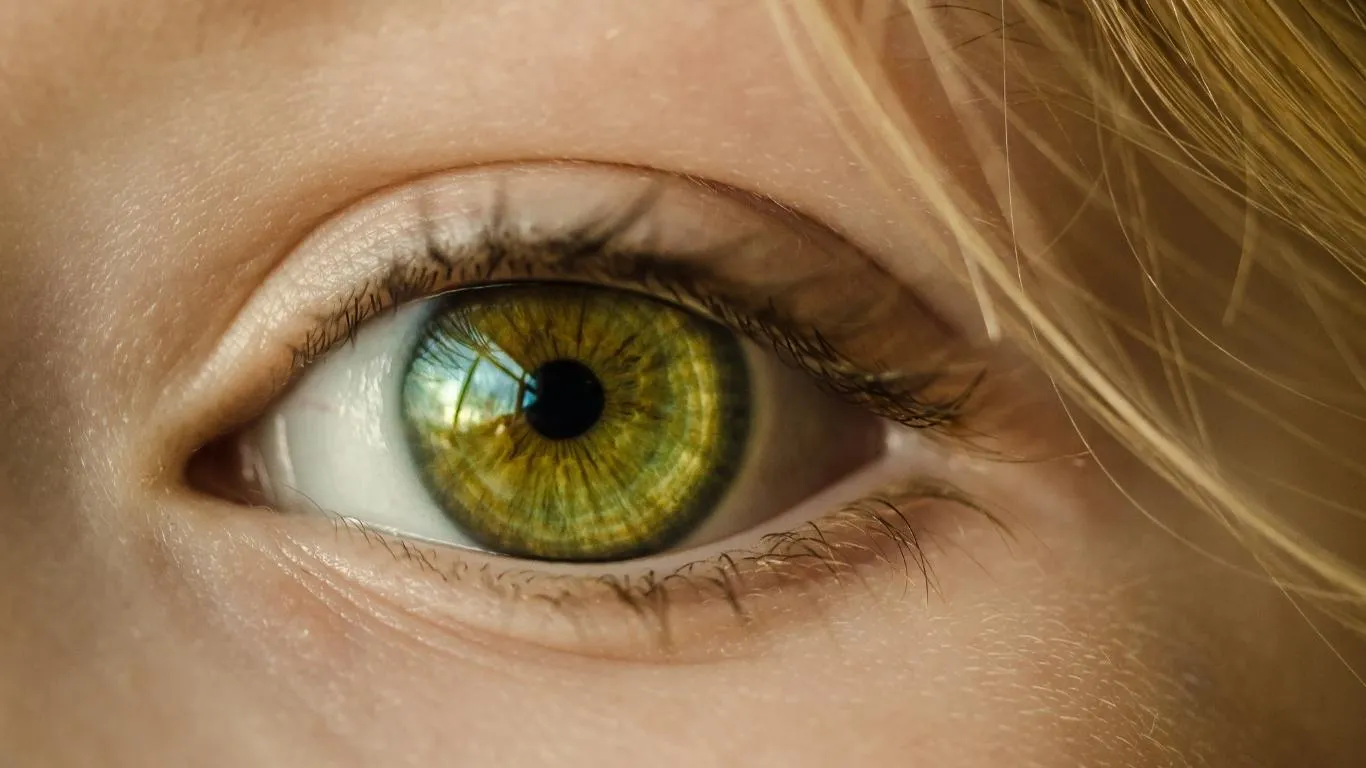
Floaters are tiny clumps or strands inside the vitreous—the jelly-like substance that fills your eye. As you age, this vitreous begins to shrink and becomes stringy. These strands cast shadows on the retina, which is what you’re seeing when floaters appear.
But here’s the odd part: many people, myself included, only see them when sitting under warm, cozy lighting. What gives?
Light Intensity and Contrast
Warm light (typically around 2700K–3000K) creates a softer, more diffused environment with less contrast. In such settings, your pupils dilate slightly, making any opacity in your vitreous more prominent. That subtle change in pupil size can actually change what becomes visible in your field of vision.
Eye Adaptation and Static Backgrounds
Another reason floaters stand out more indoors is because the background is usually uniform—like beige walls or a softly lit ceiling. Floaters are almost invisible against busy or high-contrast environments, but with a static, single-tone backdrop, they suddenly show up front and center.
Are These Floaters Different From the Usual Ones?
Not really. It’s more about perception than pathology. However, floaters seen only under warm indoor light tend to feel more annoying because they appear when you’re relaxing—during reading, watching TV, or winding down. It messes with your comfort zone.
Still, if you notice a sudden spike in these floaters or they change shape drastically, that’s worth checking. It could hint at something more serious like vitreous detachment or eye trauma, even if you don’t feel pain or discomfort.
Why You Shouldn’t Ignore the Lighting Factor
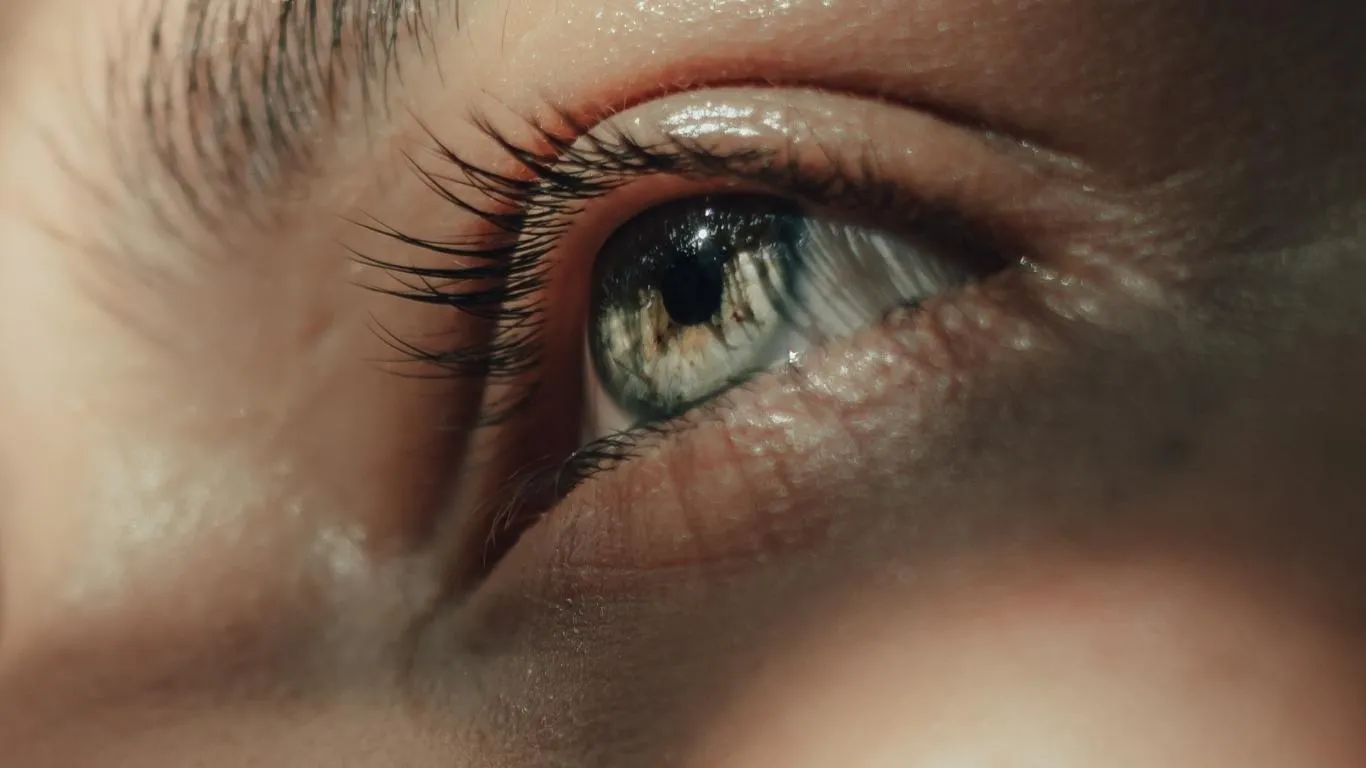
Lighting isn’t just about mood—your vision responds to it in unexpected ways. If you’re like me and spend hours working under warm LED desk lamps or soft ceiling bulbs, that same lighting could be enhancing your awareness of floaters. This becomes especially relevant in the evenings when natural light fades and your indoor setup takes over completely.
Ironically, some eye care professionals report that patients often complain of floaters more during winter. One reason? Lack of sunlight and more time indoors under artificial light creates the perfect visual conditions for floaters to reveal themselves.
Other Conditions That May Make Floaters Pop Up Indoors
- Dry Eye Syndrome: Warm indoor environments often reduce humidity, contributing to dry eyes that amplify visual disturbances.
- Visual Fatigue: Long exposure to screens followed by looking at plain walls or ceilings can intensify the perception of floaters.
- Eye Strain: Especially under lower light levels, your eyes work harder to focus, making floaters more noticeable.
Curious about how dry eye can relate? Check out this in-depth guide on dry eye and floaters.
What You Can Do About It
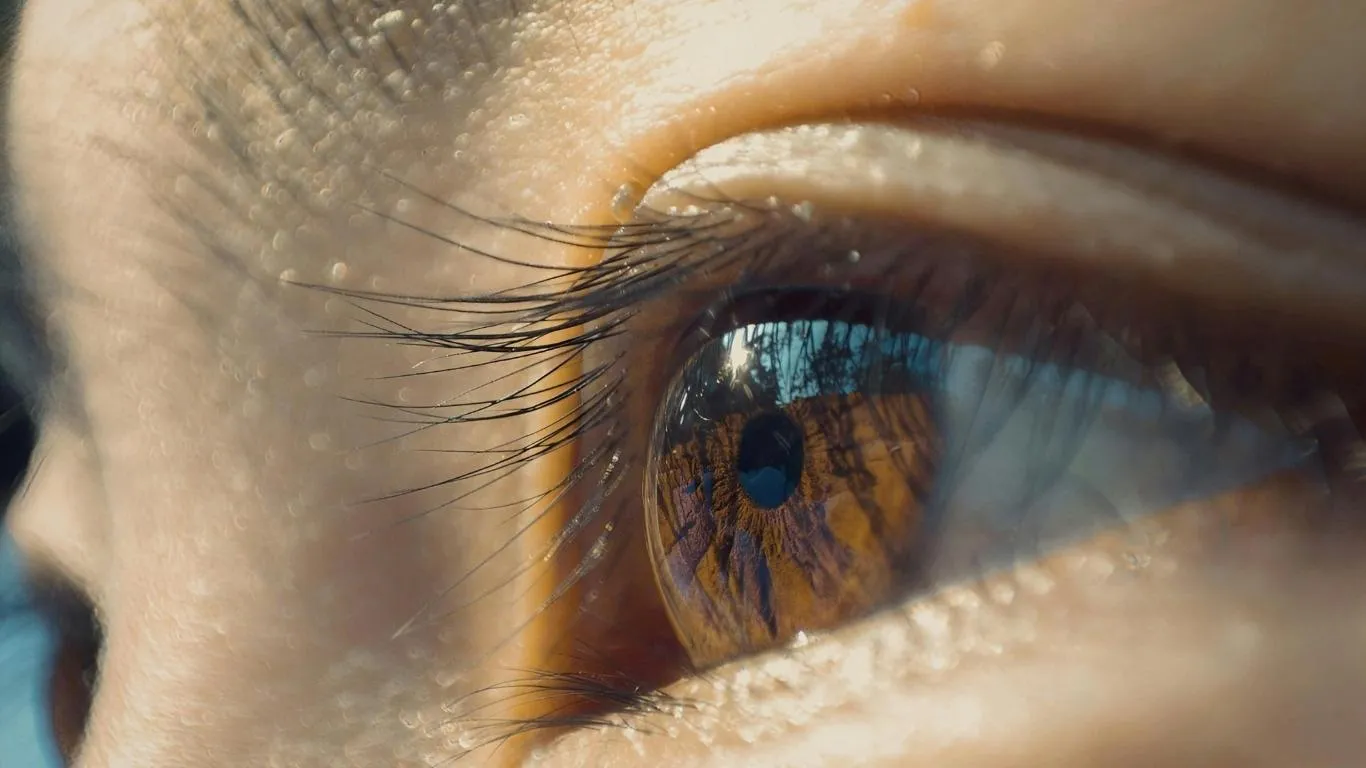
If you’re feeling haunted by floaters every time the table lamp is on, you’re not helpless. A few tweaks can actually reduce their presence or at least your awareness of them.
- Switch Up Your Lighting: Try using adjustable LEDs that let you switch between warm and cool tones. You may notice a drop in floater visibility when using cooler (5000K+) lighting.
- Use Task Lighting: Instead of flooding the room with ambient light, use focused light where needed—this reduces glare and minimizes floater contrast.
- Maintain Hydration: Yep, it matters. Dehydration can increase floater visibility, especially in dry, heated rooms.
Personally, I’ve found that adding a small desk humidifier helps more than I expected. It might not fix the floaters, but it reduces the strain and dryness that make them more irritating.
When Should You Worry?
Most floaters are harmless, but context matters. If you’re seeing flashes of light, losing peripheral vision, or experiencing a sudden curtain-like shadow, it’s not just the lighting—get an eye exam ASAP. These can be signs of retinal detachment.
In less severe but still persistent cases, it’s worth diving deeper into treatment options. The folks at Healthusias break down the full spectrum of treatments, from simply monitoring to surgical removal.
How This Connects With Broader Vision Issues
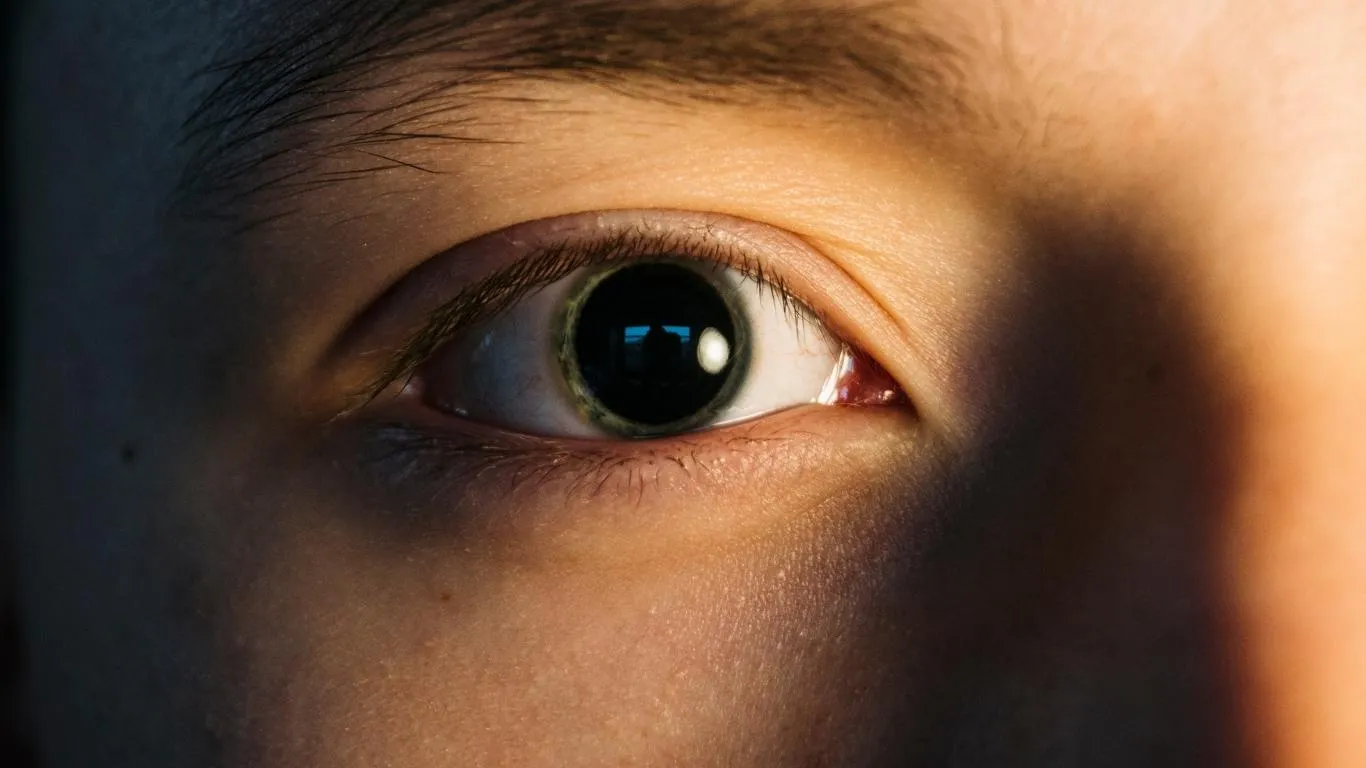
Believe it or not, floaters appearing under certain lighting conditions might be your early warning signal. They often coincide with aging-related changes in your eyes—especially vitreous degeneration that sneaks in with age.
And for a full understanding of what’s happening in your eyes and how to protect your vision long-term, I highly recommend reading this overview: What Are Eye Floaters? Causes, Symptoms, and Treatment Options.
One last tip from personal trial and error: when I’m winding down for the night, switching to a slightly cooler light setting (closer to daylight spectrum) really makes a difference. The floaters fade into the background, and my focus returns to whatever I’m doing—not what’s floating in front of me.
Could Your Eye Floaters Be Linked to Your Daily Habits?
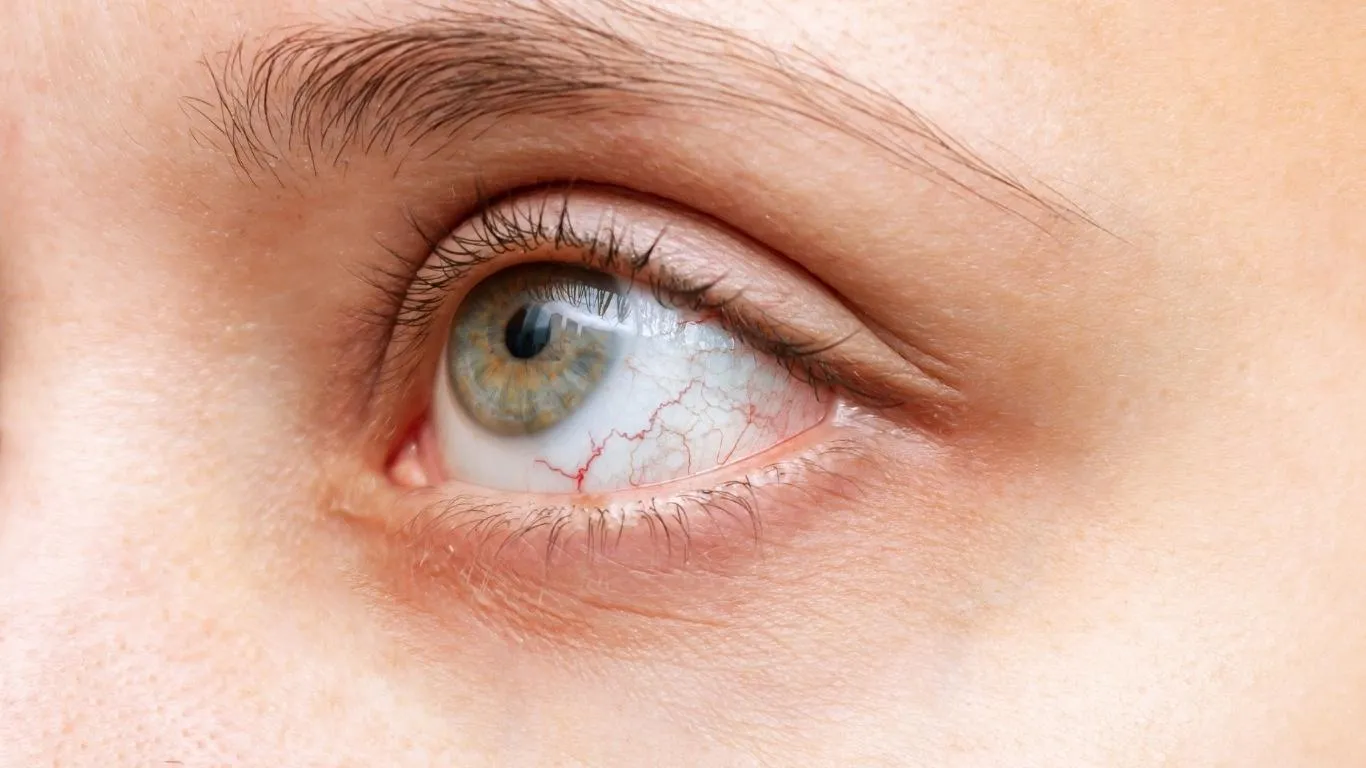
One of the things that caught me off guard when I first started noticing floaters under warm light was how consistent they were with my environment. It wasn’t just the lighting—it was the time of day, what I was doing, and even how I felt. Turns out, your lifestyle may play a larger role than you’d expect.
Too Much Indoor Time
Let’s be honest—many of us are spending more time indoors than ever before. Between remote work, evening screen time, and relaxing under warm ambient lights, our eyes are constantly exposed to low-contrast environments. It’s no surprise that screen exposure and low-light conditions go hand-in-hand with more noticeable floaters.
Warm Lighting and Hormonal Cycles
Here’s something I only discovered after keeping track of my floater “flare-ups.” For some people—especially women—there may be a link between floaters and hormonal fluctuations. Pregnancy, menstruation, and even perimenopause can all contribute to temporary shifts in how your vitreous behaves.
Combine that with a relaxing room lit by a soft, yellow-tinted bulb, and floaters can feel like they’re putting on a light show just for you.
Posture and Vision Angle
This one was unexpected: Your head position and posture can change how floaters drift in your vision. When lounging in a recliner or lying on the couch under a ceiling light, you might be looking upward—straight into that ideal floater-revealing zone.
Do Floaters Get Worse Over Time—or Just More Noticeable?
The short answer? Both. Floaters may naturally increase as you age, but in many cases, they’re simply becoming more apparent due to shifts in lighting, health, and eye fluid composition. Age-related vitreous changes often sneak up on us, especially in our 30s and 40s.
That said, it doesn’t mean you’re stuck seeing floaters forever. Some people report that their brain adapts over time, learning to “tune them out.” I’ve personally experienced this to a degree—floaters that once drove me nuts during evening reading now barely register, unless I focus on them intentionally.
But When Should You Talk to a Doctor?
There’s a difference between noticing a few harmless floaters and experiencing vision changes that indicate a deeper problem. Here are signs it’s time to book that eye exam:
- Sudden increase in floaters
- Floaters accompanied by flashes of light
- Dark curtain-like shadow across your vision
- Loss of peripheral vision
These may point to retinal tears or detachment. This article explains the key warning signs that should never be ignored.
Are There Any At-Home Remedies That Actually Work?
There’s no miracle cure for floaters (despite what some internet rabbit holes might claim), but a few strategies could help you manage them naturally—especially if they’re only an issue in specific settings.
- Diet Upgrades: A diet rich in antioxidants, lutein, and omega-3s supports eye health. I noticed mild improvement after consistently adding spinach, walnuts, and fish oil into my meals. Here’s a full list of floater-friendly foods.
- Hydration: Keeping your body (and your eyes) well-hydrated helps maintain healthy vitreous consistency.
- Eye Exercises: Gentle eye movement exercises may reduce tension and promote fluid circulation. These simple techniques can be surprisingly effective.
- Blue Light Filters: If you’re combining warm indoor light with screen use, use screen filters to reduce digital eye strain. It won’t eliminate floaters, but it lowers the triggers that make them stand out.
Floaters as a Window Into Your Eye Health
It’s easy to brush off floaters as a minor nuisance, especially when they only show up under specific lighting. But they can offer real insight into what’s going on inside your eyes. Persistent floaters could be your body’s way of flagging deeper changes—like thyroid imbalances, eye strain, or early signs of degenerative conditions.
That’s why it helps to not just monitor your floaters but also your context. When do they appear? What lighting? What activities? I started jotting down patterns, and sure enough, I noticed they got worse on days I was dehydrated or after long screen use with minimal breaks.
What About More Aggressive Treatment Options?
In rare cases, floaters become so intrusive that they interfere with daily life. If natural methods aren’t cutting it, options like YAG laser vitreolysis or vitrectomy are available—but not without risks. This breakdown of treatment options lays out everything you should consider before jumping into medical intervention.
Reframing the Way You See Floaters
If floaters only make an appearance under warm indoor lighting, you’re not alone—and you’re not broken. It’s more about how your eyes and brain interact with their environment than a sign of eye damage.
But your experience is valid. Whether you’re bothered by a speck that drifts across your view during every cozy night in or by faint shadows when you glance at the ceiling, understanding the cause gives you the power to manage it.
If you’re just getting started learning about floaters, this deep dive on what they are and why they happen is the best place to begin.
For floaters that seem triggered by specific lighting, especially indoors, I strongly recommend exploring this thorough guide on how to distinguish floaters from other eye issues.

Camellia Wulansari is a dedicated Medical Assistant at a local clinic and a passionate health writer at Healthusias.com. With years of hands-on experience in patient care and a deep interest in preventive medicine, she bridges the gap between clinical knowledge and accessible health information. Camellia specializes in writing about digestive health, chronic conditions like GERD and hypertension, respiratory issues, and autoimmune diseases, aiming to empower readers with practical, easy-to-understand insights. When she’s not assisting patients or writing, you’ll find her enjoying quiet mornings with coffee and a medical journal in hand—or jamming to her favorite metal band, Lamb of God.