
Why Cold Weather Makes Spinal Stiffness Worse for Your Back
There’s something about cold mornings that makes me feel like I aged a decade overnight. You know the feeling — you get out of bed, and your back doesn’t just protest; it locks up like it’s been holding a grudge all night. If you’ve noticed your spine feels stiffer during winter or even mildly chilly weather, you’re not imagining it. Cold weather has a very real impact on spinal stiffness, and understanding how — and why — is key to dealing with it better.
Why Cold Weather Makes Your Spine Feel Like a Rusty Hinge

As temperatures drop, so does the flexibility in our muscles and connective tissues. The spine, which depends heavily on supple muscles, ligaments, and discs to move freely, becomes less mobile in the cold.
Here’s what’s happening inside your body when you step outside into frosty air:
- Reduced blood flow to spinal muscles and joints, making tissues less elastic
- Joint fluid thickening, which decreases shock absorption and smooth motion
- Muscle contraction and guarding, especially around the lower back and shoulders
When I used to live in a place where the winters were brutal, I remember feeling like I had to “thaw out” before doing simple things like tying my shoes or even reaching for my coffee. It wasn’t just discomfort — it was stiffness that made everything feel harder.
The Science Behind Temperature-Driven Spinal Tension

Colder weather causes blood vessels to constrict, which is the body’s natural attempt to conserve heat. But this also means less blood (and therefore less oxygen and nutrients) reaching the spine’s supporting structures.
Dehydration in the Discs
Your spinal discs — those jelly-doughnut cushions between vertebrae — thrive on hydration. In cold weather, people often drink less water without realizing it, and that can make these discs lose some of their plumpness. Less hydration equals less cushioning. Less cushioning equals more stiffness and discomfort.
Cold Weather & Existing Conditions
If you’re already dealing with something like arthritis-related back pain or ankylosing spondylitis, the cold just amplifies everything. Studies from ncbi.nlm.nih.gov even suggest that ambient temperature changes can influence the severity of symptoms for chronic inflammatory back disorders.
Posture Problems: The Hidden Culprit in Winter

I’ve noticed that when it’s cold, we naturally curl inward. Shoulders hunch, necks crane forward, and backs round to protect ourselves from the chill. This protective posture might help trap heat, but it does our spine no favors.
Prolonged Sitting Indoors
Whether it’s curling up on the couch or sitting in front of a heater for hours, inactivity spikes during winter. This sedentary behavior leads to weak core muscles and stagnation in spinal movement. It’s no coincidence that people report higher pain levels in the colder months — it’s often just a lack of movement paired with cold-induced tension.
How to Fight the Freeze: Practical Tips That Actually Work
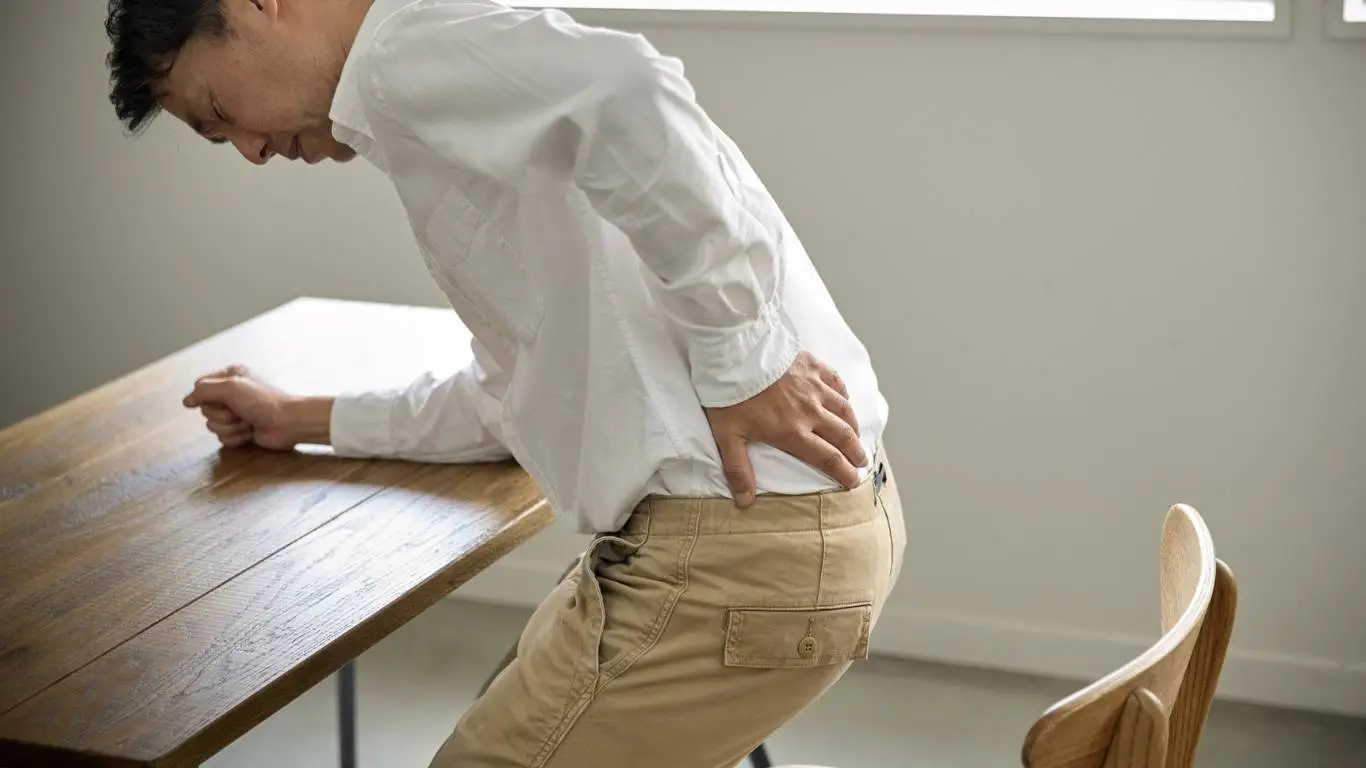
Dealing with cold-related stiffness doesn’t require a complete lifestyle overhaul — just some smart, proactive strategies.
- Warm up before getting out of bed: Try gentle stretches under the covers to get blood flowing.
- Layer up early: Keep your spine warm with thermal layers or heated wraps.
- Hydration matters: Even if you don’t feel thirsty, your spine still needs fluids.
- Daily movement: Short indoor walking routines or yoga can go a long way. Try these yoga poses for back pain on chilly mornings.
If you’re stuck indoors due to icy sidewalks or snowed-in driveways, check out our guide on apps that offer guided back exercises without needing a gym.
Spinal Stiffness or Something More?

While cold weather spinal stiffness is common, it’s important to recognize when it could be something more serious. If you’re experiencing symptoms like numbness, radiating pain, or limited mobility that lasts beyond a few hours, it’s worth looking into. These red flags in back pain diagnosis can help you identify when professional intervention is needed.
And here’s a deep dive on the most common causes of back pain if you’re not sure what might be fueling your symptoms lately. This resource helped me spot my own issue when I kept brushing off stiffness as “just winter stuff.”
Keep Your Back Health in Check This Winter

Whether you’re dealing with minor stiffness or persistent aches, prevention is easier than chasing relief. And the truth is, understanding the root causes — like weather-related changes in your spine’s behavior — makes managing them so much simpler.
For a full breakdown on how weather, movement, nutrition, and stress all play a role in your back pain experience, I highly recommend starting with the lifestyle and natural remedies guide. It’s a great foundation piece that ties everything together.
Also, if you’re looking for a complete introduction to back pain, don’t miss the main back pain pillar page. It covers the full spectrum and helps make sense of all the moving parts — especially for conditions that seem to flare up seasonally.
How Cold Weather Influences Inflammation and Nerve Sensitivity

Let’s talk about inflammation for a second. Cold weather doesn’t directly cause inflammation — but it sure doesn’t help it either. Reduced circulation in colder months can exacerbate inflammation in areas that are already irritated or compromised. And for those of us dealing with things like lumbar radiculopathy or muscular trigger points, this can feel like someone turned up the dial on your discomfort.
I’ve personally found that during winter, what used to feel like a dull ache suddenly turns into a sharper, more persistent pain. Turns out, cold can make nerves hypersensitive. That’s why conditions like sciatica or spinal nerve impingement can feel more intense when it’s chilly out.
Cold Air and the Mind-Body Connection
Here’s the thing that often gets missed — the psychological effect of winter. When the days are short, dark, and cold, stress levels rise, physical activity drops, and our bodies tense up naturally. This has a huge impact on spinal stiffness and pain perception. Research from Cleveland Clinic has shown that stress and anxiety can directly increase muscle tension and pain sensitivity.
That’s why it’s no surprise that back pain often coexists with emotional strain. And in winter? That combo just hits harder. If this sounds like your situation, this look into the mental and emotional aspects of back pain is a must-read. It helped me reframe how I manage flare-ups.
Smart, Low-Effort Winter Routines That Make a Difference

You don’t need a full fitness routine to fight cold-induced stiffness. In fact, what works best are simple, consistent habits you can actually stick to — even when it’s freezing outside.
- Morning mobility routines: Try dynamic stretches while brushing your teeth or waiting for your coffee to brew.
- Heat therapy rituals: A hot shower followed by a heated lumbar wrap can work wonders — especially before long periods of sitting.
- Movement snacks: Take 3-minute breaks to stretch or walk every hour. It breaks up the frozen feeling your spine gets from inactivity.
- Nighttime prep: Do some light yoga before bed. These back-friendly stretches are ones I swear by.
Even five minutes of intentional movement can reset your spinal mechanics — and honestly, that’s what got me through an entire winter without needing pain meds.
Best Home Tools and Products to Beat Winter Stiffness

Let’s face it — sometimes a little outside help is needed. These tools have been game-changers for me and many of our readers:
- Heated lumbar cushions: Perfect for work-from-home setups.
- Foam rollers and massage balls: Great for breaking up fascia tension along the spine.
- Infrared heating pads: These penetrate deeper than standard ones and ease stiffness fast.
- Back braces: Use them wisely — here’s when they help and when they don’t.
I personally keep a heated wrap at my desk all winter. It’s not just comfort — it actually improves circulation and keeps my lumbar spine more mobile, especially on those never-leave-the-chair days.
Addressing Spinal Stiffness by Supporting Core & Glutes

One surprising fix to winter back pain? Strengthen your glutes and core. No joke — weak hips and underactive glutes can throw your entire spinal mechanics off. I learned the hard way after dealing with weeks of stiffness that wouldn’t quit until I started incorporating bodyweight glute bridges and planks.
If you’ve never explored this area, start with this overview on how glute weakness links to lower back pain. It’s not just gym talk — it’s daily functionality.
Winter Lifestyle Habits That Influence Back Pain

From what we eat to how we sleep, winter habits change — and so does our back health. I’ve personally noticed more flare-ups when I slack off on nutrition or spend too much time slouched on the couch.
Anti-Inflammatory Diet Wins
During winter, I lean more into anti-inflammatory foods. Omega-3s, turmeric, magnesium — they do make a difference, especially when everything feels locked up. This guide to back pain and diet has helped me build a weekly meal plan that supports my spine from the inside out.
Sleep Position and Mattress Choices
Bad sleep posture is a sneaky culprit in winter stiffness — especially if your mattress gets firmer in the cold. I had to rethink mine last year. If you’re in the same boat, take a look at the mattress recommendations for back pain.
When It’s Time to See a Specialist

Here’s the honest truth: sometimes stiffness isn’t just weather — it’s your body warning you. If mobility keeps dropping or if you’re waking up stiff every day without relief after stretching or warming up, it might be time to go deeper.
One approach that helped me was diagnostic imaging. For me, an MRI revealed early disc degeneration that was being made worse by winter inactivity. Here’s why MRI for back pain can sometimes offer life-changing clarity.
Taking Control of Your Spine, Season by Season

Managing spinal stiffness in cold weather isn’t about a perfect routine — it’s about consistent, small actions that add up. For me, it’s been layering heat, staying hydrated, moving daily, and listening closely to what my body’s trying to say.
To build a more resilient spine year-round — especially when temperatures drop — check out our comprehensive hub on back pain exercises and ergonomics. It’s packed with expert-backed strategies and the kind of real-life advice that actually fits into your day.
And of course, the complete guide to back pain fundamentals is always here when you need a deeper dive into what’s going on inside your spine.

Camellia Wulansari is a dedicated Medical Assistant at a local clinic and a passionate health writer at Healthusias.com. With years of hands-on experience in patient care and a deep interest in preventive medicine, she bridges the gap between clinical knowledge and accessible health information. Camellia specializes in writing about digestive health, chronic conditions like GERD and hypertension, respiratory issues, and autoimmune diseases, aiming to empower readers with practical, easy-to-understand insights. When she’s not assisting patients or writing, you’ll find her enjoying quiet mornings with coffee and a medical journal in hand—or jamming to her favorite metal band, Lamb of God.