How to Create an Anxiety Self-Care Box That Actually Helps
If you’re anything like me, when anxiety hits, your brain turns into a chaotic buzz of thoughts, fears, and what-ifs. It’s overwhelming and often comes out of nowhere. One thing that changed my entire approach to managing those moments was building a self-care box — a physical, tangible toolkit I could turn to when my mind was spiraling. It’s surprisingly simple, and way more powerful than you’d expect. Let’s talk about how to create an anxiety self-care box that actually works.
Why an Anxiety Self-Care Box Is a Game-Changer

Anxiety isn’t just in your head — it’s in your body, your breathing, your sleep, your relationships, and even how you digest food. A self-care box gives you an anchor, something you can reach for during those difficult moments to calm your system and gently pull yourself out of the spiral. It’s not a magic fix, but it’s real, accessible, and deeply personal.
Think of it as a portable support system. And the best part? You can fill it with whatever works best for you. The key is intentionality — choosing items that ground, comfort, and help you regulate.
What to Put Inside Your Anxiety Self-Care Box

1. Sensory Soothers
Anxiety often sends your senses into overdrive. Calming them down is step one. For me, texture and smell work like a charm.
- Essential oils — Lavender or bergamot helps me slow down breathing. Just a dab on my wrist or a diffuser nearby makes a big difference. This helped me understand how smell can shift mood.
- Weighted eye mask — If I’m spiraling at night, this helps shut out the world and brings my nervous system back down.
- Textured object — Like a smooth stone or soft fabric. Simple, tactile grounding tool that’s helped during many panic attacks.
2. Distraction Tools
Sometimes, distraction is not avoidance — it’s survival. Having quick wins or lighthearted items in your box can pull your attention away from your racing thoughts.
- A small puzzle or coloring book — Engages your mind just enough without adding pressure.
- Fidget toy or stress ball — Helps release the tension, especially when your hands feel jittery.
- A quirky postcard or photo that makes you smile — My cat in a Halloween costume lives here. Works every time.
3. Personal Reassurance
One of the hardest parts about anxiety is that you forget who you are. You lose your inner voice under the noise. I like to keep a few things to remind me.
- A note from myself on a calm day: “You’ve survived this before.”
- A letter from a friend or loved one that reminds me I’m not alone.
- A printed affirmation or quote — this one’s from Maya Angelou: “Every storm runs out of rain.”
How to Customize Your Box for Your Unique Anxiety Triggers

There’s no “one-size-fits-all” when it comes to mental health — what helps me might not do much for you. The magic of a self-care box is that it evolves. You add and remove things as you learn more about your patterns and what soothes them. I didn’t even realize how my daily routine was feeding my anxiety until I started paying attention.
Step 1: Identify Your Triggers
Is it social pressure, unexpected change, overthinking at night? Match items in your box to these triggers. If noise overwhelms you, include earplugs or soothing music. If it’s physical tension, maybe add a mini foam roller or muscle balm. For insight, I found this article on overthinking and anxiety really eye-opening.
Step 2: Build for Accessibility
Don’t make your box hard to reach or overstuffed. When anxiety hits, your brain won’t want to dig through clutter. Keep it clean, clear, and within arm’s reach. I keep mine by my nightstand, with a mini version in my backpack for on-the-go moments.
Step 3: Regularly Refresh
That chocolate bar from six months ago? Yeah, not so helpful now. I do a quick refresh every season — swapping out items, cleaning it up, adding new affirmations or photos. It’s part of my self-maintenance.
Creating Your Box as a Form of Self-Compassion

When I first built my self-care box, it felt a bit silly — like arts and crafts for grown-ups. But it quickly became one of the most meaningful tools in my anxiety management kit. It’s a small but powerful way of saying, “I care about me.”
There’s something incredibly validating about taking the time to create this. You’re not just reacting to your mental health struggles — you’re actively building something to support yourself. It’s a quiet kind of power. And if you’re navigating symptoms like racing heart, tight chest, or that familiar sense of dread, you might want to explore this breakdown on anxiety symptoms you should never ignore.
For a deeper understanding of anxiety disorder types and why they’re often missed or misinterpreted, the guide on types of anxiety disorders is one of the best I’ve come across. It ties in well with this piece and adds broader context.
Also, if you haven’t yet seen this main overview on how anxiety disorders can secretly control your life, it’s worth a read — a lot of things clicked for me after going through it.
And remember — it’s not about having a perfect box. It’s about having a space that grounds you, even just a little, when things start to spin. That alone can change your day.
Creative Self-Care Box Variations That Actually Work
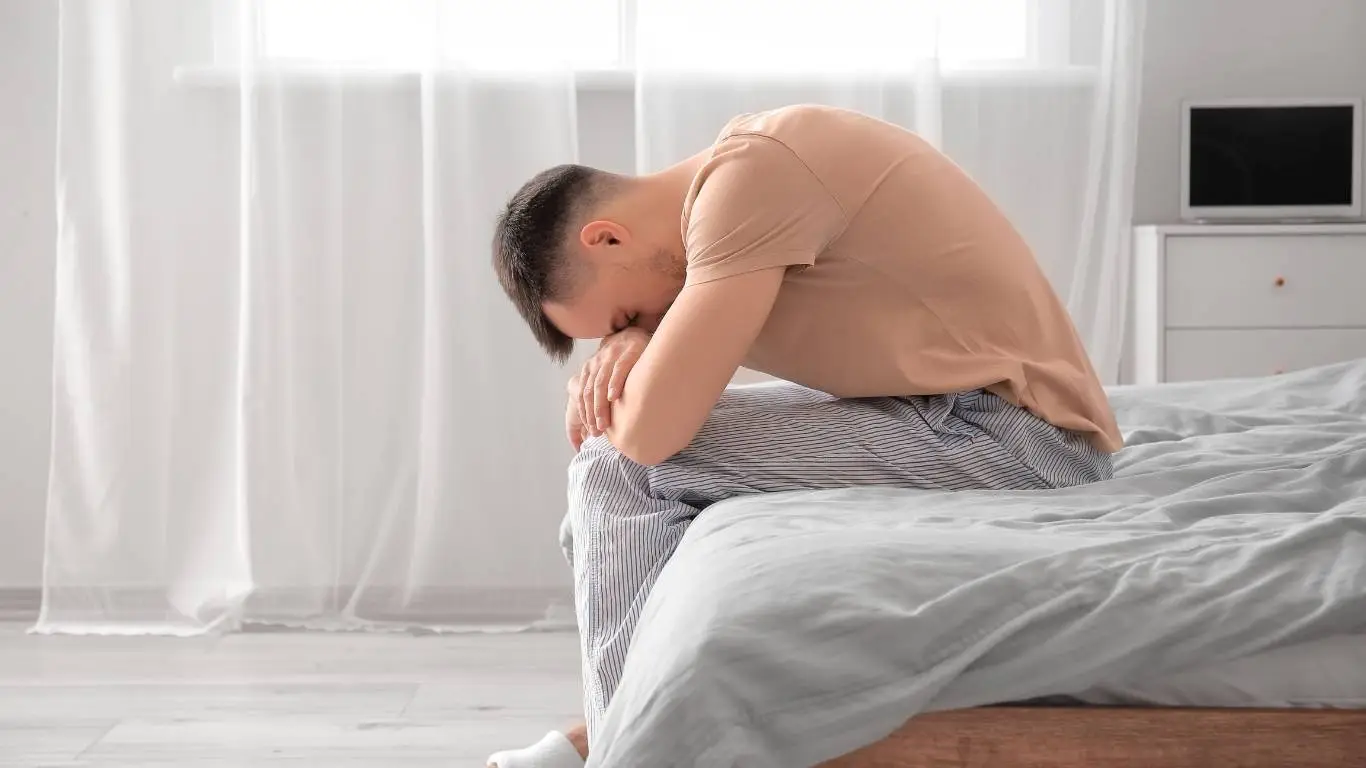
One thing I learned quickly: not every anxiety moment happens in the same setting. So why should one box fit all? I ended up creating a few variations of my self-care box — and they’ve saved me in ways I didn’t expect.
1. The “On-the-Go” Mini Kit
This lives in my bag. Whether I’m at the airport, stuck in traffic, or facing social events, it helps me manage anxiety on the fly. If you’re someone who gets hit by anxiety at the worst times, these travel tips for anxiety might resonate with you.
- Essential oil roller (I keep a tiny peppermint one)
- Gum or mints — for oral grounding and sensory shift
- Earbuds with a calming playlist already downloaded
- A small grounding object like a textured ring or crystal
2. The “Workday Reset” Box
This sits in a drawer at my desk. Let’s be honest — anxiety doesn’t care if you’re in a Zoom meeting. I built this after realizing that workplace anxiety was slowly chipping away at my productivity. This piece on anxiety in the workplace helped me recognize that I wasn’t alone.
- Stress-relief tea bags (I’m obsessed with chamomile-lemon balm blends)
- A journal to brain-dump the clutter when things feel chaotic
- Printout of calming breathing exercises
- Sticky notes with positive reframes (like “You don’t have to fix everything today.”)
3. The “Sleep Survival” Kit
This one was a game-changer. Nighttime anxiety is a beast. I created a specific box for my bedside to help manage racing thoughts, overthinking, and restlessness. If this sounds like your struggle, check out this article about how anxiety ruins sleep.
- Weighted blanket or lap pad
- Blue-light-free reading lamp and a chill novel
- Sleep blend aromatherapy mist
- Calming nighttime affirmations — printed, not just on my phone
How to Use Your Self-Care Box Effectively (Without Overthinking It)

The goal is not perfection. The goal is support. Your box isn’t something you need to “use right” — it’s there to offer options, grounding, and familiarity during stressful moments. Here’s how to make the most of it without turning it into another thing to worry about:
Know When to Reach for It
For me, I reach for it when:
- I start fidgeting or pacing without realizing it
- My chest feels tight or my stomach drops for no clear reason
- Thought spirals begin, especially before bed or after social interactions
It’s like building a reflex: instead of opening a doom-scrolling app or mentally running in circles, I now instinctively go to the box. It’s not always instant relief, but it shifts the energy just enough to help me reset.
Use It with Other Tools
While the self-care box is incredibly helpful, combining it with evidence-backed tools amplifies its impact. Practicing deep breathing, grounding exercises, or even journaling after using the box brings more clarity. I’ve personally found that integrating it with strategies like progressive muscle relaxation helped make it even more effective during high-stress moments.
Making It Part of Your Routine (Not Just Emergency-Only)

Your anxiety doesn’t have to be full-blown for the box to help. I now use mine even during calm periods — like on Sunday nights when that low-key dread starts to creep in, or when I feel disconnected after a long week. It’s become a ritual of sorts.
If you want to build anxiety prevention into your day-to-day life (which changed everything for me, by the way), here’s a great read on lifestyle and self-help tips for anxiety. It’s more than just stress management — it’s about creating supportive rhythms that help you feel safe in your own mind and body.
Little Rituals That Made a Big Difference
- “Box check-in” every Saturday — I sit with my box and ask myself, “Is there something I need to add or remove?”
- Mini grounding breaks during lunch — Just five minutes with my journal and essential oil before diving back into the chaos
- Evening tea and affirmation ritual — Using the box to wind down instead of scrolling till midnight
What Building a Self-Care Box Taught Me About Anxiety
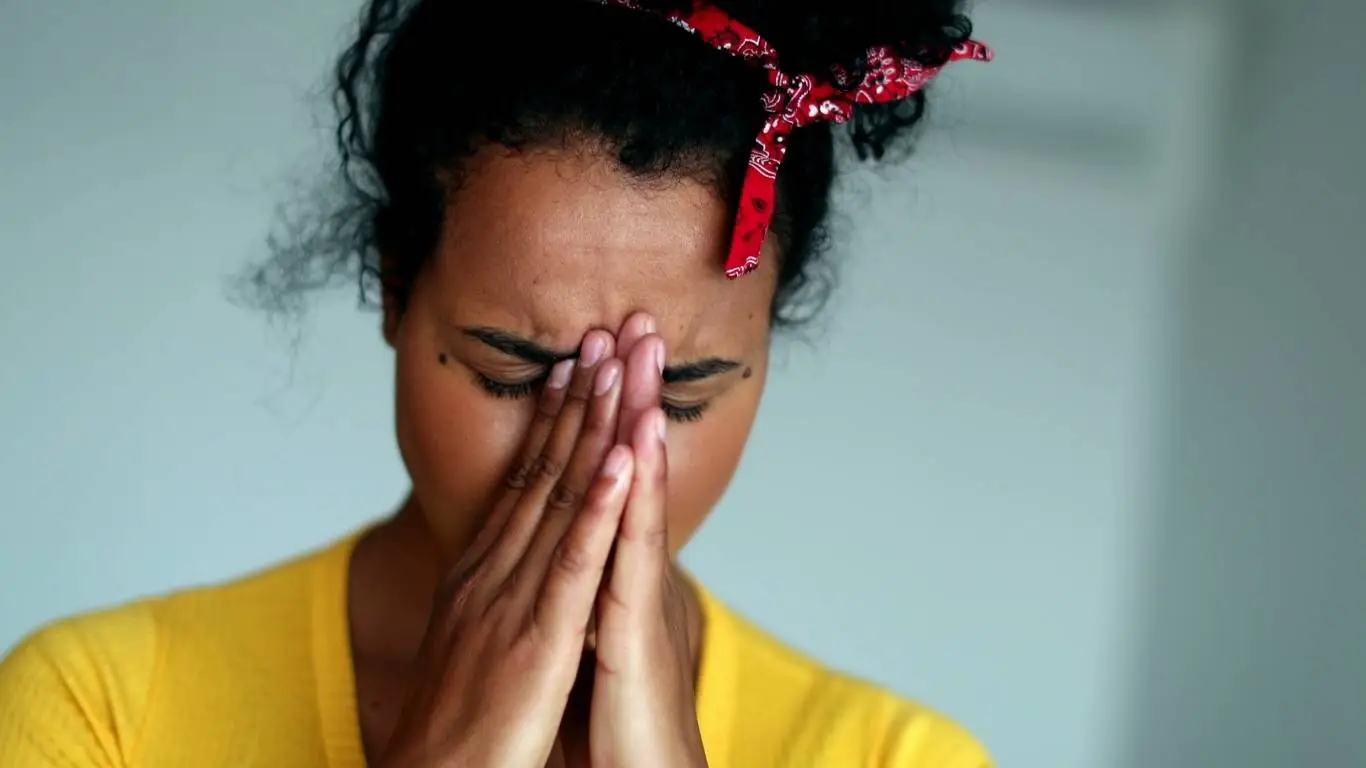
This might sound dramatic, but creating my anxiety self-care box taught me something therapy and books never quite got through: anxiety isn’t just a mental thing — it’s physical, emotional, and deeply human. It’s not weakness. It’s your body asking for help. The box gave me permission to respond with compassion, not criticism.
It also reminded me that small things matter. That grounding object? That scent that brings me back to the present? Those are not silly or minor. They’re anchors — and they’ve kept me from spiraling more times than I can count.
There’s one article that really helped me connect the dots between daily function and underlying anxiety: how anxiety disrupts your routine without you even noticing. If you haven’t seen it, it’s worth your time.
And if you’re looking for a full breakdown of how anxiety disorders get assessed (and why you might have gone undiagnosed), this deep dive on diagnosing anxiety disorders is incredibly eye-opening.
Lastly, don’t forget to visit the main resource if anxiety feels like it’s secretly running your life — it’s an honest look at just how much anxiety shapes your world, and what you can do about it.

Camellia Wulansari is a dedicated Medical Assistant at a local clinic and a passionate health writer at Healthusias.com. With years of hands-on experience in patient care and a deep interest in preventive medicine, she bridges the gap between clinical knowledge and accessible health information. Camellia specializes in writing about digestive health, chronic conditions like GERD and hypertension, respiratory issues, and autoimmune diseases, aiming to empower readers with practical, easy-to-understand insights. When she’s not assisting patients or writing, you’ll find her enjoying quiet mornings with coffee and a medical journal in hand—or jamming to her favorite metal band, Lamb of God.