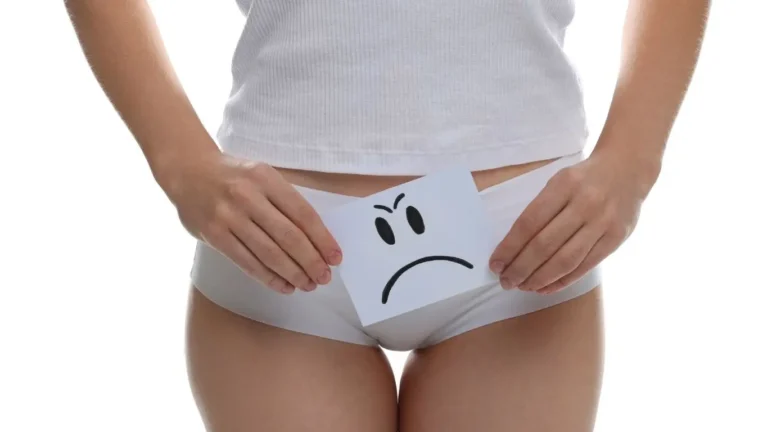
Why Perfume Triggers Migraines and How to Avoid the Pain
Ever walked into a room, caught a whiff of someone’s perfume, and instantly felt your head begin to pound? You’re not alone. Perfume-triggered migraines are a very real, very frustrating experience that many people silently deal with. I’ve had to leave social gatherings, switch offices, and even skip date nights because a strong scent knocked me flat. While most people brush it off as “just a smell,” those of us who get migraines know it can be way more intense than that.
Why Do Perfumes Trigger Migraines?

Our sense of smell is powerful. It’s tied directly to our brain’s limbic system — which controls emotion and memory. That’s why a scent can instantly make you feel nostalgic… or nauseous.
Perfumes often contain a blend of synthetic chemicals, volatile organic compounds (VOCs), and fixatives — any of which can act as a trigger. For people with scent sensitivities, these substances can cause a neurological chain reaction leading to a full-blown migraine.
According to research published by ncbi.nlm.nih.gov, over 30% of migraine sufferers report strong odors, including perfumes, as consistent triggers. What’s wild is that it’s not even always the smell itself, but the chemical reaction it kicks off in your nervous system.
Fragrance Sensitivity Isn’t “Just in Your Head”
If you’ve ever been told you’re exaggerating or being dramatic — I get it. I’ve had coworkers roll their eyes when I politely asked to switch seats during meetings. But here’s the thing: sensitivity to fragrance is a real condition known as osmophobia, and it’s closely linked to migraine disorders.
People with migraines often experience heightened sensory perception. Bright lights, loud noises, and yes, certain smells can all be overwhelming. The nervous system is basically in fight-or-flight mode, so when it detects what it sees as a “threat” — like perfume — it goes haywire.
What Ingredients Are the Worst Offenders?
If you’re like me and have stood in front of your bathroom mirror holding a bottle of perfume wondering, “What exactly in this is wrecking my brain?” — you’re not alone. Many commercial fragrances contain ingredients that can be migraine minefields:
- Linalool – a floral alcohol found in many scents and cleaning products
- Benzyl acetate – often smells pleasant, but is a known irritant
- Musk ketone – a synthetic compound that can linger and trigger symptoms
- Formaldehyde – yep, that’s sometimes used as a preservative
The worst part? Manufacturers aren’t required to list all fragrance ingredients due to trade secret laws. So even “natural” or “unscented” products can sneak in migraine triggers. One time I bought a shampoo labeled “fragrance-free” that still made me dizzy — turns out it had “masking scents” to neutralize odor. Sneaky.
What Does a Perfume-Induced Migraine Feel Like?

For me, it starts as a subtle pressure behind my eyes. Then, a wave of fatigue hits, like I didn’t sleep at all the night before. Sometimes there’s nausea, sometimes vertigo. Often I’ll feel the aura — sparkles, blurred vision, numbness in my face or hands. That’s when I know it’s game over.
Every person’s symptoms are a little different, but common reactions to fragrance triggers include:
- Throbbing, one-sided headache
- Light and sound sensitivity
- Nausea or vomiting
- Fatigue and mental fog
- Eye pressure or tearing
If this sounds familiar, you’re probably dealing with migraine with aura or another subtype that includes sensory hypersensitivity. These episodes can last for hours — or even days if not managed early.
Everyday Places That Are Scent Danger Zones
Perfume isn’t just found in those tiny bottles on your vanity. It’s everywhere. And knowing where you’re most likely to encounter overpowering smells can be a game-changer:
- Department stores – especially those with cosmetic sections
- Salons and spas – scented oils, shampoos, and sprays galore
- Public restrooms – air fresheners and hand soaps
- Public transportation – buses, trains, and planes are hotboxes for scent buildup
- Office environments – coworkers’ colognes or cleaning agents
I once had to leave a dentist appointment halfway through because the receptionist sprayed an air freshener. It sounds ridiculous, but if you’ve ever felt your brain start to buzz just from walking into a scented space, you get it.
So What Can You Actually Do About It?
Living in a world full of perfume isn’t easy when you have this trigger, but there are some things that have helped me — and might help you too:
- Go fragrance-free at home – use unscented laundry detergent, body wash, and cleaning supplies
- Use an N95 or carbon filter mask in high-risk areas (yes, it helps!)
- Talk to HR if workplace scents are an issue — many companies offer fragrance-free policies now
- Try essential oils cautiously – some people tolerate natural oils better, but they can still trigger migraines in others
- Track your symptoms with a migraine diary to identify patterns
For a deeper dive into prevention strategies that work, check out our guide on migraine prevention techniques. And if you’re still trying to understand how this fits into your overall migraine experience, the main migraine overview article breaks it all down.
How to Treat a Perfume-Triggered Migraine When It Hits

When the damage is done and your head is pounding, you’re in survival mode. I’ve had migraines hit me mid-errand, mid-flight, even mid-conversation. Here’s what I’ve found that actually helps when it’s already too late to avoid the trigger:
- Get to fresh air fast – step outside or into a neutral-smelling space
- Hydrate like it’s your job – dehydration can intensify symptoms
- Apply cold compresses – especially on the back of your neck or forehead
- Dim the lights and unplug — sensory rest is key
- Use fast-acting medications — whether it’s OTC or prescription, don’t wait
Personally, I keep a migraine emergency kit in my car, bag, and nightstand. It has a blackout eye mask, ginger chews, peppermint roll-on, my triptan meds, and noise-canceling earplugs. Having that kit handy has saved me more than once.
If you haven’t already explored options like over-the-counter migraine treatments or discussed prescription options with a neurologist, it’s worth looking into — especially if these migraines are frequent.
Long-Term Lifestyle Adjustments That Make a Difference
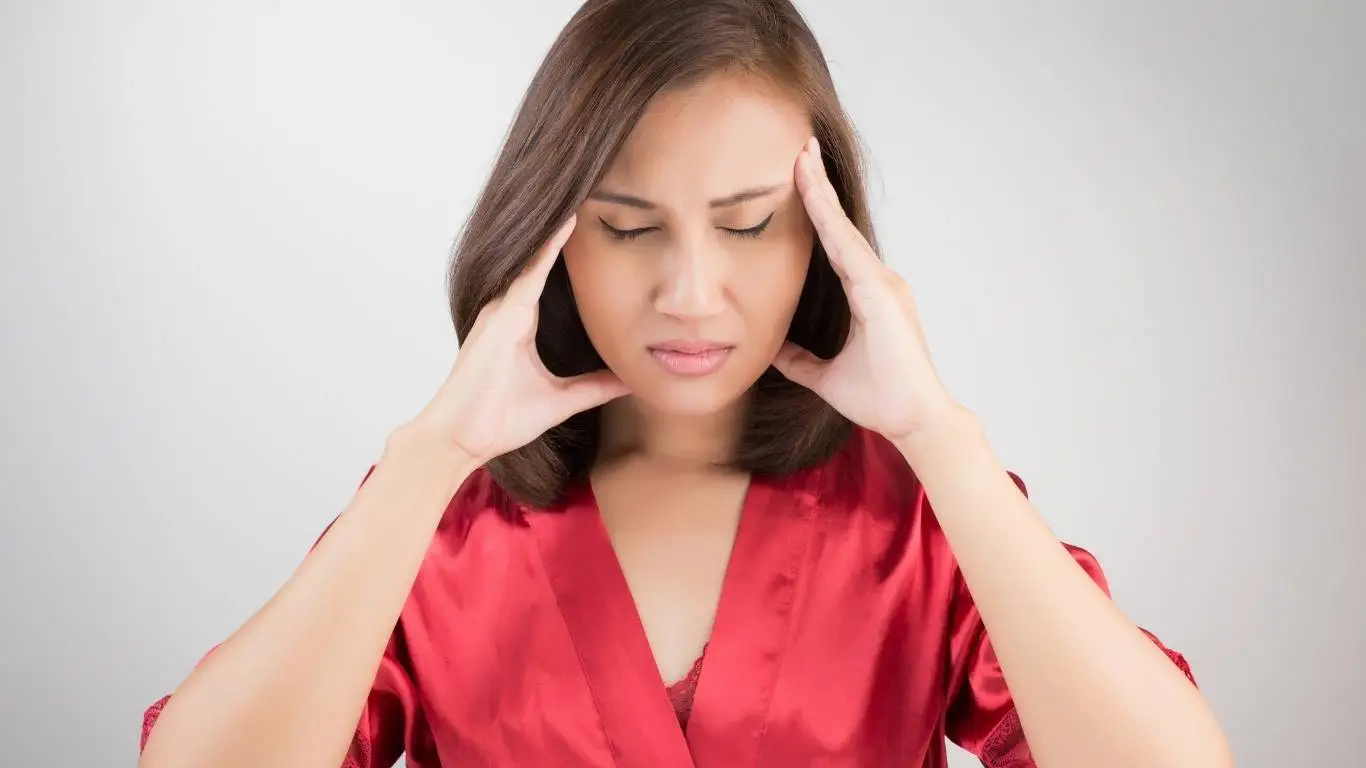
Once I accepted that perfume was a consistent trigger, I made changes to my daily life that honestly improved my quality of life overall. It’s not about living in a bubble — it’s about controlling what you can.
Clean Up Your Home Environment
Start with your immediate surroundings. Swap scented candles for beeswax or soy alternatives. Go fragrance-free with cleaning supplies — vinegar, baking soda, and lemon go a long way. Avoid plug-in air fresheners and laundry scent boosters (those crushed me).
Switch Personal Care Products
This was big for me. I switched to completely unscented deodorants, shampoos, and lotions. The “unscented” label isn’t always enough — look for “fragrance-free” and read the ingredient list. For help making swaps, this guide on healthy product swaps for migraine triggers might be a good start.
Be Mindful in Social Settings
This one’s tricky. I now ask ahead before getting into shared cars (like Uber), and I politely mention my scent sensitivity in invites or workplace chats. You don’t need to apologize for advocating for your health — though I know firsthand it can feel awkward at first.
Train Your Nervous System
This isn’t often talked about, but nervous system regulation has helped me become more resilient. Practices like deep breathing, vagus nerve stimulation, and yoga actually reduce my sensitivity to all triggers — not just perfume.
Some folks also find relief through Cognitive Behavioral Therapy (CBT) or biofeedback, which can teach your brain to respond differently to triggers over time.
Should You See a Doctor?

If you’re experiencing scent-triggered migraines regularly, it’s not something to just “deal with.” Talking to a specialist is important — not just for treatment options, but to rule out other underlying issues. Neurologists can help identify whether you’re dealing with chronic migraine, vestibular migraine, or something else entirely.
You might also want to discuss your triggers and patterns using a tracking app or journal. There are some great migraine tracking apps that make it easy to connect the dots.
And if your doctor seems dismissive about fragrance triggers? Find another one. You deserve to be taken seriously. I had to go through two before finding a practitioner who respected my experiences.
How Public Awareness Can Help Us All
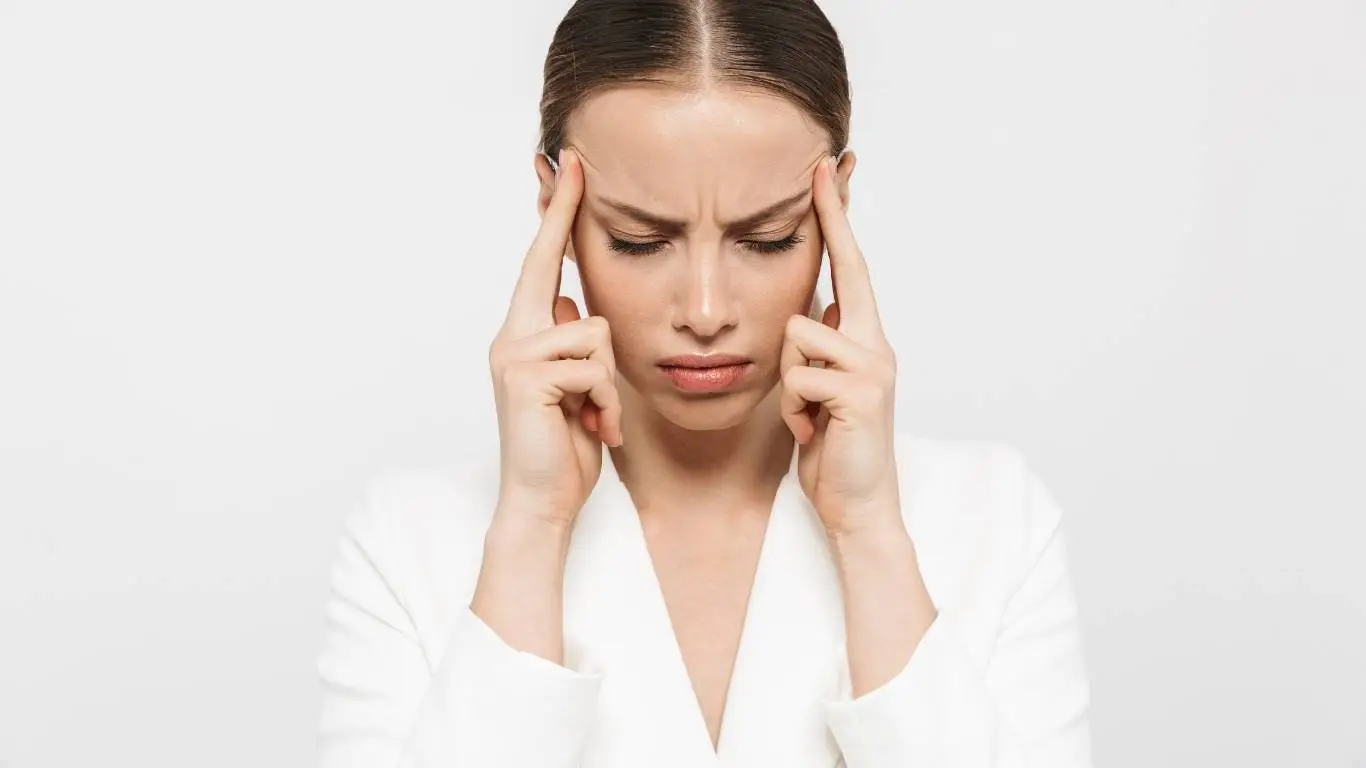
Honestly, I didn’t even realize how many people shared this struggle until I started talking about it. The more we share our experiences, the more we push for fragrance-free zones in public places — from doctor’s offices to classrooms to workplaces.
Organizations are slowly catching on. Some schools, hospitals, and offices now post No Scent signs and enforce policies out of respect for those with respiratory or neurological conditions. It’s not about being picky — it’s about public health.
If you’re looking to educate others (without sounding preachy), pointing them to trustworthy sources like mayoclinic.org or cdc.gov can make the conversation easier.
Resources for Ongoing Support

- Learn about different migraine triggers beyond scent
- Understand how sleep and lifestyle habits impact symptoms
- Explore natural ways to reduce migraine severity
- Find out if migraine relief devices like wearables could help
For anyone navigating this trigger, you’re not being overdramatic, picky, or weak — you’re advocating for your body. I’ve learned to embrace that instead of fighting it. And with the right strategies, you really can reclaim your day — even when the world smells like a perfume commercial.

Bianca Nala is a compassionate Nurse Practitioner with a strong background in primary and respiratory care. As a health writer for Healthusias.com, she combines her clinical expertise with a talent for clear, relatable storytelling to help readers better understand their health. Bianca focuses on topics like asthma, COPD, chronic cough, and overall lung health, aiming to simplify complex medical topics without losing accuracy. Whether she’s treating patients or writing articles, Bianca is driven by a single goal: making quality healthcare knowledge accessible to everyone.