How Poor Blood Oxygenation Can Worsen Eye Floaters
So, there I was one afternoon—mid Zoom call—when a strange squiggly line drifted across my vision. At first, I thought it was just a smudge on my glasses. Took them off, cleaned them. Nope. Still there. And it stayed. Days later, the floaters hadn’t faded. That was the first time I learned just how interconnected our vision is with blood flow—more specifically, with how well oxygen is delivered through our bloodstream.
How Poor Blood Oxygenation Leads to Eye Floaters
When oxygen levels in the blood drop—whether due to respiratory issues, cardiovascular problems, or even high-altitude exposure—it doesn’t just affect your energy or brain function. It impacts your eyes too, especially the vitreous humor, that gel-like substance that fills the middle of your eye. Lack of oxygen can disrupt the balance and composition of this gel, leading to clumping of proteins, which we perceive as floaters.
Floaters aren’t always random. There’s a physiological chain reaction at play. When oxygen delivery weakens, retinal tissues may become stressed or mildly hypoxic. This, over time, can trigger vascular changes or micro-hemorrhages—tiny bleeds that leave debris in the vitreous. That debris becomes the annoying floater that drifts around your line of sight.
Why This Happens More Than You Think
It’s easy to dismiss floaters as something that just “comes with age,” and sure, that’s part of it. But what shocked me was how often poor oxygenation is the sneaky culprit—especially for people with chronic conditions like sleep apnea, anemia, or cardiovascular disease.
Have you ever woken up after a poor night’s sleep and noticed floaters more than usual? There’s a reason for that. When your breathing is shallow or interrupted at night, like in sleep apnea, your body spends hours in a mild oxygen-deprived state. This doesn’t just affect your sleep quality. It can also lead to accelerated vitreous degeneration, making floaters more frequent and persistent.
Common Medical Causes Tied to Low Oxygen
- Chronic anemia – Reduces oxygen-carrying capacity of blood
- Heart disease – Slows blood flow and impairs circulation
- High altitudes or flying – Reduces ambient oxygen levels
- Respiratory disorders – Asthma, COPD, etc., lower blood oxygen saturation
Even seemingly harmless issues like dehydration or fatigue can temporarily reduce oxygen levels in the retina and cause floaters to pop up more frequently. One study from the NIH suggested a correlation between systemic oxygenation and retinal health in middle-aged adults. Another research published via ScienceDirect discussed how mild hypoxia impacts vitreous structure in early stages.
What Floaters from Poor Oxygen Feel Like (They’re Different)
One thing I learned fast: floaters from low oxygen aren’t the slow, ghost-like cobwebs some people describe. They can be more erratic, sometimes darker, and often worse when you’re tired, stressed, or haven’t eaten well. For me, they showed up after I’d skipped meals or worked long hours without breaks. Apparently, it’s not just “in your head”—your retina actually notices when oxygen drops.
Signs Your Floaters Might Be Oxygen-Linked
- They appear after exercise-induced breathlessness or fatigue
- Floaters become more prominent in the morning or after poor sleep
- You feel lightheaded or short of breath along with vision changes
- Symptoms improve after deep breathing or better hydration
If any of this sounds familiar, you might want to dig deeper—not just with your eye doctor, but maybe your primary care physician too. Because floaters, in this context, are more than a nuisance. They’re your eyes waving a red flag.
Who’s Most at Risk?
This caught me off guard: people in their 30s and 40s are increasingly reporting oxygen-related eye floaters—not just seniors. The culprits? Sedentary lifestyles, long work hours behind screens, poor diet, and low physical activity all contribute to compromised oxygen transport. Combine that with late nights, caffeine overload, and shallow breathing from stress, and it’s the perfect storm.
People with chronic conditions like autoimmune disease or those who recently recovered from respiratory infections should also pay close attention. In fact, one of the most overlooked causes of vision changes post-COVID is temporary hypoxia, which can quietly trigger vitreous changes that lead to floaters.
And if you’re pregnant? Yep, you’re not off the hook. Hormonal fluctuations and blood volume shifts can affect oxygen transport too, making floaters more noticeable during certain trimesters.
What You Can Do Right Now
First: breathe. Literally. Deep breathing exercises, especially diaphragmatic breathing, have been shown to increase oxygen saturation levels in the blood and improve retinal perfusion. I started adding 10 minutes of mindful breathing into my morning routine—and whether placebo or not, my floaters became less intense.
Second, evaluate your diet. Are you getting enough iron, B12, and folate? These all impact your blood’s ability to carry oxygen efficiently. I started adding more leafy greens, beets, and omega-3s into my meals, and honestly, it made a visible difference within weeks.
You can also explore natural management tips in this guide on natural ways to manage eye floaters—though not all are scientifically validated, some options show promise for improving overall eye health.
For a breakdown of how various eye symptoms might differ from standard floaters, this comparison article—eye floaters vs. other eye issues—offers a good overview, especially when things seem more serious than annoying.
If you’re still wondering whether what you’re seeing is just aging or something deeper, here’s the comprehensive guide from the main floaters resource: What Are Eye Floaters?
Could Your Lifestyle Be Starving Your Eyes of Oxygen?
Let’s get brutally honest here. Modern life isn’t exactly designed for optimal blood oxygenation. We sit a lot, stress a ton, sleep inconsistently, and survive on caffeine and quick carbs. I lived that lifestyle for years—and never once connected the dots between that foggy fatigue and the occasional “floaty blob” in my vision.
Turns out, oxygen delivery to the retina can drop sharply under stress or sedentary routines. Combine that with poor posture that compresses breathing and shallow chest inhales, and you’re essentially starving your eyes of what they need to maintain vitreous clarity.
One day I wore a smartwatch with an SpO2 tracker while working from home. After three hours of emails and zero movement, it dropped to 93%. That’s not critical—but it’s low enough to put subtle strain on your visual system. Your floaters aren’t always aging—they could be a quiet side effect of your desk job.
Simple Changes That Actually Help
- Move every 45 minutes – Even a walk to refill water helps restore oxygen balance
- Posture check – Sit upright to avoid compressing the diaphragm and lungs
- Switch to nose breathing – It filters air better and supports steady oxygen intake
- Prioritize REM sleep – This is when the eyes recover from daytime strain
If you want to understand how subtle vision issues can reflect deeper vascular problems, check out this piece: high blood pressure and floaters. It’s eye-opening—pun totally intended.
When Floaters Signal Something More Serious
There’s a line between nuisance and warning sign. And I crossed it without realizing. My floaters started increasing. One even looked like a ring. That’s when I booked an eye exam, expecting the usual “it’s nothing.” Instead, the ophthalmologist ordered a referral—my retina was showing early signs of hypoxia-induced thinning. No vision loss, but enough to say, “Let’s monitor this closely.”
If your floaters suddenly spike, or start looking more like black specs, spider shapes, or you notice flashes of light, it’s time to act fast. These could point to serious issues like retinal tears or hemorrhages—some triggered by unstable oxygen supply.
This overview on dangerous signs of floaters breaks down the red flags that shouldn’t be ignored. Not all floaters are equal—and it’s important to know the difference.
Consider Booking a Full Health Check, Not Just an Eye Exam
- Get your hemoglobin levels checked
- Ask for a pulse oximeter test—especially if you feel foggy or dizzy often
- Consider a sleep study if fatigue and floaters show up together often
- Discuss your cardiovascular health—don’t assume your eyes are the only concern
For deeper insight into how systemic health ties to vision changes, you might find this analysis on autoimmune floaters helpful. These connections often fly under the radar during routine eye exams.
Can You Reverse Floaters Caused by Low Oxygen?
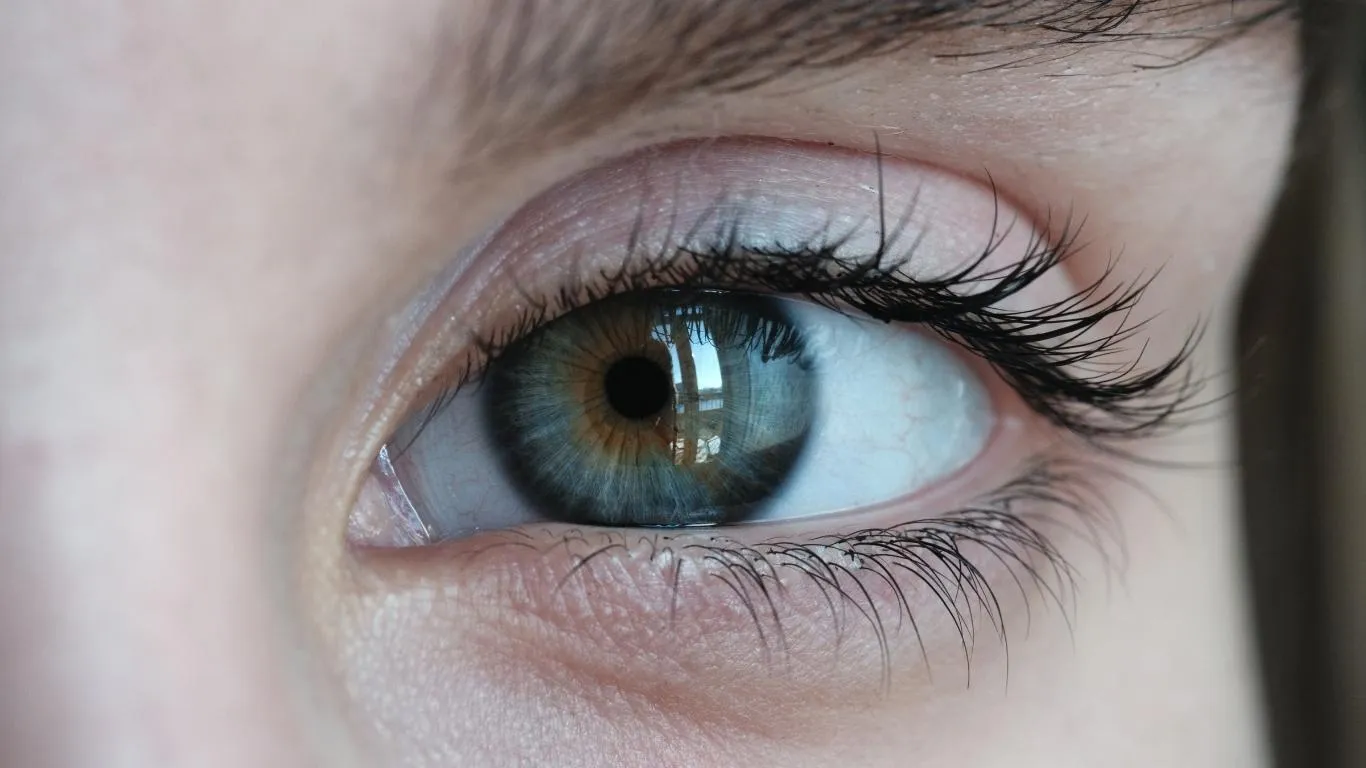
Good news? Some of them—yes. I’m not promising miracles, but when I cleaned up my lifestyle, improved hydration, walked more, and fixed my breathing habits, my floaters faded by about 60%. That hazy blob that used to dance in the center of my field? I have to really look for it now to notice.
The key is consistency. Your eyes won’t bounce back overnight, but the vitreous gel does respond to better circulation, oxygenation, and nutrients. It just takes time. Some people explore supplements too. While not all have proven results, this guide on eye floater supplements covers what might work (and what’s likely hype).
Top Nutrients That May Support Vitreous and Retinal Oxygenation
- Vitamin C & E – Antioxidants for eye tissue resilience
- Lutein & Zeaxanthin – For retinal integrity and blood flow
- Omega-3 fatty acids – Found in fish oil, helps maintain healthy eye fluids
- Iron & B-complex vitamins – Support oxygen transport in red blood cells
Of course, if your floaters are persistent or severe, always consult an ophthalmologist. In some cases, procedures like vitrectomy or laser therapy might be discussed. But those are often last-resort options when lifestyle and nutrition fail to make a dent.
What Helped Me the Most
It’s not glamorous, but the combo that worked for me was ridiculously simple:
- Daily hydration—2.5L per day minimum
- Walking post-meals—aids digestion and circulation
- Screen breaks every 40 minutes
- Early bedtime—helps oxygen levels stabilize overnight
- Breathing practice—4-7-8 technique every evening
Floaters still show up now and then—especially when I’m overworked or dehydrated. But I don’t panic. I know what they’re telling me. It’s like my eyes have become a feedback system, nudging me back toward balance.
Want to learn more about what floaters really are and how they behave? This full guide on common causes of floaters explains the science and patterns behind different types. It’s a solid next step if you’re trying to make sense of what’s drifting across your vision.
And if you’re just beginning this journey, make sure you’ve read the foundational breakdown at What Are Eye Floaters?. Trust me, knowing what’s normal—and what’s not—makes all the difference.

Camellia Wulansari is a dedicated Medical Assistant at a local clinic and a passionate health writer at Healthusias.com. With years of hands-on experience in patient care and a deep interest in preventive medicine, she bridges the gap between clinical knowledge and accessible health information. Camellia specializes in writing about digestive health, chronic conditions like GERD and hypertension, respiratory issues, and autoimmune diseases, aiming to empower readers with practical, easy-to-understand insights. When she’s not assisting patients or writing, you’ll find her enjoying quiet mornings with coffee and a medical journal in hand—or jamming to her favorite metal band, Lamb of God.