Why Floaters in People With Insomnia History Often Get Worse
Ever found yourself lying awake at 2 a.m., staring at the ceiling while tiny squiggly shapes float across your vision? You’re not alone. I used to think it was just a weird side effect of eye strain from late-night scrolling, but it turns out there’s a lot more going on—especially if you’ve got a history of insomnia like me. Floaters, those drifting shadowy specs, can feel like just another thing robbing you of rest, but what if they’re more connected to your sleepless nights than you realize?
Why Insomnia Could Be Fueling Your Eye Floaters
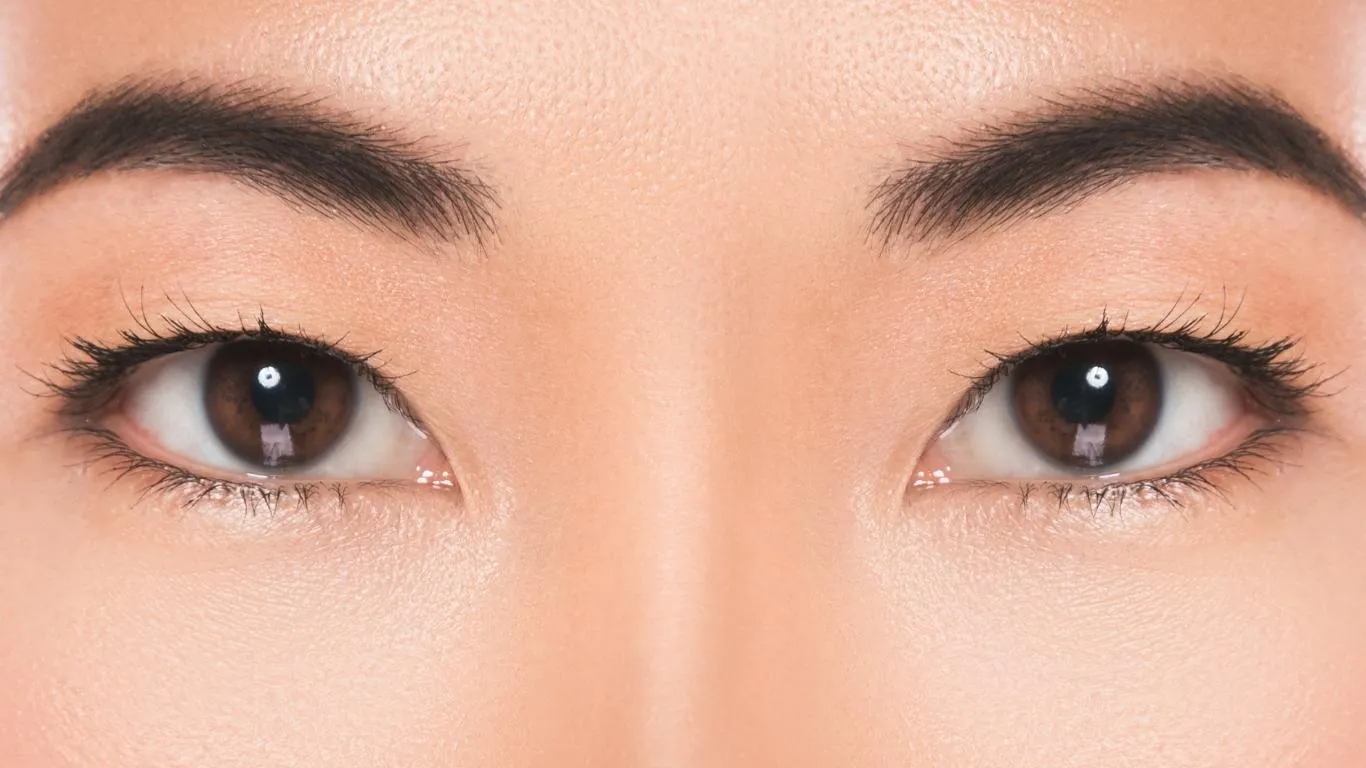
Let’s start with the basics—eye floaters happen when the gel-like substance in your eye, the vitreous, starts to shrink or clump up. These clumps cast shadows on your retina, which is what you’re actually “seeing.” But here’s the kicker: when you’re chronically sleep-deprived, a lot of subtle things in your body go haywire—including your eyes.
During the worst of my insomnia phases, floaters didn’t just appear—they multiplied. At first, I thought it was just my imagination or maybe some caffeine overload. But then I found that even on days when I managed a full night of sleep, those floaters stuck around. Turns out, disrupted sleep doesn’t just mess with your mood—it might also make floaters more noticeable, or even more frequent.
The Science Behind It
Lack of sleep affects everything from blood flow to inflammation. Your eyes, being highly vascular and delicate, feel the impact. Studies from ncbi.nlm.nih.gov and aao.org suggest that chronic sleep deprivation can disrupt the way your eye fluids circulate and repair themselves overnight. Less repair time equals more chances for things like collagen fibers to clump up in the vitreous, aka floaters.
Also, insomnia messes with your stress hormones, and if you’ve ever had an anxiety-fueled night staring at the ceiling, you know the cortisol spike is real. And yep—cortisol is known to aggravate eye floaters too.
Are Floaters a Warning Sign for Insomniacs?

They might be. For people who regularly battle sleep disorders, floaters could be more than an annoyance. Some ophthalmologists believe that sudden increases in floaters for insomniacs could point to faster aging of the eye’s vitreous, or even early signs of retinal issues. I know that sounds dramatic, but it’s better to be informed than caught off guard.
Especially if your floaters are paired with eye fatigue, dry eyes, or blurred peripheral vision, it’s worth checking out articles like this breakdown of floaters and peripheral vision loss.
Spotting the Symptoms Early
Here’s what I started watching for after speaking to an ophthalmologist:
- Floaters that “pop” more in low light or early mornings
- Floaters that seem to flicker or shift rapidly when changing focus
- Increased sensitivity to light, especially after sleepless nights
- Pressure behind the eyes or tension headaches
Some of these, especially when you’re not sleeping well, can fly under the radar. But trust me, tracking these subtle changes helped me pinpoint that something wasn’t right way before I needed a prescription.
How Your Sleep Hygiene Could Help (Or Hurt) Your Eyes
Okay, now we get to the part that actually helped me make progress: reworking my sleep routine. I didn’t realize how bad my screen habits were until I tried cutting blue light exposure two hours before bed. Not only did my sleep improve, but I noticed fewer floaters in the mornings—fewer, not gone, but it was something.
There’s actually a weird connection between sinus pressure and floaters too, which tends to get worse when you’re lying flat awake for hours. I started sleeping with a slight incline and boom—less sinus build-up, less eye pressure. One more win for sleep hygiene.
Tips That Actually Helped Me
- Switch out your light bulbs: Warm-toned bulbs reduced floaters at night dramatically.
- Anti-glare screens: Game changer for working late, especially if you’re prone to insomnia-related floaters.
- Humidifier: Sounds simple, but dry indoor air was aggravating my eyes overnight.
- Magnesium before bed: Not medical advice, but it did help with both muscle tension and floaters.
If you’re like me and need deeper context, the article on treatment options for eye floaters gives you the full lowdown on when to worry—and when to chill.
Related Causes That Often Get Missed
When you’re sleep-deprived, other conditions sneak in that can make floaters worse, like dehydration and poor circulation. Combine that with the fact that poor sleep itself can magnify floaters visually, and it starts to feel like a feedback loop you can’t break.
It’s also worth pointing out that some medications people use to fight insomnia might have unintended visual side effects. If you’re using antihistamines, melatonin, or even low-dose antidepressants, this piece dives into how they might be connected to new or worsened floaters.
So yeah, it’s not all in your head—and you’re definitely not the only one noticing those pesky floaters every time sleep gets interrupted.
To better understand where floaters fit in the grand scheme of eye health, I highly recommend reading the main guide on causes and treatments of eye floaters, and especially this in-depth explainer on when floaters might signal something more serious.
Can Treating Insomnia Actually Reduce Eye Floaters?
Here’s something I didn’t expect—after months of experimenting with my sleep routine, I genuinely noticed a shift in how often I saw floaters. I’m not saying they disappeared completely, but they stopped being front-and-center distractions every time I blinked. And yes, my insomnia still makes guest appearances, but when I sleep even halfway decently, the floaters don’t hijack my vision.
Turns out, addressing the root cause—poor sleep—can create a ripple effect of benefits. Your eyes regenerate overnight. The vitreous rehydrates. Even minor inflammation has time to calm down. That’s why lack of sleep often leads to a sudden spike in floaters the next morning. And it makes sense: less rest equals less repair.
Strategies That Help Both Sleep and Eye Health
If you’re managing both floaters and insomnia, your best bet is to build habits that support both systems. These worked wonders for me:
- Nightly wind-down ritual: I started using red-light lamps and playing low ambient sound around bedtime. Helps quiet the nervous system—and my eyes thank me.
- Omega-3s and hydration: Keeping eye fluid balanced really does help. Floaters are more visible when your eyes are dry or inflamed.
- Consistent bedtime: I fought it at first, but going to bed and waking up at the same time every day was a game-changer. Less visual weirdness in the morning.
- Cooler bedroom temps: Improved my deep sleep cycles, and surprisingly, I saw fewer “morning floaters” when I slept cooler.
For a deeper dive into floaters that appear or worsen overnight, this guide breaks down morning-related floaters and why they may seem more intense after a rough night’s sleep.
Is It Worth Seeing a Specialist?
Let me be honest—there was a point when I wondered if I was being overly dramatic. But floaters aren’t something to ignore, especially when they change suddenly or come with light flashes. One ophthalmologist told me that floaters in younger patients (I’m 34, for what it’s worth) are increasingly tied to lifestyle factors like insomnia, stress, and long-term screen exposure. Makes sense.
If your floaters start interfering with your reading, driving, or daily focus, it’s absolutely worth getting a proper evaluation. Eye pressure, early retinal changes, or post-viral impacts might also be at play, particularly if your insomnia has been triggered by stress or illness.
Tests to Ask For
When I visited the eye clinic, these were the exams they used to figure out if my floaters were harmless—or not:
- Optical Coherence Tomography (OCT): Shows details of retinal structure and vitreous detachment.
- Dilated Fundus Exam: Lets them look for retinal tears or detachment signs—critical if you’ve had sudden floater spikes.
- Ultrasound B-scan: Especially useful if the view to the retina is clouded.
If you’re curious whether your floaters are normal or something more complex, this article on distinguishing floaters from other vision issues offers a solid overview.
What If They Don’t Go Away?
Here’s the thing about floaters: most of them are harmless, even if they’re annoying. But when they stick around—or seem to spread—it gets frustrating. I got to a point where I couldn’t focus during Zoom calls because the shadows kept dancing in my peripheral vision.
That’s when I started researching treatment options. I learned that while most floaters are observed without intervention, there are a few cases where ophthalmologists will consider laser vitreolysis or vitrectomy. But the threshold is pretty high—usually only when floaters are interfering with daily tasks or vision is clearly impaired.
This full breakdown of eye floater treatments helped me decide not to rush into anything. Especially since a lot of my symptoms improved once my sleep stabilized.
Things That Made Mine Less Noticeable
- Contrast-reducing glasses: Helped when working under bright lights or outdoors.
- Dark mode on all devices: Honestly a no-brainer. Floaters love white backgrounds.
- Eye movement exercises: I learned some simple ones that helped move floaters out of the central visual field.
- Eye-friendly supplements: Lutein and zeaxanthin did more than I expected, not just for floaters but general comfort.
You might also find relief by understanding how floaters behave after eye strain or irritation, which overlaps with insomnia-related visual changes.
Where Do Floaters and Sleep Disorders Intersect Most?
In people with chronic insomnia, floaters tend to show up more often in three scenarios:
- Immediately after waking—especially from shallow, poor-quality sleep.
- During eye fatigue spells—often in the late afternoon, even without screen use.
- When lying flat for too long—which can increase intraocular pressure slightly.
If you’ve noticed floaters that seem more active when you’re fatigued or sleep-deprived, this article on how sleep affects floater severity gives excellent clarity on what’s happening behind the scenes.
Is It Ever Urgent?
Yes, actually. If floaters show up suddenly along with flashes of light, dark shadows, or significant loss of peripheral vision, don’t wait. These could be signs of retinal detachment—especially important for people who are nearsighted, over 40, or have had previous eye trauma.
Read up on how to spot dangerous signs related to floaters so you know when to act quickly.
For a foundational overview of everything related to floaters, this complete guide gives one of the most comprehensive breakdowns I’ve seen online.

Camellia Wulansari is a dedicated Medical Assistant at a local clinic and a passionate health writer at Healthusias.com. With years of hands-on experience in patient care and a deep interest in preventive medicine, she bridges the gap between clinical knowledge and accessible health information. Camellia specializes in writing about digestive health, chronic conditions like GERD and hypertension, respiratory issues, and autoimmune diseases, aiming to empower readers with practical, easy-to-understand insights. When she’s not assisting patients or writing, you’ll find her enjoying quiet mornings with coffee and a medical journal in hand—or jamming to her favorite metal band, Lamb of God.