Why Floaters Get Worse When Switching Between Devices
Ever noticed those odd little specks, threads, or shadows that drift across your field of vision just when you switch from your phone to your laptop, or vice versa? I sure have. It used to drive me nuts—I’d be bouncing between screens all day, and suddenly, those floaters would pop up like uninvited guests at a dinner party. It got to the point where I genuinely thought my eyes were just tired, but turns out, there’s a little more going on behind the scenes.
Why Floaters Feel Worse When You Jump Between Screens
Switching between screens isn’t just a modern-day habit—it’s almost a lifestyle now. But your eyes aren’t always thrilled about it. When I started noticing floaters more often after looking away from my phone and then glancing at my laptop, I figured it was just a weird coincidence. Nope. It’s actually a common complaint, especially among people who spend extended time working with multiple digital devices.
It’s Not Just Digital Eye Strain
Sure, eye strain plays a part. But floaters? That’s more of a vitreous issue than a screen-time one—at least on the surface. The act of rapidly adjusting focus, brightness, and background contrast between devices can make floaters more *noticeable*. Especially when you go from a dark screen to a bright white document or website (which I do about 30 times a day).
- Phone to Monitor: The shift in viewing angle and backlight intensity makes floaters stand out against bright surfaces.
- Low to High Resolution: Crisper displays highlight floaters you might not have noticed otherwise.
- Color Temperature Changes: Warm to cool tones exaggerate floater visibility—especially in a dim room.
According to National Eye Institute, floaters can become more prominent due to environmental and visual contrast changes, not necessarily because they’re multiplying.
What’s Really Going On Inside Your Eye
If you’ve ever Googled “why do I see floaters after switching screens?” (guilty), you probably hit a bunch of medical jargon. Here’s the simplified version: The gel-like substance in your eye, the vitreous, shrinks slightly as we age or when dehydrated or fatigued. It pulls away from the retina in spots, leaving behind microscopic bits of collagen. Those bits? They’re the floaters.
Why Screen-Switching Highlights Them
The sudden change in lighting or contrast from one device to another makes those floaters pop. Literally. They don’t actually move more—they just stand out more. Kind of like dust in a sunbeam.
In fact, one recent study from the American Academy of Ophthalmology highlights how screen-time-induced accommodation stress can intensify floater awareness—even if the floaters themselves aren’t changing.
Are These Floaters a Sign of Something Serious?
This question haunted me for weeks. I’d go through bursts of floaters, especially after bingeing on a spreadsheet marathon, and wonder if I was about to lose my vision. Luckily, in most cases, floaters aren’t dangerous—but you do need to pay attention to when they appear and how they behave.
- If you see a sudden burst of floaters—like a snow globe—you might want to read up on how trauma or sudden changes can trigger retinal issues.
- Floaters with flashes of light? That’s worth discussing with your eye doctor—check out this comparison guide.
From my own experience, floaters tend to settle down after hydration, screen breaks, and decent sleep (harder than it sounds). But if you’re constantly switching between devices and noticing an uptick, that might mean your eyes aren’t adapting as smoothly as they used to.
Simple Ways to Make Floaters Less Annoying
No, you can’t totally get rid of floaters—trust me, I’ve tried—but you *can* make them feel less intrusive.
Quick Adjustments That Actually Help
- Use dark mode more often—reduces the contrast that makes floaters pop.
- Stick with similar brightness levels across devices—your eyes don’t need to keep recalibrating.
- Invest in a blue light filter—it’s helped me cut back on screen-related irritation big time.
If floaters are making work miserable, you might also find some relief from these floater-friendly exercises.
Could Floaters Be Linked to Vision Changes or Eye Health?
Floaters that show up more frequently when switching screens might actually be telling you something deeper about your eye health. Especially if you’ve been dealing with issues like fatigue, dry eyes, or vision blur during screen use. I found out during my last checkup that my floaters were tied to early signs of vitreous detachment—not dangerous, but definitely worth monitoring.
Want to dive deeper? This is a great place to start: eye floaters vs other eye problems.
And for the science-backed overview of what floaters are and why they exist, don’t miss the main explainer: what are eye floaters.
When Floaters Disrupt Work and Focus
There were days I couldn’t even read my email subject lines without those little blurry blobs floating through. What made it worse? Switching from a brightly lit Excel sheet to a darker design app or toggling between mobile and desktop views. My productivity tanked, and my eyes just felt… off.
This isn’t just a personal gripe. Many people dealing with floaters that appear under specific lighting report it being especially distracting in screen-heavy environments. That interruption can break focus, cause misreads, or force you to blink and squint constantly—none of which are fun in the middle of a Zoom call.
Signs Your Floaters Might Be Affecting More Than Just Your Vision
- You’re second-guessing what you see on screen.
- You’re tilting your head or shifting your posture often just to “move” a floater.
- You’re taking breaks not because of fatigue—but because of annoyance or eye fog.
For me, it was the constant head tilting that gave it away. I’d lean slightly left or blink fast, thinking I could shake the thing loose. It never worked, but somehow, it became a habit.
When Should You Talk to an Eye Specialist?
If floaters are coming and going, especially during or right after screen transitions, you might be tempted to just deal with it. I did that too—until I read about the risks associated with floaters that appear without warning.
Here’s a simple checklist that helped me decide it was time for a visit:
- Floaters began increasing in number.
- They started showing up outside screen use (like during reading or walking).
- One eye started experiencing floaters more frequently than the other.
- I noticed occasional flashes of light, especially in darker rooms.
Turns out, these aren’t always signs of something serious—but they’re not worth ignoring either. I was lucky. No retinal tear, no detachment. Just a mild vitreous shift exacerbated by long, uneven bouts of screen time.
Practical Changes That Actually Helped
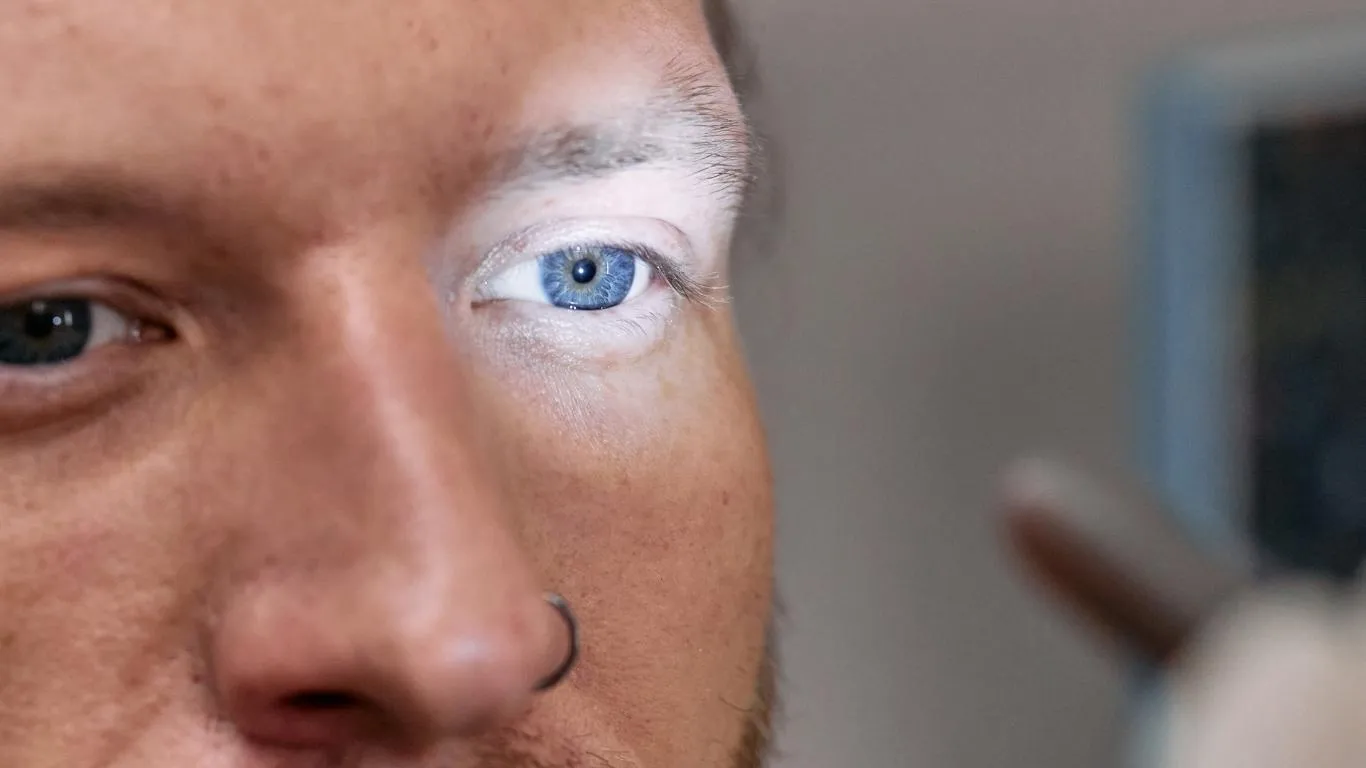
I’m not about to tell you to stop using your phone or computer. That’s just not realistic. But I did make a few tweaks that made the floaters less noticeable and frankly, less maddening:
- Set consistent lighting in your work area. A lamp with a soft warm bulb helps reduce contrast spikes.
- Sync display settings between laptop and monitor. I use the same brightness and color profiles now.
- Hydrate and blink more often. Dehydrated eyes = floaters that love to crash the party.
- Use night mode or grayscale mode when possible. It makes everything feel less sharp, but it calms the eye.
It might also help to try optimized lighting setups that support visual comfort throughout the day.
Floaters, Stress, and Screen-Time Burnout
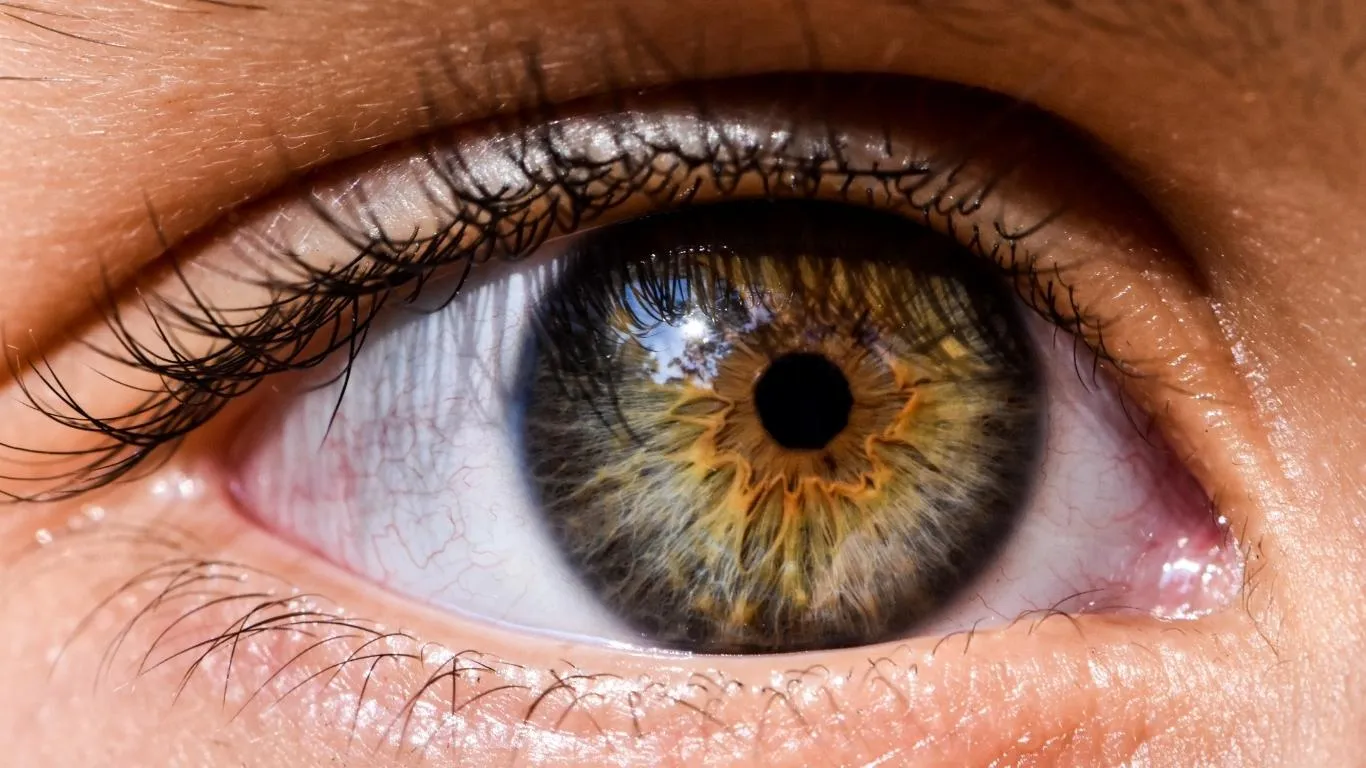
Here’s the part no one tells you: stress makes floaters worse. Or rather, it makes your brain focus on them more. I noticed this after several deadlines back-to-back, where I’d spend 10+ hours behind screens. The floaters didn’t multiply overnight—but they sure felt like they did. My brain was on edge, and every little speck in my vision suddenly became a source of distraction.
If that’s where you are, don’t brush it off. Floaters can quietly tie into your mental well-being—especially when tied to burnout, digital fatigue, or screen-based anxiety.
Small Daily Habits That Made a Big Difference
- Five-minute breaks every hour with eyes closed, not just away from screen.
- Eye yoga or focus-shifting exercises—simple but surprisingly effective.
- Talk it out. I mentioned my floaters to a friend and turns out, they were dealing with the same thing. Just knowing it’s common helped ease the stress.
If you’ve been switching screens nonstop and noticing floaters at specific times or transitions, you’re not imagining it. This is a thing. And no, you don’t need to panic—but you do need to pay attention.
Want to Know What Else Might Be Causing Your Floaters?

Floaters that flare up during screen use might be the start of something—or just part of a bigger picture. You might want to explore whether things like diabetes, stress, or unexpected triggers are part of your story.
Not sure where to begin? I found this breakdown super helpful for identifying patterns: common causes of eye floaters.
For a bigger-picture look at eye floaters—their symptoms, types, and when to seek help—check out this comprehensive guide.

Camellia Wulansari is a dedicated Medical Assistant at a local clinic and a passionate health writer at Healthusias.com. With years of hands-on experience in patient care and a deep interest in preventive medicine, she bridges the gap between clinical knowledge and accessible health information. Camellia specializes in writing about digestive health, chronic conditions like GERD and hypertension, respiratory issues, and autoimmune diseases, aiming to empower readers with practical, easy-to-understand insights. When she’s not assisting patients or writing, you’ll find her enjoying quiet mornings with coffee and a medical journal in hand—or jamming to her favorite metal band, Lamb of God.