Why Red Wine Headaches Feel So Different From Migraines
I used to enjoy a glass of red wine with dinner—until I started waking up with pounding headaches. At first, I brushed it off as poor sleep or dehydration. But the more it happened, the more I wondered: was it a simple red wine headache or something deeper—like a migraine? If you’ve ever questioned that dull ache behind your eyes or that sudden throbbing pain after a glass of cabernet, you’re definitely not alone. Let’s break down the real differences between a red wine headache and a migraine—because yes, they’re very different things.
Understanding the Red Wine Headache Phenomenon

For some, red wine is more than just a drink—it’s a guaranteed headache in a bottle. This isn’t your imagination. What’s often dubbed a “red wine headache” typically kicks in within 15 to 30 minutes of drinking. It’s usually a tight, pressure-like pain across the forehead or temples.
What Causes It?
There are several suspects behind red wine headaches, and none of them are easy to pin down for everyone. Some common triggers include:
- Sulfites: These preservatives can cause reactions in sensitive individuals, although they’re more likely to cause asthma than headaches.
- Histamines: Red wine contains higher histamine levels than white wine. If your body doesn’t break them down well, they can cause headaches, nasal congestion, and flushing.
- Tannins: These plant compounds can trigger the release of serotonin—a known migraine trigger in some people.
- Alcohol itself: It causes blood vessel dilation and dehydration, both of which can lead to head pain.
Everyone has a different threshold. I personally can handle one glass of pinot noir, but give me a merlot and I’m out with a cold pack by 10 p.m.
How Is It Different from a Migraine?

A red wine headache tends to be predictable, short-lived, and manageable. A migraine, on the other hand, is a different beast entirely.
Key Migraine Symptoms
If your “wine headache” comes with any of the following, it may actually be a migraine:
- Throbbing pain on one side of the head
- Nausea or vomiting
- Light and sound sensitivity
- Visual disturbances like flashing lights or blurry vision
- Lasts for hours or even days, unlike a quick red wine headache
Check out this guide to the stages of a migraine if you suspect your wine woes are more neurological than you thought.
Duration & Onset
Red wine headaches typically appear fast and fade just as quickly. Migraines, though, might build over time and hang around for hours or even days. Personally, when I get a migraine, I lose half a day minimum—it’s not just a pain, it’s a full system shutdown.
Can Red Wine Trigger a Migraine?

In short—yes. If you’re prone to migraines, red wine could be one of your triggers. The alcohol, histamines, and tannins mentioned earlier can provoke neurological reactions in sensitive individuals.
This doesn’t mean everyone with migraines should avoid red wine, but it’s worth experimenting. Try journaling your reactions using a migraine diary to spot patterns. That’s how I figured out it wasn’t the wine—it was specific brands and how dehydrated I was that day.
Who’s Most at Risk?
People who are already migraine-prone—especially women, according to clinical studies—are more likely to experience red wine as a migraine trigger. Also, if you suffer from hormonal migraines, red wine around your menstrual cycle might amplify symptoms.
What to Do If You’re Unsure

It’s frustrating trying to figure out what your body is reacting to. Start here:
- Keep a log: Use a simple headache journal. Date, time, wine type, symptoms, and duration.
- Hydrate well: Drink a glass of water between sips of wine.
- Stick to one type: Try comparing reactions between red, white, and sparkling.
- Talk to a doctor: Especially if you experience any neurological symptoms. You might need a formal diagnosis. Learn more about how migraines are diagnosed here.
I’ve found that just switching to wine with lower tannins or even opting for white helps a ton. Still enjoy the ritual, without the pain.
When It’s Time to Get Help

If your “wine headaches” are frequent, unpredictable, or disabling, you may be experiencing chronic migraines triggered by alcohol. In that case, it’s worth talking to a neurologist. There are new treatments today that don’t involve giving up your social life entirely. Start with this overview of migraine treatment options to explore what might work for you.
To better understand other types of triggers, the migraine triggers guide covers everything from food to stress to weather—so you’re not playing guessing games alone.
For a full understanding of migraines and headaches in general, don’t miss our main resource on migraines and headaches. It’s packed with useful insights for anyone dealing with head pain.
Managing Red Wine Headaches and Migraine Triggers
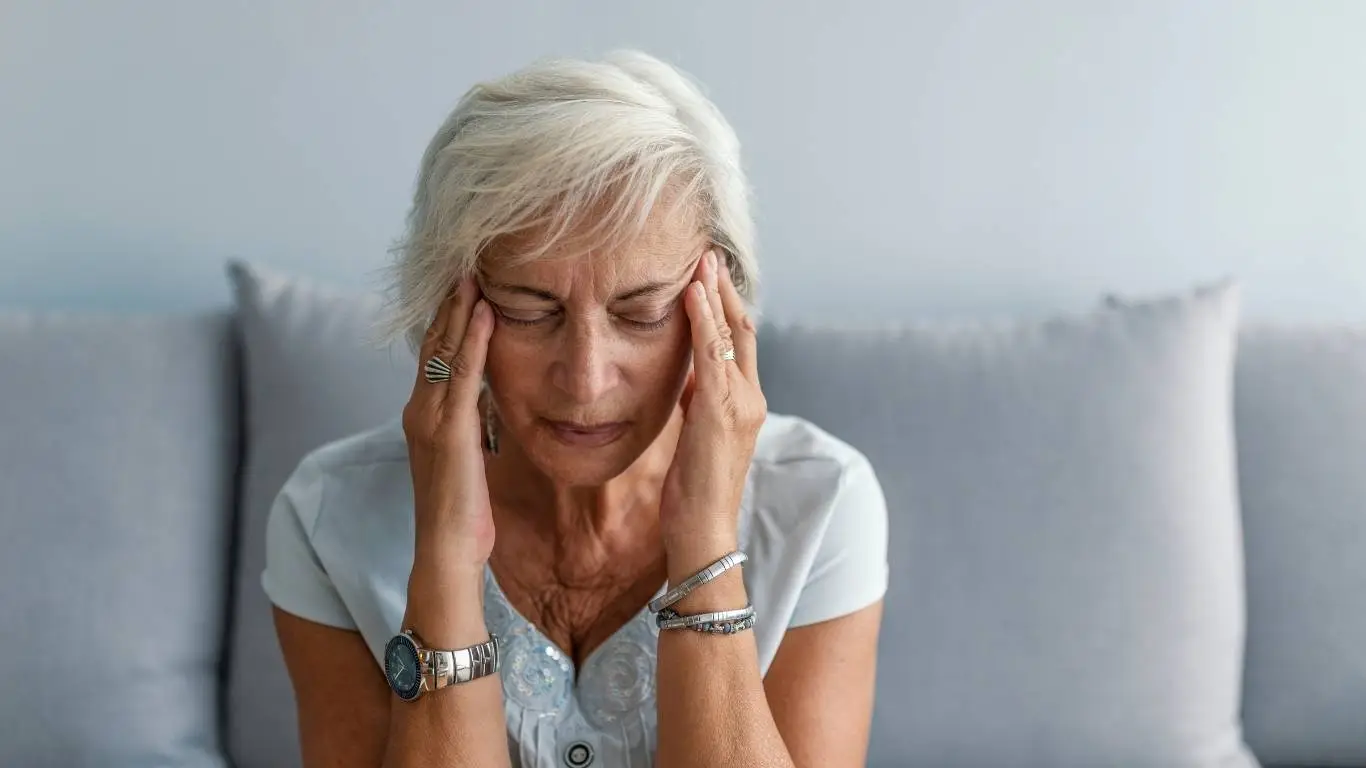
Once I realized my headaches weren’t just random but possibly migraine-related, I knew I had to start tweaking things. Whether it’s a red wine headache or a full-blown migraine, small lifestyle changes can make a surprisingly big difference. No, it doesn’t mean giving up wine forever—unless you absolutely have to. It’s more about listening to your body.
Practical Tips for Red Wine Lovers
If you’re not ready to ditch red wine completely (believe me, I get it), here are some adjustments that might help:
- Choose wines with lower tannins: Pinot Noir, Barbera, and Gamay tend to be gentler than Cabernets or Shiraz.
- Skip the sulfite-rich bottles: Look for “low sulfite” or organic labels if you think sulfites are an issue.
- Don’t drink on an empty stomach: Pairing wine with food can slow down absorption and blunt the impact.
- Hydrate before, during, and after: This one’s not optional—alcohol is a dehydrator and migraines love that.
If none of these adjustments make a dent in your symptoms, it may be time to consider that your issue isn’t a red wine headache—it’s a migraine that red wine happens to trigger.
Preventing Migraines Triggered by Alcohol

For those of us prone to migraines, red wine is just one of many triggers. It’s not always about the wine—it could be the stress of the day, skipped meals, or even poor sleep the night before. That’s why keeping a holistic view helps.
Prevention Strategies That Work
Here’s what’s helped me and others I’ve talked to:
- Track your patterns: Logging triggers, symptoms, and timing helps you identify connections. Try a migraine diary or one of the new migraine tracking apps.
- Optimize your sleep: Inconsistent sleep is a well-known migraine trigger. More on that in our section about migraine-friendly sleep habits.
- Stick to routines: Avoid extreme changes in meals, caffeine intake, or stress levels. Predictability keeps migraines at bay.
- Know your limits: Everyone’s threshold is different. For me, one glass of a low-tannin red wine is safe—but two? Game over.
Understanding your body’s signals is half the battle. When red wine is part of the equation, your reaction might change based on hormonal shifts, the weather, or even what you ate that day.
How Professionals Treat Wine-Induced Migraines

If your symptoms are severe or start affecting your life—like skipping events or losing workdays—it’s time to bring in the pros. I eventually saw a neurologist who helped me connect the dots and find treatments that work with my lifestyle, not against it.
Treatment Options Worth Exploring
There’s a growing list of options available today, far beyond just popping an ibuprofen and praying it works:
- Prescription meds: Triptans, CGRP inhibitors, and others. Explore more about prescription migraine drugs.
- Alternative therapies: I’ve had good luck with acupuncture and CBT for migraine management.
- Natural support: Things like magnesium, vitamins B2/B6, and essential oils have a lot of anecdotal and clinical support.
Keep in mind, the key isn’t one magic pill—it’s usually a mix of lifestyle tweaks and medical support. Everyone’s formula is different.
When to Completely Avoid Red Wine

Let’s be honest—some people just can’t tolerate red wine, no matter how careful they are. If you’ve tried different brands, improved your hydration, changed your sleep habits, and still get migraines every time you sip, it might be time to cut it for good.
That decision is personal. I went wine-free for about six months, then slowly reintroduced small amounts. Now I know exactly what I can handle. For others, full avoidance is the only option that brings peace. And that’s okay too.
Other Beverages to Watch Out For
Red wine isn’t the only drink that can cause issues. Pay attention to:
- Dark liquors: Whiskey, brandy, and bourbon contain congeners, which may be harder to metabolize.
- Champagne: Bubbles plus sugar equals double the risk for some people.
- Artificially sweetened cocktails: Aspartame and other sweeteners can also be migraine triggers.
Explore our guide to foods and beverages that can trigger migraines to broaden your awareness.
Building a Migraine-Smart Lifestyle

Living with migraine triggers doesn’t mean giving up everything you enjoy—it just means learning what works for you. Whether it’s wine, stress, hormones, or weather, you have more control than you think. I’m not perfect, but I’ve learned that a little planning and the right information goes a long way.
Start building your foundation with the migraine prevention guide. It’s one of the best ways to take back control.
If you’re new to the world of migraines and just starting to explore what’s happening, check out this comprehensive understanding of migraines. You’ll find expert-backed knowledge written in everyday language—it’s what I wish I had when I started this journey.

Bianca Nala is a compassionate Nurse Practitioner with a strong background in primary and respiratory care. As a health writer for Healthusias.com, she combines her clinical expertise with a talent for clear, relatable storytelling to help readers better understand their health. Bianca focuses on topics like asthma, COPD, chronic cough, and overall lung health, aiming to simplify complex medical topics without losing accuracy. Whether she’s treating patients or writing articles, Bianca is driven by a single goal: making quality healthcare knowledge accessible to everyone.