Why The Connection Between IBS And Lower Back Pain Is Often Ignored
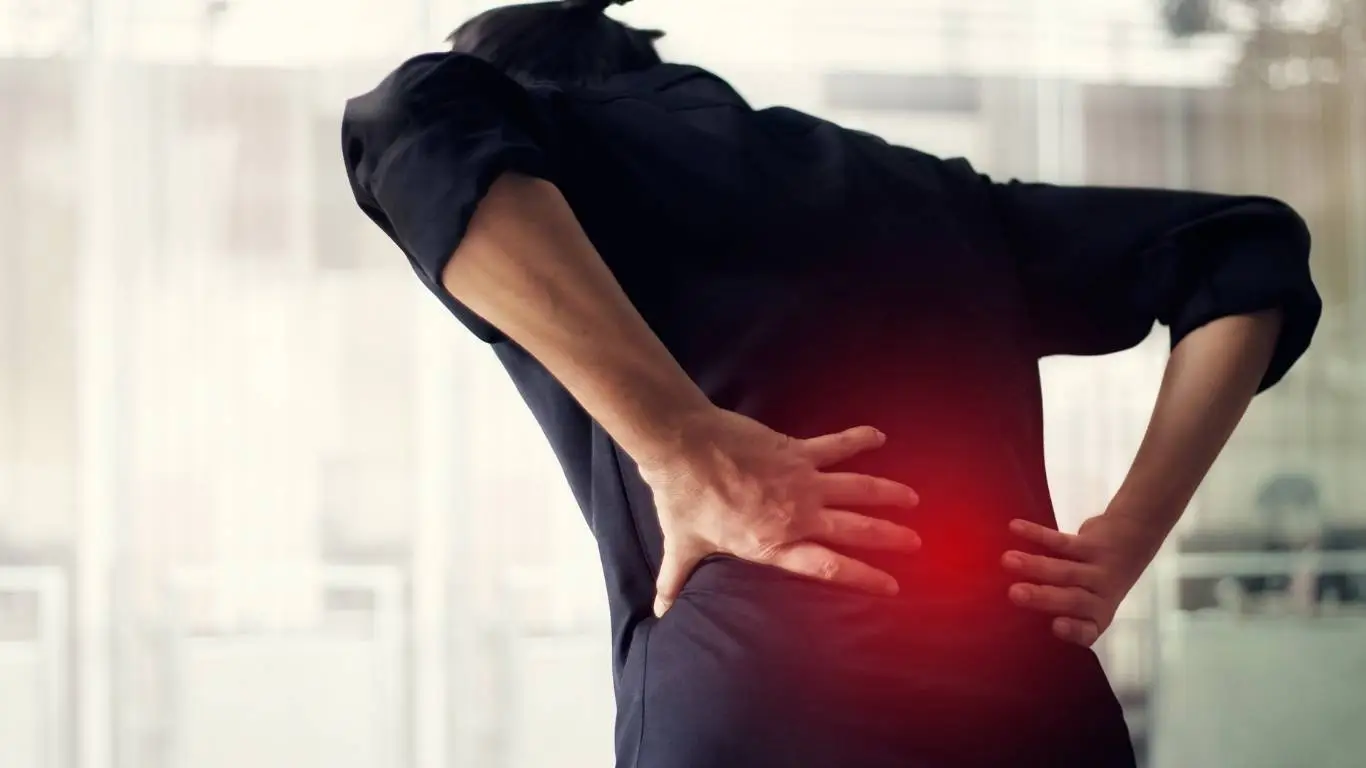
It started with bloating, cramping, and unpredictable bathroom runs—classic signs of IBS. But what threw me off was the dull, nagging ache creeping into my lower back. At first, I blamed poor posture or maybe a pulled muscle from rearranging my living room. But after ruling out obvious culprits and seeing the pattern repeat, it hit me: my gut issues were somehow teaming up with my back pain. I’ve learned over time that the connection between IBS and lower back pain is a lot more common—and complicated—than many realize.
Why IBS Might Be Causing Your Lower Back Pain

It’s easy to write off lower back pain as a result of daily strain. But when you live with irritable bowel syndrome (IBS), things get murkier. While IBS is mostly known for its digestive drama, it’s not unusual for people to report pain that extends beyond the gut—especially to the lower back.
The Gut-Brain Axis and Pain Signaling
There’s a strong nerve connection between the brain and the digestive system, often referred to as the gut-brain axis. This two-way communication channel influences how we perceive pain. When IBS flares up, it doesn’t just cause abdominal discomfort—it can intensify pain sensitivity throughout the body, including your lower back.
Referred Pain: A Hidden Culprit
Referred pain happens when discomfort from one part of your body is felt in another. IBS affects the intestines, but those nerves share pathways with regions in the lower back. It’s why you may feel tension, soreness, or even stabbing pain in your back during an IBS episode.
- Gas buildup pressing against nerves
- Inflammation around the intestines affecting surrounding muscles
- Digestive spasms radiating to the lower back area
Muscle Tension and Posture Changes During IBS Flares
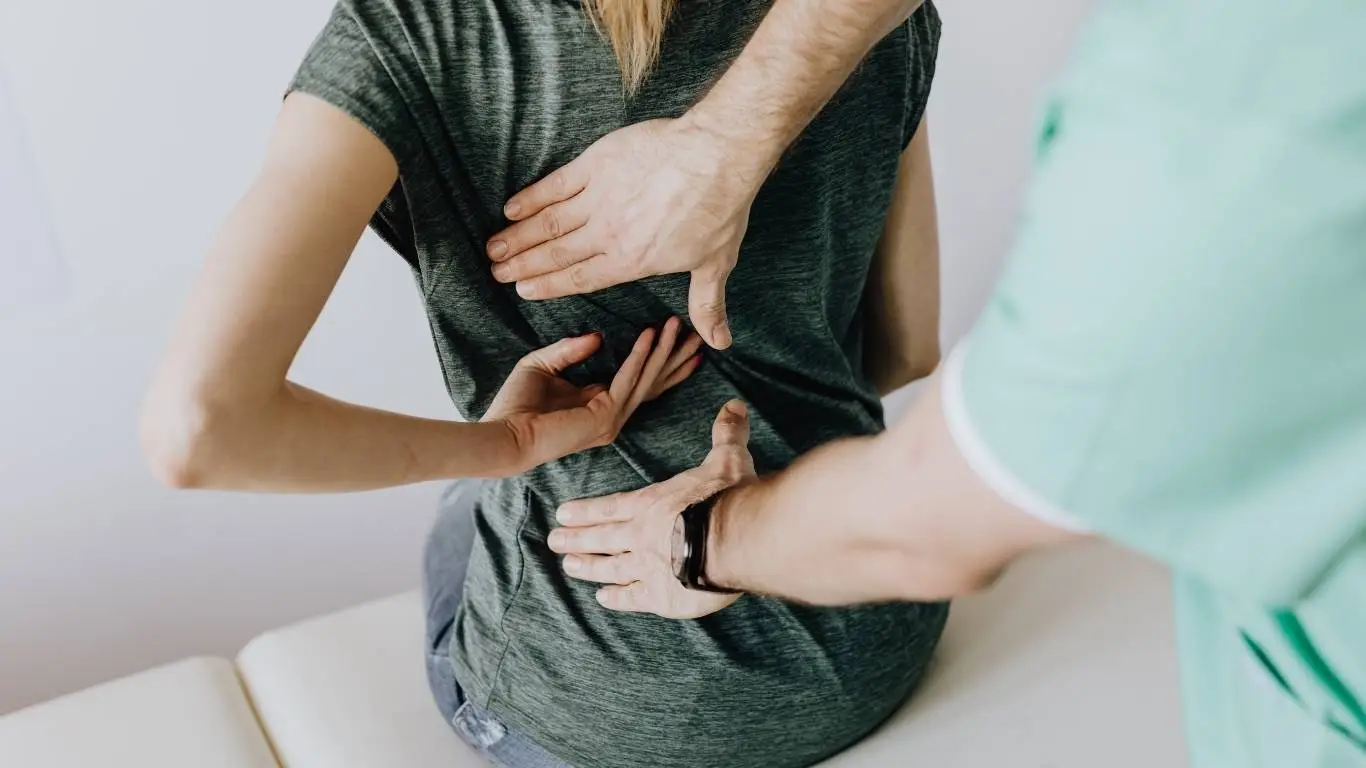
Whenever I have a flare-up, my whole posture shifts. I curl up instinctively, tensing my abdominal muscles. Sometimes I catch myself hunching forward on the couch or lying awkwardly just to get some relief. Over time, those compensations catch up to your spine.
This kind of muscle guarding can put strain on the lumbar spine, compressing discs and aggravating pre-existing back issues like herniated discs or bulging discs. What begins as a digestive reaction becomes a physical misalignment.
Sedentary Behavior from IBS Symptoms
On my worst days, I don’t move much—because let’s be honest, who wants to go far from the bathroom when their gut’s throwing tantrums? Unfortunately, this inactivity stiffens your back muscles, weakens your core, and makes lower back pain more likely.

Interestingly, many triggers that worsen IBS can also flare up lower back pain. That overlap only adds fuel to the fire.
- Stress: Chronic tension tightens back muscles and disrupts digestion.
- Poor sleep: Lack of restorative sleep makes you more sensitive to pain.
- Inflammatory foods: Gluten, dairy, and processed sugars can trigger both abdominal bloating and joint inflammation.
Studies have shown that people with IBS often experience chronic lower back pain, especially during flare-ups. It’s not just about what you eat—it’s also about how your body processes stress and inflammation. According to NCBI, systemic inflammation may heighten pain response, even outside of the digestive tract.
The Role of Nerve Sensitization and Pelvic Issues
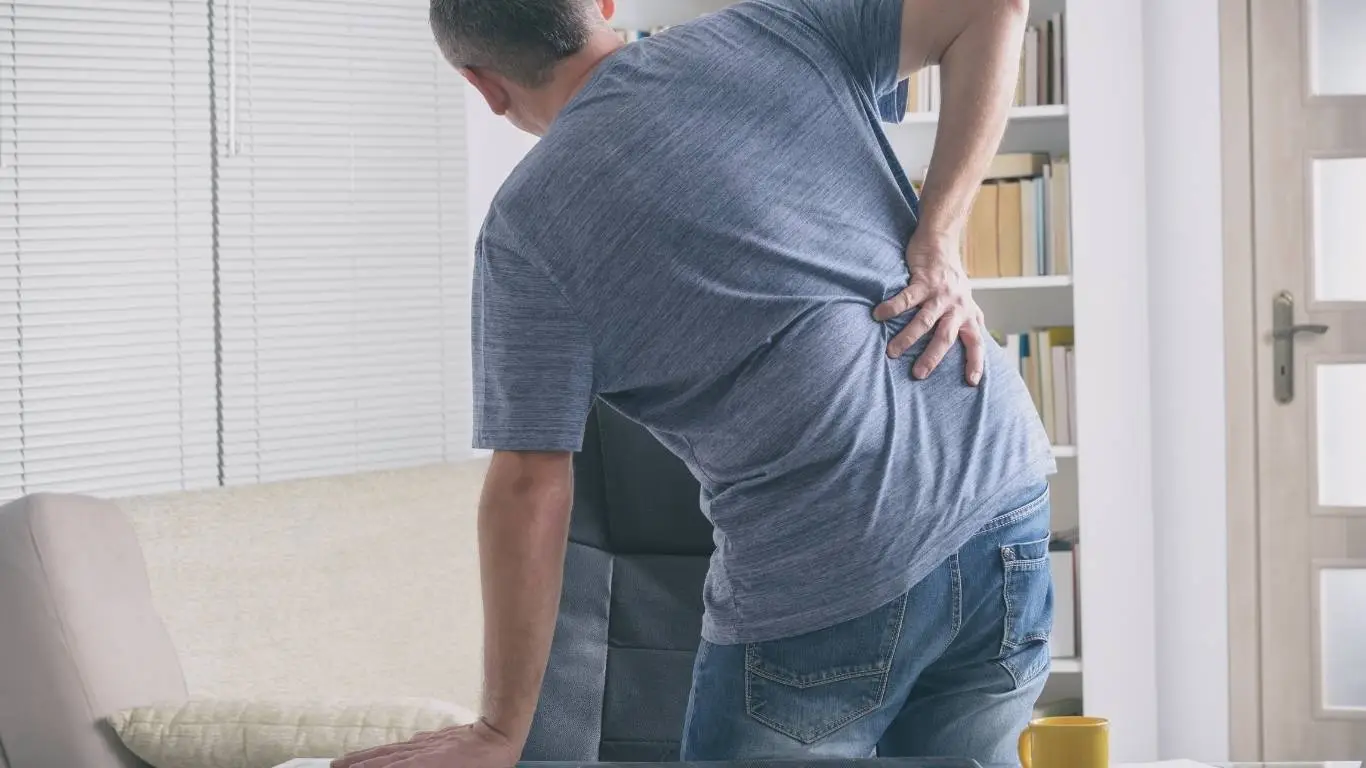
IBS is tied to what’s known as visceral hypersensitivity—a fancy way of saying your gut nerves are on high alert. This sensitivity can spill over to nearby nerve clusters in the pelvic and lumbar region, including the sacral plexus, which may explain the persistent ache in your back during an IBS episode.
On top of that, IBS is sometimes linked to piriformis syndrome or sacroiliac joint dysfunction, both of which can mimic or compound lower back pain. These pelvic imbalances can radiate symptoms into the glutes, tailbone, or even down the legs.
How I Noticed the Pattern
For me, it became undeniable once I started journaling. Every time my gut was in chaos, the next thing to follow was my lower back acting up. The connection wasn’t just coincidental. I even brought it up with my physical therapist, and she nodded knowingly—apparently, I wasn’t the first to notice this overlap.
When to Take It Seriously
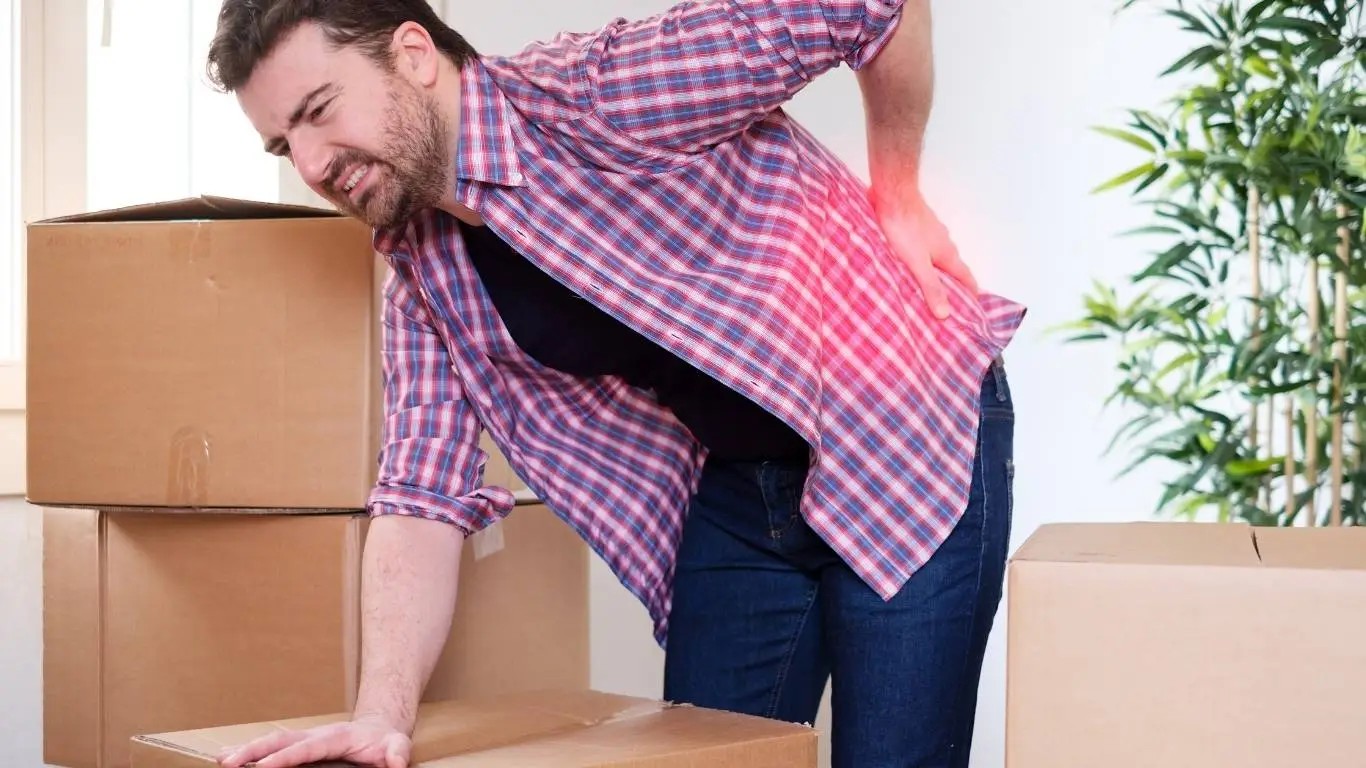
Occasional back pain is one thing, but if you’re dealing with recurring or worsening discomfort that coincides with your digestive symptoms, it’s time to talk to a professional. Your doctor might explore structural issues, pelvic dysfunction, or nerve-related conditions that overlap with your IBS.
Understanding the shared patterns can help you take proactive steps. Treatments like acupuncture and mindfulness meditation don’t just help your mental state—they can regulate the nervous system and calm both gut and spine. More traditional approaches like physical therapy are worth looking into, especially when rehabilitation and ergonomic adjustments come into play.
If you want to dive deeper into how pain patterns develop and interact, this main guide on back pain symptoms and diagnosis is a must-read. You can also explore this foundational article on understanding back pain to see the broader picture.
Smart Ways to Manage Lower Back Pain from IBS
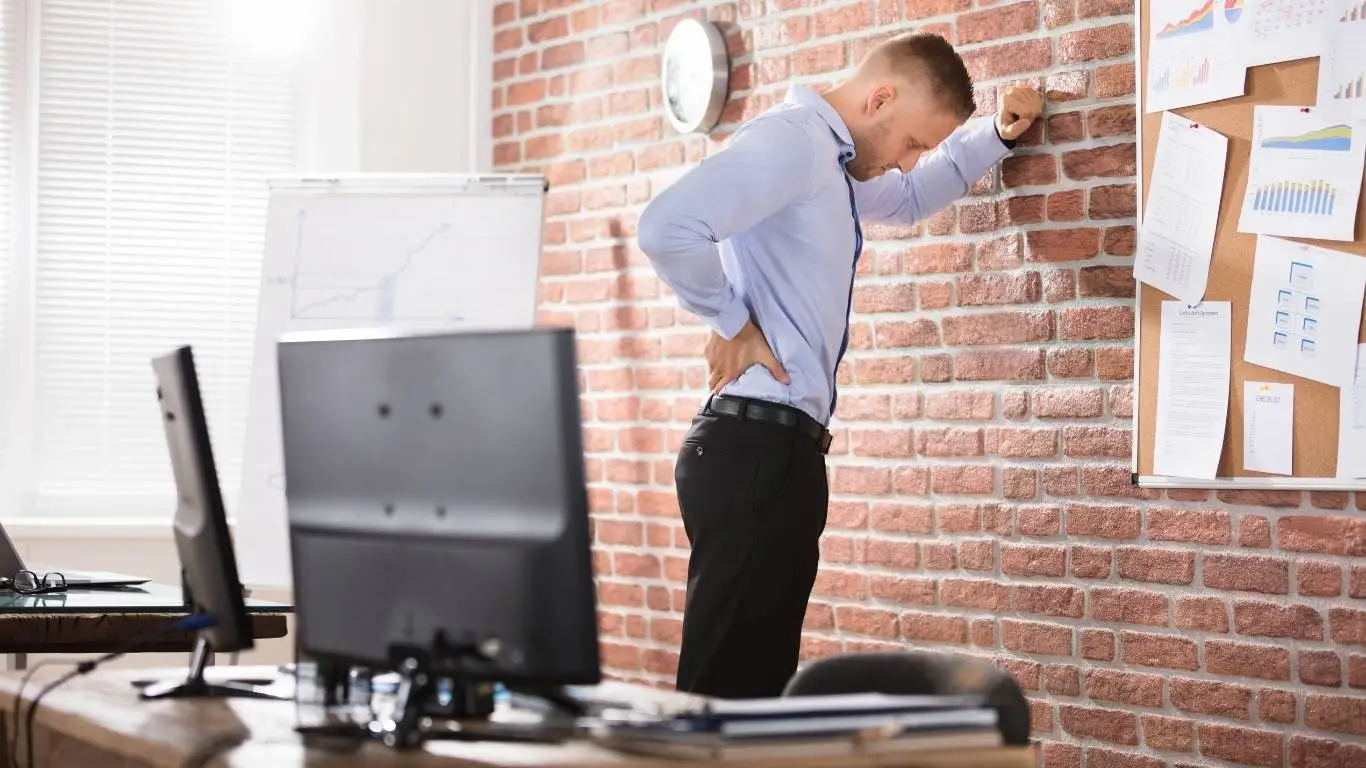
Living with IBS is already a rollercoaster, but adding lower back pain into the mix? That can feel like a double whammy. Over the years, I’ve pieced together a few tactics that actually make a difference—not overnight fixes, but consistent little wins that help you feel human again.
Try Heat Therapy During Flare-Ups
I used to rely on heating pads for cramps, but then I realized they also loosen up the tension in my lower back during IBS episodes. It’s simple, affordable, and oddly comforting. Applying heat to the lumbar area relaxes the surrounding muscles and calms nerve activity. For me, it’s become part of my flare-up survival kit.
If you haven’t already, check out what the science says about hot vs. cold therapy for back pain—knowing when to use each can make all the difference.
Supportive Ergonomics Make a Bigger Difference Than You Think
Let’s be honest—when you’re stuck on the couch clutching your gut, posture isn’t the first thing on your mind. But I started noticing how much worse my back pain got when I was slouched for hours. Swapping to an ergonomic chair, adding lumbar support cushions, and elevating my feet slightly helped relieve the pressure on my spine.
Whether you’re working from home or binge-watching comfort shows, a little ergonomic love goes a long way. This deep dive on the best ergonomic chairs for back pain is worth a look if you’re stuck at a desk all day.
Foods That Calm Both Gut and Spine
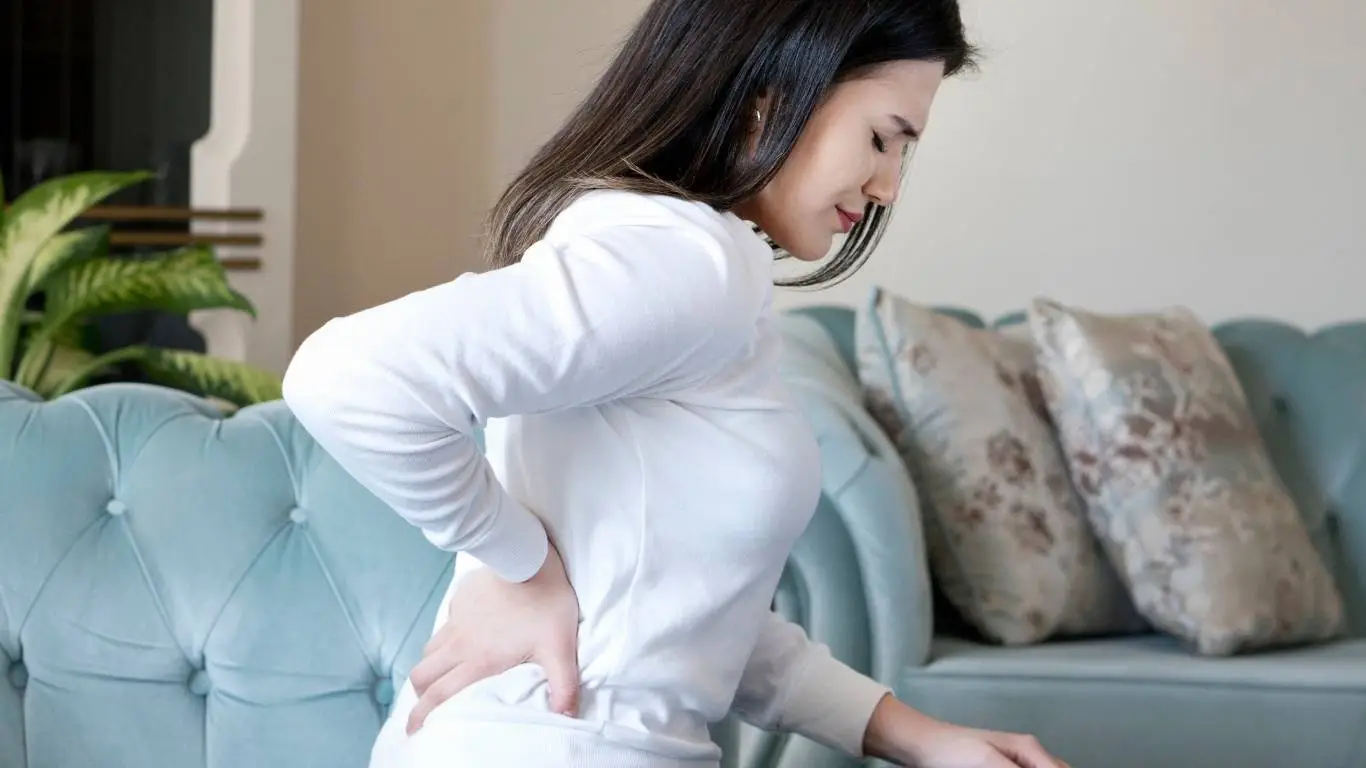
I used to think food only influenced my IBS symptoms. Turns out, it can also affect how my back feels. Some foods worsen inflammation systemically, triggering both digestive discomfort and body pain. Cleaning up my diet reduced flare-ups and eased the constant tension in my lower back.
- Omega-3s: Found in salmon, chia seeds, and walnuts—anti-inflammatory powerhouses.
- Tumeric: Curcumin is legit. I add it to soups and rice bowls now.
- Magnesium-rich foods: Think leafy greens, bananas, and almonds—they help relax muscles and calm nerve responses.
You can dig into this anti-inflammatory diet guide if you’re serious about tackling both IBS and back discomfort with what’s on your plate.
Supplements That Might Actually Help
I’m not big on pills, but I’ve seen benefits from a few strategic supplements. Vitamin D helped ease my back stiffness during the winter months, and CBD oil turned out to be a decent option when the spasms wouldn’t quit. It’s definitely a “try it and see” approach, but worth exploring if you’ve hit a wall.
Movement Is Your Best Friend—Even When You Don’t Feel Like It

There were weeks when walking from the bed to the kitchen felt like running a marathon. But gentle movement—when done right—can work wonders. I’m not talking CrossFit. I’m talking slow, controlled, restorative stuff like:
- Gentle yoga (especially poses that stretch the hip flexors and spine)
- Pelvic tilts and cat-cow stretches
- Short walks to promote digestion and spinal mobility
If you need some guidance, these yoga poses for back pain are a great place to start. They’re not intimidating, and you can do most of them from your living room floor.
Target the Core—Gently
Don’t skip core work just because you’ve got gut issues. In fact, a weak core is often part of the problem. Strengthening your transverse abdominis and glutes can support the spine better, relieving pressure on your lower back. Just make sure to ease in slowly—don’t go straight into planks or sit-ups if you’re flaring.
This helpful guide on weak glutes and back pain breaks it down nicely.
Stress Reduction Isn’t Just “Nice to Have”—It’s Mandatory
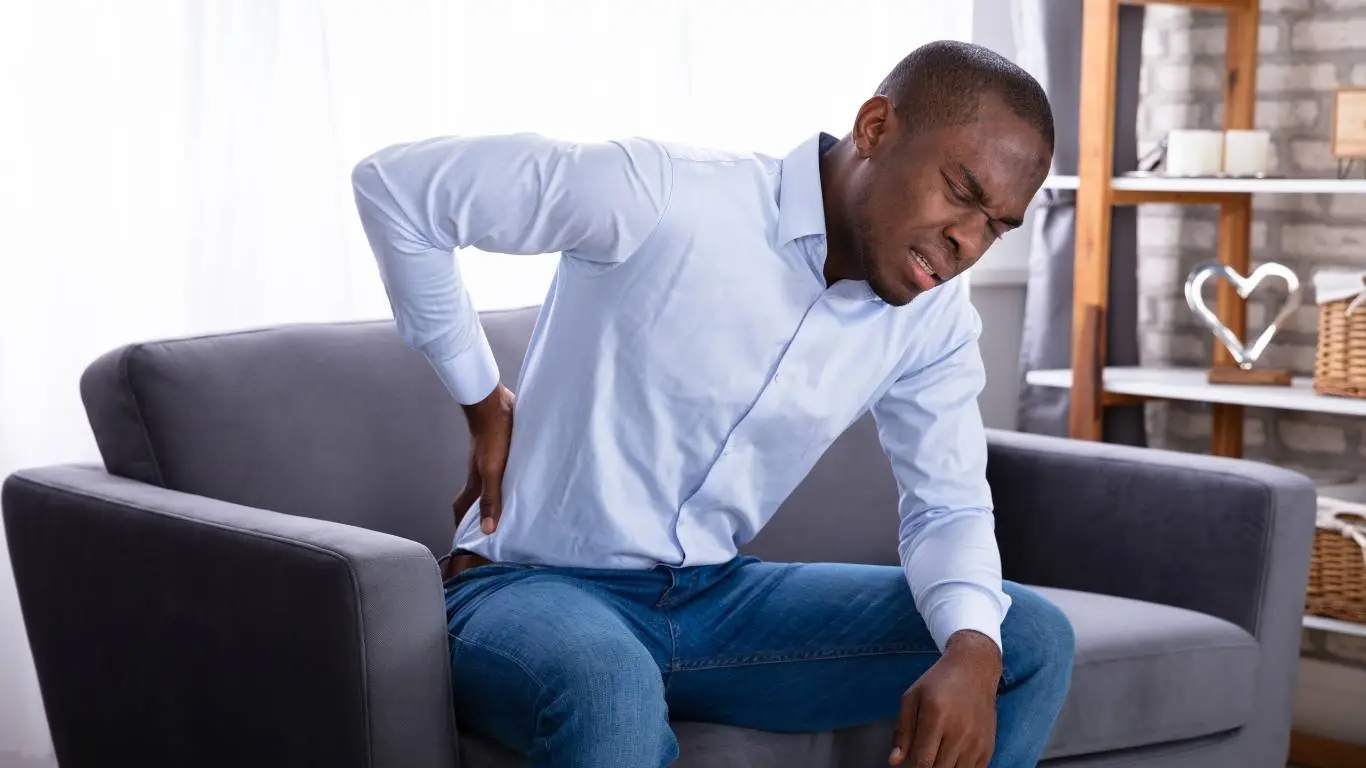
We all know stress is bad for the gut. But it’s just as toxic for your back. I didn’t buy into that connection until I started meditating out of pure desperation—and saw results. Less flare-ups. Less back tension. Fewer “I need to lie down right now” moments.
Mind-body tools like mindfulness meditation and cognitive behavioral therapy help rewire your pain response. They don’t eliminate symptoms, but they give you space to deal with them without spiraling.
Sleep Quality and Hormone Balance
One overlooked piece? Sleep. IBS messes with sleep. So does back pain. And poor sleep worsens both. It’s a vicious cycle. I started being militant about bedtime rituals: no screens after 9, magnesium spray, white noise. When sleep improved, so did my mornings. Less cramping. Less tightness in my spine.
When to Get Help (And Who to Ask)
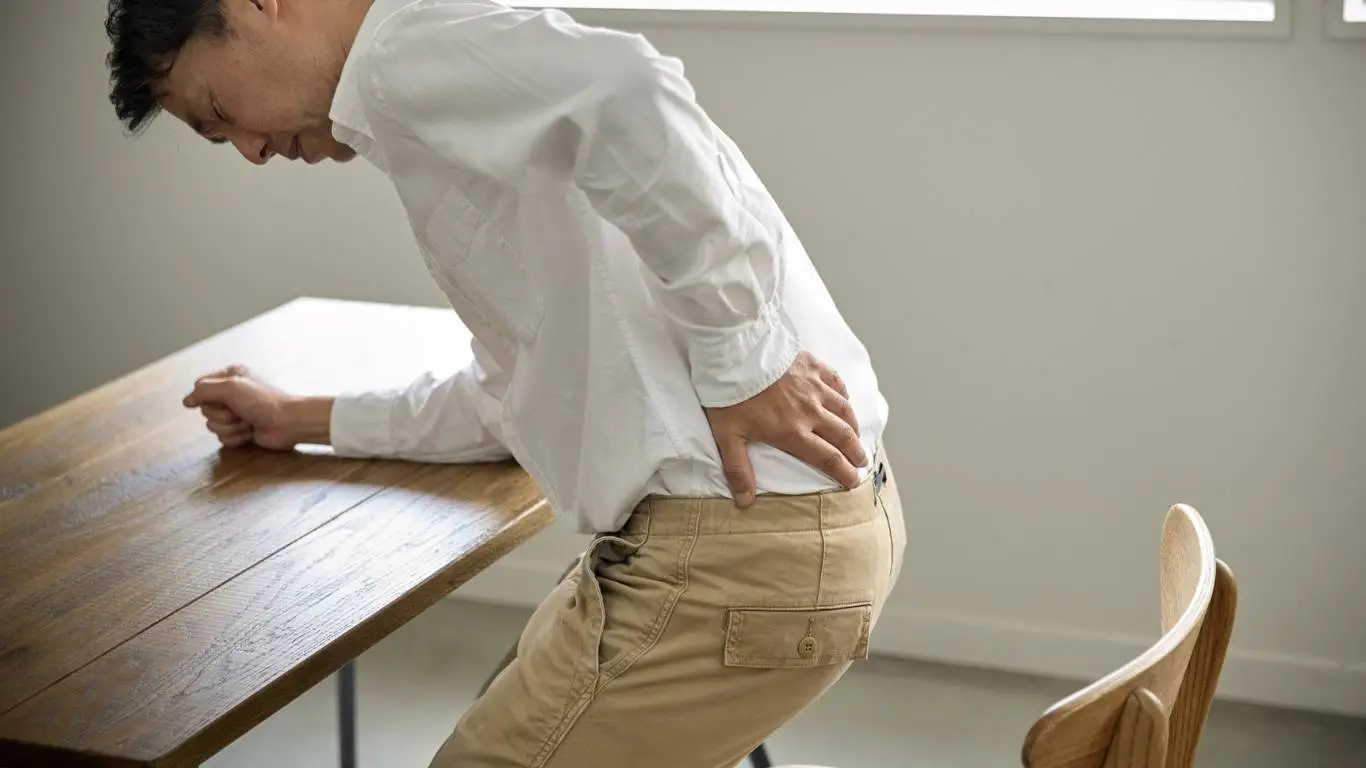
If you’ve tried managing things on your own and the pain keeps hijacking your day, it’s time to get help. I went to a GI doctor, physical therapist, and pain management specialist before I found the right combo of insight and empathy. Look for providers who understand the interplay between gut health and musculoskeletal pain—not just one or the other.
Also, don’t hesitate to ask about alternative approaches. Some providers offer chiropractic care, acupuncture, or targeted physical therapy that takes IBS flare patterns into account.
For a deeper understanding of how both physical and mental health tie into pain cycles, the main article on mental and emotional aspects of back pain offers powerful insight. And don’t miss this comprehensive resource on the complete back pain guide to explore related causes and care strategies.

Camellia Wulansari is a dedicated Medical Assistant at a local clinic and a passionate health writer at Healthusias.com. With years of hands-on experience in patient care and a deep interest in preventive medicine, she bridges the gap between clinical knowledge and accessible health information. Camellia specializes in writing about digestive health, chronic conditions like GERD and hypertension, respiratory issues, and autoimmune diseases, aiming to empower readers with practical, easy-to-understand insights. When she’s not assisting patients or writing, you’ll find her enjoying quiet mornings with coffee and a medical journal in hand—or jamming to her favorite metal band, Lamb of God.