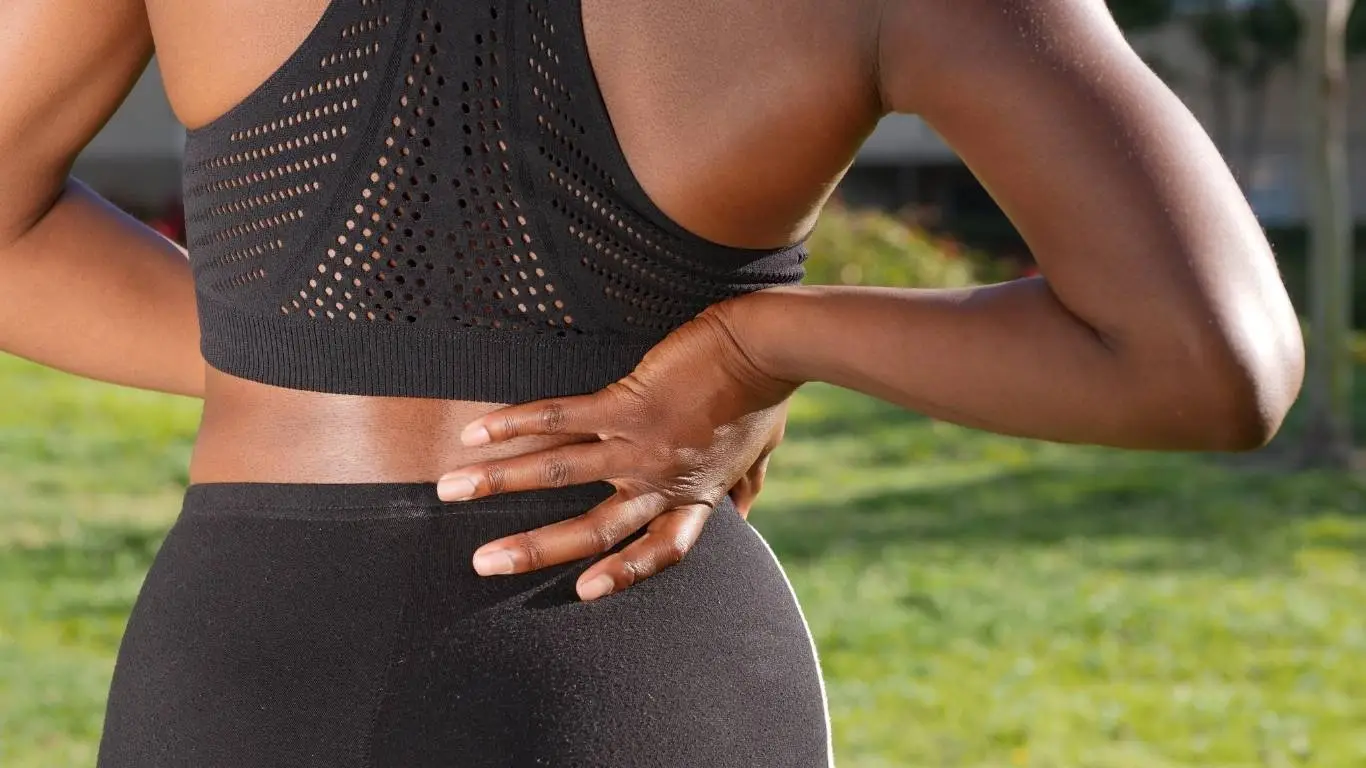
Why Breathing From Diaphragm Boosts Spine Stability Naturally
Back when I first started having occasional flare-ups in my lower back, I assumed it was just my posture or how I sat at the desk. But after trying countless stretches and buying three different chairs (yes, three), someone asked, “Have you ever paid attention to how you breathe?” That caught me off guard. Breathing? For spine health? Turns out, learning to breathe from the diaphragm didn’t just help my back—it transformed how I moved, stood, and even lifted weights. If you’re dealing with chronic or recurring back pain, this simple but overlooked technique could be the game-changer you didn’t know you needed.
How Diaphragmatic Breathing Supports the Spine

Let’s break it down. Your diaphragm isn’t just a muscle for breathing—it’s a stabilizer for your core. When you breathe from the diaphragm, you activate the deep core muscles, especially the transverse abdominis and pelvic floor, both crucial for spine support.
Instead of shallow chest breathing, which does little for your posture, diaphragmatic breathing engages a network of muscles that creates intra-abdominal pressure. This pressure acts like a natural belt around your midsection, giving your spine much-needed support during daily movements—whether you’re standing, walking, or lifting something off the floor.
The Core-Spine Connection
Think of your core as a cylinder: the diaphragm on top, pelvic floor on the bottom, and abdominal and back muscles wrapping around. When you breathe properly, this entire cylinder becomes engaged and balanced, helping to stabilize your lumbar spine and prevent strain.
If you’re constantly slouching, battling stiffness, or feeling like your spine doesn’t have enough “support from within,” poor breathing mechanics might be the root. In fact, this study from the National Institutes of Health shows that diaphragmatic breathing improves core stability and can significantly reduce lower back pain symptoms.
Common Signs You’re Not Breathing Properly

Many people don’t realize they’re stuck in a shallow breathing pattern. Here’s what to look for:
- Shoulders lift noticeably when you inhale
- Neck and upper chest feel tight or strained
- You often feel out of breath after minor activities
- Your stomach barely moves during breathing
Over time, these habits can overwork the accessory breathing muscles, which aren’t meant to do all the heavy lifting. Worse, they pull on the spine and contribute to chronic mechanical pain.
Diaphragmatic Breathing vs Chest Breathing: Why It Matters

Chest breathing tends to be fast and inefficient. It limits oxygen intake and creates tension through the neck and shoulders. Diaphragmatic breathing, on the other hand:
- Reduces lumbar stress by increasing intra-abdominal pressure
- Activates deep stabilizing muscles critical for spinal alignment
- Improves movement efficiency, helping reduce compensations that lead to pain
- Calms the nervous system, reducing the pain response
If you’re already using exercises or rehab for spine issues, but ignoring breathwork, you’re probably missing out on 30–40% of potential gains.
My Experience Adding Breathwork into Daily Life

At first, it felt weird. I would lie on the floor with my knees up, one hand on my chest, the other on my belly, just practicing slow, controlled inhales. But after a few days, I noticed something big: my lower back didn’t feel as tense, even during long meetings or when I picked up groceries.
It’s not some fancy tool or medication. It’s just retraining your body to use the diaphragm properly—a muscle you already have but maybe forgot how to use. If you’re skeptical, consider how bad posture often ties back to dysfunctional breathing.
Best Practices for Training Diaphragmatic Breathing

Here’s a simple step-by-step you can do at home:
- Lie on your back with knees bent, feet flat on the floor.
- Place one hand on your chest, one on your belly.
- Inhale slowly through your nose. Focus on your belly rising, not your chest.
- Exhale slowly through your mouth. Feel your belly fall.
- Repeat for 5–10 minutes daily, especially before workouts or sleep.
Want to level up? Integrate diaphragmatic breathing with core stability drills. This guide on exercise and rehabilitation for back pain is a solid place to start.
Common Mistakes to Avoid
- Breathing too quickly—slow and controlled is key
- Letting your ribs flare—keep your spine neutral
- Only practicing lying down—progress to seated and standing once you improve
Related Conditions Tied to Poor Breathing Patterns

Poor diaphragmatic function isn’t just a “nice to fix” issue. It’s a common thread in several chronic back issues, including:
Diaphragmatic breathing has also been linked to better outcomes in rehab programs from respected health institutions. That’s not marketing hype—that’s years of clinical observation backing the technique.
For a broader look at the anatomy and types of back pain affected by breathwork, this pillar article on types and anatomy of back pain gives a deep dive. You can also explore the full scope of back pain management in this main resource hub to learn how breathing, posture, and habits all intersect.
Training the Diaphragm for Real-World Stability

Once you’re comfortable breathing while lying down, it’s time to make it functional. After all, your spine doesn’t need support just when you’re resting—it needs it when you’re moving. That’s where active integration of diaphragmatic breathing into movement becomes the secret sauce. The goal isn’t just calm breathing—it’s intentional breathing under tension.
Standing and Seated Breath Training
Begin by practicing while seated upright or in a half-kneeling position. Both require your spine to stabilize without the help of the floor. You’ll instantly notice it takes more focus to keep your breath low and full. This extra work is exactly what teaches your nervous system to recruit the right muscles when you need them.
I started combining these with basic movements—like squats and deadlifts. And wow, the difference was huge. It’s not just about “core strength” in the way we’ve been told for years. It’s about retraining your body to breathe for support first, then move.
Why Most Core Exercises Fall Flat Without Breath Control

You can plank for minutes, do crunches daily, or blast through ab circuits—but if your breath is stuck in your chest, you’re only reinforcing shallow habits. Even worse, you could be pushing pressure down into your pelvis or up into your ribs, leaving your spine vulnerable.
Instead, using the diaphragm during strength movements teaches the body to build and maintain pressure around the spine. This pressure becomes the stabilizing “brace” that protects you from strain and unnecessary wear-and-tear.
Try This: The 90-90 Breathing Drill
- Lie on your back, feet up on a wall or bench with knees bent at 90 degrees.
- Place your hands on your lower ribs.
- Inhale through the nose, expanding your ribs laterally (not up).
- Exhale slowly through pursed lips, engaging your abs and drawing ribs down slightly.
- Repeat for 6–8 breaths, then return to standing and notice how grounded you feel.
This drill is used in rehab clinics and movement-based therapy programs to retrain core-lumbar coordination. It’s simple but powerful. Bonus? It can also reduce stress and improve posture.
How Breathing Affects Posture and Spinal Alignment

You might be surprised how many people come in for posture issues and leave with better breathing. That’s because your diaphragm is not just a breathing muscle—it’s a posture muscle too. If your diaphragm isn’t working well, other muscles (like the neck, chest, and hip flexors) start compensating, pulling your body out of alignment.
Once I started practicing better breath mechanics, I noticed my chest didn’t collapse forward as much. My ribs stayed stacked, and I wasn’t constantly “holding tension” in my lower back. If your back always feels tight or compressed, your breathing mechanics could be the hidden villain.
Want to dig deeper into this? Posture-focused back pain articles like this one explain the structural relationship in more detail.
Breath Control in Physical Therapy and Athletic Training
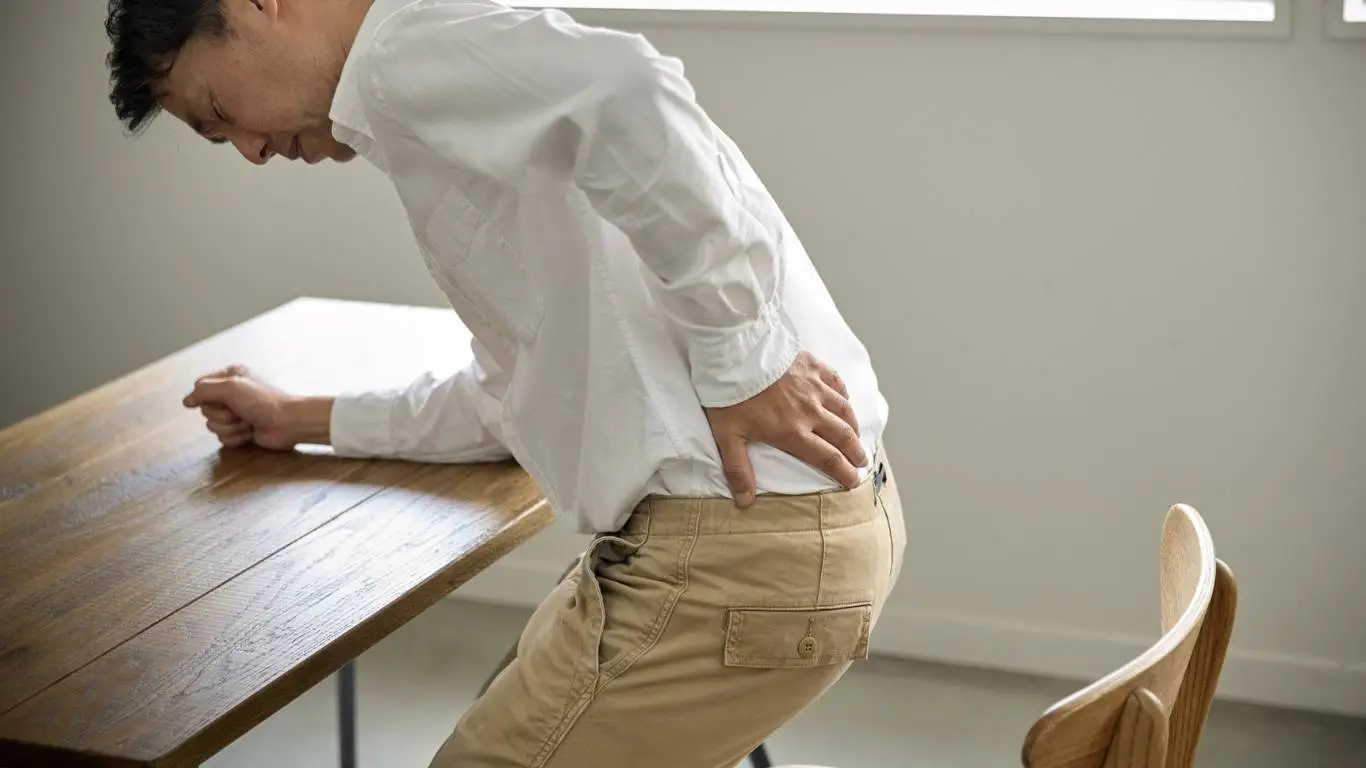
Rehab professionals and sports trainers are now emphasizing breathing as the first step in any movement plan. This isn’t just for yogis or people doing breathwork meditations—this is for everyone who moves. That includes runners, weightlifters, office workers, even those recovering from surgery or injury.
Incorporating diaphragmatic breathing into PT programs has shown consistent improvements in:
- Spinal decompression and disc pressure reduction
- Better movement coordination in the hips and shoulders
- Decreased flare-ups of chronic pain
If you’re already in rehab or dealing with back instability, integrating breathing can multiply your results. This guide on conservative back pain treatments covers several foundational therapies that work better when paired with breath-based movement.
When Breathing Isn’t Enough: Common Blocks and Fixes

Let’s be real—it’s not always smooth sailing. Some people struggle with this process because:
- They have tight, stiff upper backs or ribs that limit expansion
- They’re hyper-focused on belly breathing and forget the ribs
- They hold too much tension in their abs (especially after years of “sucking in”)
If that’s you, don’t give up. Try foam rolling the upper back or using breathing props like balloons or resistance bands to provide feedback. You can also consult a trained therapist who understands functional breath mechanics—not all PTs teach this, but the right one will change your outlook entirely.
Everyday Movements Where Breathing Makes a Difference

Here are a few places where applying your breath makes a noticeable difference:
- Bending to tie your shoes: Exhale as you fold forward to prevent spinal collapse.
- Lifting groceries: Inhale before you lift to create pressure, exhale as you rise.
- Getting out of bed: Use a slow exhale and engage your lower ribs for support.
- Sitting at your desk: Use light nasal breathing to maintain low-level core activation.
These tiny changes in how you breathe during daily life accumulate. It’s how you build resilience—not just for workouts, but for real life.
Bonus: Breathing to Calm Nerve-Driven Back Pain

Not all back pain is muscular. If you’re dealing with issues like lumbar radiculopathy or sciatica, calming the nervous system becomes just as important as strength.
Slow, nasal, diaphragmatic breathing has been shown to activate the parasympathetic nervous system, which reduces inflammation and downregulates the pain response. That’s why combining breath with movement often yields better results than passive treatment alone.
It’s also why diaphragmatic breathwork is being included more in mind-body pain relief strategies, especially for chronic back issues tied to anxiety and stress patterns.
Ready to Start? Explore More Tools to Support Your Breath and Spine

From ergonomic chairs to lumbar cushions and posture trainers, tools can help—but only when paired with awareness. Breath is the base. Everything else is just support gear.
For deeper techniques and long-term training ideas, visit our full exercise and rehabilitation pillar—it’s packed with movement solutions that work alongside diaphragmatic breathing.
You can also visit the main back pain hub here to explore related causes, solutions, and real-world strategies from experts who understand the full picture.

Camellia Wulansari is a dedicated Medical Assistant at a local clinic and a passionate health writer at Healthusias.com. With years of hands-on experience in patient care and a deep interest in preventive medicine, she bridges the gap between clinical knowledge and accessible health information. Camellia specializes in writing about digestive health, chronic conditions like GERD and hypertension, respiratory issues, and autoimmune diseases, aiming to empower readers with practical, easy-to-understand insights. When she’s not assisting patients or writing, you’ll find her enjoying quiet mornings with coffee and a medical journal in hand—or jamming to her favorite metal band, Lamb of God.