How Fear of Missing Out and Social Anxiety Drain You Daily
It hit me during a weekend scroll through social media—everyone was somewhere, doing something incredible, while I sat there with this gnawing tension in my chest. You know the kind: that strange mix of envy, inadequacy, and anxiety that makes your heart race even though nothing’s actually happening. That was my first taste of what I later understood as a cocktail of fear of missing out (FOMO) and social anxiety. It’s more common than most of us realize, and it’s not just about phones or apps—it goes deeper, far beyond the screen.
Why FOMO Feeds Social Anxiety in Ways You Don’t Notice

Let’s break this down. Fear of missing out is a modern term, but the emotion it describes has been around forever. It’s that emotional nudge that says, “You’re not enough unless you’re part of everything.” Add social media-fueled anxiety to the mix, and you’ve got a vicious cycle: you avoid social events out of fear, then feel anxious because you’re not part of what everyone else is doing.
Social anxiety, by nature, already puts us on high alert. Combine that with constant digital proof that “everyone else is doing fine,” and your brain gets stuck in panic mode. You start overthinking texts, second-guessing posts, or declining invites—not because you don’t want to go, but because you fear you won’t fit in. FOMO doesn’t just make you sad you’re not invited. It convinces you that you’re excluded because something’s wrong with you.
The Emotional Toll of Always Feeling “Less Than”
I’ve personally canceled plans just minutes before leaving the house—not because I was sick or tired, but because I felt like I’d mess everything up if I went. That’s how deeply social anxiety can twist your perception. FOMO, in that moment, didn’t just make me wish I was somewhere else—it convinced me I couldn’t handle being anywhere at all.
- You scroll and compare yourself relentlessly
- You feel ashamed for not “doing enough”
- You convince yourself people don’t actually want you around
Sound familiar? This emotional spiral is more common than people admit. And it’s exhausting.
How FOMO Manifests Differently in People With Social Anxiety

If you already deal with social anxiety, FOMO doesn’t just whisper in your ear—it screams. That Instagram post from your friend’s birthday party? You won’t just feel sad you weren’t there. You’ll feel convinced you were excluded on purpose. That’s what anxiety does—it takes a tiny thought and stretches it into something unbearable.
- Overanalyzing group photos: You look for signs of closeness and exclude yourself in your mind.
- Replaying past social interactions: “Was I awkward?” “Did I say something weird?”
- Deciding to stay home… again: Not because you want to, but because your nerves convince you it’s safer.
It’s like living in a mental tug-of-war between wanting connection and fearing rejection.
The Invisible Barrier to Real Connection
Here’s what most people don’t see: you want to join the fun, but your anxiety tells you that you’ll ruin it—for yourself or for others. I remember standing outside a friend’s apartment once, just frozen. I was supposed to go in and celebrate her promotion, but I couldn’t knock. I turned around and walked home. Later, I cried—not because I missed out, but because I hated how powerless I felt.
How to Interrupt the Cycle (Without Pretending Everything’s Fine)

Healing doesn’t mean pretending FOMO doesn’t bother you. It means understanding the deeper fear underneath it: rejection, invisibility, inadequacy. You’re not “too sensitive.” You’re responding to a world that constantly reminds you where you don’t belong—and it hurts.
Tools I’ve Personally Found Helpful
- Breathing exercises when panic creeps in
- Journaling about feelings of exclusion instead of numbing them
- Unfollowing or muting accounts that spike my anxiety
- Scheduling small, comfortable social meetups—just one-on-one
Sometimes, acceptance and commitment therapy (ACT) helped me ground my thoughts without battling them. When anxiety whispers, “You don’t belong,” ACT encourages you to say, “I hear you, but I’m still going.”
The Role of Technology in Fueling the Comparison Trap
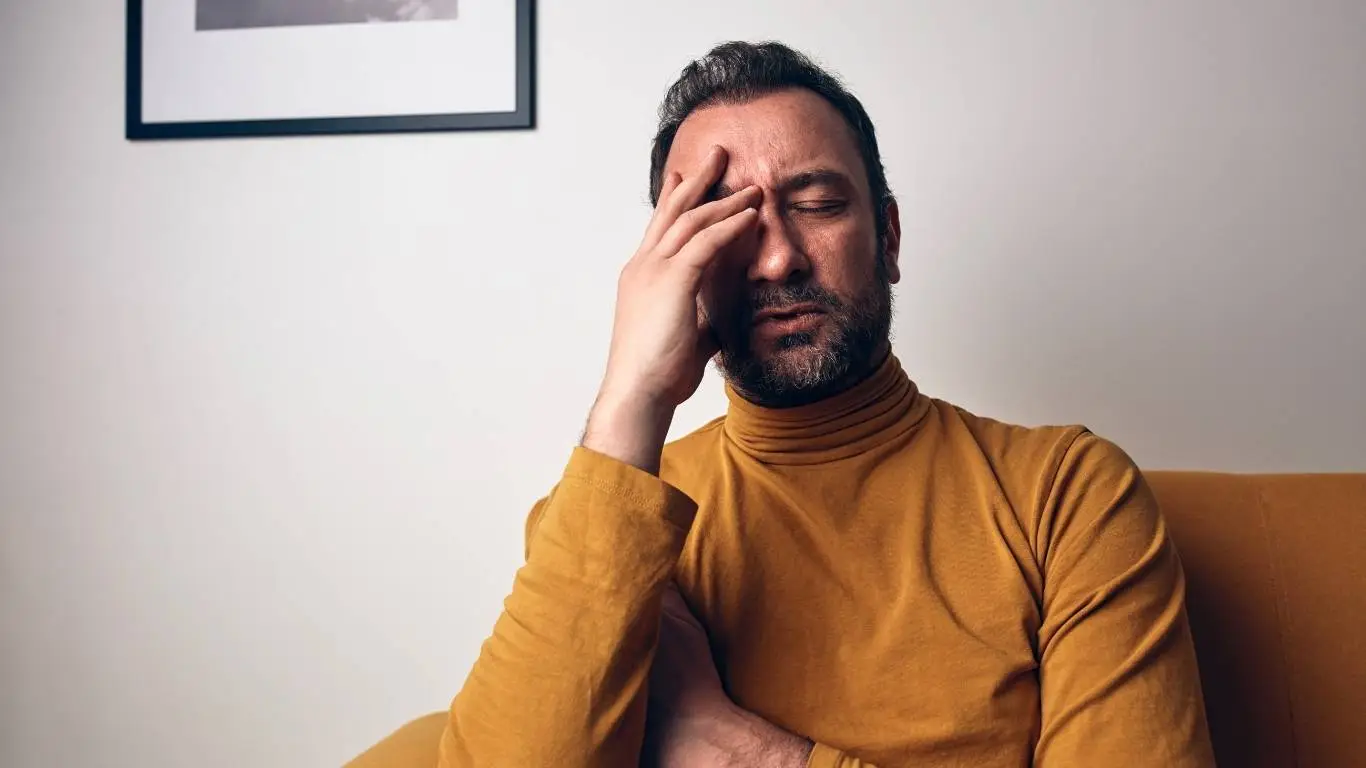
Social media is designed to amplify highlights, not real life. You’re seeing the edited versions of people’s experiences. Still, it doesn’t make the emotional impact less real. It’s why so many people—especially teens and young adults—are caught between wanting to participate and needing to disappear.
In fact, there’s increasing recognition in clinical psychology that persistent comparison and social surveillance can heighten generalized anxiety and feelings of isolation. According to research from ncbi.nlm.nih.gov and psychologytoday.com, overuse of social platforms has a direct correlation with anxiety symptoms, especially in already vulnerable individuals.
Rebuilding Self-Worth Outside the Algorithm
For me, the turning point was admitting that my anxiety was dictating too many of my decisions—and that meant reclaiming agency. I stopped checking stories during events I wasn’t attending. I reminded myself that missing one party doesn’t mean I’m not valued. And I read more about lifestyle habits that support mental health and personal grounding tools that don’t rely on approval.
If you’re resonating with any of this, you’re not alone—and you’re not broken. Anxiety and FOMO don’t define who you are. They’re signals. They’re showing you where it hurts, and maybe even what you care about most.
For a deeper understanding of how these patterns silently disrupt your life, I recommend reading this in-depth guide on how anxiety disorders affect your daily life and exploring the lifestyle changes that may help soften that emotional edge.
How FOMO and Social Anxiety Affect Relationships More Than We Realize

When you live with both FOMO and social anxiety, relationships—especially close ones—become incredibly tricky. You want to be included, but the thought of actually engaging feels overwhelming. I’ve lost touch with people I genuinely cared about, not because I didn’t value them, but because anxiety kept making me second-guess every interaction.
Friends misinterpret your distance as disinterest. Invitations stop coming. And every time you see others hanging out without you, it reinforces that belief that you don’t belong. That’s the silent damage of social anxiety mixed with fear of missing out: it convinces you to stay away, and then punishes you for not being there.
When You Constantly Feel Like the “Optional” Friend
There were moments I’d be in the group chat, read all the messages, and never reply. Not because I didn’t care, but because I didn’t know what to say. Or worse—I’d fear saying something wrong. When they eventually met up without me, the shame would spiral: “They’re better off without me.” That optional friend feeling is gutting. And honestly, it’s one of the hardest cycles to break.
- You don’t reach out because you’re anxious
- You’re not invited because you seem uninterested
- You feel left out and more anxious
It’s not just emotional—it’s relational damage built on misunderstanding, fear, and self-protection. And fixing it? That takes patience, vulnerability, and, sometimes, uncomfortable honesty.
Rethinking “Missing Out”: Are You Really Missing What You Think?

I started asking myself: what exactly am I afraid of missing? Is it the connection… or the validation? That question hit me harder than expected. Turns out, I wasn’t always sad about missing events. I was upset about what it meant—or what I thought it meant. “They didn’t think of me.” “I wasn’t cool enough.” “I must’ve done something wrong.” It was never about the party—it was about the story I built around not being at the party.
Reframing the narrative helped a lot. Instead of, “Everyone is doing better than me,” I started thinking, “I’m focusing on what works for me right now.” That subtle shift made a massive difference. I began creating journaling routines to identify triggers and thought distortions, and it honestly helped bring some clarity to the chaos.
Strategies That Brought Me Back to the Present
- Muted toxic accounts that made me feel inadequate
- Planned offline rituals—even something small like a coffee break outside
- Scheduled social time I actually looked forward to
- Practiced mindfulness (even when it felt pointless)
These small habits gave me space from that constant buzz of “not doing enough.” And guess what? The world didn’t fall apart when I didn’t go to everything. It just got quieter, more intentional.
Finding Safe Social Outlets When Anxiety Feels Overwhelming

Let’s be real: the advice to “just go out more” or “be more social” doesn’t work when your heart pounds at the thought of being judged. What helped me was finding small, low-pressure spaces where I could simply exist without performing. That included support groups, virtual chats, even commenting on forums with people who just got it.
I wasn’t looking for popularity. I was looking for safety. And when social anxiety and FOMO dominate your thoughts, safety means everything.
- Try virtual therapy options if in-person feels like too much
- Use grounding tools like progressive muscle relaxation before social events
- Talk to a friend who understands and doesn’t minimize your anxiety
Also, I can’t overstate how helpful cognitive behavioral therapy has been. It doesn’t erase the thoughts, but it changes your relationship with them. You don’t need to be fearless. You just need tools to keep going even when the fear shows up.
Stop Letting the Algorithm Define Your Worth

Social platforms are curated highlight reels—and comparing your raw, unfiltered life to someone else’s curated image is a losing game. I used to look at photos and think, “They’ve got it all together.” But the truth? Half of them probably felt the same way I did. Anxious. Left out. Overwhelmed.
You don’t need to be everywhere, with everyone, all the time to be valid. You don’t need to post proof to feel connected. The more I stepped back from comparing, the more I found peace in simple, real moments: coffee with a friend, an evening walk, or even laughing with my dog on the couch.
It’s not about avoiding the world. It’s about choosing what kind of connection matters to you—and letting that be enough.
If this struggle sounds all too familiar, check out the main breakdown on how anxiety controls your life in subtle ways, or dive into the therapy-based support paths that offer lasting clarity—not just temporary distraction.

Camellia Wulansari is a dedicated Medical Assistant at a local clinic and a passionate health writer at Healthusias.com. With years of hands-on experience in patient care and a deep interest in preventive medicine, she bridges the gap between clinical knowledge and accessible health information. Camellia specializes in writing about digestive health, chronic conditions like GERD and hypertension, respiratory issues, and autoimmune diseases, aiming to empower readers with practical, easy-to-understand insights. When she’s not assisting patients or writing, you’ll find her enjoying quiet mornings with coffee and a medical journal in hand—or jamming to her favorite metal band, Lamb of God.