Why Night Mode Might Be the Secret to Fewer Migraines
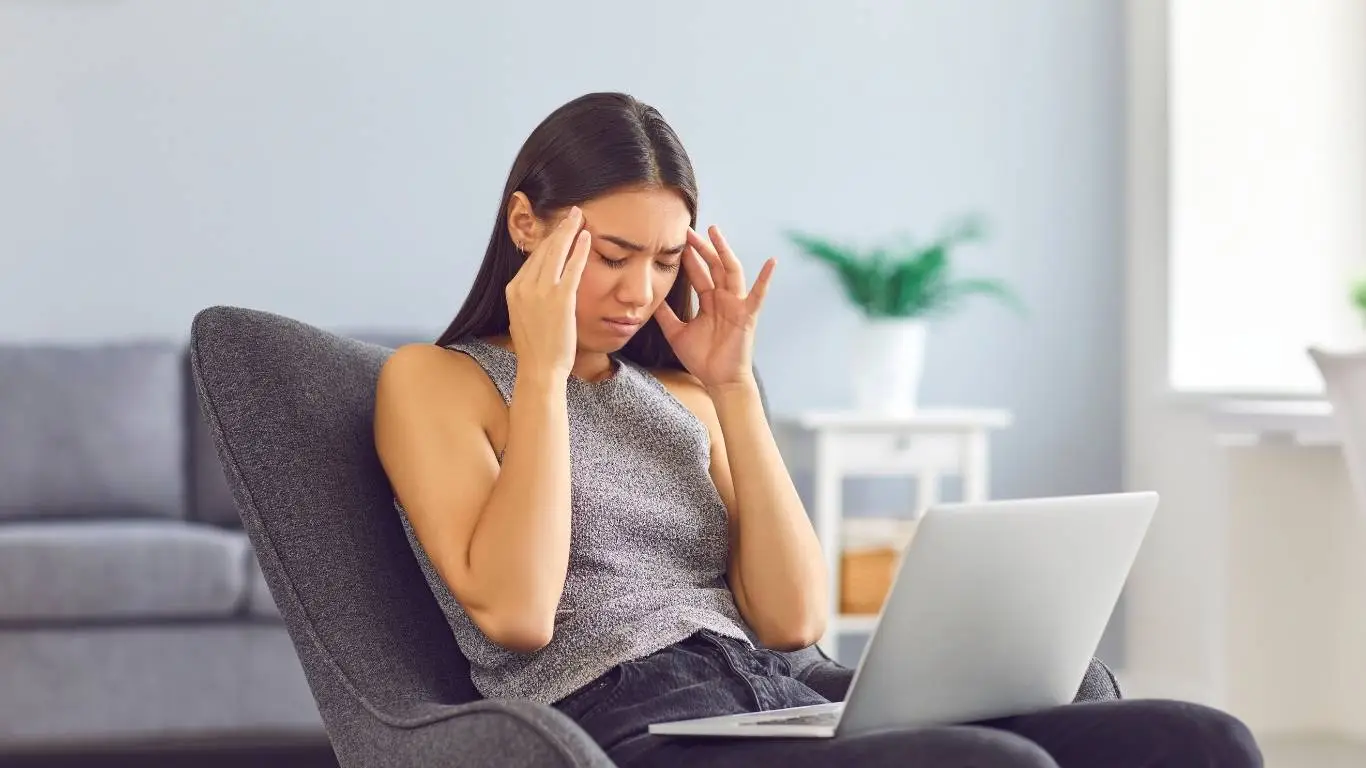
If you’ve ever dealt with migraines, especially when they hit at night or ruin your mornings, you’re not alone. I’ve been there. At first, I thought it was just the stress, or maybe something I ate. But after countless restless nights and throbbing mornings, I realized it had a lot more to do with how I was winding down—especially my exposure to light before bed.
Why Night Mode Isn’t Just About Comfort

Most of us think of night mode as a screen setting that just makes your phone easier on the eyes. But there’s more to it than just warm hues. When you’re sensitive to light—and many migraine sufferers are—those blue-light-heavy screens can be a nightmare, literally.
Night mode reduces blue light, which studies have shown can interfere with melatonin production. That’s the hormone responsible for helping you sleep. Poor sleep quality is one of the most common migraine triggers linked to sleep disorders. So, if you’re scrolling through Instagram in bed with full brightness blasting your retinas, you might be setting yourself up for a migraine landmine.
The Science: Light Sensitivity and Melatonin

Melatonin isn’t just for sleep. It also plays a role in the regulation of pain. Lower melatonin levels have been observed in people with chronic migraines. So, it makes sense that one path to migraine prevention is keeping your melatonin production on point. That means limiting blue light at night, and yes—actually using that night mode setting across all your devices.
Backed by the National Library of Medicine, disrupted circadian rhythms and insufficient melatonin levels are both well-documented contributors to migraine episodes. Night mode helps by filtering blue light and shifting the color spectrum into warmer tones, less likely to suppress melatonin.
My Personal Experience with Night Mode & Migraines

I didn’t believe it either at first. “Another gimmick setting,” I thought. But after switching my devices to night mode around 8 PM and turning off bright overhead lights, the change was noticeable. My sleep improved within a week. Fewer headaches. Less grogginess. The next migraine didn’t arrive for three weeks—and that was a record for me.
Here’s what worked for me:
- Enable Night Mode on all screens, not just your phone—laptop, tablet, TV if it has the option.
- Shift to warm lighting in your home after sunset. Think amber or red-tinted bulbs.
- Use blue-light-filtering glasses if you must stay on screens late.
These simple changes can be ridiculously effective, especially when you pair them with a consistent sleep schedule.
Sleep Quality as a Foundation for Migraine Prevention

If your migraine prevention strategy doesn’t include prioritizing your sleep, you’re missing a huge piece of the puzzle. According to Sleep Foundation, people who experience poor sleep are more likely to have frequent migraines. The connection between migraine and sleep isn’t just anecdotal—it’s neurological.
Whether it’s due to screen exposure, stress, or inconsistent bedtimes, disrupted sleep patterns can cause changes in brain activity that make migraines more likely. That’s why migraine prevention strategies almost always include tips for improving sleep hygiene.
Steps Toward Better Sleep for Migraine Control
- Set a fixed bedtime and wake time—even on weekends
- Avoid caffeine after 2 PM
- Keep your room dark and cool
- Power down electronics at least 30 minutes before bed
- Try a wind-down routine (stretching, journaling, reading)
I used to roll my eyes at sleep hygiene tips, but after tracking my habits in a migraine diary, I realized the correlation was real. When I respected my circadian rhythm, my brain thanked me. Fewer attacks, less intensity.
Other Environmental Night-Time Triggers You Might Miss

While night mode is a big part of the puzzle, it’s not the only nighttime environmental factor worth paying attention to. Here are a few others I’ve learned to watch out for:
- Overheating at night – A too-warm bedroom can increase tension and trigger migraines.
- Fragrance sensitivity – Scented candles or plug-ins might be cozy, but they can sneak up on sensitive sinuses.
- Interrupted sleep – Whether it’s pets, partners, or traffic noise, any kind of sleep disturbance can open the door to a migraine the next day.
One night, I swapped out my lavender wax warmer for an unscented humidifier, and the improvement was instant. Migraine-free mornings became more common.
Understanding how your environment influences your brain chemistry is essential. You can dive deeper into migraine triggers here, especially if you’re looking to build a prevention plan that actually sticks.
Putting It All Together

When we talk about night-mode and migraine prevention, we’re really talking about intentional habits that protect your sleep and support your brain health. From using the built-in tech features we usually ignore, to turning your bedroom into a sanctuary, it’s about more than just avoiding pain—it’s about reclaiming your nights.
To understand more about what actually causes migraines and how to treat them effectively, check out this in-depth look at understanding migraines. And for a comprehensive guide that ties everything together, don’t miss the main resource on migraines and headaches.
Digital Detox: Night Mode Is Good, But Sometimes Not Enough

Night mode is helpful, no doubt. But here’s something I learned the hard way—it’s not a silver bullet. After weeks of faithful night mode use, I still found myself waking up with that dull pressure behind my eye. That’s when I realized I was treating the symptom, not the environment.
Sometimes, even with night mode, we’re still overstimulating our brains. Scrolling through emails, binge-watching series, replying to messages—it keeps your nervous system on alert. That’s not how you prep for sleep, especially when your goal is migraine prevention.
So, I started doing something that felt extreme at first: no screens 30–60 minutes before bed. Just reading, stretching, or literally doing nothing. The result? My migraines became less frequent and noticeably milder. My brain wasn’t fighting the brightness or the stimulation. It was finally getting the memo that it was time to shut down.
Digital Detox Tips That Don’t Feel Like Punishment
- Keep a paperback book by your bed—not a Kindle
- Use a journal to brain dump thoughts that might keep you up
- Invest in a salt lamp or candlelight—soft and warm lighting is key
- Charge devices in another room (this one was game-changing for me)
And if you’re still struggling with post-sunset headaches despite your efforts, it’s worth exploring other root causes in this guide to migraine with aura—often misdiagnosed and misunderstood.
Let’s Talk Hormones, Stress & Your Evening Routine

One area that doesn’t get enough attention in migraine conversations: hormones and stress, especially in the evening. A big chunk of migraine sufferers—myself included—notice an uptick during certain phases of the menstrual cycle or after an emotionally taxing day.
Even with the lights dimmed and night mode on, if your cortisol is high and your serotonin is off balance, your brain’s still a ticking time bomb. That’s why pairing light management with stress-reducing habits makes all the difference. I started adding 10 minutes of yoga or breathing exercises into my night routine and the impact was surprisingly strong.
Also, a calming herbal tea (think chamomile or lemon balm) replaced my usual late-night snack, and suddenly those 2 a.m. pulsating headaches started backing off. Here’s a deeper dive into hormonal migraine triggers if that feels like your situation too.
Small Nighttime Habits That Help Keep Migraines Away
- 30 seconds of box breathing (inhale 4, hold 4, exhale 4, hold 4)
- Avoid heated debates or intense work after dinner
- Switch to a lighter evening meal—heavy digestion can trigger sleep issues
- Log your triggers nightly in a migraine diary to spot hidden patterns
Temperature, Light, and Sleep Position: A Trio That Matters

If you’ve nailed your screen settings, dimmed your lights, and still wake up with a migraine, it might be time to look at your sleep setup. Yes, temperature and posture count. Big time.
I found that dropping my bedroom temp to around 67°F (19°C) made my sleep deeper and migraines less frequent. It’s something CDC guidelines also recommend for sleep optimization. Combine that with blackout curtains and a supportive pillow, and the difference is night and day.
Also worth noting: your sleep position can either help or hurt your migraine frequency. Back sleeping tends to distribute pressure more evenly and keeps your spine aligned. I personally switched from side sleeping and saw a reduction in neck tension—another hidden trigger.
Smart Tech for Smarter Sleep (Yes, It Can Help)

Ironically, some tech can actually help when used right. I started using a smartwatch to track my sleep patterns and realized my “8 hours” was really fragmented, with spikes in heart rate and movement. Not exactly migraine-safe sleep.
That info helped me make targeted changes. For example, I pushed dinner earlier, cut off caffeine by 2 PM, and now go to bed 30 minutes earlier. I also experimented with a few wearable migraine devices—you can read about the pros and cons of those in this review of top migraine relief devices.
Creating a Nighttime Migraine Prevention Checklist

We all live different lives, but a solid checklist can make a huge difference in consistency. Here’s one you can adapt:
- 📵 Enable night mode on all devices
- 🧘♂️ Add 10 minutes of breathing/stretching
- 🌡️ Keep bedroom cool (around 67°F)
- 🕯️ Swap harsh lights for warm ambient lighting
- 📚 Wind down without screens at least 30 mins before sleep
- 😴 Choose sleep position mindfully
- 📓 Log anything that feels off in a migraine diary
It may sound like a lot, but the body adapts fast—and when it does, your brain has a chance to reset instead of rebel. Small steps stack into real results.
And if you’re building a broader strategy beyond bedtime, don’t skip over natural migraine remedies. That’s where you’ll find deeper options that complement your nighttime habits, from nutrition to supplements.
If you want to get the full picture and take real control of your migraine triggers, bookmark the full resource on migraines and headaches—it’s the foundation of everything I’ve learned along this journey.

Bianca Nala is a compassionate Nurse Practitioner with a strong background in primary and respiratory care. As a health writer for Healthusias.com, she combines her clinical expertise with a talent for clear, relatable storytelling to help readers better understand their health. Bianca focuses on topics like asthma, COPD, chronic cough, and overall lung health, aiming to simplify complex medical topics without losing accuracy. Whether she’s treating patients or writing articles, Bianca is driven by a single goal: making quality healthcare knowledge accessible to everyone.