Why Floaters Seem Worse When Wearing Contact Lenses
If you’ve ever popped in your contact lenses, blinked a few times, and suddenly noticed a flurry of floating specs or squiggly shadows darting across your field of vision—you’re definitely not alone. I’ve worn contacts for over a decade, and those tiny, drifting floaters? Oh, they’ve had their moments—especially on dry or stressful days. But here’s the thing: a lot of people notice floaters getting worse with contact lenses and aren’t quite sure why. Let’s dig into it, and trust me, it’s not always as straightforward as “your eyes are just tired.”
Why Do Floaters Seem Worse with Contact Lenses?
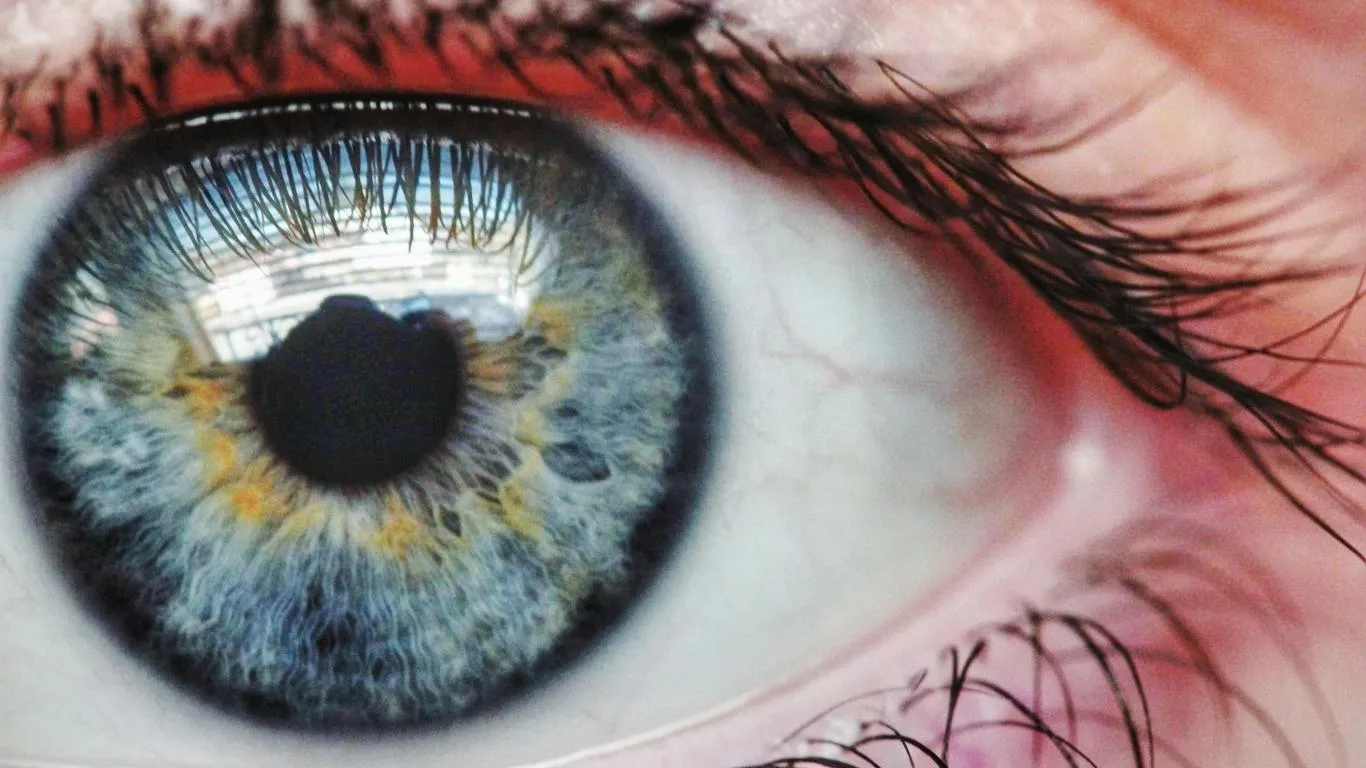
Contact lenses don’t directly cause floaters, but they can definitely make you more aware of them. Think of it like adjusting the sharpness on a camera. Everything—including those annoying floaters—suddenly becomes more defined. If you already have floaters, wearing lenses can sometimes give them more stage presence, so to speak.
Refined Vision = Amplified Awareness
One of the most common reasons people notice floaters more with contacts is simple: better focus. Contacts bring clarity. That means the floaters, which are essentially tiny bits of collagen or cellular debris drifting in the vitreous gel of your eye, show up more sharply against a bright sky, white screen, or even a well-lit room.
Increased Light Exposure
Most modern contact lenses are designed to enhance light transmission. While that’s great for seeing clearly, it also increases your sensitivity to floaters—especially in high-contrast environments. Bright environments make floaters pop. I’ve personally noticed mine are most obvious when I’m at my desk under LED lighting or walking outside on sunny days.
Dry Eyes Can Worsen the Perception
Contacts can dry out your eyes, especially if you’re using lenses beyond their wear schedule or staring at screens for long periods. Dry eyes don’t necessarily increase floaters, but they can distort your tear film and make floaters seem more intrusive. If you wear lenses for extended hours, this might sound familiar.
When to Be Concerned About Floaters and Lenses
Most floaters are harmless. But if you’re suddenly seeing more of them, especially after wearing your contacts all day, it’s worth paying attention. A sudden increase could signal more than just lens fatigue.
Red Flags to Watch For
- Floaters accompanied by flashes of light
- A curtain-like shadow over your vision
- Sudden increase in number or size of floaters
These symptoms could point to something more serious like a retinal tear or detachment. You can read more about those here.
Have You Had Eye Surgery or Trauma?
If you’ve had LASIK or PRK, you might already be familiar with the increased awareness of floaters. Contact lenses on top of that just amplify everything. Floaters post-refractive surgery aren’t uncommon. If this resonates, this breakdown might help clear things up.
Are Certain Contact Lenses Worse Than Others?
Absolutely. Not all lenses are created equal, and some materials and wear styles can make you more prone to noticing floaters.
High Water Content Lenses
Ironically, lenses with high water content can actually lead to faster drying, especially in low-humidity environments. The drier your eye, the more prominent floaters may seem. Switching to silicone hydrogel lenses helped me tremendously with this.
Daily Disposables vs. Monthlies
Daily lenses are generally better for comfort and hydration, which can minimize distraction from floaters. If you’re using monthly lenses, buildup on the lens surface might exacerbate vision clarity issues—again making floaters appear more distinct.
Tips to Minimize Floaters While Wearing Contacts
- Use artificial tears regularly: Especially preservative-free ones. These keep your eyes moist and reduce irritation.
- Take regular screen breaks: Every 20 minutes, look at something 20 feet away for 20 seconds.
- Clean your lenses properly: Or switch to dailies if hygiene or lens buildup is an issue.
- Adjust lighting: Soft lighting can reduce the contrast that makes floaters more noticeable.
- Consider blue-light filtering lenses: Especially if you notice floaters more while working under LED lighting.
Don’t ignore persistent or worsening floaters, especially if you’re combining contact wear with long screen hours or poor sleep. Fatigue can make these little squiggles seem more dramatic than they really are. And if you’re wondering if they’re something more serious, it’s worth brushing up on when they become a red flag.
Related Conditions You Should Know About
Some eye floaters are linked with systemic conditions—like autoimmune disease, diabetes, or even hormonal shifts. If floaters showed up out of the blue, this insight might be especially helpful. And believe it or not, even things like allergies or stress have been connected to worsening floaters.
To learn more about the broader causes behind these floaters, check out this deep dive into the common causes of eye floaters. It covers everything from aging to trauma and makes it easier to understand where your floaters might be coming from.
And if you’re just beginning to notice floaters and want a comprehensive understanding of what they are, how they form, and what you can do, start with the main resource here.
What If Your Floaters Are Getting Worse Over Time?
If your floaters have gradually become more intrusive, it’s not just in your head. I used to brush mine off as “a normal part of getting older,” but when I noticed I was seeing them more frequently—especially during evening drives or after long workdays—I knew something had changed.
It Might Be Vitreous Syneresis
As we age, the gel-like vitreous inside our eyes begins to liquefy and shrink—a process known as syneresis. When that happens, collagen fibers can clump together and cast shadows on the retina. That’s exactly what you’re seeing when a floater drifts across your vision.
While contact lenses don’t cause syneresis, they do tend to make the visual effect more noticeable. If this sounds familiar, this article on floaters and vitreous changes gives a deeper look.
Changes in Lighting and Contrast Play a Big Role
Do your floaters look worse when you’re wearing contacts under fluorescent or LED lights? That’s not a coincidence. Bright, artificial light creates a contrast-rich environment, which makes floaters appear bolder and more defined. I’ve learned to tweak my lighting setup, especially when working or reading for long hours.
If you’ve noticed floaters mostly in white rooms or when switching light conditions, take a peek at this visual breakdown.
Can Contact Lenses Aggravate Underlying Eye Conditions?
They sure can. Not by causing new problems, but by bringing dormant ones into sharper focus. Here are a few conditions to consider if you’re dealing with worsening floaters while wearing contacts:
Posterior Vitreous Detachment (PVD)
This is one of the most common causes of floaters in people over 40. It’s a natural part of aging but can sometimes lead to complications if it causes traction on the retina. Contact lenses won’t cause a PVD, but they can make it more obvious. If you’re unsure whether your symptoms align, learn more here.
High Myopia (Nearsightedness)
People with high myopia are more prone to floaters—and contact lenses are a common correction method for them. The elongated eyeball shape in myopic eyes stretches the vitreous, making floaters more likely to form. Wearing contacts just enhances the visual clarity, so you see more of them.
And if you’ve been diagnosed with myopia and wear lenses daily, this piece on floaters in high myopia patients is a must-read.
Everyday Habits That Might Be Making Things Worse
There’s a surprising number of everyday actions that can unintentionally make floaters more noticeable—or worse, lead to more forming. Here’s what you might want to tweak:
- Rubbing your eyes – This is a huge one. I used to do it unconsciously during allergy season and always noticed floaters getting worse. Turns out, aggressive rubbing can contribute to vitreous disruption.
- Skipping lens hygiene – Dirty lenses create haze and micro-abrasions that might not just irritate your eyes—they make floaters stand out more.
- Prolonged screen use – Long hours staring at devices with minimal blinking causes dryness, which makes floaters more annoying. Blue light also contributes to eye strain.
- Inconsistent sleep – Fatigue makes your eyes less resilient, and that soft haze? It enhances floaters. There’s a deeper link between poor sleep and floaters you might want to explore.
What You Can Do About It—Naturally and Practically
I get it—floaters are frustrating, and sometimes you just want them to go away. While there’s no guaranteed way to eliminate them completely (short of surgery), here are a few methods that have helped me reduce their impact:
Hydration & Nutrition
Staying well-hydrated keeps your vitreous gel healthy. I also started eating more foods rich in lutein and antioxidants, like spinach and bell peppers. If you’re wondering what to focus on, this breakdown of the best diet for floaters offers great guidance.
Supplements That Actually Work
I was skeptical, but a combination of Omega-3s, vitamin C, and collagen boosters made a real difference for me over a few months. Here’s a great guide to supplements that are actually effective.
Mind Your Posture and Lighting
Leaning in toward a screen or reading in harsh lighting can make floaters more aggressive. Adjusting my posture and using warmer light tones helped reduce the visual contrast that makes floaters pop.
Eye Movement Exercises
Moving your eyes in slow circles or scanning left to right can shift the position of floaters and train your brain to ignore them. While they don’t eliminate floaters, they help your eyes adapt. If you want to try a few routines, this resource on eye exercises for floaters has simple step-by-steps.
Know When to See an Expert
Floaters alone aren’t always a cause for concern—but if they’re increasing rapidly, appear suddenly in one eye, or are accompanied by vision changes or flashes, it’s time to get checked out. These could be signs of something far more serious, like a retinal tear or bleeding inside the eye. Here’s what you need to know about when floaters signal bigger trouble.
Wearing contact lenses can bring floaters into the spotlight, but it doesn’t mean they’re getting worse—just more noticeable. Still, that visual discomfort is very real. And if you’re anything like me, the more you obsess about them, the more they seem to show up. Learning the triggers, adjusting your routine, and being proactive with eye care made all the difference in my day-to-day clarity.

Camellia Wulansari is a dedicated Medical Assistant at a local clinic and a passionate health writer at Healthusias.com. With years of hands-on experience in patient care and a deep interest in preventive medicine, she bridges the gap between clinical knowledge and accessible health information. Camellia specializes in writing about digestive health, chronic conditions like GERD and hypertension, respiratory issues, and autoimmune diseases, aiming to empower readers with practical, easy-to-understand insights. When she’s not assisting patients or writing, you’ll find her enjoying quiet mornings with coffee and a medical journal in hand—or jamming to her favorite metal band, Lamb of God.